We are processing your request.
Please, don't close or refresh the page.
Lisbon Tickets Religious

Lisbon Religious Sites: Book Tickets Now!

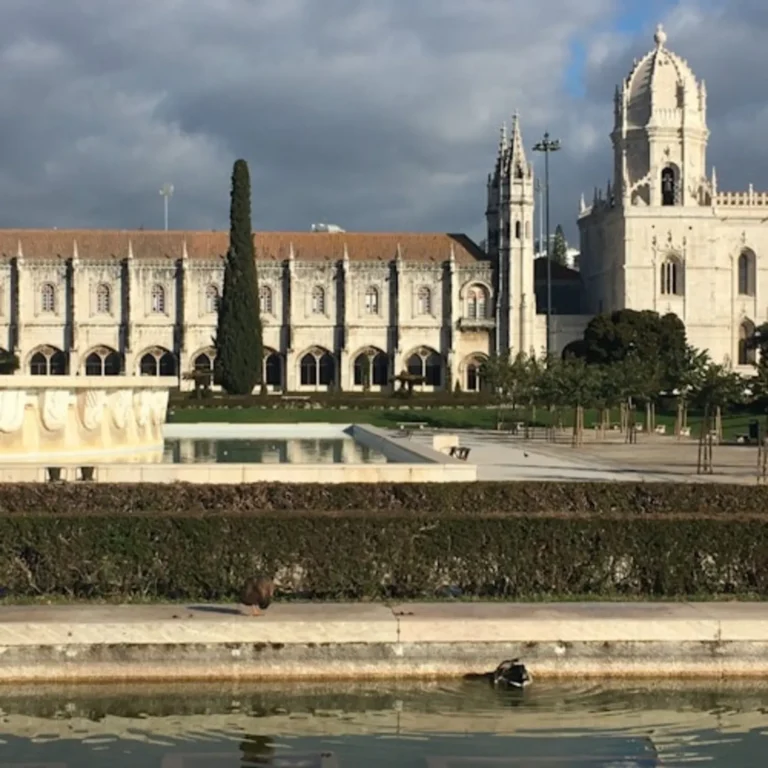
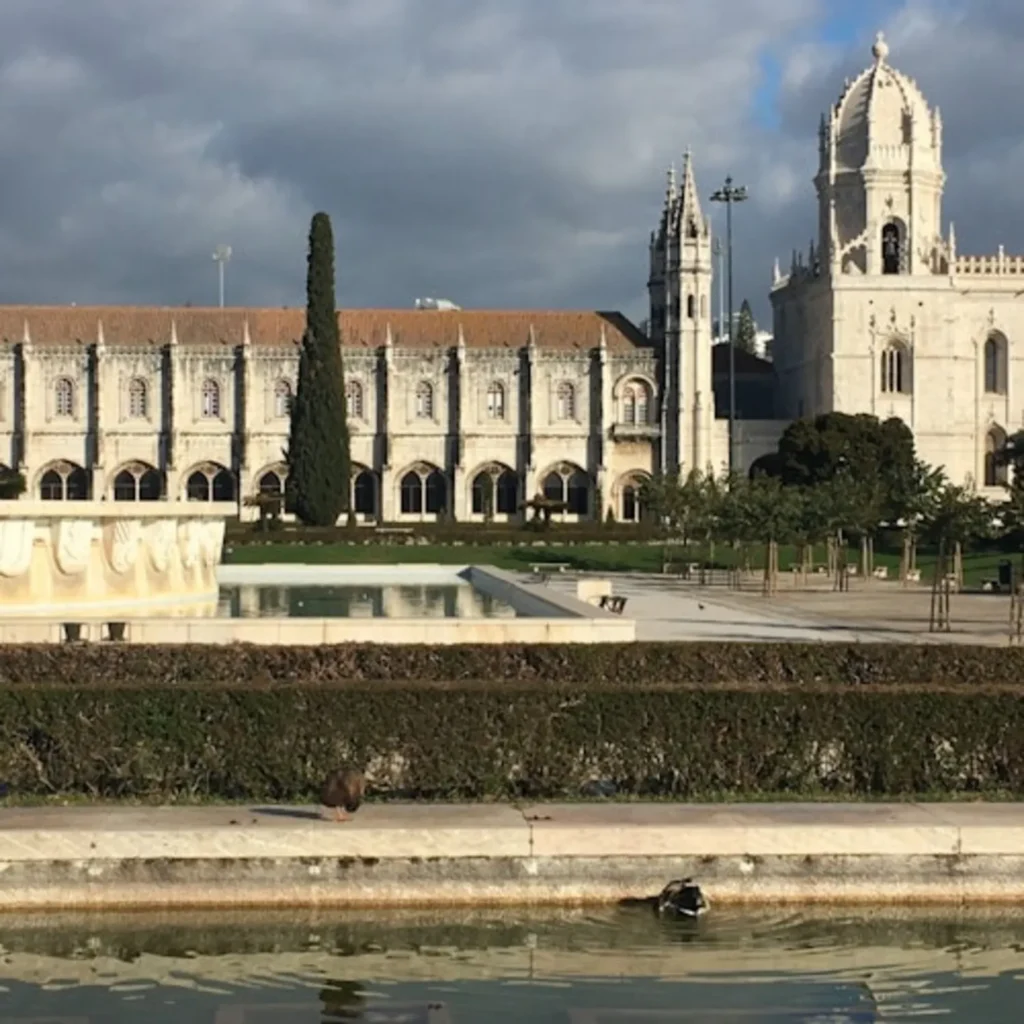
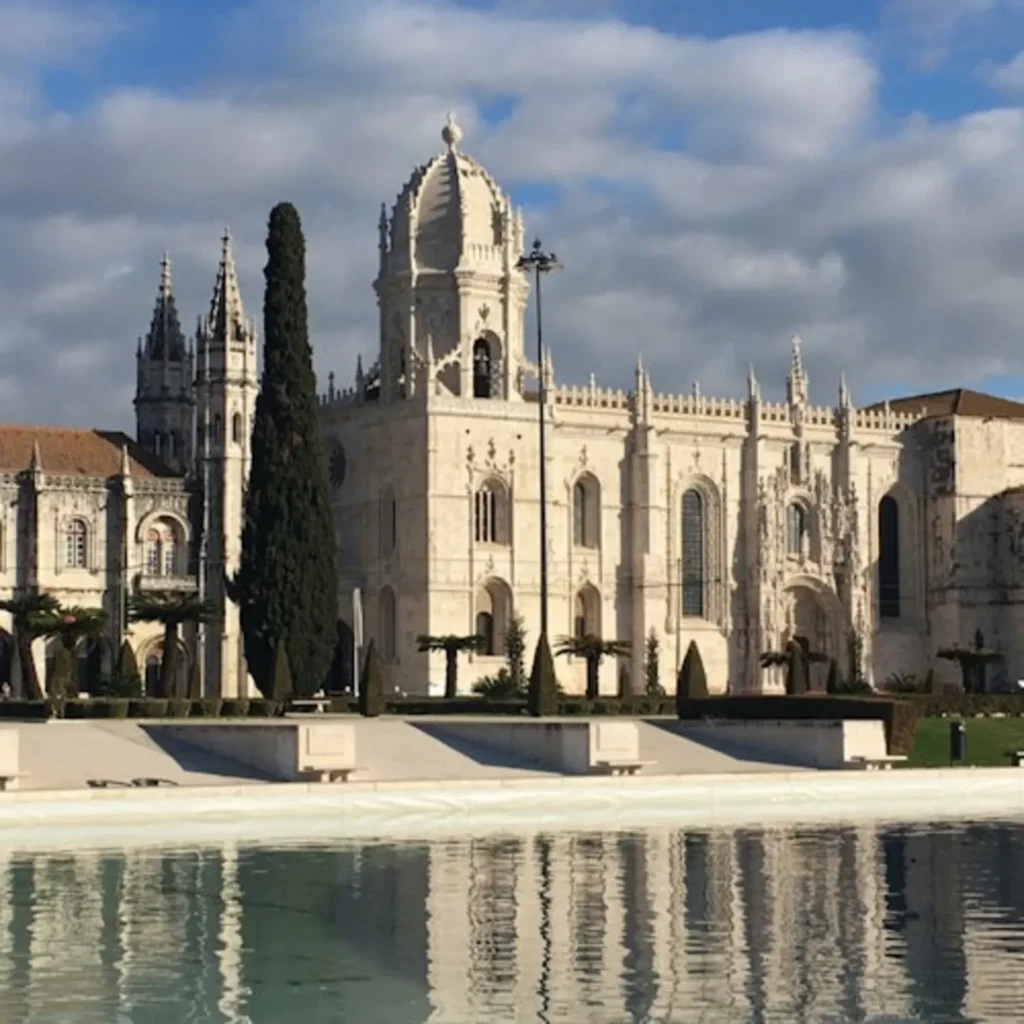
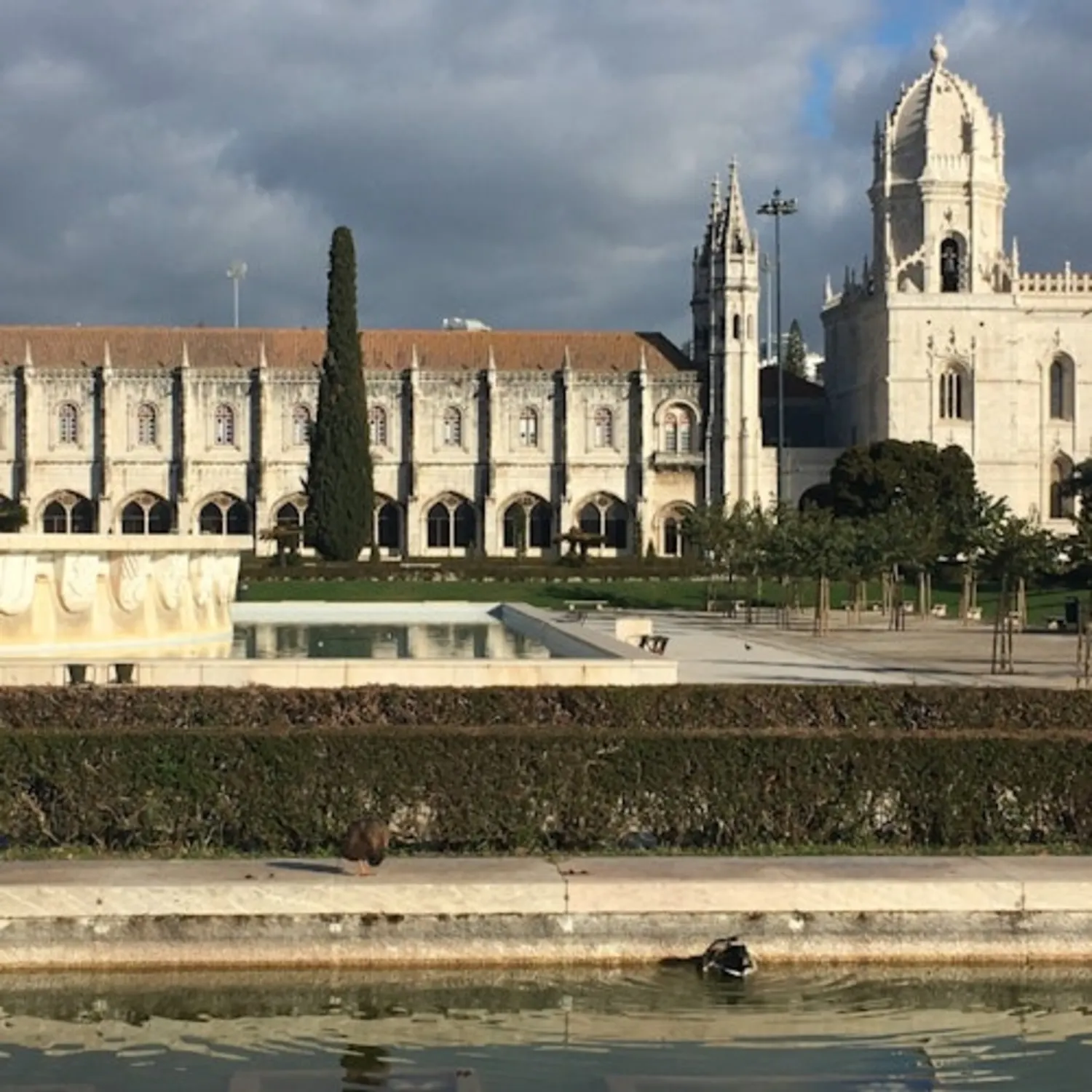
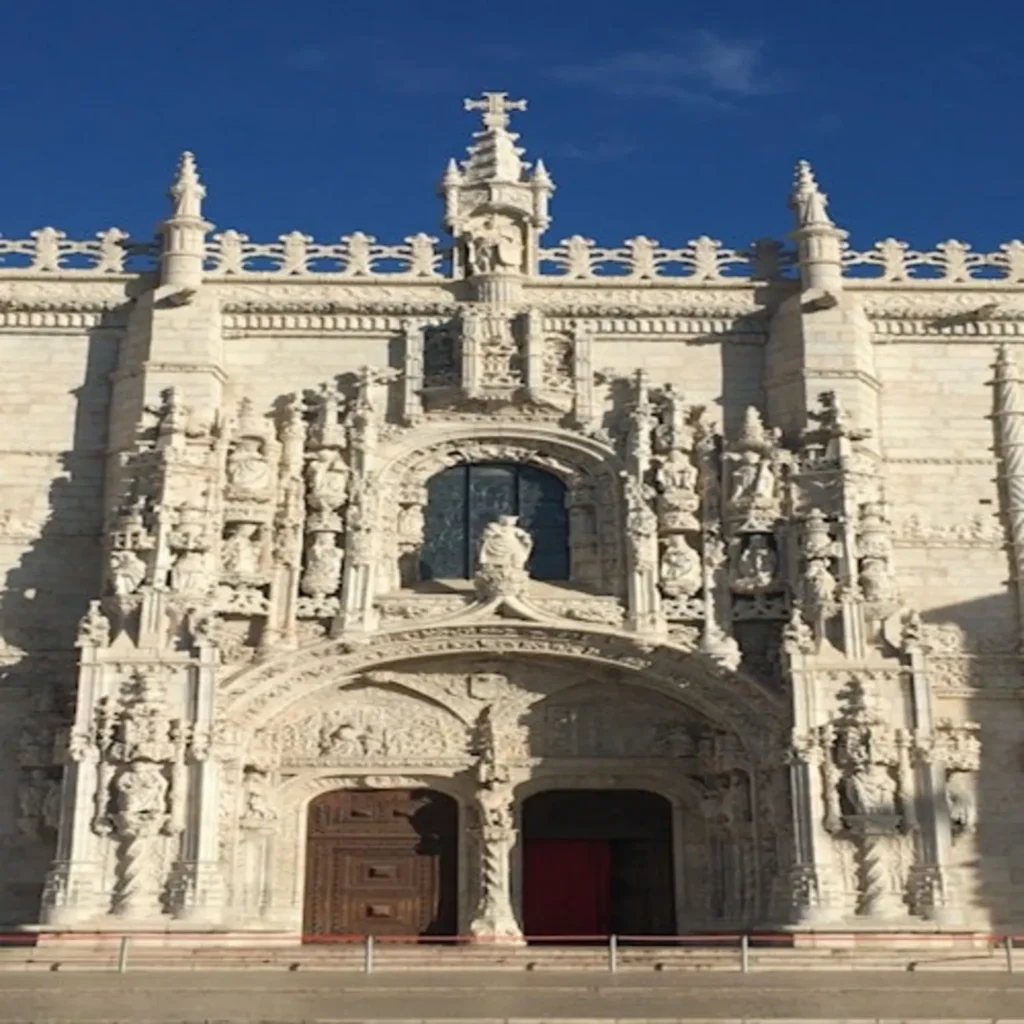
Visit to the Jerónimos Monastery

Highlights

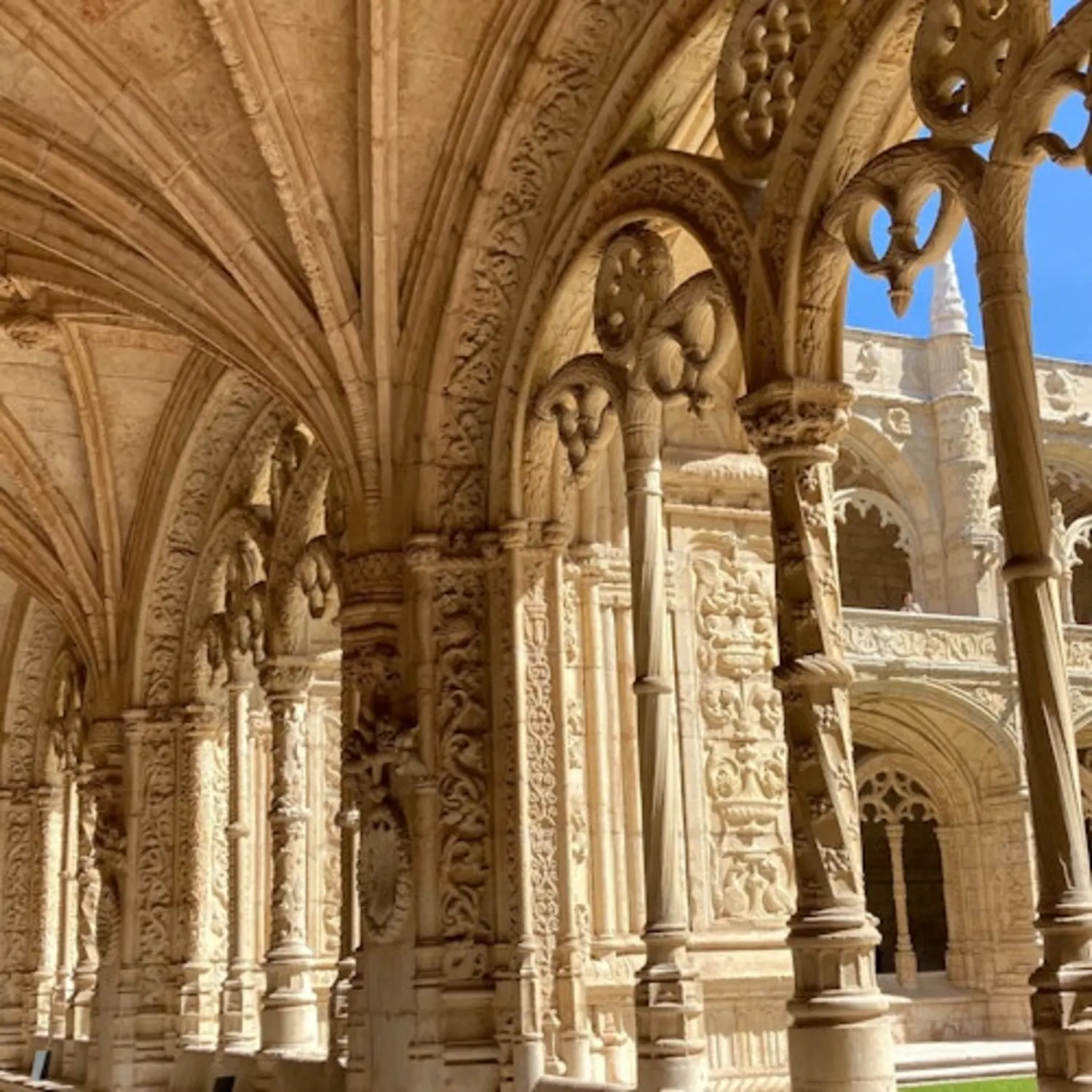
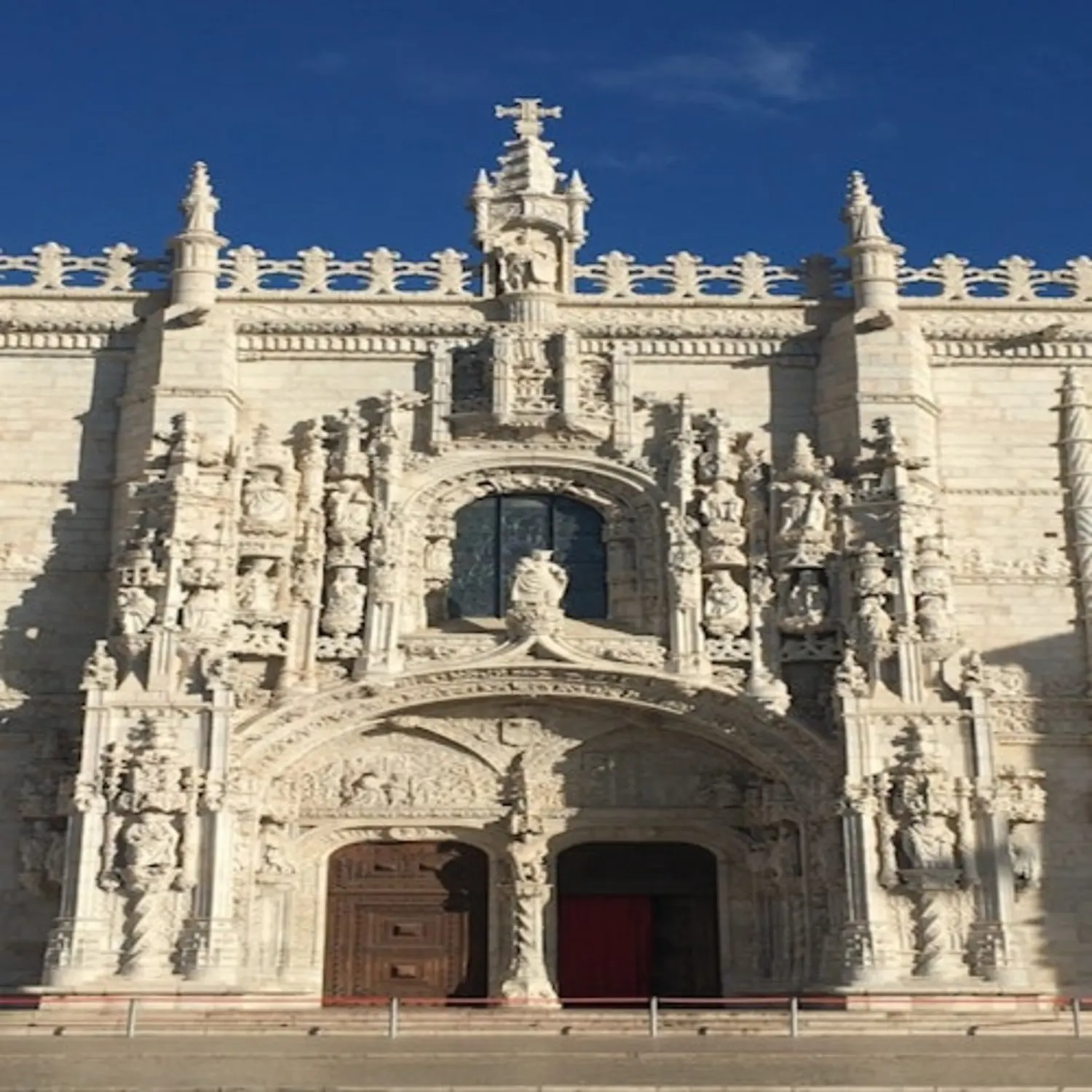
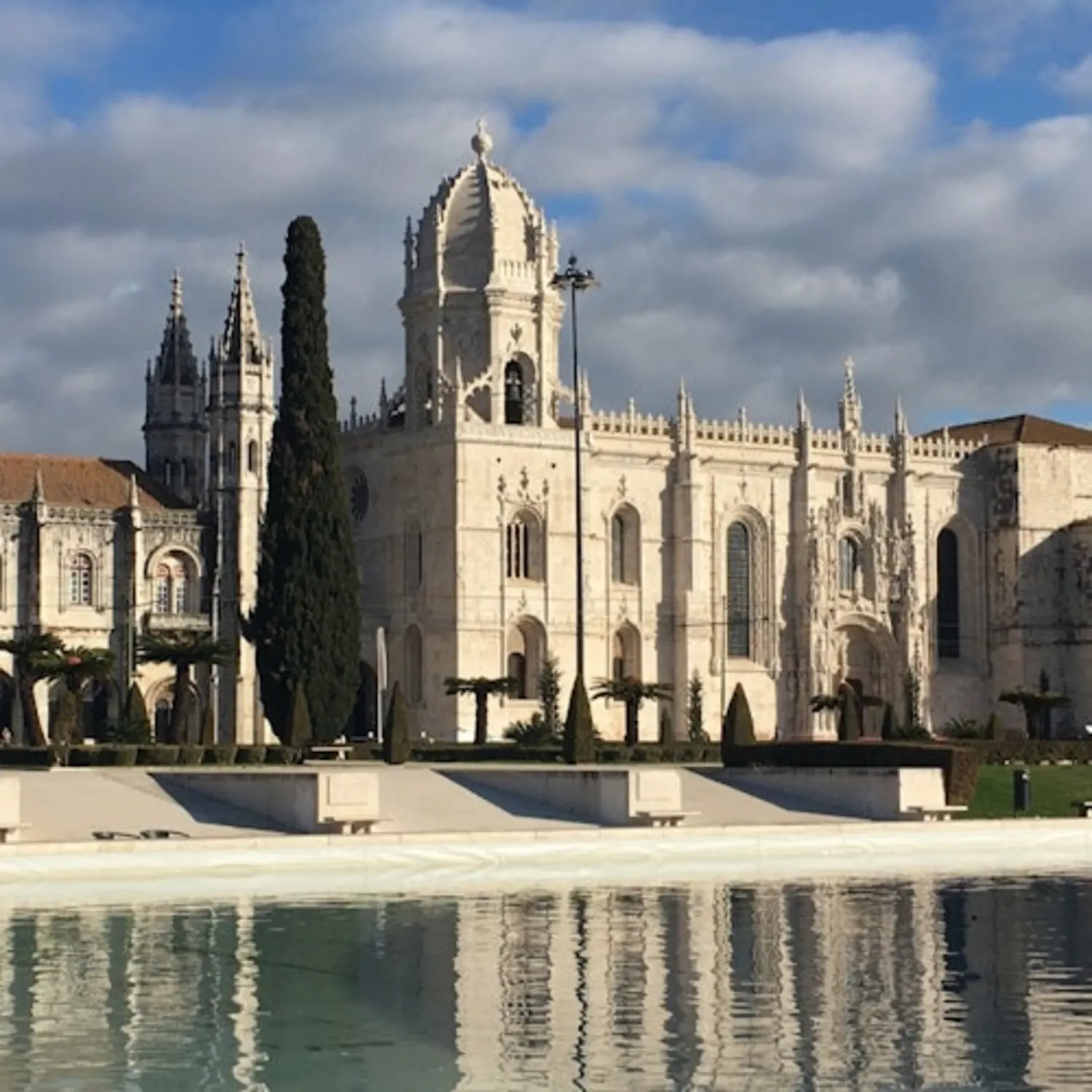
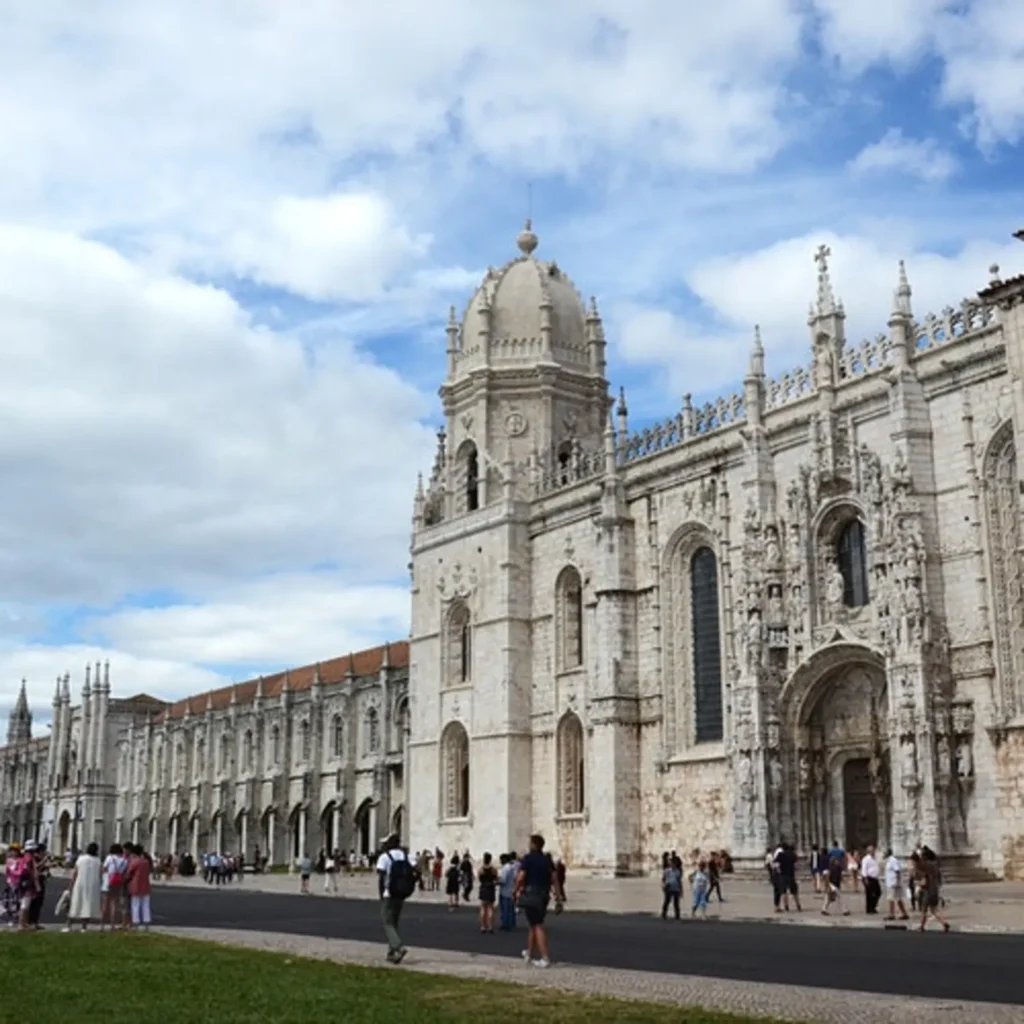
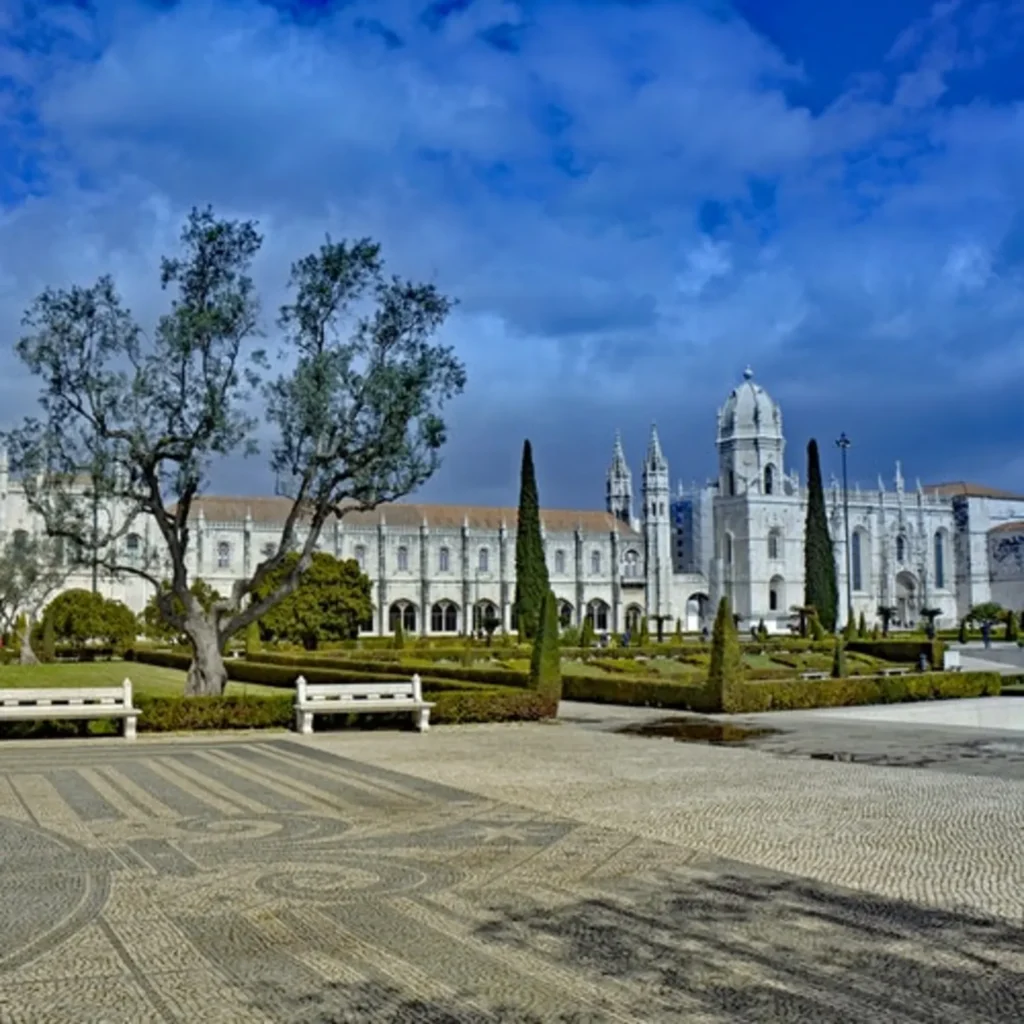
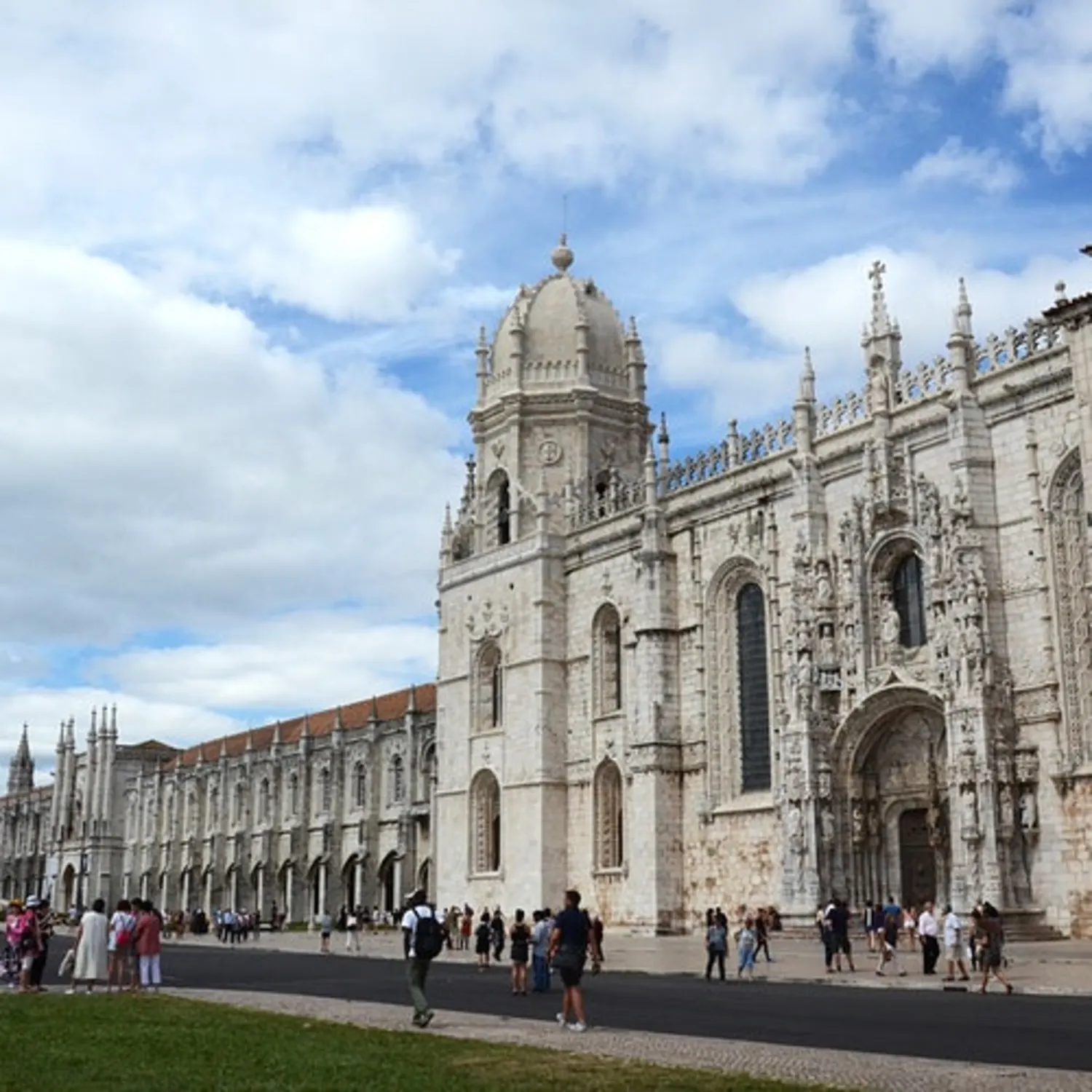
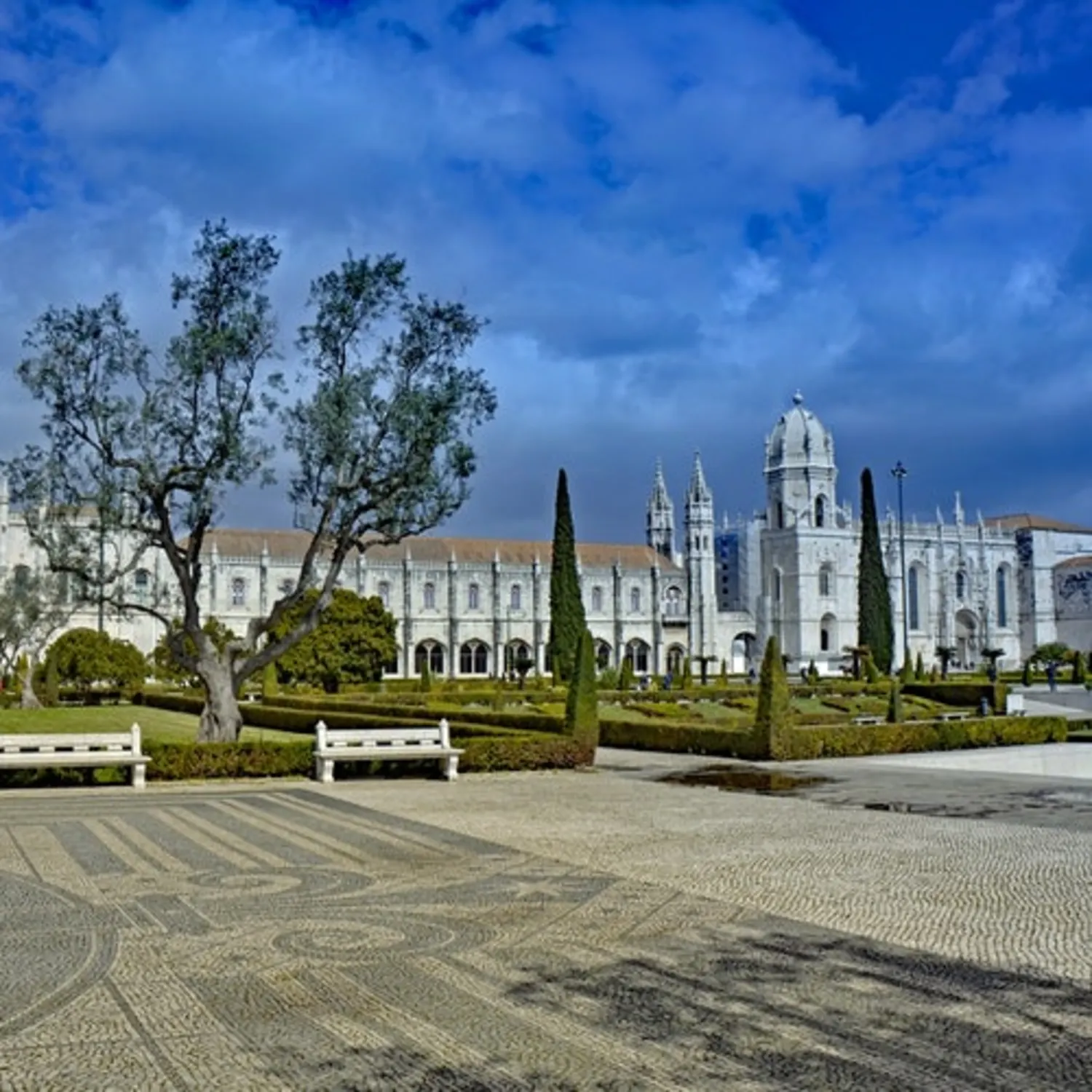
Explore a UNESCO World Heritage Site showcasing exquisite 16th-century architecture.

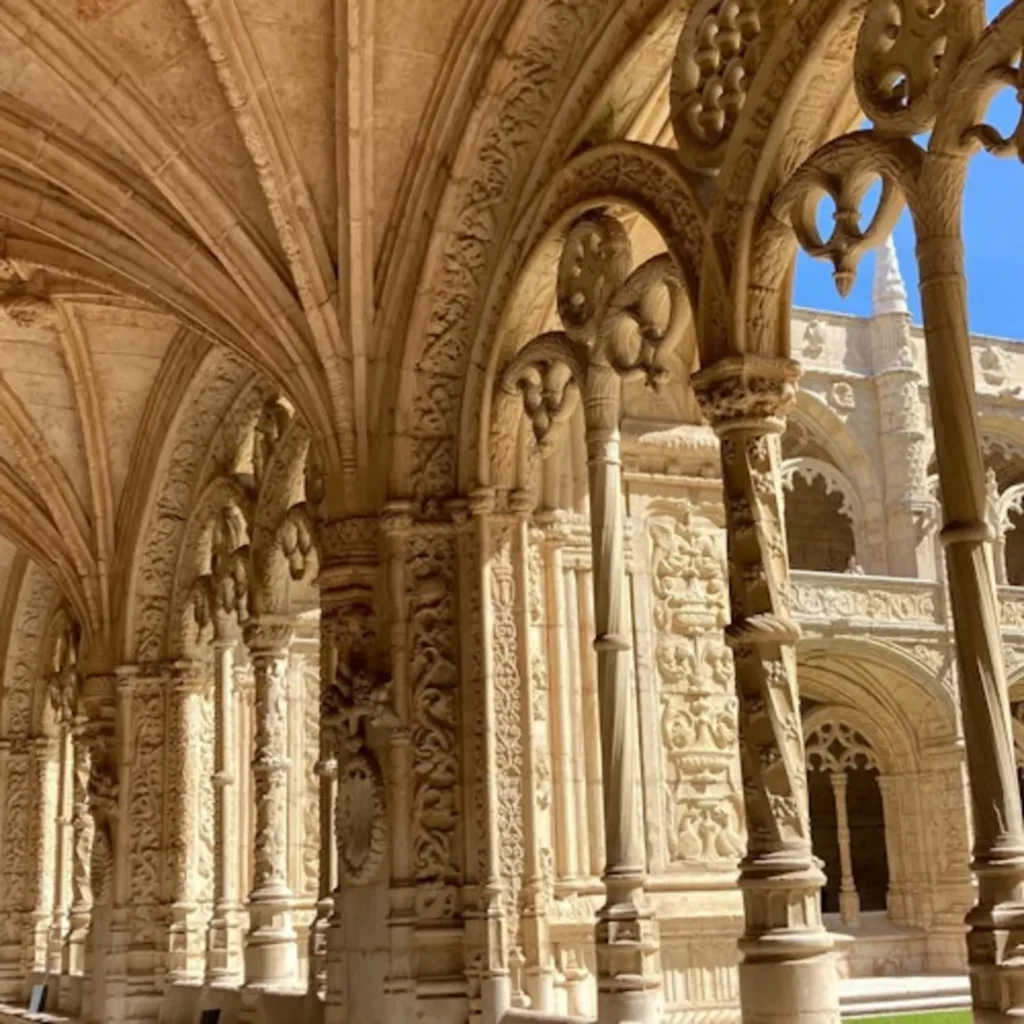
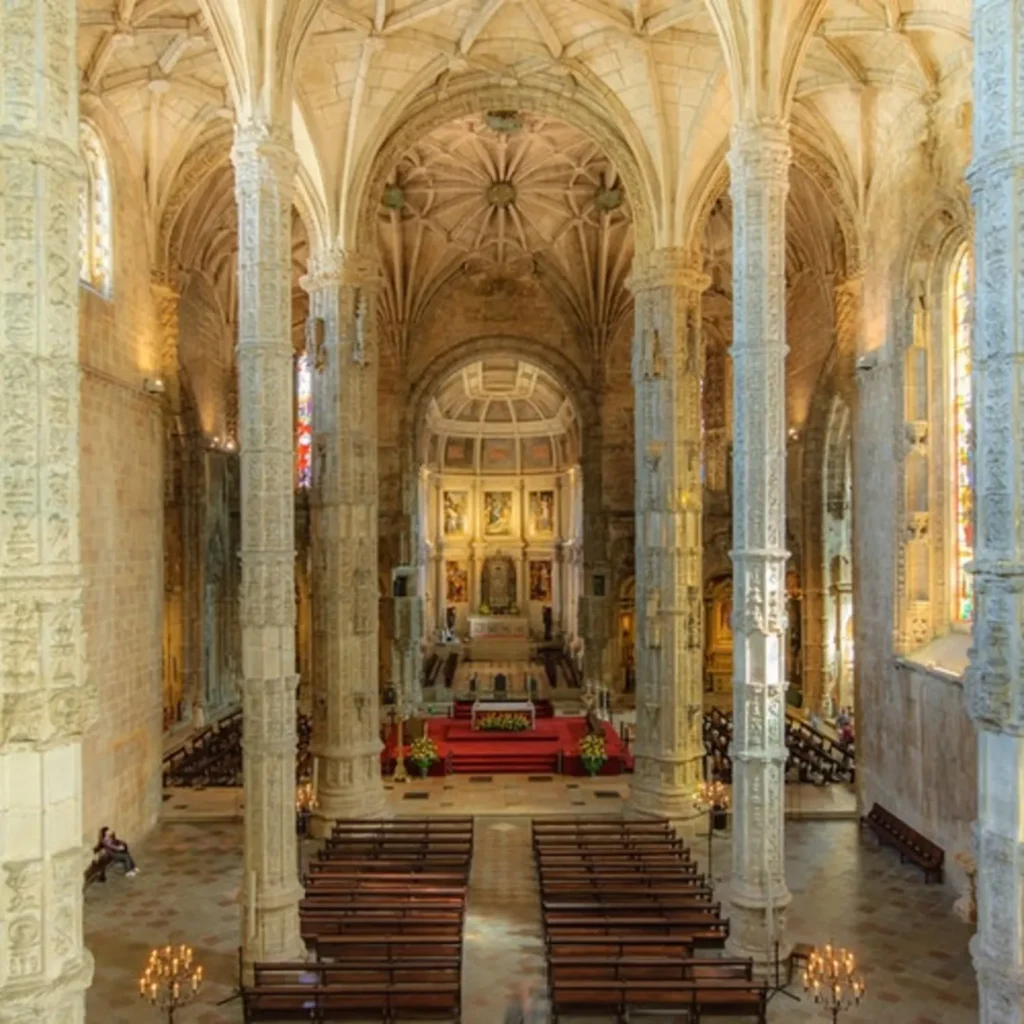
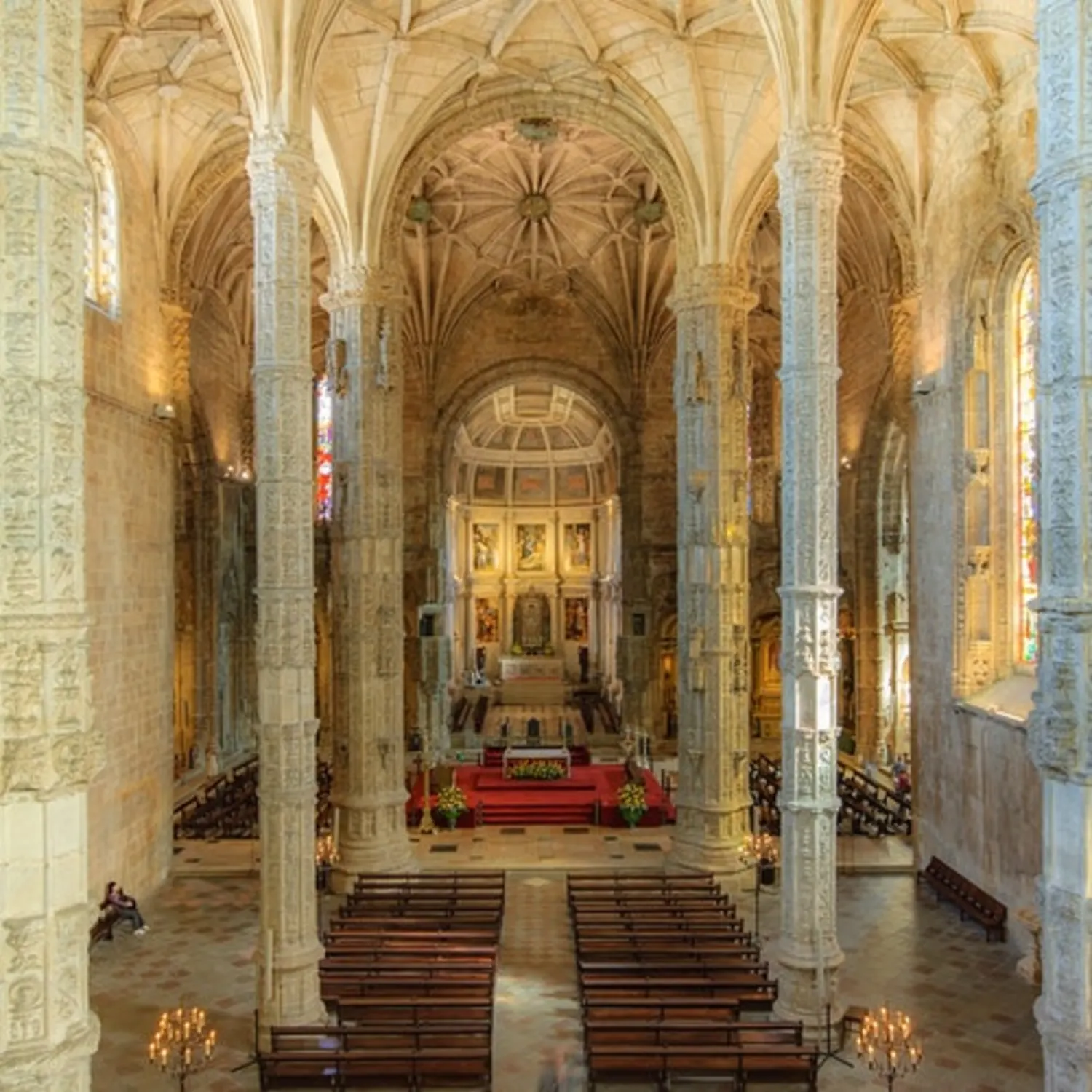
Admire the detailed frescoed vaulted ceilings.

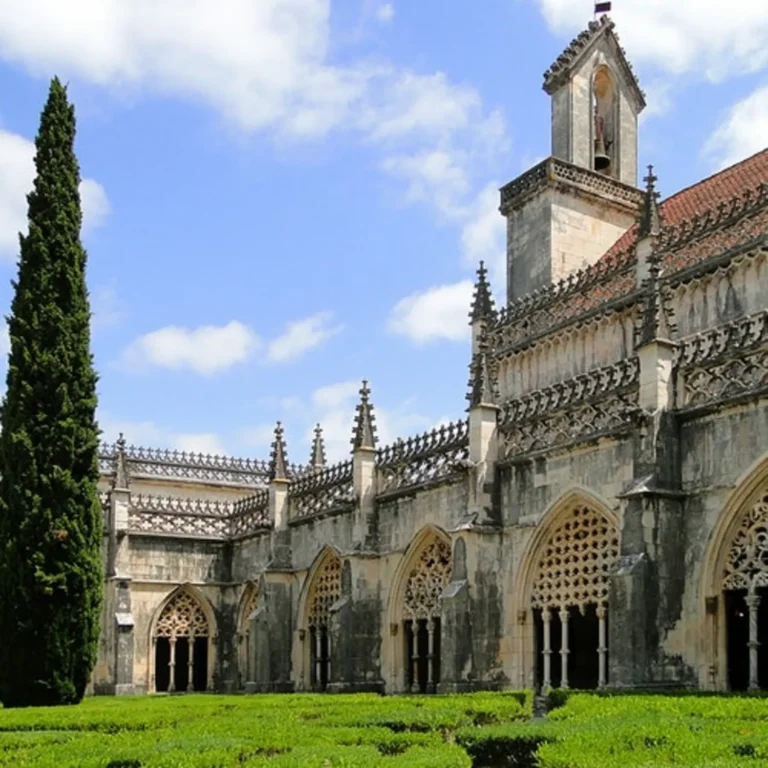
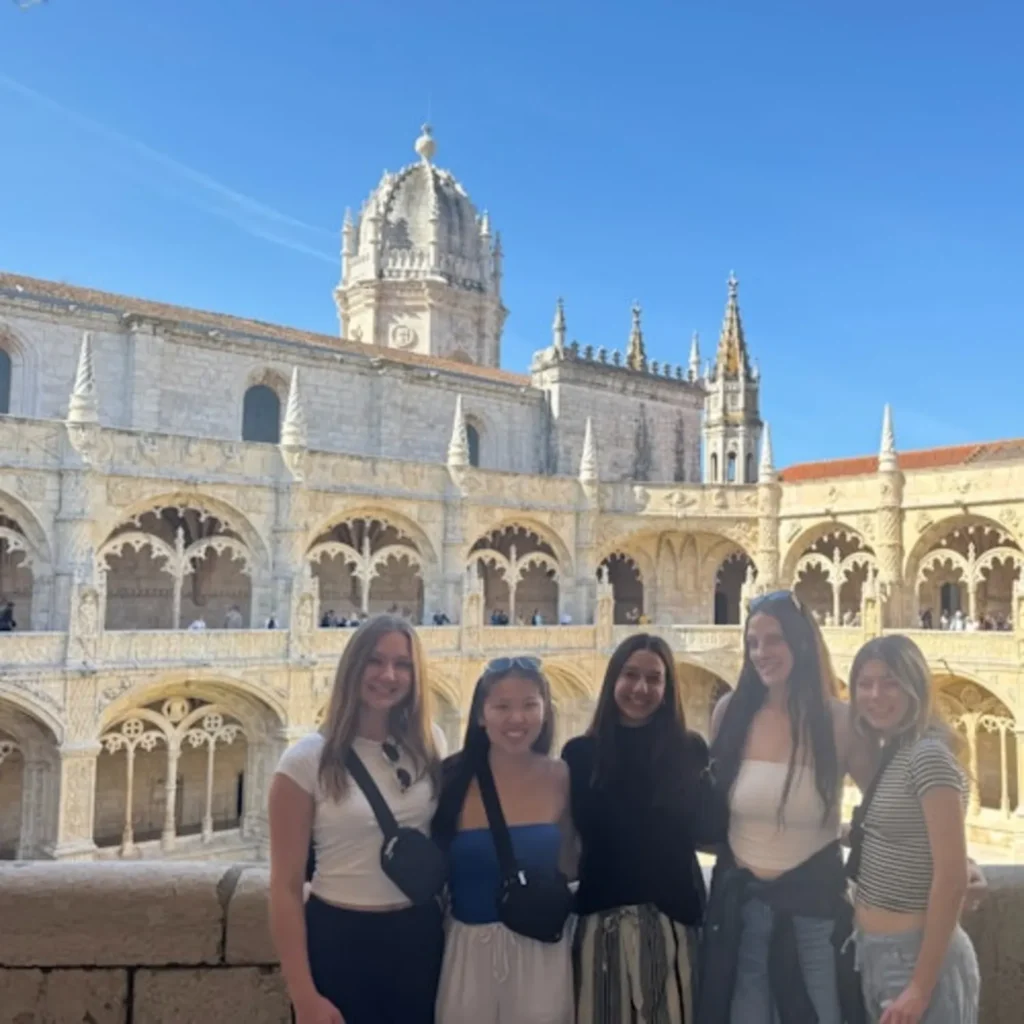
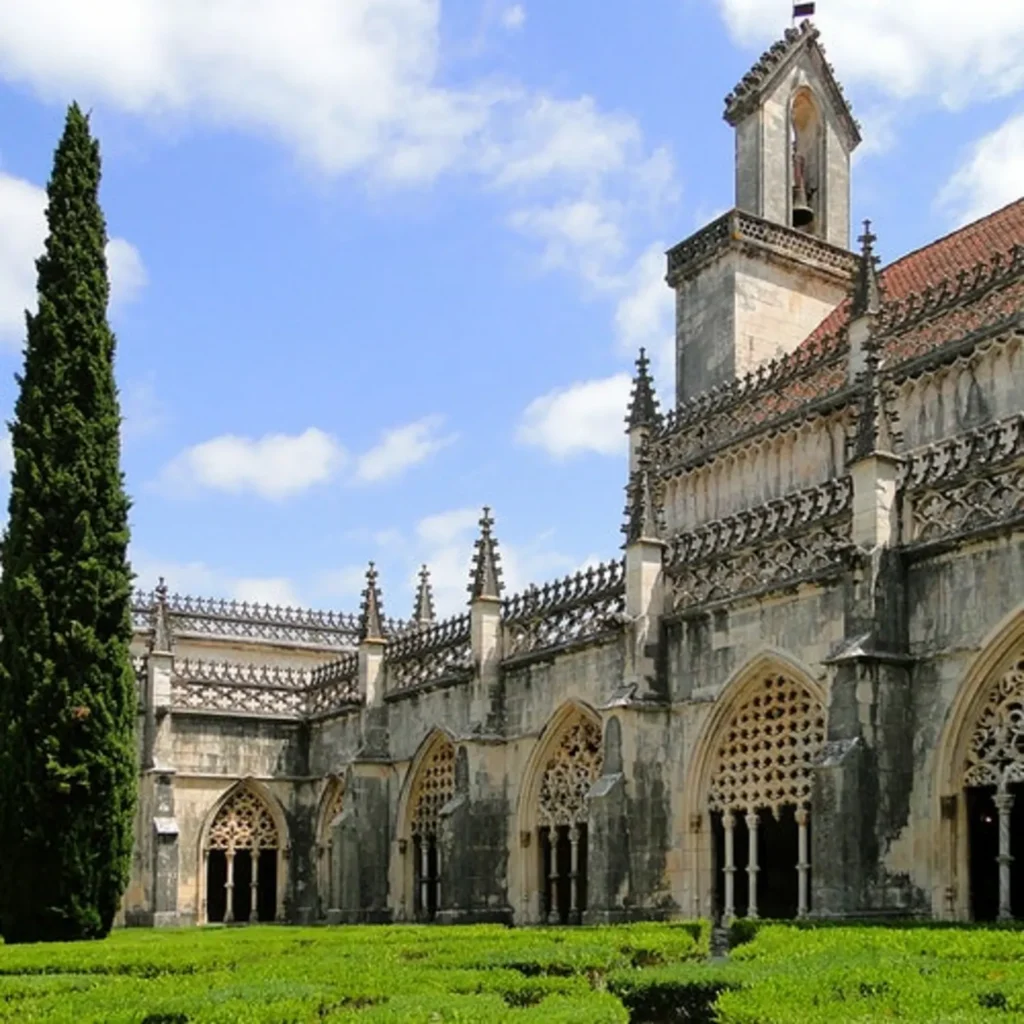
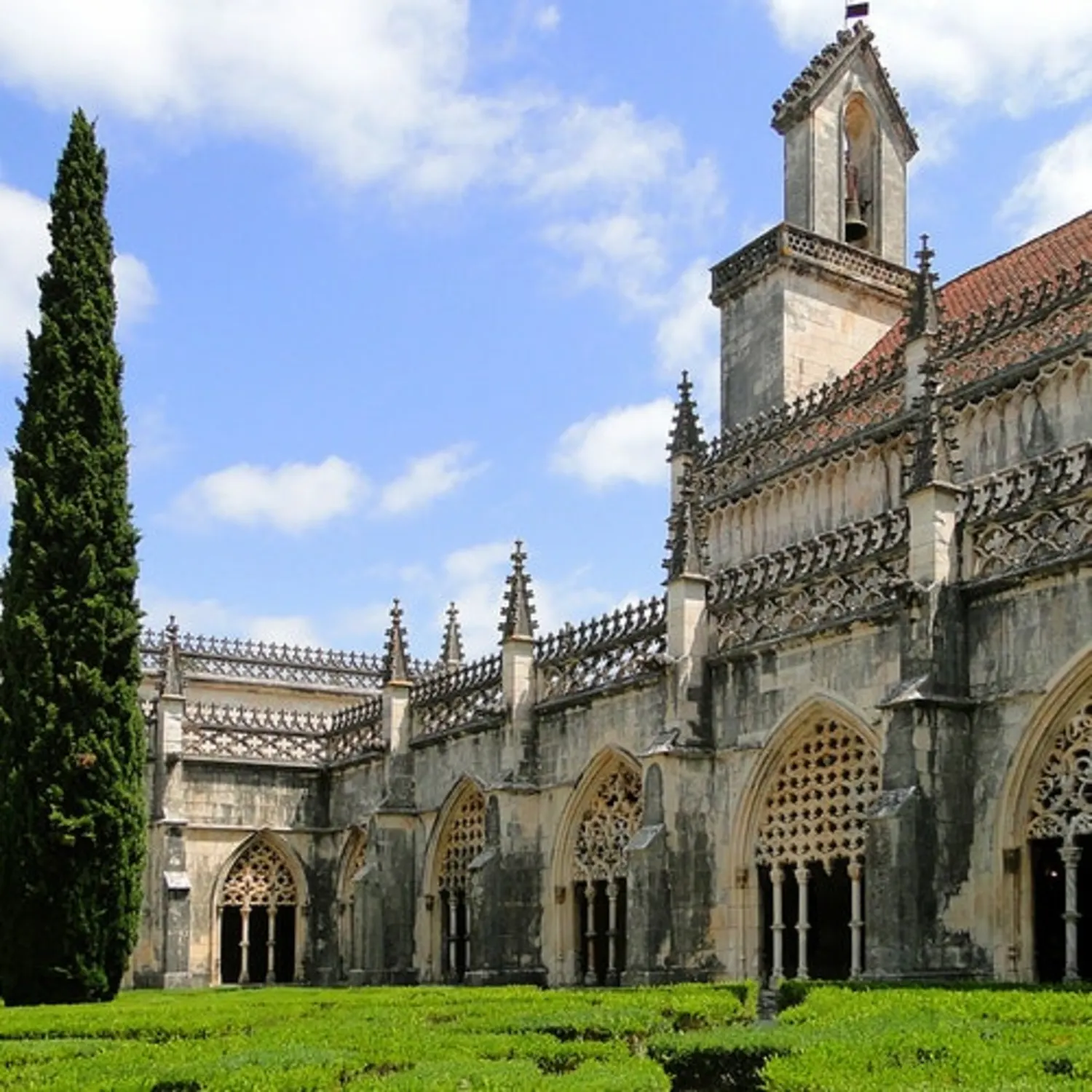
Visit the historic cloister and the monks’ former dining hall.

Enjoy spectacular views overlooking the Tagus River.

Experience a landmark that celebrates Portugal’s rich cultural heritage.

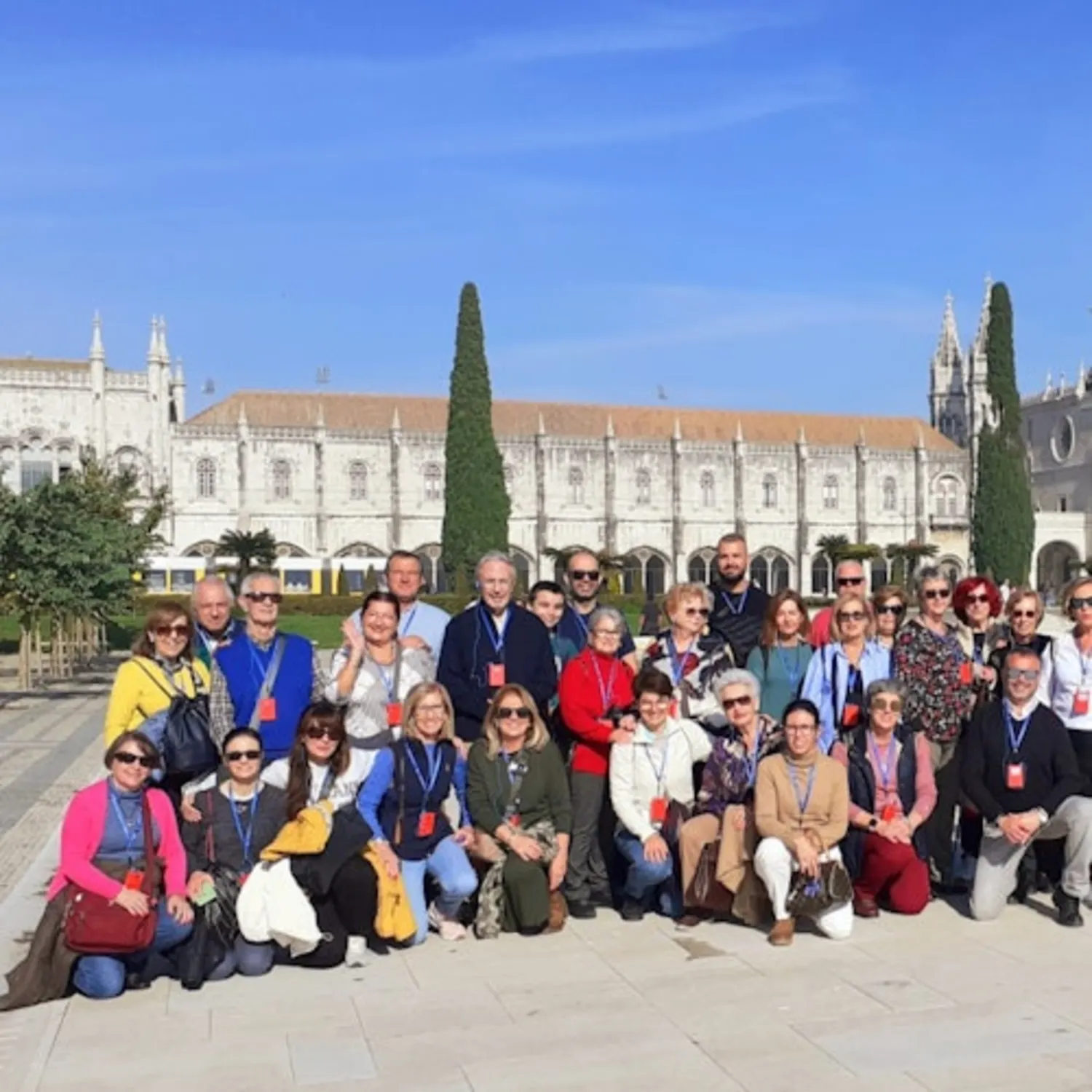
Lisbon: Guided tour of Belém + Entrance to the Jerónimos Monastery

Highlights

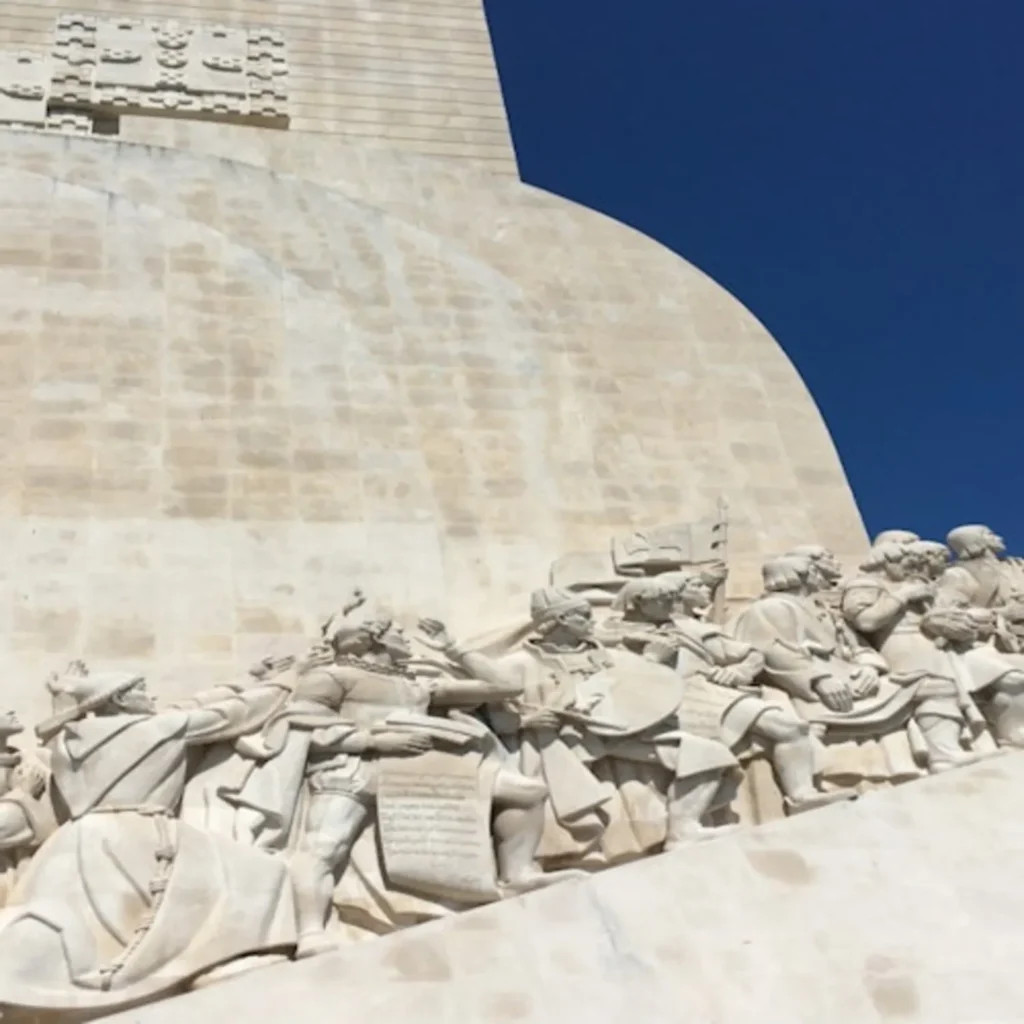
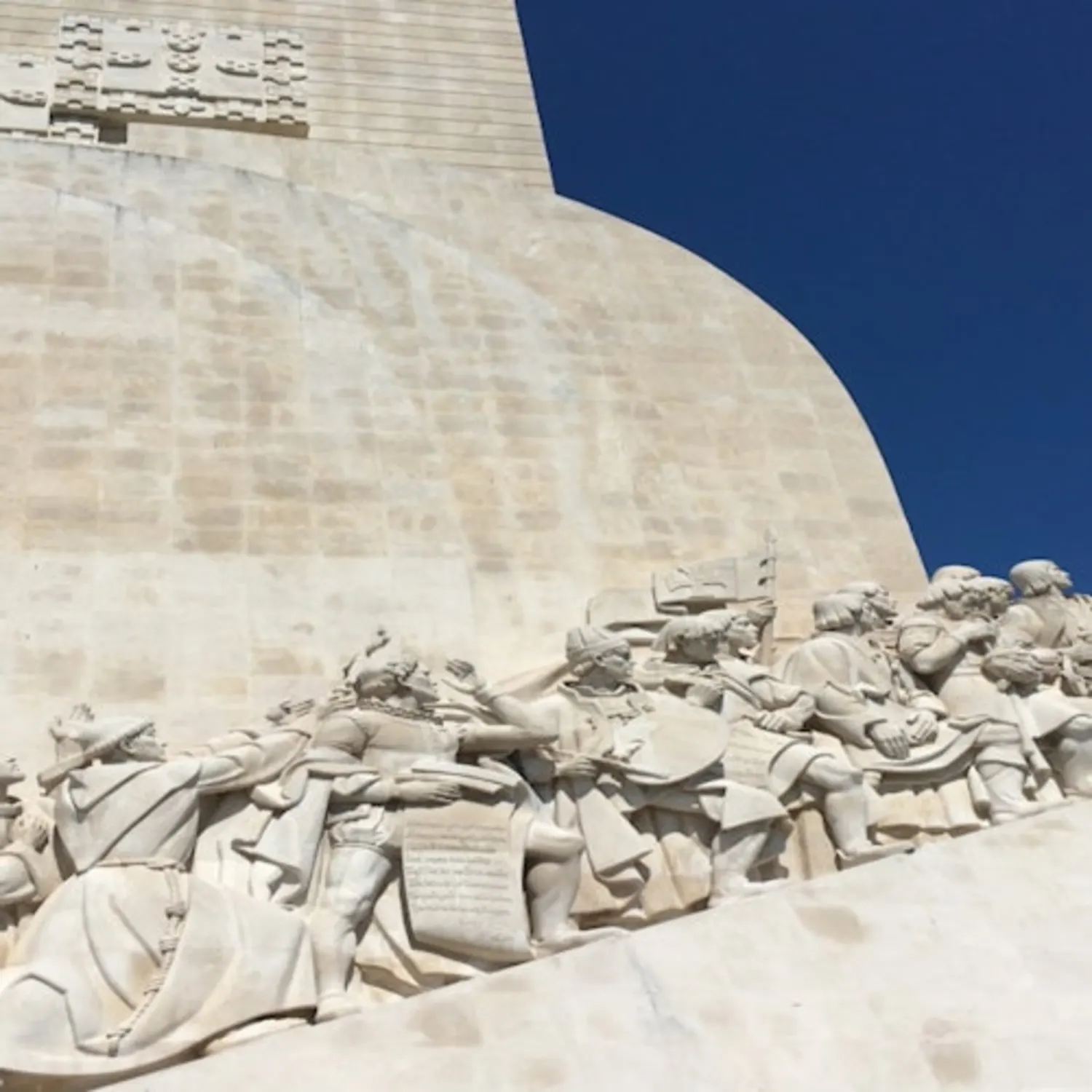
Experience a live guided walk focusing on significant sites from Portugal’s Age of Discoveries.

Visit the renowned Jerónimos Monastery with in-depth commentary on its Gothic features.

Stop at the famous Pasteis de Belém bakery to sample its iconic custard tarts.

Enjoy photo opportunities at notable monuments throughout the tour.

Receive personalized tips to enhance your Lisbon itinerary.

Lisbon Religious Sites: Experience Historic Lisbon Monasteries and Sanctuaries

The spiritual landmarks of the capital reflect its deep historical transitions, from early Crusader history to the wealth of the global spice trade. Visitors can explore grand late-Gothic monasteries featuring highly detailed stone cloisters and peaceful inner courtyards originally built during the Age of Discovery. The city's oldest fortress-like cathedral stands in the steep, narrow streets of the Alfama district, continuing to serve as both an active house of worship and a monument to the city's early foundations.

FAQs about Lisbon Religious Sites

What is the history behind Lisbon's oldest churches and monasteries?

Most of the city's spiritual landmarks date back to either the medieval era or the age of maritime exploration, reflecting centuries of changing architectural styles. They often served as protective fortifications or grand monuments built using wealth from historic global trade routes.

Are Lisbon's historic religious buildings open to the public every day?

Opening schedules vary by location, as some historic monasteries close on Mondays for routine conservation work while others restrict tourist entry on Sundays. It is recommended to check the specific weekly operating hours of each venue before organizing your itinerary.

Do the major sanctuaries in Lisbon still hold active services?

Yes, despite their popularity as historical landmarks, many of these prominent sites still function as active houses of worship for local communities. Visitors should remain mindful that certain areas may be temporarily restricted during scheduled weekend masses or ceremonies.

Is there a specific dress code for entering Lisbon's religious sites?

While there is rarely a strict door check, visitors are expected to dress respectfully by ensuring their shoulders and knees are covered when entering the main sanctuaries. It is also standard practice to remove hats and sunglasses once inside the buildings.

Where are the primary religious monuments located in Lisbon?

These landmarks are spread across different historic districts, meaning you will need to travel between neighborhoods to see them all. The city's oldest cathedral stands in the steep hills of Alfama, while the grand maritime monastery is located along the waterfront in Belém.

Can you take photos inside Lisbon's chapels and cloisters?

Photography for personal use is generally welcome throughout the main cloisters and public nave areas of these properties. However, flash photography, tripods, and filming during active prayer services are strictly prohibited to maintain an atmosphere of respect.

Are these ancient religious structures accessible for travelers with limited mobility?

The ground floors, main naves, and central courtyards of these historic venues are usually straightforward to navigate. However, reaching the higher choirs, towers, or upper terraces typically requires climbing original stone stairs that are often narrow and steep.

What is the difference between a cloister and a nave in Portuguese architecture?

The nave is the large central hall of the church where the public gathers for traditional worship and religious ceremonies. The cloisters are peaceful, enclosed inner courtyards featuring detailed arched architecture that were historically reserved for monastic reflection.

How much time should I plan to spend during a visit to a major monastery?

Most travelers allocate between one and two hours to fully appreciate the grand architecture, detailed stonework, and interior chapels. This provides ample time to read the historical information plaques and explore both the main halls and the adjoining courtyards.

Is English widely used for the exhibits inside Lisbon's religious landmarks?

Yes, the major historical properties provide educational signage, brochures, and digital information in multiple languages, including English. This helps international visitors understand the complex architectural history, royal tombs, and cultural significance behind each structure.

Do the historic religious venues provide luggage storage or cloakrooms?

These properties do not have onsite cloakrooms or storage lockers for oversized backpacks or suitcases due to space and security constraints. It is best to utilize luggage storage hubs in the city center or at nearby transport stations before arriving at the gates.

This website sells official tickets for this venue. Please note, however, that it is not the official website of the venue.

The images and videos on this website may contain visual elements that have been created or enhanced using AI technology. They are provided for illustrative purposes only.