We are processing your request.
Please, don't close or refresh the page.

Lisbon Cathedral: Tickets and Info

This website offers official tickets for this venue. Please note, however, that it is not the official website of the venue.

Smartphone tickets

Smartphone tickets

Why wait?

Priority Access Available

Instant confirmation

Instant confirmation

Smartphone tickets

Smartphone tickets

Everything you need, right in your pocket!
Why wait?

Why wait?

Skip the line and get priority access
Instant confirmation

Instant confirmation

Receive your tickets seconds after your purchase

Experience not found.

Lisbon Cathedral

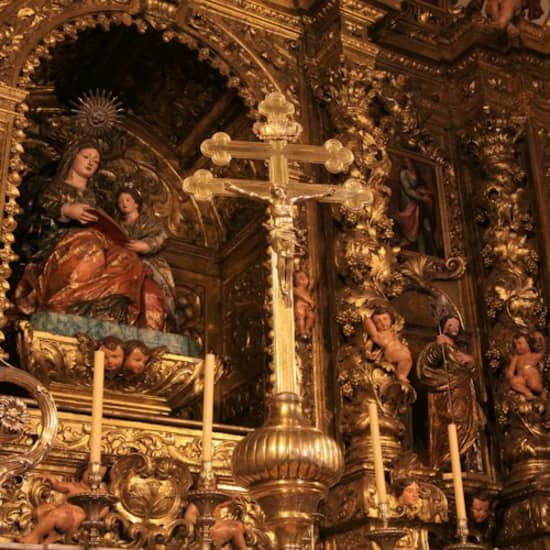
Lisbon Cathedral, also known as Sé de Lisboa, stands as the oldest church in Portugal’s capital, blending Romanesque, Gothic, and Baroque styles within its historic walls. Built on the site of a former mosque after the 1147 Siege of Lisbon, this iconic landmark offers visitors a unique opportunity to explore centuries of religious and architectural heritage. Discover the cathedral’s remarkable features, including sacred relics and stunning views from the choir loft. Secure your tickets today to experience this national monument firsthand and immerse yourself in Lisbon’s rich cultural past.

About Lisbon Cathedral

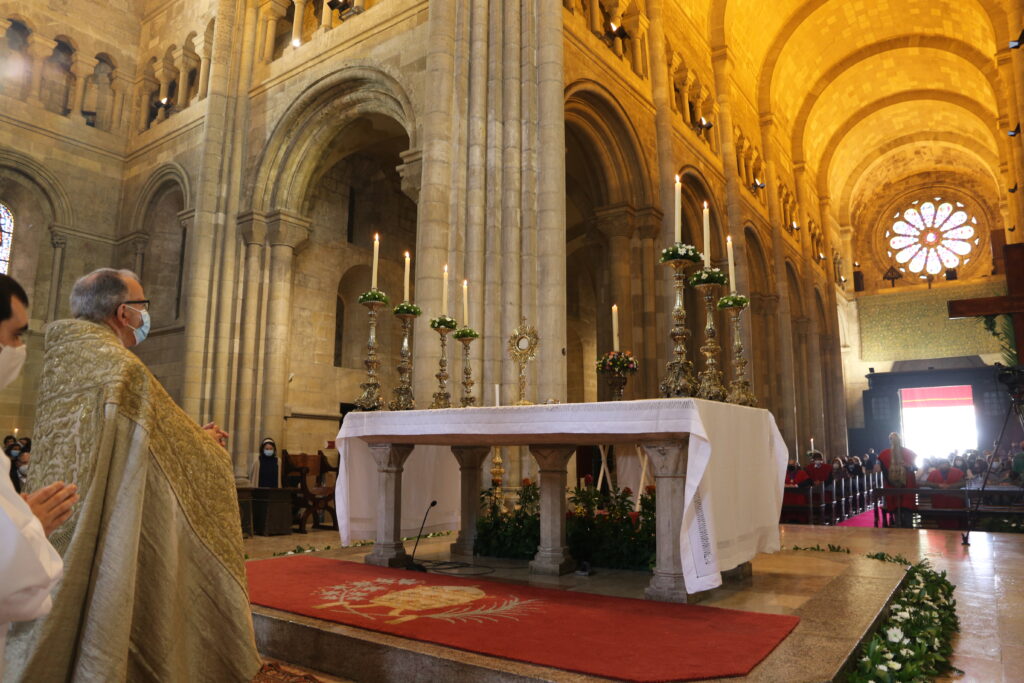
Lisbon Cathedral, also known as the Cathedral of Saint Mary Major or Sé de Lisboa, is the oldest and most historically significant church in Portugal’s capital. Established in 1147 on the site of Lisbon’s former main mosque following the Siege of Lisbon, it has served as a religious and cultural landmark for nearly nine centuries. The cathedral has witnessed numerous architectural changes blending Romanesque, Gothic, and Baroque elements, reflecting its resilience through earthquakes and centuries of history.

It holds deep spiritual importance as the seat of the Patriarchate of Lisbon and preserves precious relics, including those of Saint Vincent of Saragossa and Saint Anthony’s baptismal connections. Its Treasury Museum houses one of Portugal’s most magnificent liturgical artifacts, the Patriarchal Monstrance, making the cathedral a vital destination for visitors interested in history, art, and religious heritage.

Founded: Construction began in 1147
Annual Visitors: Approximately 350,000
Architectural Styles: Romanesque, Gothic, Baroque
Status: Portuguese National Monument since 1910

Why Visit Lisbon Cathedral?

Discover a Chronicle of Lisbon’s History

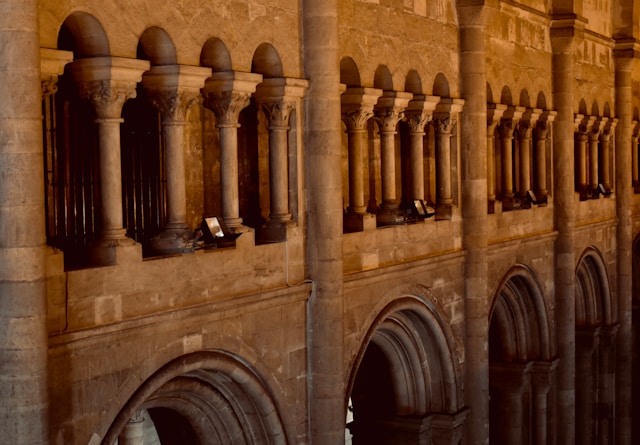
As the city's oldest church, consecrated in 1147, the Cathedral stands as a physical timeline of Lisbon. Visitors can trace its architectural evolution from its original Romanesque fortress-like structure, built atop a former mosque, through subsequent Gothic additions and Baroque embellishments.

Explore the Ancient Romanesque Architecture

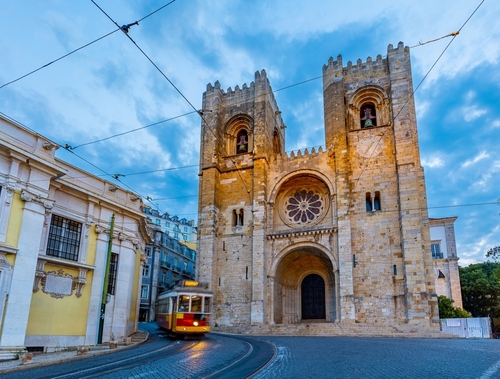
The Cathedral's imposing twin-towered facade is one of the most significant surviving examples of Romanesque style in Portugal. Its sturdy, fortified appearance reflects its origins as both a place of worship and a defensive structure built during the Christian Reconquista.

See the Gothic Cloister and Archaeological Digs

Behind the main body of the church lies a serene 14th-century Gothic cloister, offering a peaceful contrast to the main nave. Beneath the courtyard, ongoing archaeological excavations reveal layers of the city's past, including Roman and Visigothic ruins, offering a unique glimpse into the Cathedral's foundations.

Witness the Baptism Site of Saint Anthony

The Cathedral holds special significance as the location where Saint Anthony of Padua (Fernando de Bulhões) was baptized in 1195. A small, venerated chapel or font within the church marks this important spiritual connection to one of the Catholic Church's most popular saints.

Visit the Treasury and Relics

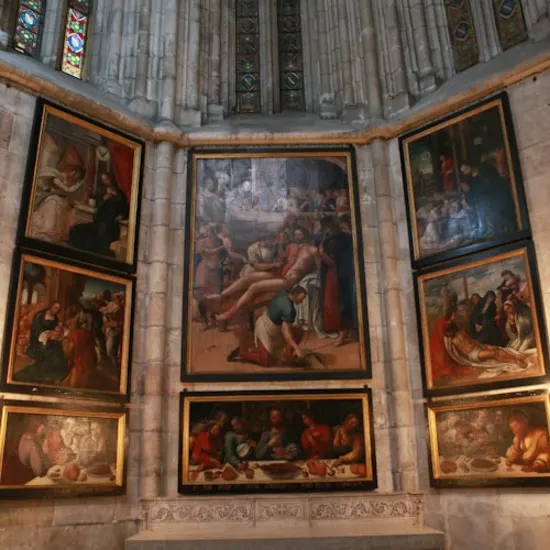
The Cathedral's upper-level Treasury (Tesouro) houses a collection of valuable liturgical vestments, manuscripts, and sacred art. It also protects several important relics, including those associated with Saint Vincent of Saragossa, the patron saint of Lisbon.

Timings

Lisbon Cathedral (Google Maps)

November to March
Monday to Saturday: from 10.00 am to 6.00 pm

April to October
Monday to Saturday: from 9.30 am to 7.00 pm

Sundays and Holy Days: closed
(Christmas Day and New Year’s Day: closed)

How to Get There?

The Lisbon Cathedral is centrally located in the historic Alfama district, immediately above the Praça do Comércio and the Tagus River. Due to its position on a steep hill and the narrow surrounding streets, public transport or walking is highly recommended.

Address: Largo da Sé, 1 1100-585 Lisboa, Portugal

The tram is the most direct and scenic route to the Cathedral, stopping right at the "Sé" stop.

Tram 28E (Elétrico 28): This is the famous, classic Lisbon tram route that traverses the historic center. It passes directly by the Cathedral. It is often very crowded, so be prepared to stand, or board at a less busy starting point like Martim Moniz.

Tram 12E (Elétrico 12): This shorter, circular route (clockwise loop) also passes the Cathedral and offers a good alternative, particularly for those starting near Praça da Figueira or Martim Moniz.

While the Metro does not stop directly at the Cathedral, two stations are within a 10-12 minute uphill walk:

Terreiro do Paço Station (Blue Line): This is the closest station. Take the exit towards Praça do Comércio, walk toward the Arco da Rua Augusta, and then follow the tram tracks or signs up the hill (Rua da Prata / Rua Augusta) into the Alfama direction until you reach the Cathedral.

Baixa-Chiado Station (Blue/Green Lines): This station is slightly further but is located conveniently in the city centre. Exit towards the Baixa district and proceed through the flat downtown area before walking up the hill to the Cathedral.

Several Carris bus lines have stops close to the Cathedral and the surrounding squares.

Nearest Bus Stops: The stops "Limoeiro" or "Sul e Sueste" are located within a short walk.

Relevant Lines: Look for lines such as 728, 737, 759, and 760, which service the downtown area and adjacent hills. The 737 is especially useful as it connects to the Castle of São Jorge.

Lisbon Cathedral (Google Maps)

The Cathedral is located on the edge of the Baixa (downtown) district and the Alfama hill.

From Praça do Comércio: Walk directly north from the square towards the city center, then turn right onto the street that leads uphill (following the tram tracks). The walk is approximately 5-7 minutes and involves a moderate incline.

A taxi or ride-share service can drop you off directly in the Largo da Sé plaza in front of the Cathedral.

This is the fastest and most convenient option, especially for visitors with mobility issues or traveling with heavy bags.

Things to Know Before Visiting Lisbon Cathedral

Dress modestly out of respect for this active place of worship; aim to cover your shoulders and knees.

The main central nave is generally free to enter, but there is a paid ticket required to access the Cloister, Treasury, and Archaeological Site.

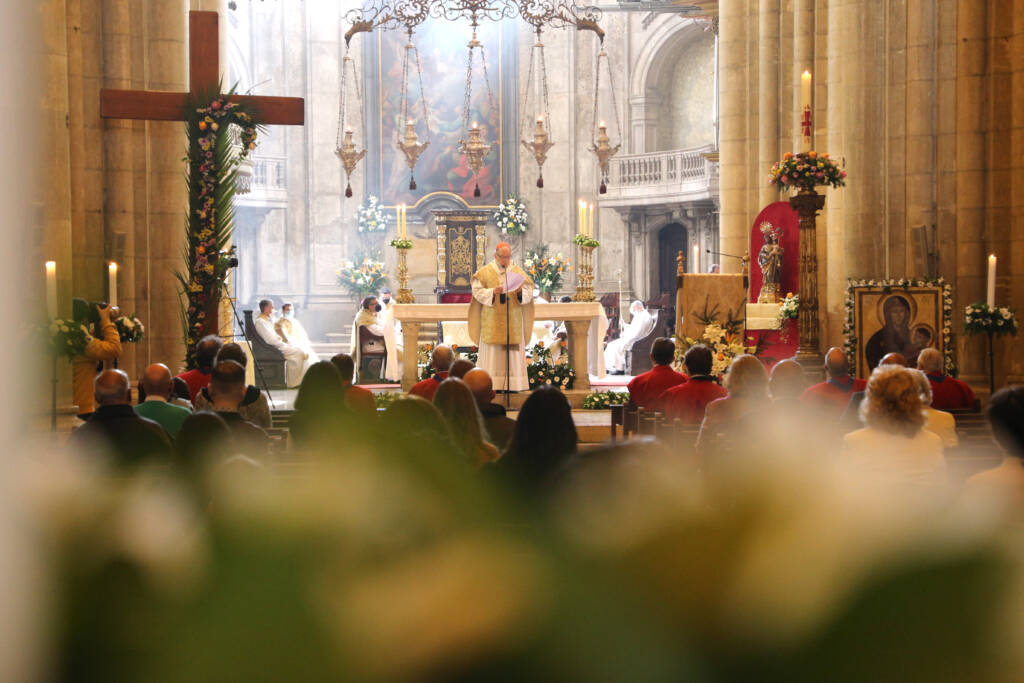
The Cathedral is closed to tourists on Sundays and Holy Days as it is entirely reserved for religious services.

Plan to arrive early in the morning, shortly after opening, to enjoy a quieter experience and avoid large tour groups.

The Lisbon Cathedral is not included in the Lisboa Card, so you will need to purchase a separate ticket for the paid sections.

Photography is usually permitted without flash, but be sure to maintain silence and respect those who are praying.

The site is located at the start of the historic Alfama district, so expect steep, uneven cobblestone streets around the building.

The most picturesque way to arrive is by taking the iconic and often crowded Tram 28E, which stops directly outside the entrance.

Allow approximately 45 minutes to one hour to comfortably explore all areas, including the Cloister and Treasury.

Be aware that the Cloister and Treasury may have limited accessibility due to steps and historic architecture.

Additional Info

As a historic place of worship, the Lisbon Cathedral provides essential facilities to ensure a comfortable visit.

Restrooms are available for visitor use within the complex.

Due to the historical nature and age of the building, the services are limited to maintain the architectural integrity of the site.

There are no expansive waiting rooms or cafes directly within the main structure.

A small, dedicated souvenir store is located within the Cathedral complex, typically near the exit.

This shop offers a selection of items that reflect the history and religious significance of the venue.

Purchases, which include postcards, small gifts, books, and religious articles, contribute directly to the ongoing conservation and safeguarding of the Cathedral's vast architectural and cultural heritage.

There are no restaurants or dedicated dining facilities inside the Lisbon Cathedral itself, as food and drink are strictly prohibited within the sacred spaces. However, the Cathedral’s central location in the Alfama district means numerous dining options are immediately available nearby.

Immediate Area: Step out onto the Largo da Sé plaza and the surrounding narrow streets to find traditional Portuguese cafes and restaurants offering coffee, pastries, light lunches, and local cuisine.

Alfama District: The surrounding historic neighborhood of Alfama is renowned for its authentic tascas (traditional eateries) and Fado restaurants, offering abundant choices for a meal before or after your visit.

Accessibility

The Cathedral makes efforts to accommodate all visitors, though its centuries-old architecture presents some inherent challenges.

Main Nave: Access to the main body of the church is generally possible for visitors using wheelchairs or those with limited mobility, often via a ramp or flat entrance point.

Paid Sections: Access to the older, ticketed areas like the Gothic Cloister, Treasury, and Archaeological Site may involve steps and uneven flooring, which can restrict access for some mobility devices. Visitors are advised to inquire at the entrance for the most accessible route or alternative viewing options.

Interesting Facts about Lisbon Cathedral

The Lisbon Cathedral, known as the Sé de Lisboa, is the oldest church in the city.

It was consecrated in 1147 by King Afonso I after the Christian reconquest of Lisbon.

The Cathedral was built on the site of a former main mosque (Aljama) during the Moorish period.

Its original architectural style is heavily Romanesque, characterized by its thick walls and imposing, fortified appearance.

The façade features two massive, crenellated towers that give it a defensive, castle-like look.

A significant 14th-century Gothic cloister, commissioned by King Dinis, is located directly behind the main chapel.

Archaeological excavations beneath the cloister have uncovered Roman, Visigothic, and Moorish foundations.

It is the site where Saint Anthony of Padua, one of the most revered Catholic saints, was baptized in 1195.

The main chapel suffered catastrophic damage in the Great Lisbon Earthquake of 1755, though the Romanesque structure largely survived.

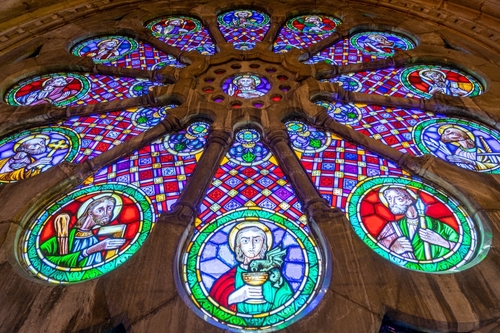
The large Gothic rose window on the main façade is a meticulous 20th-century reconstruction based on original fragments.

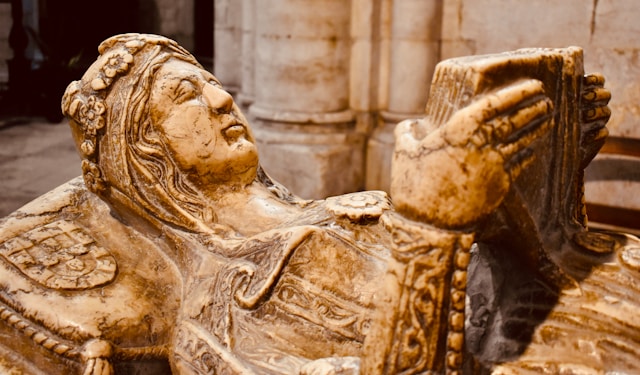
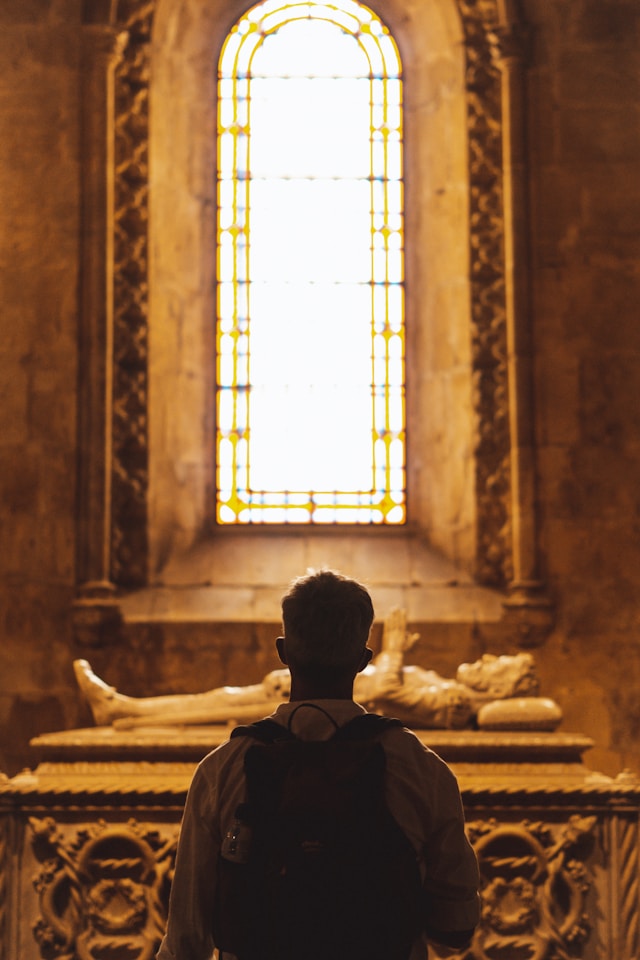
Inside, visitors can see the sarcophagi of notable figures, including the 14th-century tomb of King Afonso IV.

The Cathedral's Treasury houses valuable liturgical vestments, ancient manuscripts, and precious relics.

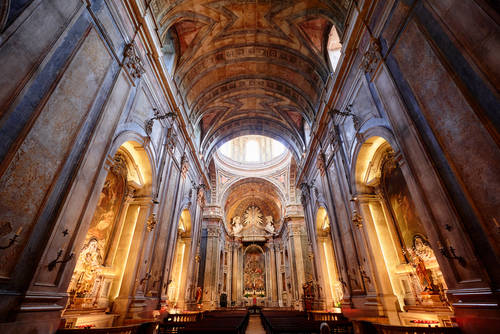
Due to numerous alterations over the centuries, the Cathedral is a mix of Romanesque, Gothic, Baroque, and Neoclassical styles.

It officially holds the title of the Metropolitan Cathedral of Santa Maria Maior, dedicated to Saint Mary Major.

The Sé is the starting point for the annual pilgrimage route in Lisbon dedicated to Saint Anthony.

FAQs about Lisbon Cathedral

What is the official name of the Lisbon Cathedral?

The official name is the Metropolitan Cathedral of Santa Maria Maior, but it is commonly known as the Sé de Lisboa.

How old is the Lisbon Cathedral?

Construction began in 1147 immediately following the Christian conquest of Lisbon, making it the city’s oldest church.

What was the building site used for before the Cathedral was built?

The Cathedral was deliberately constructed on the site of Lisbon’s former main mosque, the Aljama.

What main architectural styles are visible in the Cathedral?

The structure displays a prominent mix of Romanesque, Gothic, and Baroque styles, reflecting centuries of modifications.

Is there a cloister at the Lisbon Cathedral?

Yes, a significant 14th-century Gothic cloister is located behind the main chapel, which also features an archaeological dig.

Is the Lisbon Cathedral related to Saint Anthony of Padua?

Yes, the Cathedral holds historical importance as the site where Saint Anthony (Fernando de Bulhões) was baptized in 1195.

What special collections are kept in the Cathedral?

The Treasury (Tesouro) on the upper level houses valuable religious artifacts, including vestments, manuscripts, and relics of Saint Vincent.

Is there a cost to enter the Lisbon Cathedral?

Entry to the main central nave for prayer is free, but a paid ticket is required to access the Cloister, Treasury, and Archaeological Site.

What are the tourist hours for the Cathedral?

Tourist hours vary seasonally, but it is generally open Monday to Saturday from 9:30 AM or 10:00 AM until 6:00 PM or 7:00 PM.

Can I visit the Cathedral on a Sunday?

No, the Cathedral is closed to all tourist visits on Sundays and Holy Days as it is entirely reserved for religious services.

Is there a dress code for visiting?

Visitors are asked to dress modestly out of respect for the religious site, which generally means covering shoulders and knees.

Which public transport stops right outside the Cathedral?

The iconic Tram 28E stops directly at the "Sé" stop, which is the most convenient way to arrive.

Are the paid sections of the Cathedral wheelchair accessible?

Due to the building's age, the Cloister and Treasury often involve steps and uneven flooring, which limits accessibility for wheelchairs.

Is the Lisbon Cathedral covered by the Lisboa Card?

No, a separate entry ticket must be purchased for the paid sections of the Cathedral complex, as it is not included in the Lisboa Card.

This website sells official tickets for this venue. Please note, however, that it is not the official website of the venue.

The images and videos on this website may contain visual elements that have been created or enhanced using AI technology. They are provided for illustrative purposes only.