We are processing your request.
Please, don't close or refresh the page.
Home » Monserrate Palace & Park: Architecture, Gardens and History

Monserrate Palace & Park: Tickets and Info

This website offers official tickets for this venue. Please note, however, that it is not the official website of the venue.
Smartphone tickets

Smartphone tickets

Why wait?

Priority Access Available

Instant confirmation

Instant confirmation

Smartphone tickets

Smartphone tickets

Everything you need, right in your pocket!
Why wait?

Why wait?

Skip the line and get priority access
Instant confirmation

Instant confirmation

Receive your tickets seconds after your purchase

Monserrate Palace: Entry Ticket

Highlights

Explore a breathtaking palace widely regarded as Portugal’s most romantic architectural jewel.

Wander through beautifully maintained gardens featuring rare plants from across the globe.

Enjoy the tranquil atmosphere ideal for soaking in history and nature.

Admire intricate gothic and Indian architectural influences throughout the estate.

Capture stunning photographs in a setting filled with lakes, fountains, and grottoes.

Sintra: Hop-On Hop-Off Bus to Castles and Palaces

Highlights

Explore Sintra’s top landmarks with ease using convenient bus lines.

Hop on or off at multiple stops to tailor your sightseeing.

Cover key attractions including Pena Palace, Moorish Castle, Quinta da Regaleira, and Monserrate Palace.

Two main bus routes (434 and 435) tap into historic sites and charming village areas.

Buses depart frequently throughout the day for comfortable transport.

Good to Know Before Visiting Monserrate

Comfortable walking shoes are essential as the park features a wide variety of terrains and some steep inclines.

The palace is a pet-friendly site where dogs are welcome in the gardens, provided they remain on a non-retractable leash.

While photography for personal use is encouraged, the use of tripods and flash is strictly prohibited inside the palace.

Professional photography sessions and commercial shoots require a special permit and the payment of a heritage fee at least 15 days in advance.

There are no luggage storage facilities or lockers available on-site, so you should only bring what you can comfortably carry.

Drones and any type of remotely operated aerial equipment are strictly forbidden throughout the entire estate.

Smoking is not permitted anywhere within the palace or the surrounding forest park due to the high risk of fire.

Access to the palace is limited to the ground floor for wheelchair users, while the park provides a paid electric transfer service for those with reduced mobility.

Essential Visitor Info

The Park and Palace are open daily throughout the year, with the exception of December 24th, 25th, and January 1st.

Park: 9 AM to 7 PM (Last admission at 6 PM)

Palace: 9:30 AM to 6 PM (Last admission at 5:30 PM)

A standard visit to the estate typically takes approximately two hours.

This allows for 30 to 45 minutes to tour the interior of the palace and at least one hour to explore the expansive botanical gardens.

If you are a photography enthusiast or a botany student, you may wish to set aside an additional hour to reach the more secluded areas of the park, such as the ornamental lakes or the rose garden.

The gardens are most vibrant during the spring (March to May) when the camellias and rhododendrons are in full bloom.

Autumn offers a different appeal with golden foliage and a misty atmosphere that enhances the Romantic character of the estate.

During the summer, the dense canopy of the park provides significant shade, making it one of the most comfortable monuments to visit during a heatwave.

The Park and Palace of Monserrate is located on the Estrada de Monserrate, approximately 4 kilometers from the historic center of Sintra.

Given its position within the Serra de Sintra, several transport options are available depending on your starting point and preferred pace.

Address:
Estrada de Monserrate, 2710-405 Sintra, Portugal

By Public Transport: Public transport is the most recommended way to reach the palace, as it avoids the difficulties of mountain driving and extremely limited parking.

Train: From Lisbon, take the CP (Comboios de Portugal) train from Rossio or Oriente stations to the Sintra Railway Station. The journey typically takes between 40 and 60 minutes.

Bus: Upon arriving at the Sintra station, board the Scotturb Bus 435 (Villa Express 4 Palácios). This circular route connects the station to the historic center, Regaleira, and Seteais, with a dedicated stop directly at the Monserrate entrance. Buses generally run every 10 to 30 minutes depending on the season.

By Car: If you choose to drive from Lisbon, take the IC19 highway towards Sintra and follow the signs for "Monserrate" or "Seteais."

Parking: A small public parking area is located near the main entrance. However, space is very limited and often fills completely by 10 AM. Note that many roads in the higher parts of Sintra are restricted to residents and public transport, though the road to Monserrate remains accessible to private vehicles as of 2026.

By Walking: Walking from the Sintra town center to Monserrate is a scenic option for those who enjoy hiking. The walk is roughly 3.5 kilometers and takes approximately 45 to 60 minutes. While the path passes several beautiful estates, travelers should be aware that the road is winding and narrow, with some sections offering limited sidewalk space for pedestrians.

Taxis and Ride-Sharing: Taxis and ride-sharing services are readily available throughout Sintra. A trip from the train station to the palace gates typically takes 10 to 15 minutes. This is often a convenient choice for small groups who wish to reach the palace directly without waiting for the bus schedule.

The Park and Palace of Monserrate provide several modern amenities to ensure a comfortable visit.

Beyond the historical monuments, the estate features clean restroom facilities, a visitor support center, and automated ticket kiosks that remain operational even during the staff’s midday break.

High-speed Wi-Fi is available in specific areas, allowing visitors to access digital maps and the "Monserrate Quest" interactive guide.

For those interested in the botanical landscape, the park includes clearly marked paths and informative signage detailing the various plant species and geographical sectors.

Please note that while strollers are permitted in the park, the uneven terrain in certain garden areas may make them difficult to maneuver; many families choose to leave strollers at the designated areas near the entrance.

Monserrate is committed to welcoming all visitors, though the historic and hilly nature of the Sintra mountains presents certain physical challenges. The following accessibility services are currently in place:

Parking: There are two designated parking spaces for visitors with reduced mobility located immediately at the main entrance.

Mobility Equipment: A limited number of manual wheelchairs and electric traction devices (which attach to manual wheelchairs to help navigate slopes) are available for loan. It is strongly recommended to reserve these at least 48 hours in advance. Assembly of this equipment takes approximately 20 minutes, and the standard usage period is 90 minutes.

Palace Access: The ground floor of the palace, including the Main Hall and the Music Room, is accessible via a permanent ramp at the entrance. However, the upper floor and the historic kitchens are only accessible via stairs and remain restricted for wheelchair users.

Garden Navigation: A ramped path connects the entrance to the Palace, but some sections are quite steep. It is recommended that wheelchair users be accompanied by an assistant. An accessible electric transfer vehicle is also available as a paid service to transport visitors between the main gate and the palace.

Sensory Features: Inside the palace, a tactile three-dimensional scale model allows visitors with visual impairments to explore the building's layout and architectural features through touch.

Service Staff: Many staff members at the ticket office are trained in basic Portuguese Sign Language (LGP) to assist visitors with hearing impairments.

Restrooms: Fully accessible WC facilities are located at both the Palace entrance and the cafeteria.

About the Park and Palace of Monserrate

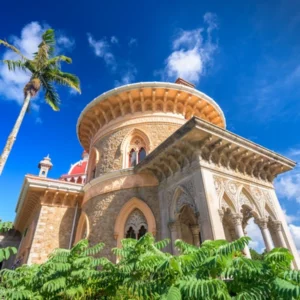
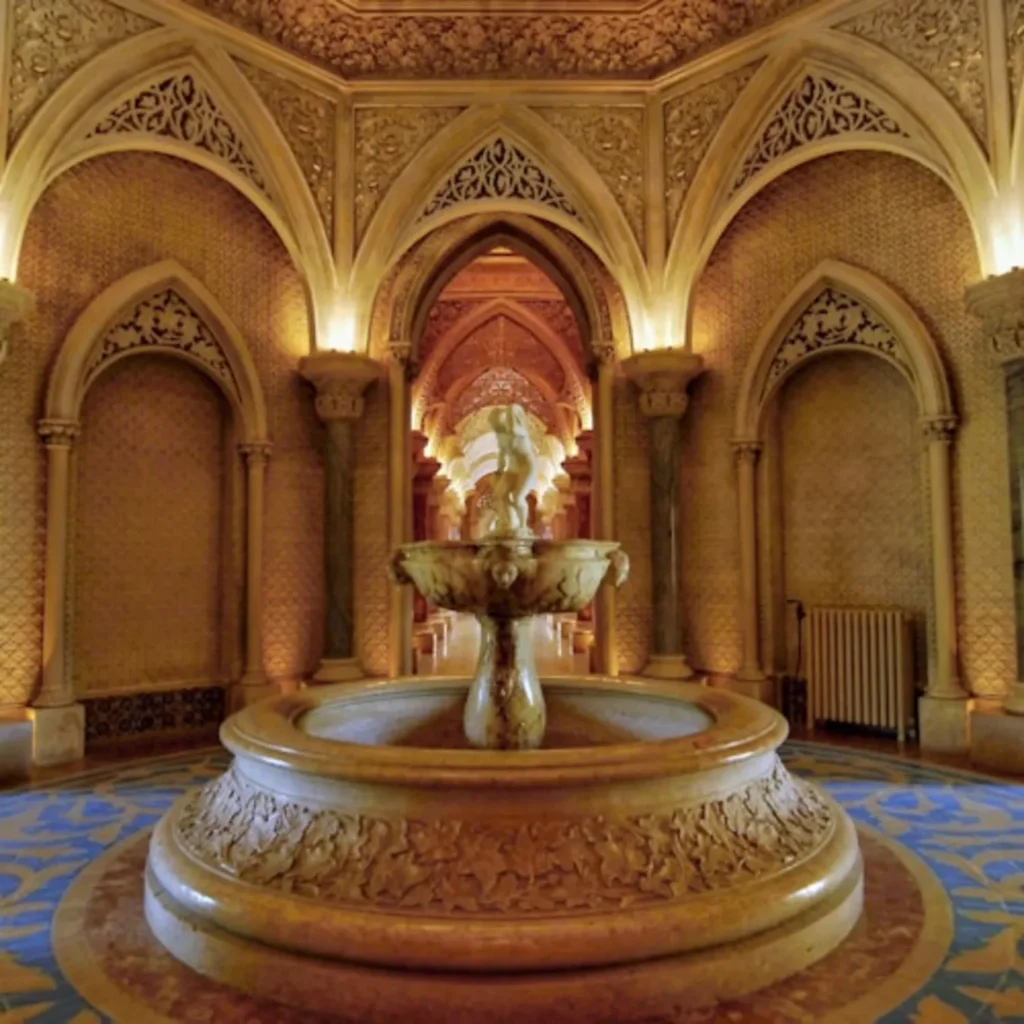
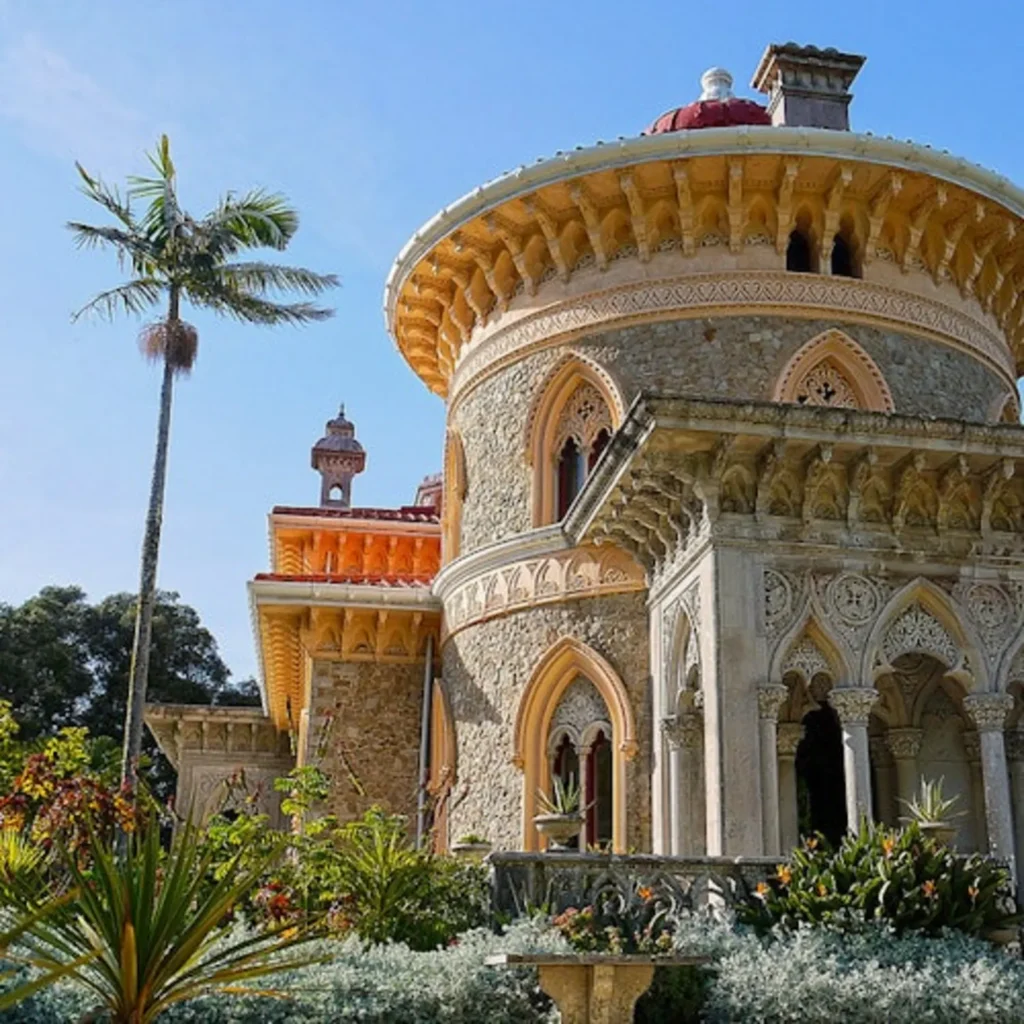
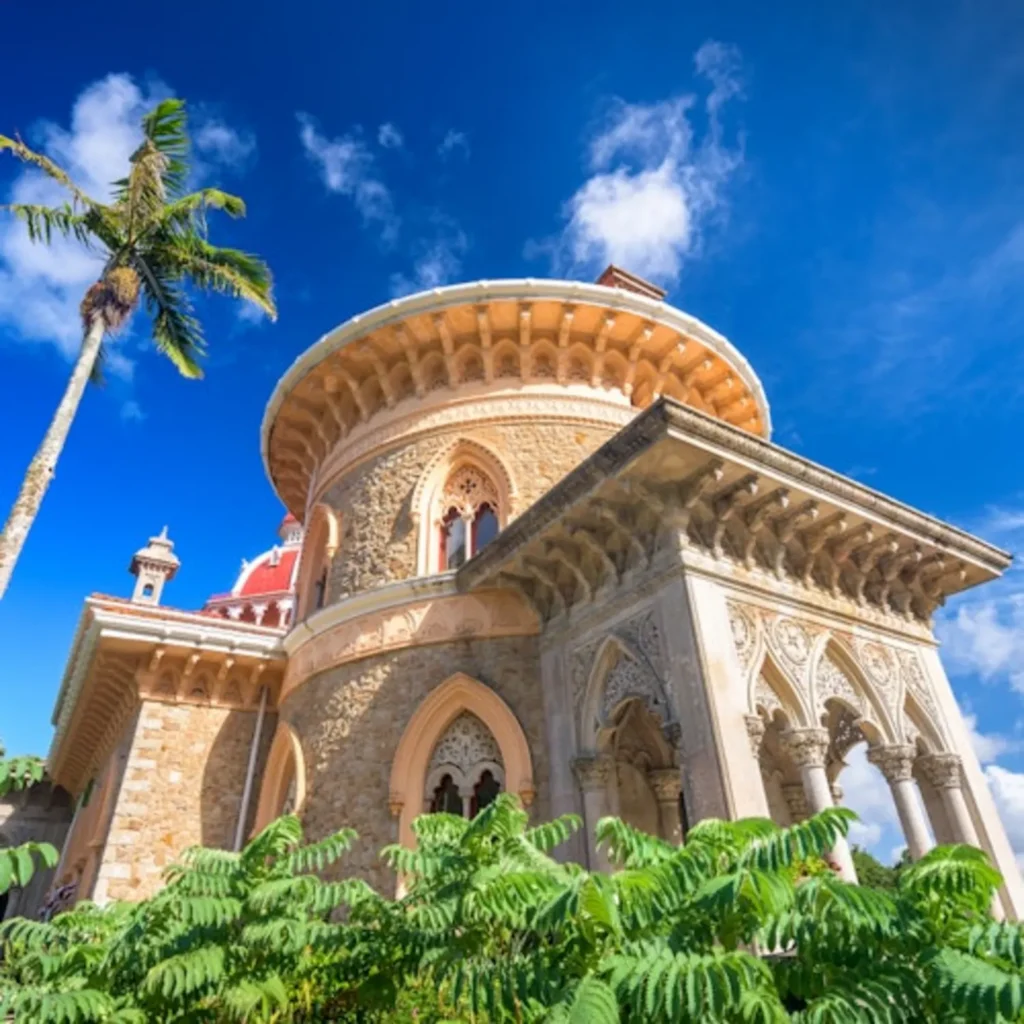
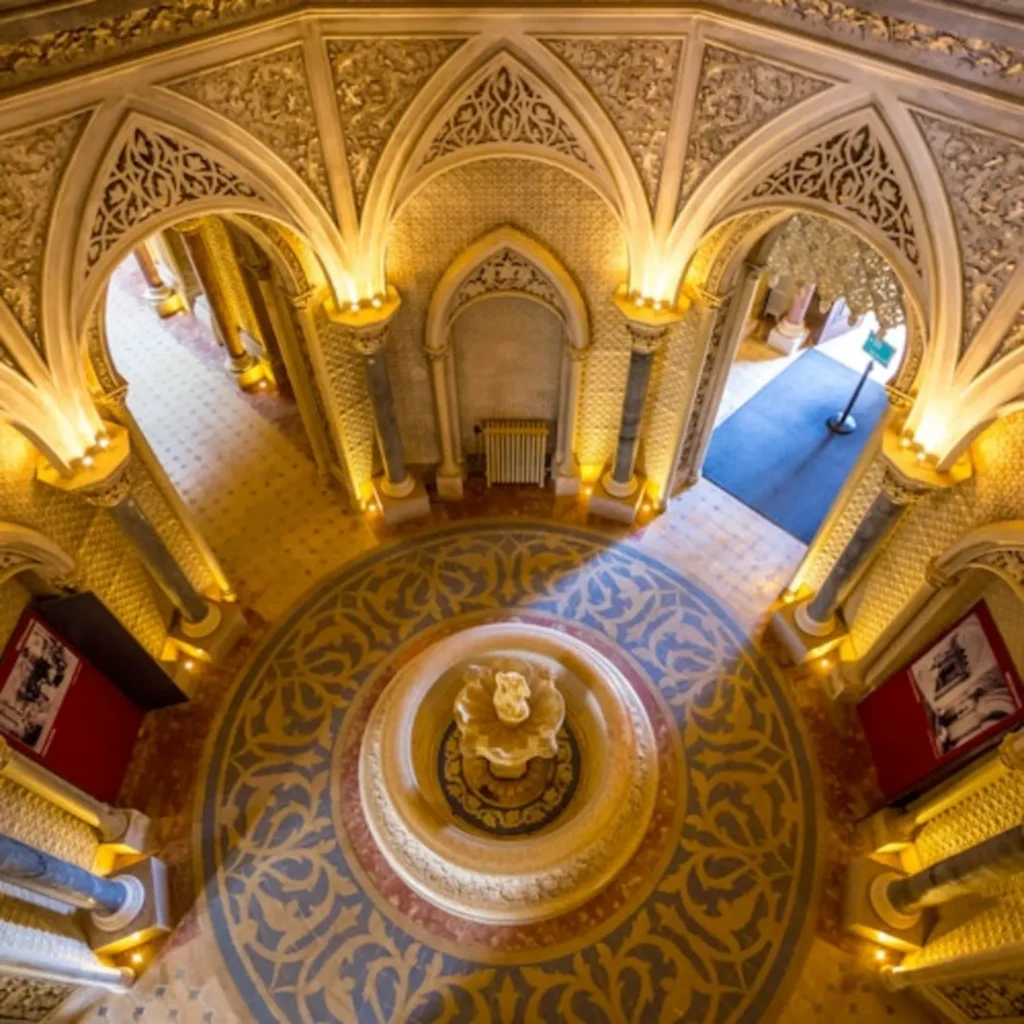
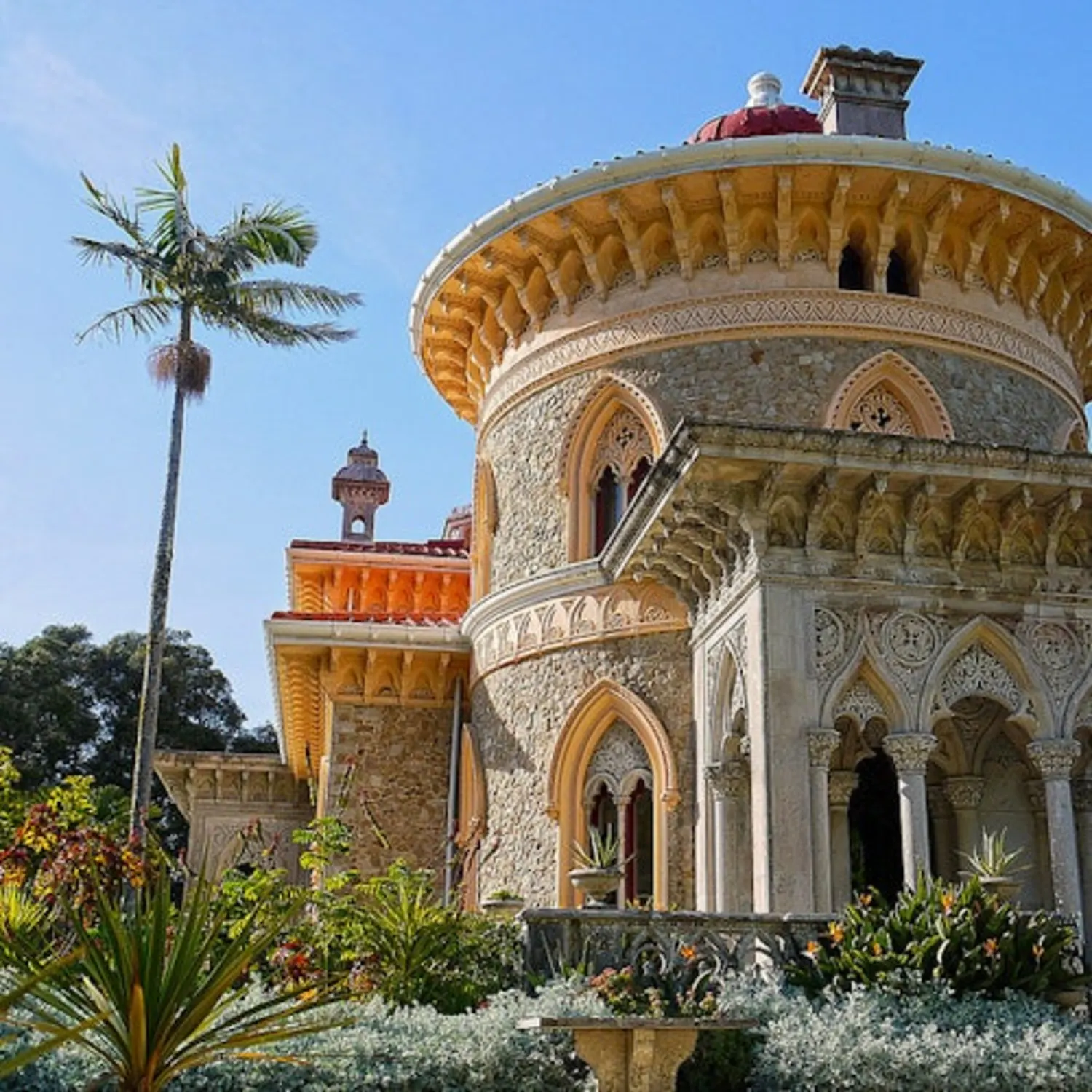
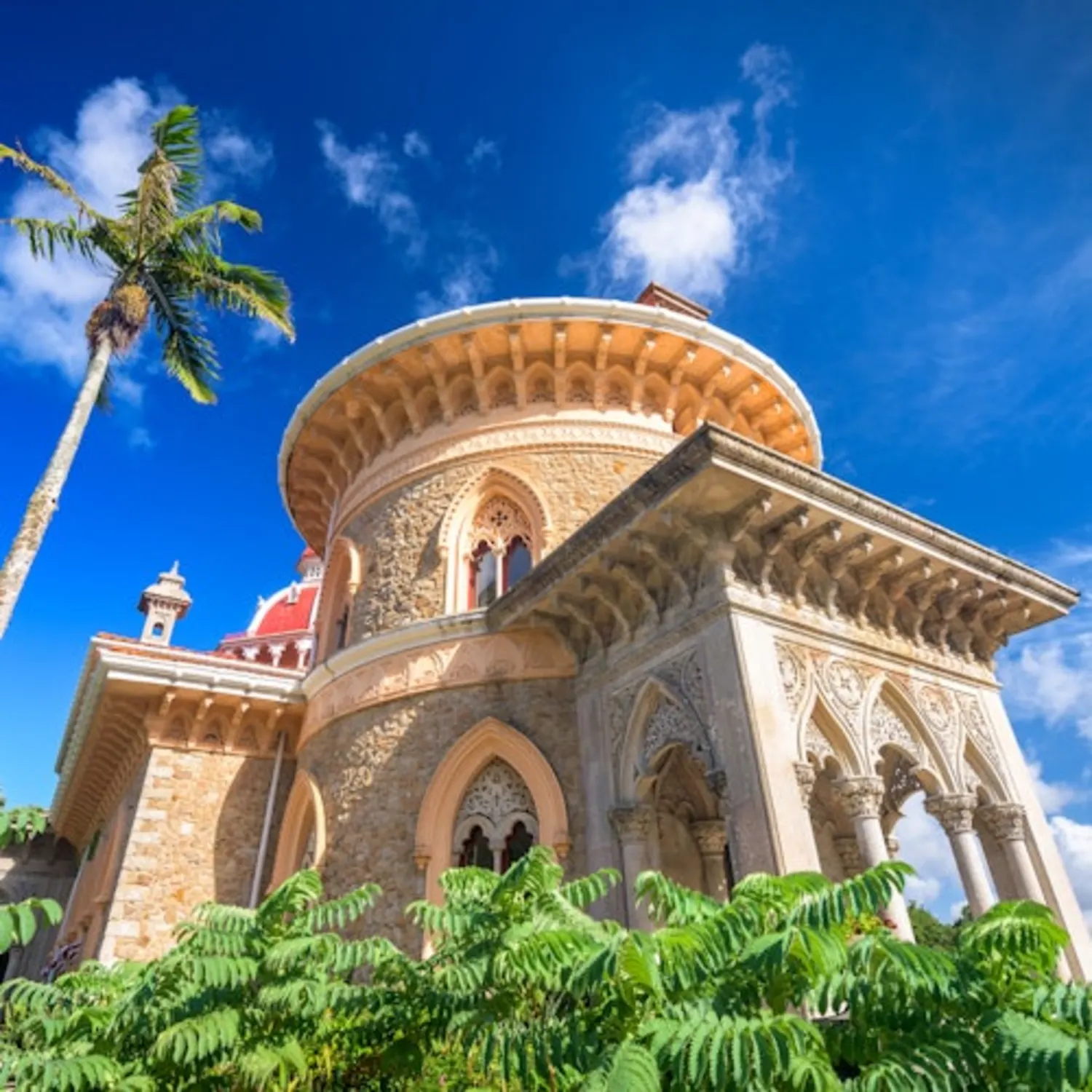
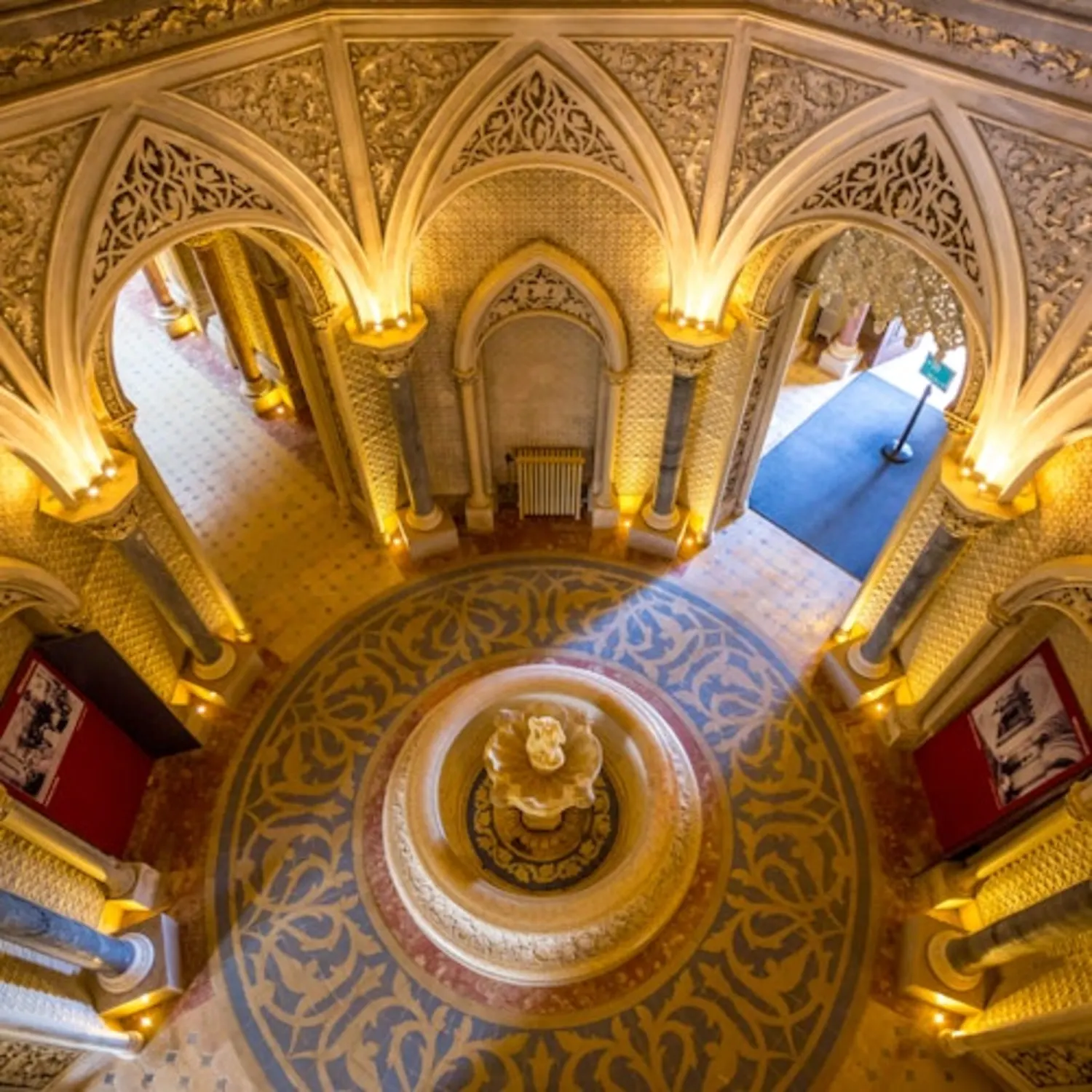
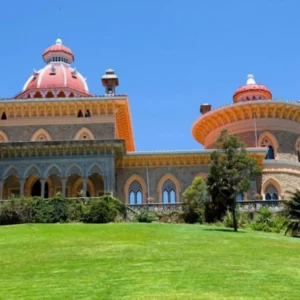
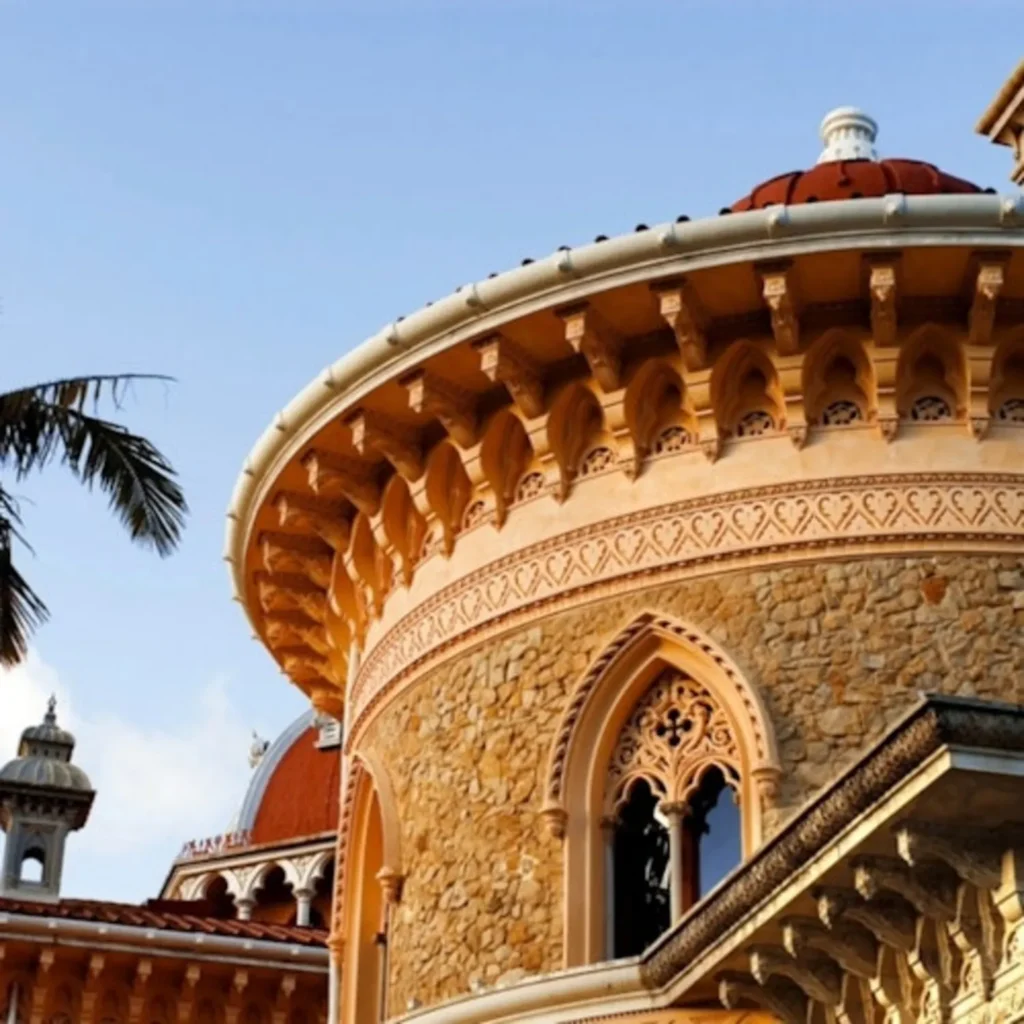
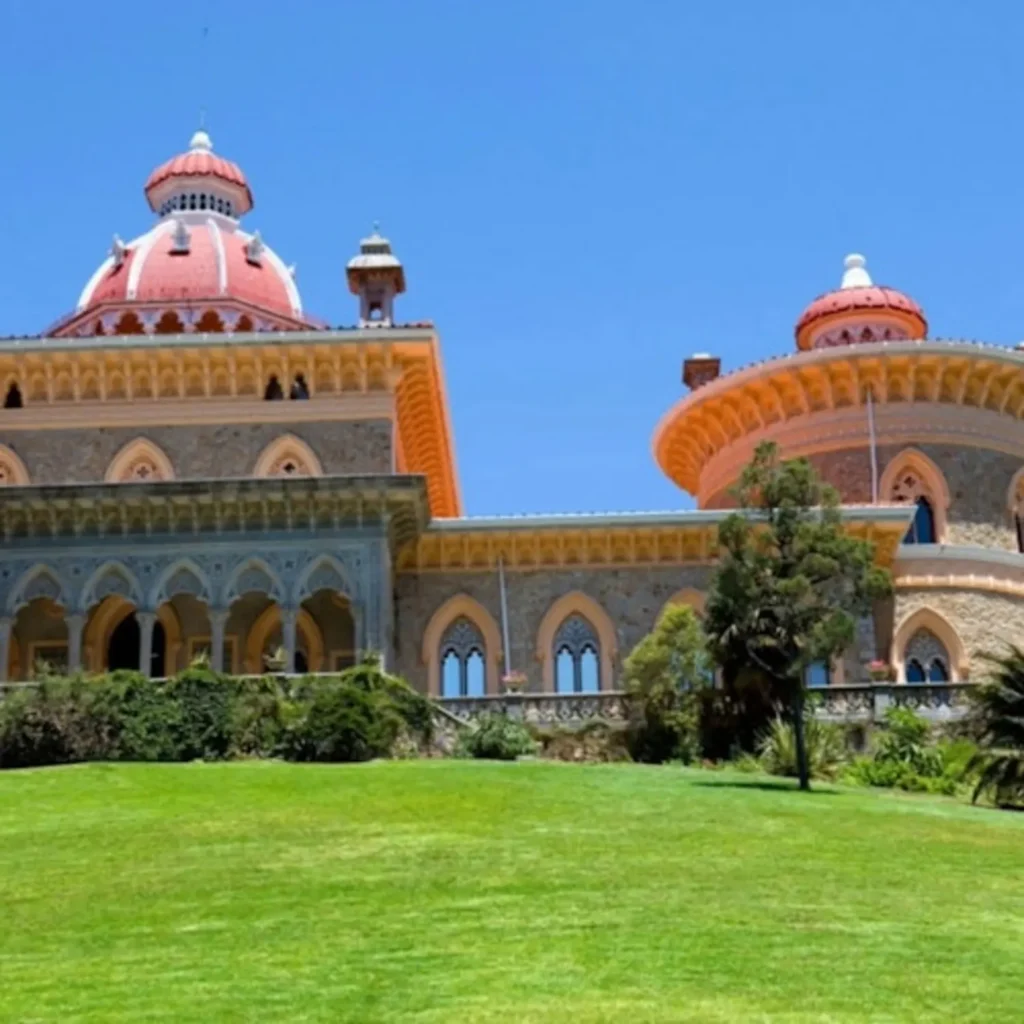
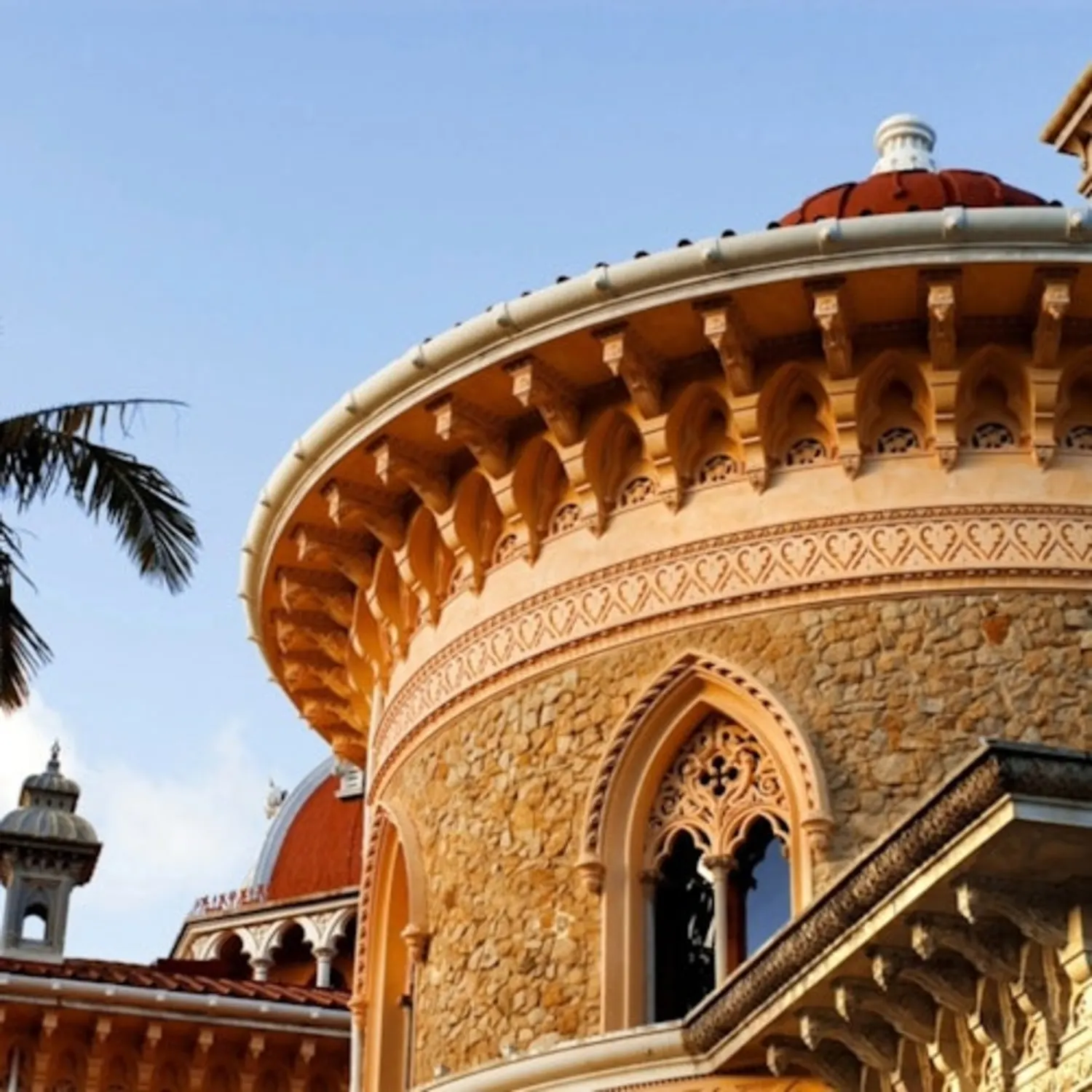
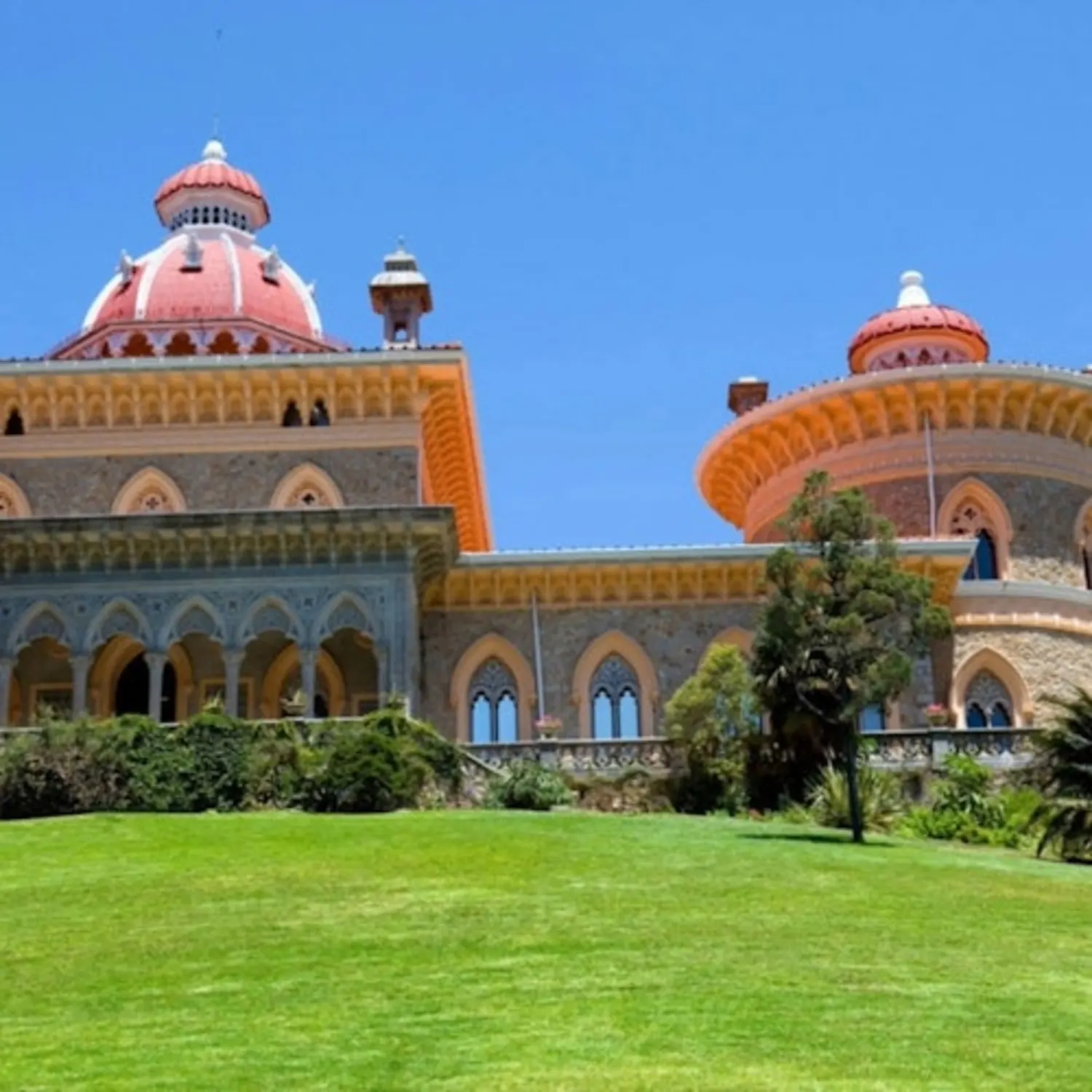
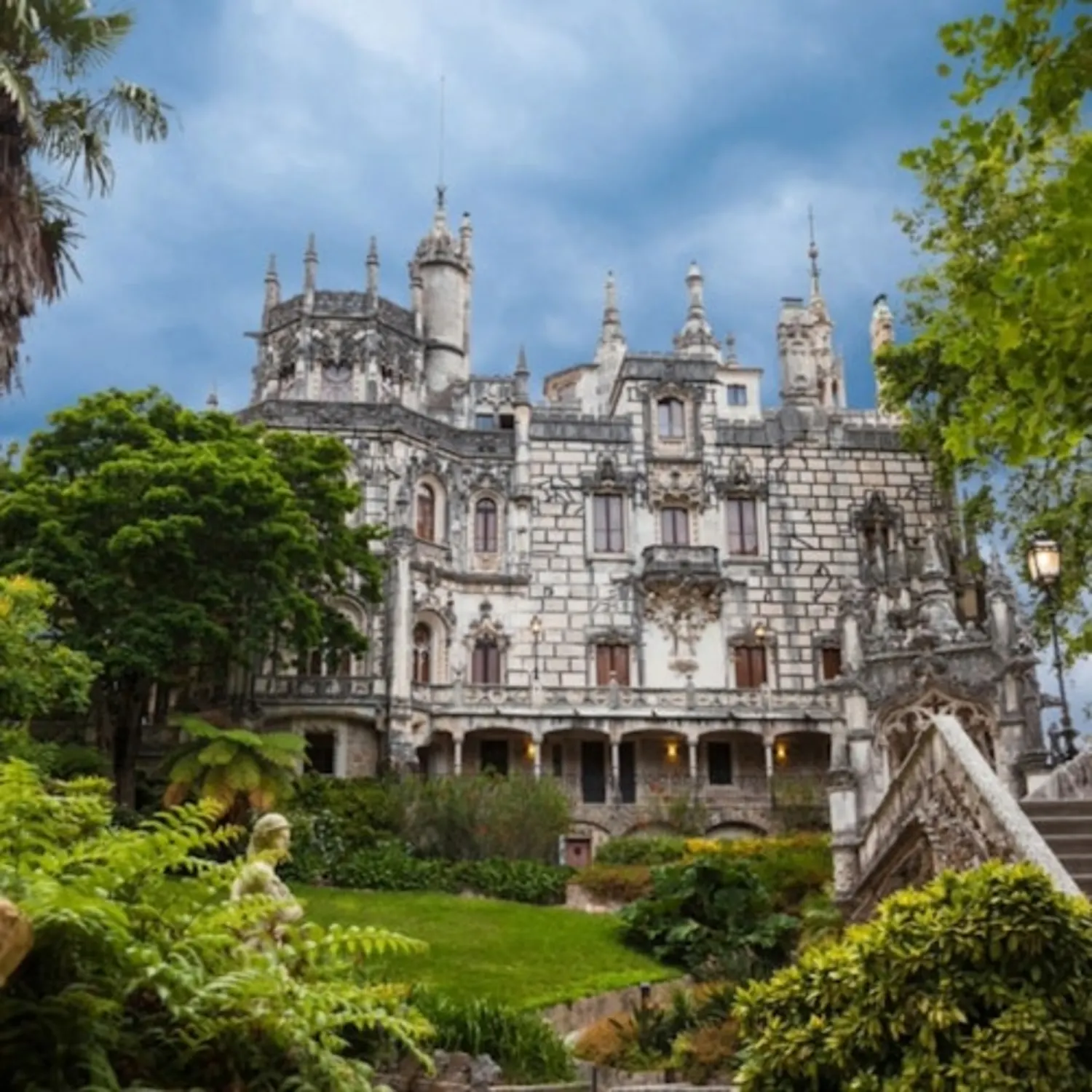
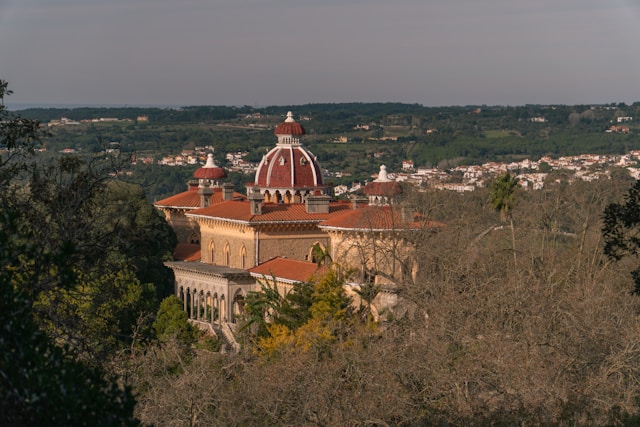
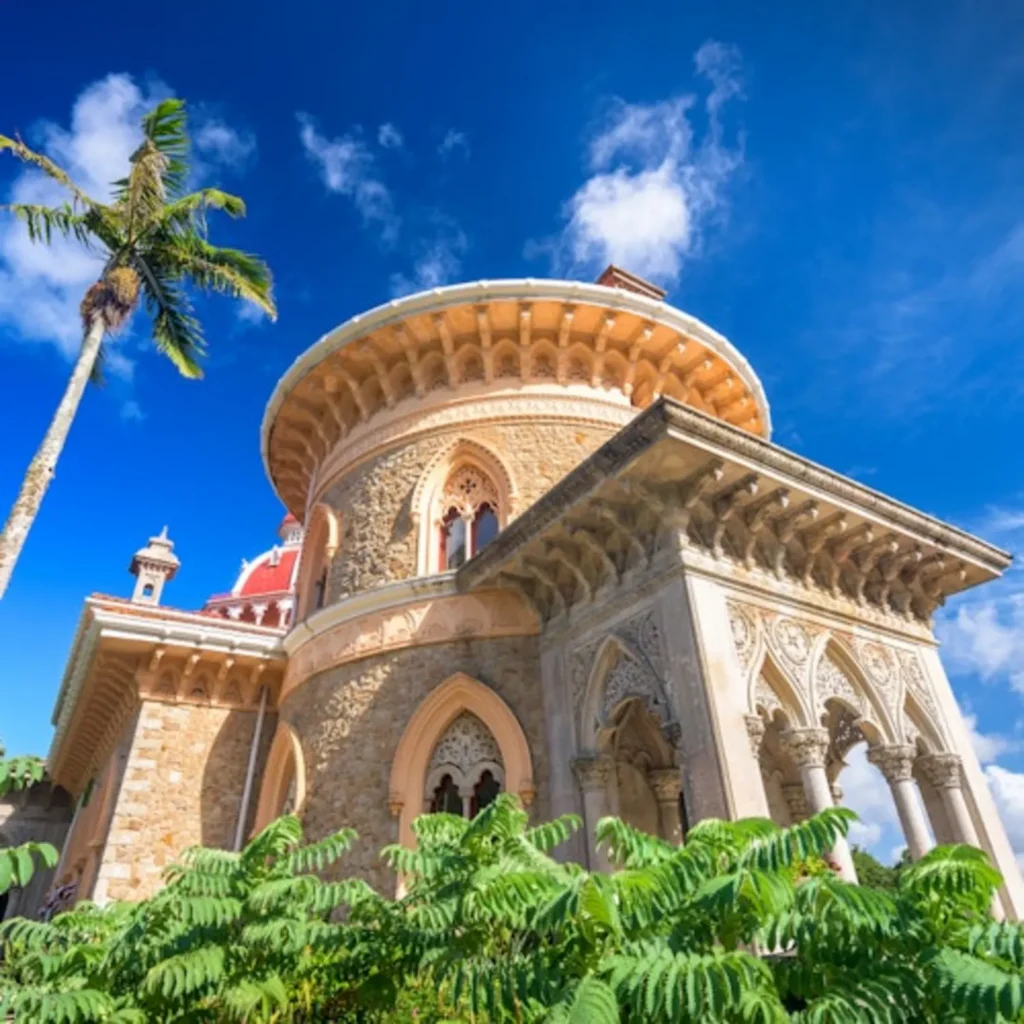
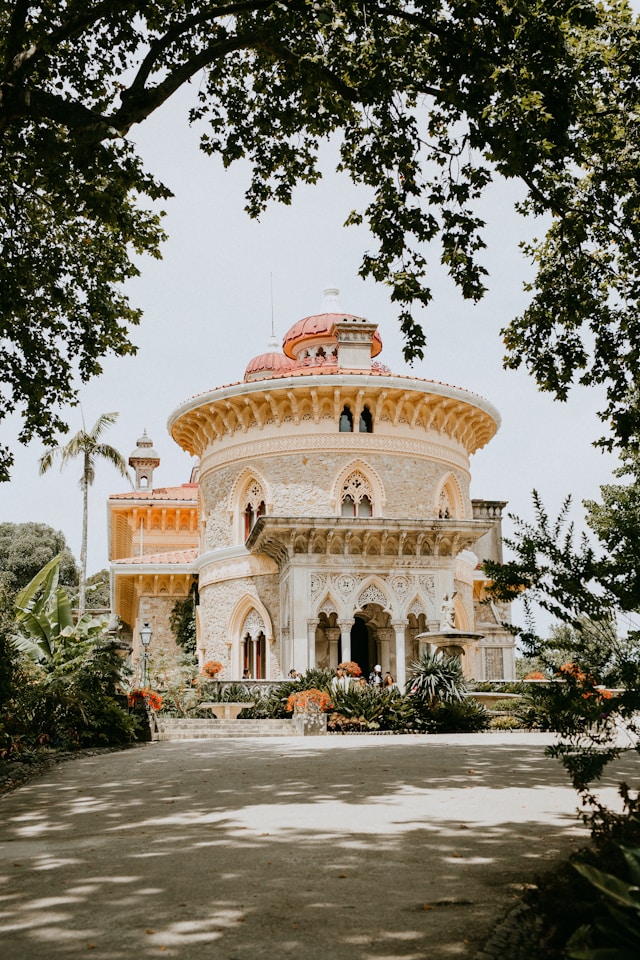
The Park and Palace of Monserrate represent a pinnacle of 19th-century eclecticism and the Romantic movement in Portugal. The current structure was commissioned by Sir Francis Cook, a wealthy British merchant and art collector, who transformed a ruined neo-Gothic mansion into a refined summer residence starting in 1858. Under the guidance of architect James Knowles Jr., the palace became a celebrated masterpiece, featuring delicate gypsum stucco work, marble columns, and a distinctive circular tower. Its design was heavily influenced by the owners' travels and the "Moorish Revival" style, creating a look that is entirely distinct from the more traditional Portuguese palaces found nearby in Sintra.

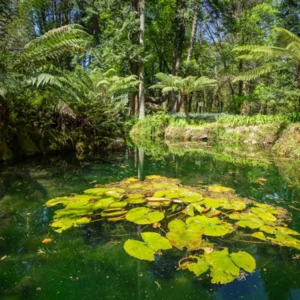
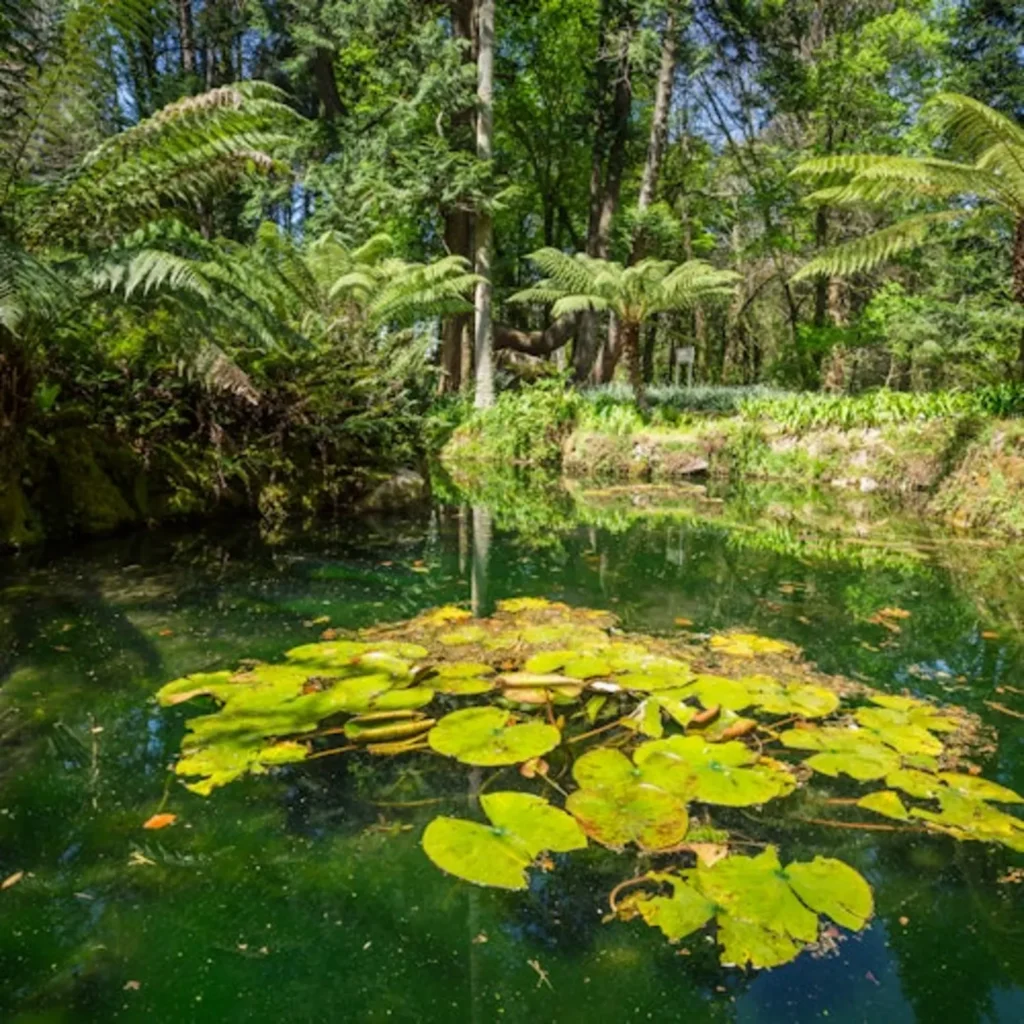
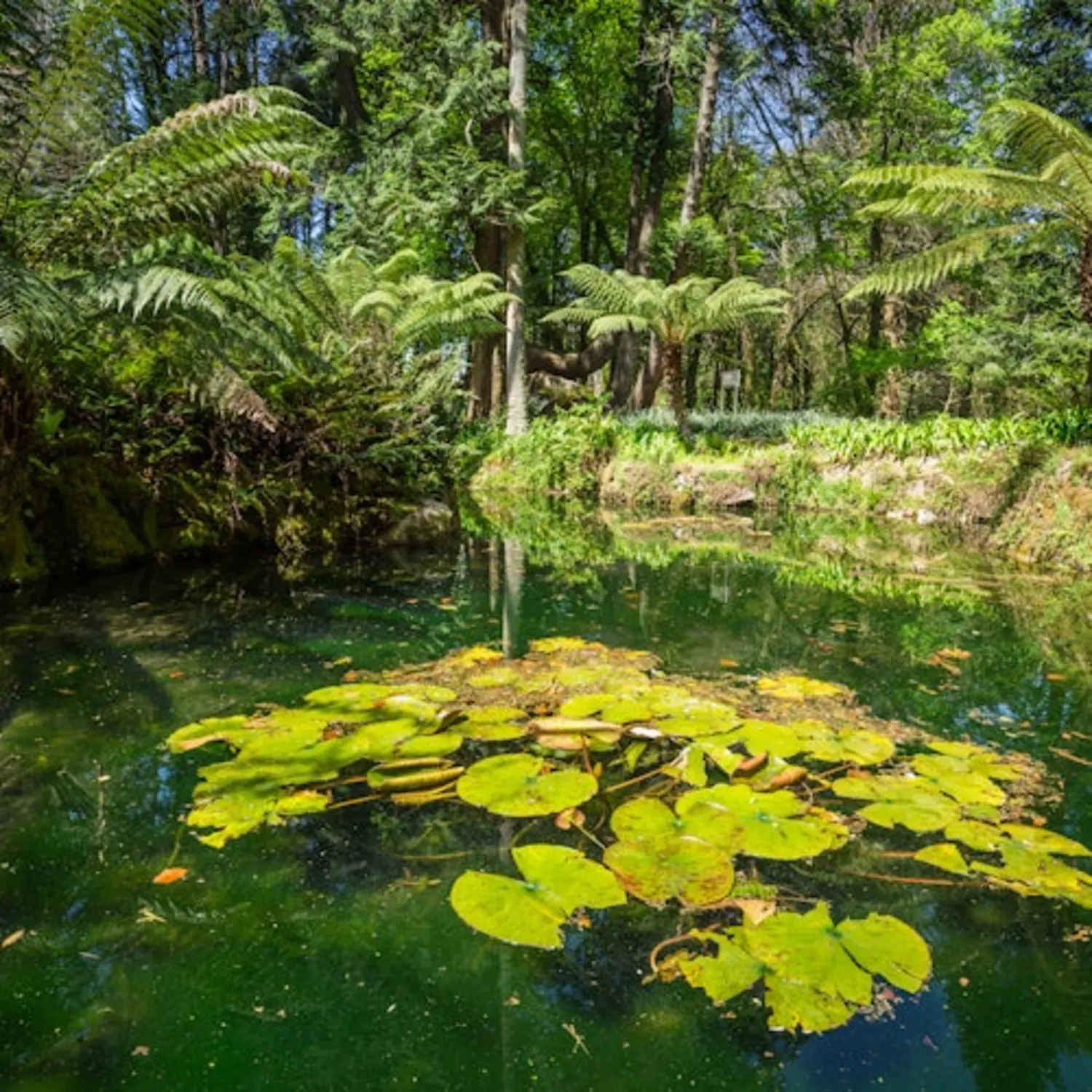
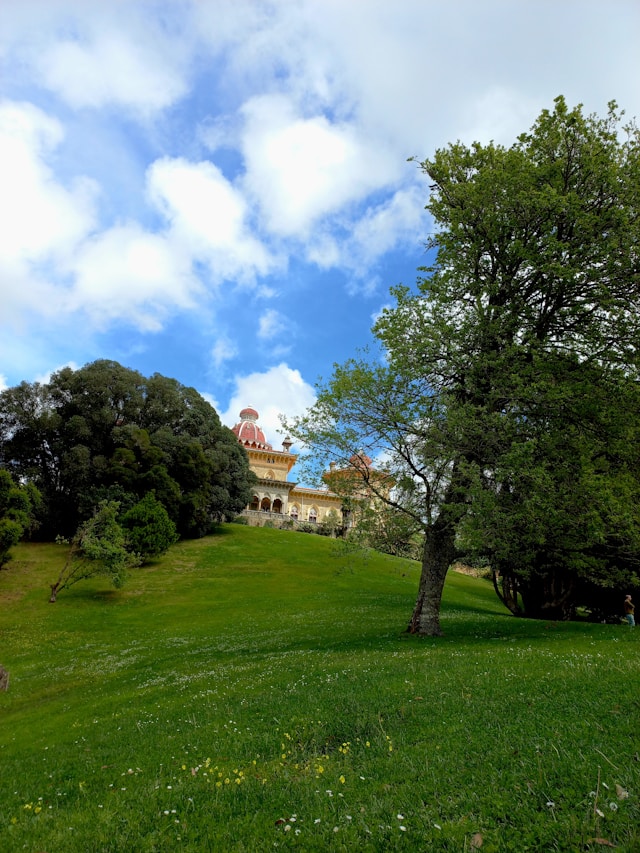
The surrounding park is equally significant, recognized today as one of the most important botanical gardens in the country. Spanning over 30 hectares, the landscape was designed to exploit Sintra's unique microclimate, allowing for the successful cultivation of plant species from across the globe. Visitors can explore a series of themed gardens, including the Mexican Garden, the Fern Valley, and the Rose Garden, all connected by winding paths, hidden waterfalls, and ornamental lakes. This harmonious blend of international architecture and global flora earned the estate a place within the UNESCO World Heritage Cultural Landscape of Sintra and continues to offer a serene escape for those seeking the "sublime" beauty that once inspired poets like Lord Byron.

Why Visit the Park and Palace of Monserrate?

Unique Architectural Fusion

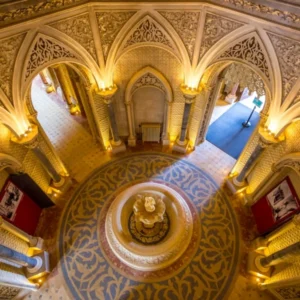
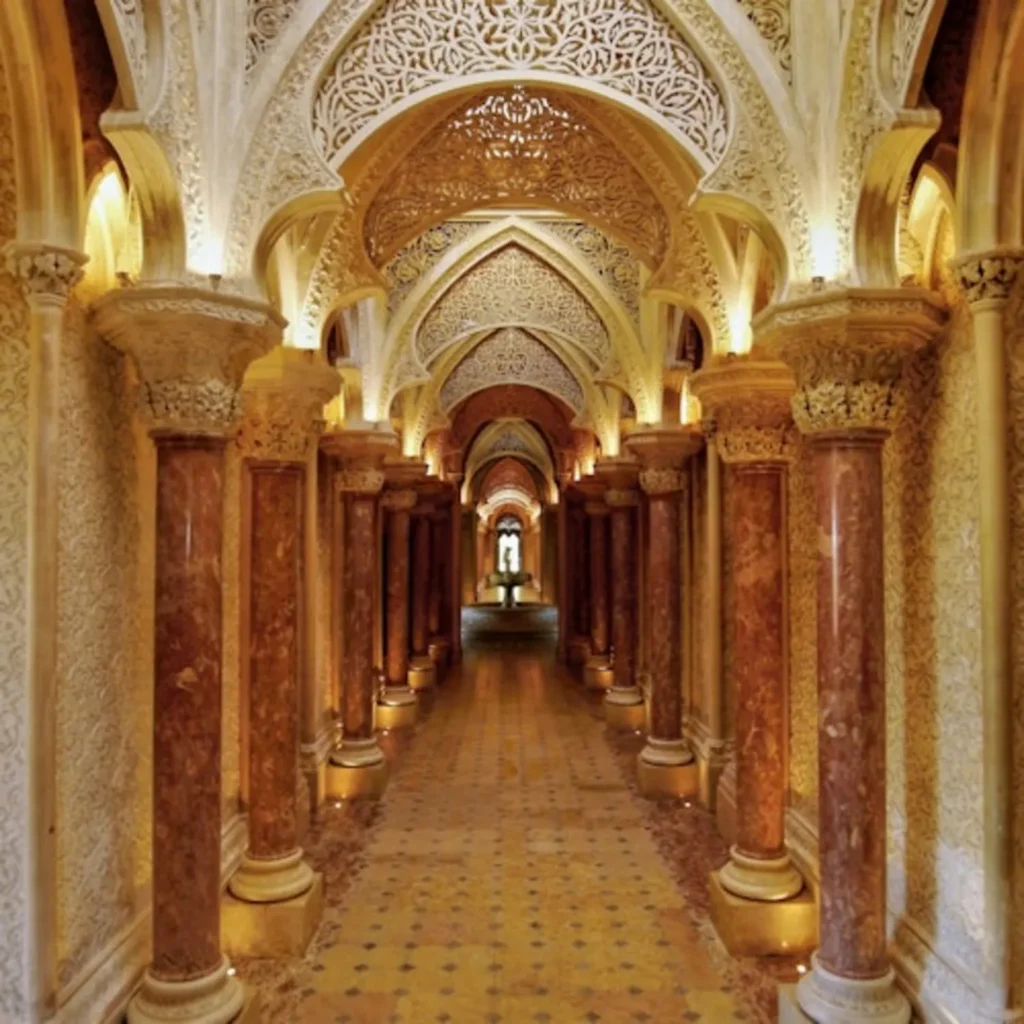
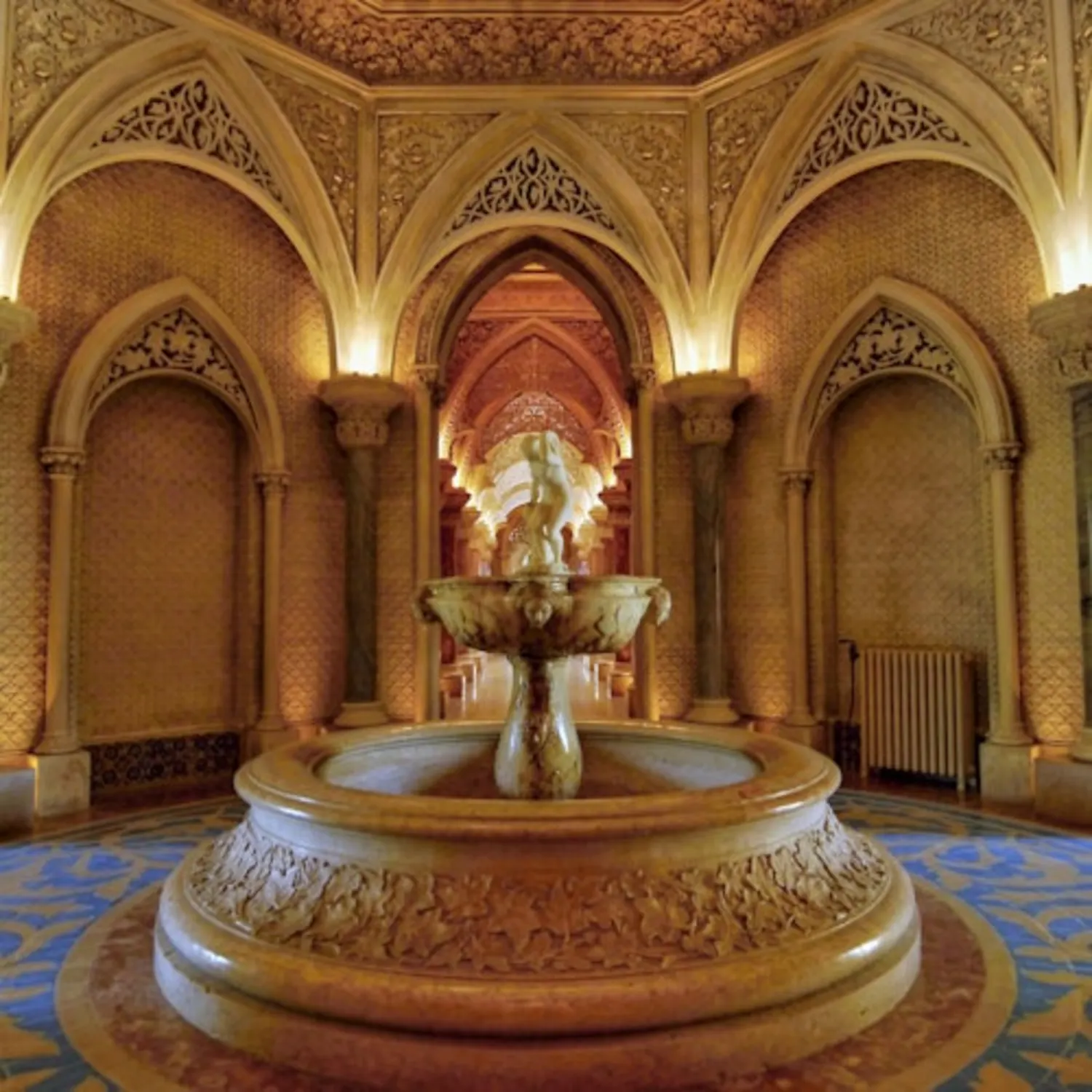
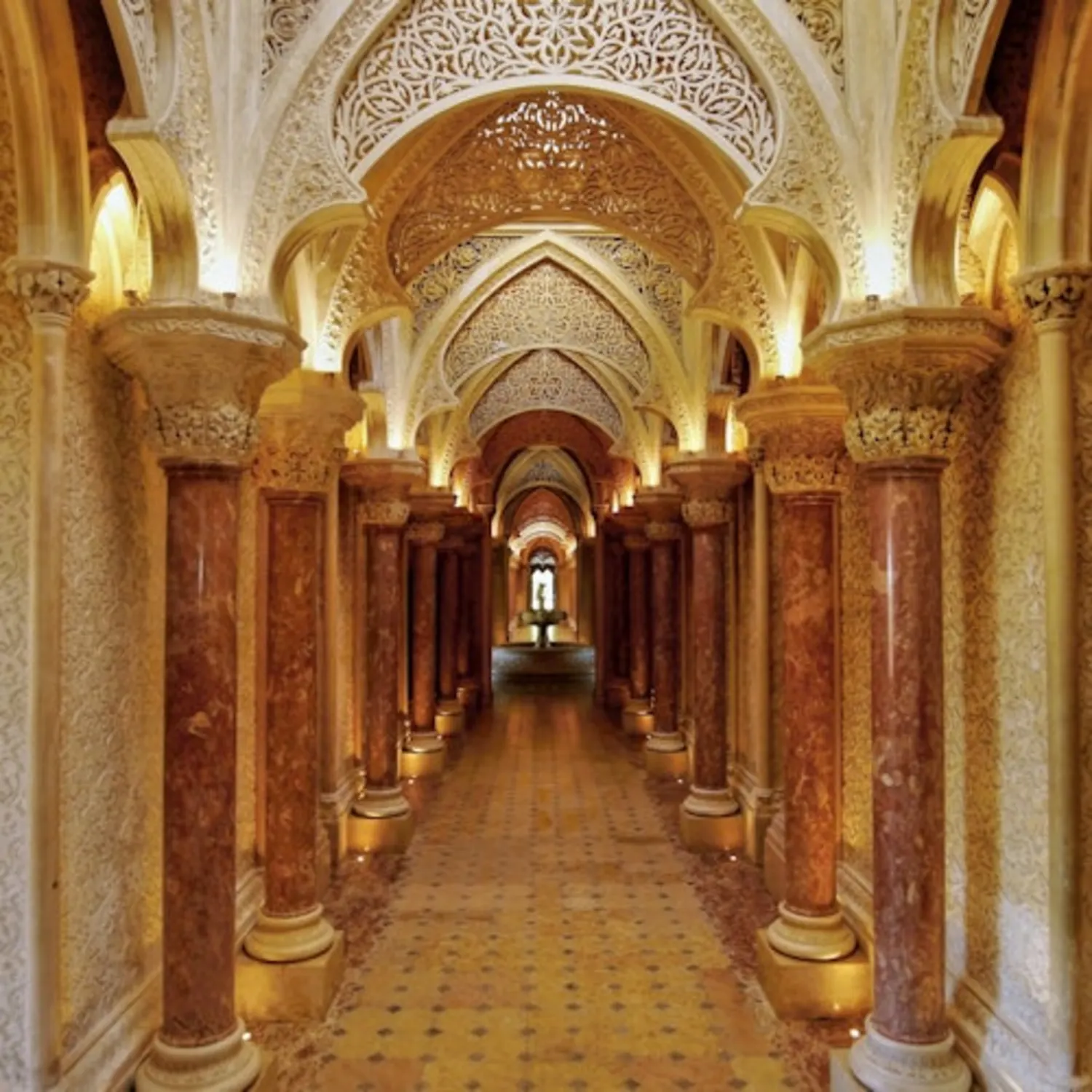
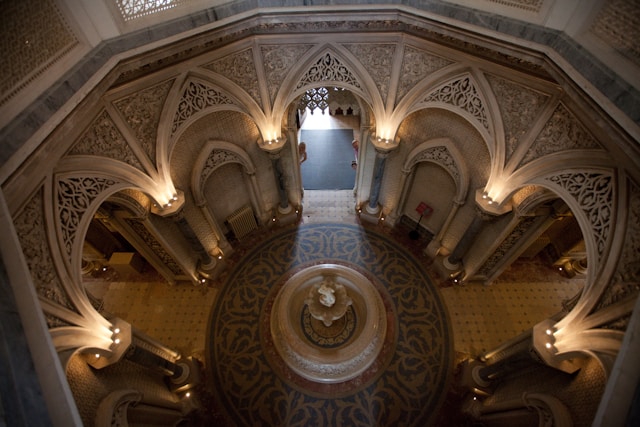
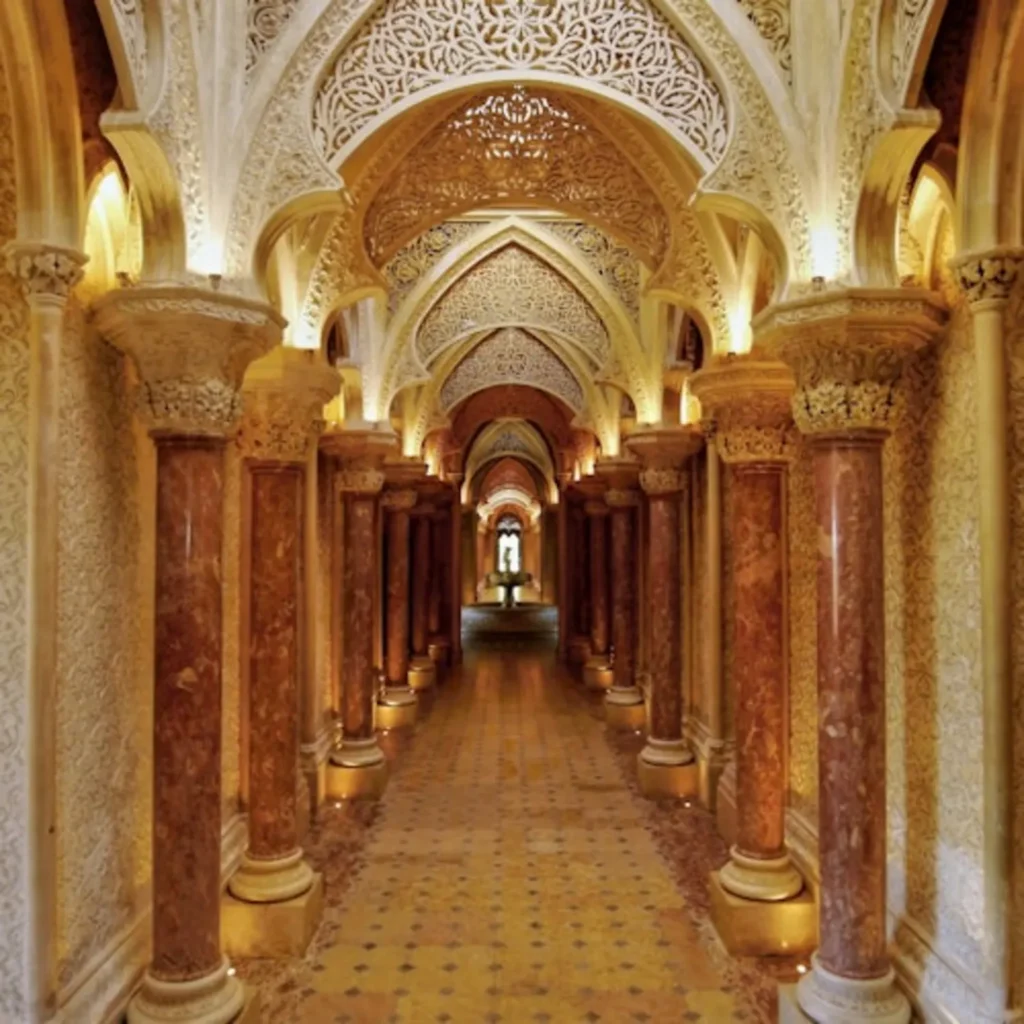
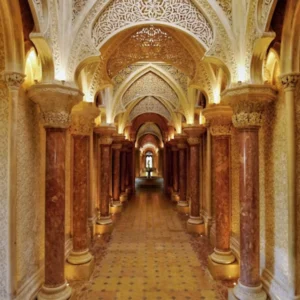
The palace is renowned for its eclectic design, blending Neo-Gothic, Neo-Islamic, and Indian architectural influences. Visitors can explore intricate stucco work, marble columns, and a long hallway that creates a striking visual perspective, reflecting the diverse cultural interests of its 19th-century owner, Francis Cook.

Botanical Diversity from Across the Globe

The surrounding park is an award-winning botanical garden featuring plant species organized by their geographical origins. You can walk through distinct micro-climates, from the Mexican Garden with its succulents to the Australian Garden and the Fern Valley, all sustained by Sintra's unique humid climate.

A Legacy of Literary Inspiration

Monserrate has long been a sanctuary for writers and artists, most notably Lord Byron, who praised its beauty in Childe Harold’s Pilgrimage. The estate gained international fame through these literary connections, establishing it as a "sublime" destination for travelers seeking inspiration during the Romantic era.

The Restored Chapel Ruins

Deep within the gardens lies a picturesque artificial ruin of a chapel, which has been reclaimed by a massive Australian Banyan tree. This specific site captures the Romantic ideal of nature triumphing over man-made structures, providing one of the most photographed and tranquil spots on the grounds.

A Quieter Sintra Experience

Located further from the town center than the Pena Palace or the Moorish Castle, Monserrate offers a more peaceful and contemplative atmosphere. It allows visitors to experience the history and landscape of the region at a slower pace, away from the large tour groups often found at the more central landmarks.

Monserrate - Additional Info

The Monserrate Tea House, situated in the beautifully restored old stables, provides a serene setting for light meals and refreshments.

The menu focuses on regional flavors, offering a variety of sandwiches, traditional Portuguese pastries, and a selection of teas and coffees. It is an ideal spot to rest after exploring the gardens, featuring both indoor seating and an outdoor terrace with views of the park.

The Tea House typically operates from 10 AM to 5:30 PM. For those who prefer an outdoor experience, there are several benches located throughout the botanical gardens where visitors may sit and enjoy a quiet break.

Please remember to dispose of all waste in the bins provided to help protect the estate's delicate ecosystem.

The Palace Store, located within the estate, offers a curated selection of items inspired by the Romantic movement and the specific botanical heritage of the park.

Visitors can find high-quality reproductions of the palace’s intricate gypsum plasterwork, as well as exclusive publications detailing the history of the Cook family and the architectural evolution of the site.

The shop also features traditional Portuguese crafts, including ceramics and cork-based products, alongside a range of nature-inspired gifts.

The store is open from 9:30 AM to 6 PM, with a brief closure between 12 PM and 1 PM. Purchases made here contribute directly to the ongoing conservation and restoration efforts of the Sintra Cultural Landscape.

Interesting Facts about the Park and Palace of Monserrate

The palace was once the site of a neo-Gothic mansion built by Gerard de Visme and later leased by the English writer William Beckford.

Lord Byron visited the estate in 1809 and famously immortalized its beauty in his poem Childe Harold’s Pilgrimage.

Sir Francis Cook, a wealthy British merchant and art collector, purchased the ruins in 1856 to create the eclectic masterpiece seen today.

Architect James Knowles Jr. designed the palace to blend Neo-Gothic, Indian, and Moorish styles into a single cohesive structure.

The Music Room is considered the heart of the palace and continues to host regular classical music concerts due to its exceptional acoustics.

The property features the first lawn ever planted in Portugal, which is kept green year-round by a sophisticated underground irrigation system.

The park contains more than 3,000 exotic plant species collected from all five continents by the estate’s various owners.

The famous "Mexican Garden" was specifically designed to utilize the warmest microclimate on the property for its collection of palms and yuccas.

The interior hallway of the palace uses a visual trick of repeated arches and marble columns to appear much longer than it actually is.

The artificial ruins of a chapel on the grounds were designed to look like a medieval structure that had been naturally reclaimed by the forest.

Monserrate was the private residence of the Cook family for three generations before being acquired by the Portuguese state in 1949.

The palace underwent a massive restoration project between 2000 and 2010 to repair its delicate stucco work and roof.

The Great Lawn served as a pioneer site for the introduction of modern gardening techniques in the Iberian Peninsula.

The estate is a UNESCO World Heritage site as part of the Cultural Landscape of Sintra, recognized for its importance to Romantic architecture.

In 2013, the Park of Monserrate was honored with the European Garden Award for its exemplary restoration and botanical diversity.

FAQs about Monserrate Palace

What is the architectural style of Monserrate Palace?

The palace is a masterpiece of 19th-century eclecticism, blending Neo-Gothic, Indian, and Moorish Revival architectural influences.

Who were the most notable owners of the estate?

The estate was famously developed by the wealthy British merchant Sir Francis Cook and was previously leased by the author William Beckford.

Which famous poet was inspired by Monserrate?

Lord Byron visited in 1809 and famously praised the sublime beauty of the estate in his work, Childe Harold’s Pilgrimage.

What makes the botanical gardens at Monserrate unique?

The park contains over 3,000 exotic species from five continents, organized into geographic micro-climates like the Mexican and Australian gardens.

What is the significance of the chapel ruins in the park?

The ruins are an intentional Romantic feature of the landscape and are now famously intertwined with a massive Australian Banyan tree.

Why is the Music Room considered the heart of the palace?

The room is celebrated for its exceptional acoustics and intricate circular design, and it continues to host classical music performances today.

What are the opening hours for the park and palace?

The park opens at 9 AM and the palace at 9:30 AM, with both attractions remaining open until 7 PM and 6 PM respectively.

When is the last entry permitted for visitors?

Final admission to the park is at 6 PM, while the last entry into the palace building occurs at 5:30 PM.

How long does a typical visit to the estate take?

Most visitors spend approximately two hours exploring, allowing 45 minutes for the palace and at least an hour for the gardens.

Are dogs allowed to enter the Park of Monserrate?

Yes, the park is pet-friendly and allows dogs as long as they are kept on a non-retractable leash at all times.

Is there a place to store luggage or large bags on-site?

There are no lockers or luggage storage facilities available, so visitors should only bring items they can carry throughout the hilly terrain.

Can I take professional photographs or use a drone?

Drones are strictly prohibited, and professional photography requires a special permit and a fee paid at least 15 days in advance.

Is the palace fully accessible for wheelchair users?

Wheelchair access is limited to the ground floor and the main galleries, as the upper floor and historic kitchens are only reachable via stairs.

What is the best way to reach Monserrate from Sintra station?

The Scotturb Bus 435 is the most efficient option, providing a direct circular connection from the station to the palace entrance.

This website sells official tickets for this venue. Please note, however, that it is not the official website of the venue.
The images and videos on this website may contain visual elements that have been created or enhanced using AI technology. They are provided for illustrative purposes only.