Jerónimos Monastery: Tickets and Info
This website offers official tickets for this venue. Please note, however, that it is not the official website of the venue.
Smartphone tickets
Why wait?
Instant confirmation
Flexible cancellation


Visit to the Jerónimos Monastery
Highlights
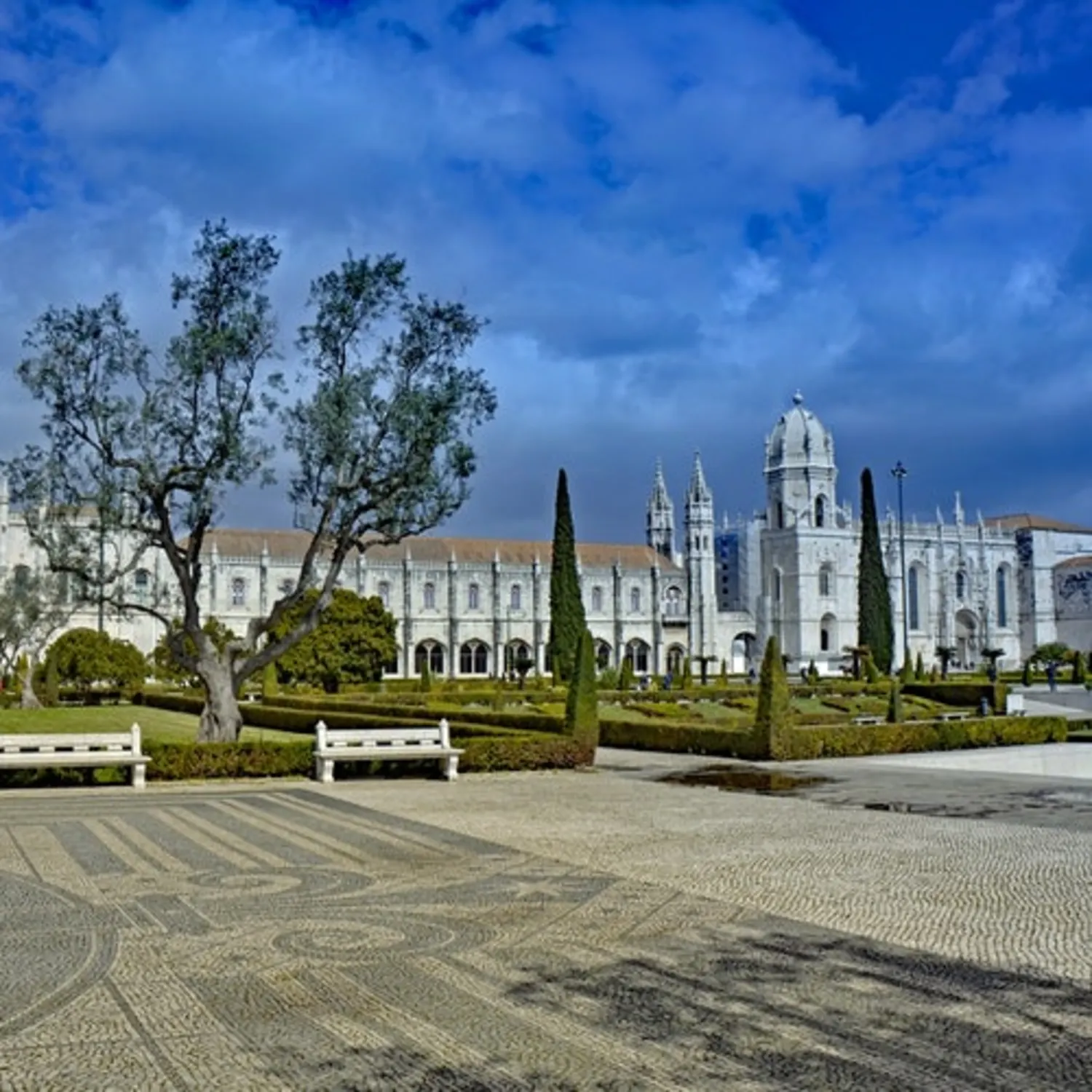
Explore a UNESCO World Heritage Site showcasing exquisite 16th-century architecture.
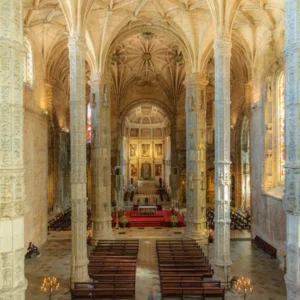
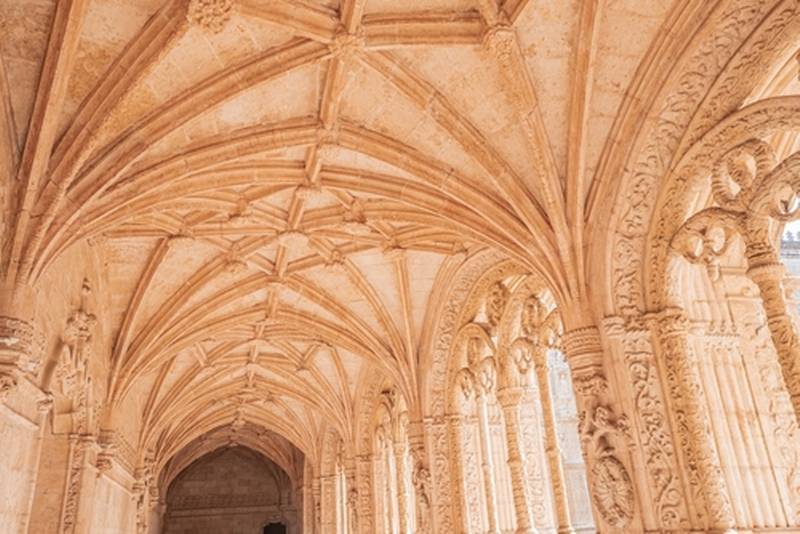
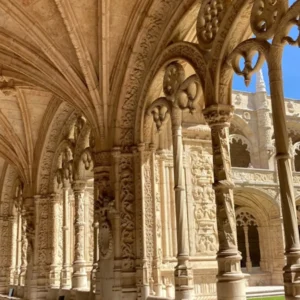
Admire the detailed frescoed vaulted ceilings.
Visit the historic cloister and the monks’ former dining hall.
Enjoy spectacular views overlooking the Tagus River.
Experience a landmark that celebrates Portugal’s rich cultural heritage.
Lisbon: Guided tour of Belém + Entrance to the Jerónimos Monastery
Highlights
Experience a live guided walk focusing on significant sites from Portugal’s Age of Discoveries.
Visit the renowned Jerónimos Monastery with in-depth commentary on its Gothic features.
Stop at the famous Pasteis de Belém bakery to sample its iconic custard tarts.
Enjoy photo opportunities at notable monuments throughout the tour.
Receive personalized tips to enhance your Lisbon itinerary.

Lisbon Card: Access up to 51 Attractions + Public Transport
Highlights
Enjoy free entry to 51 cultural and historical locations across Lisbon.
Benefit from unlimited rides on buses, the metro, trams, and elevators.
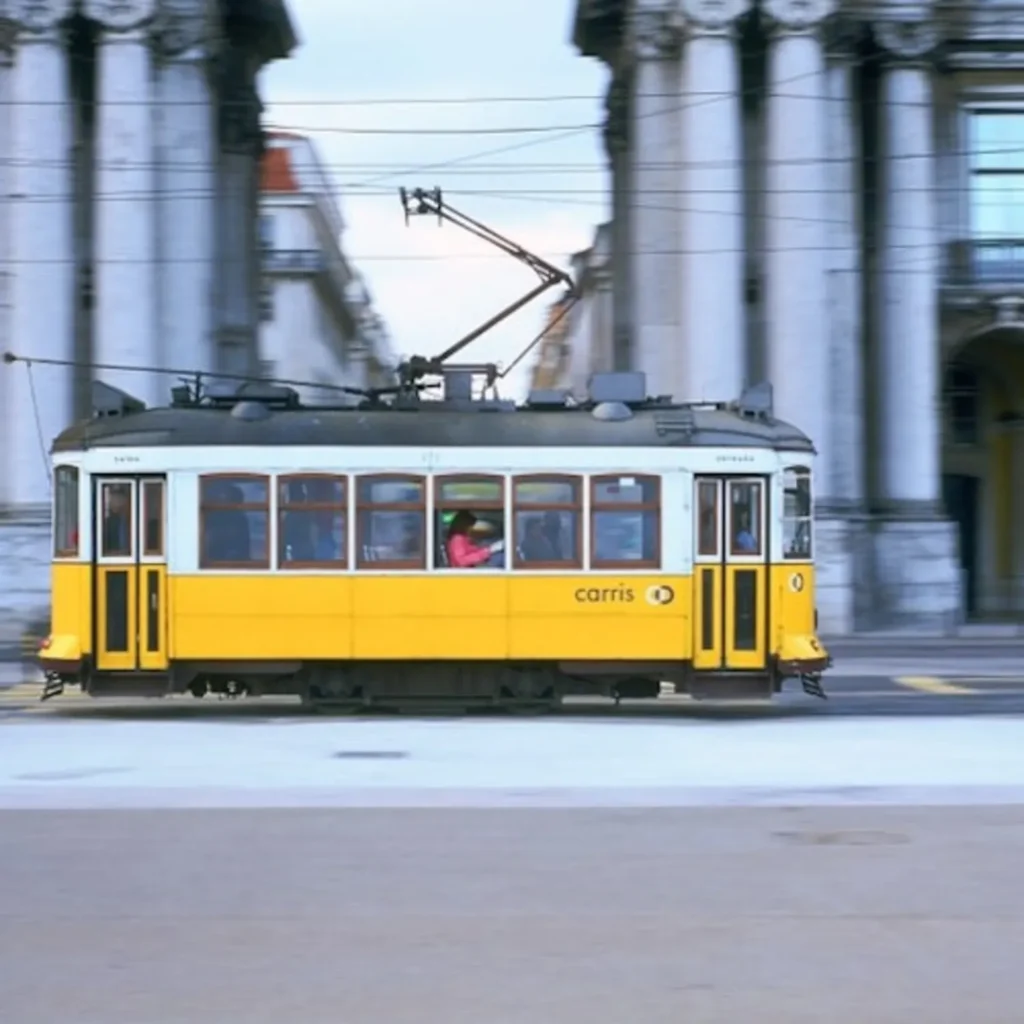
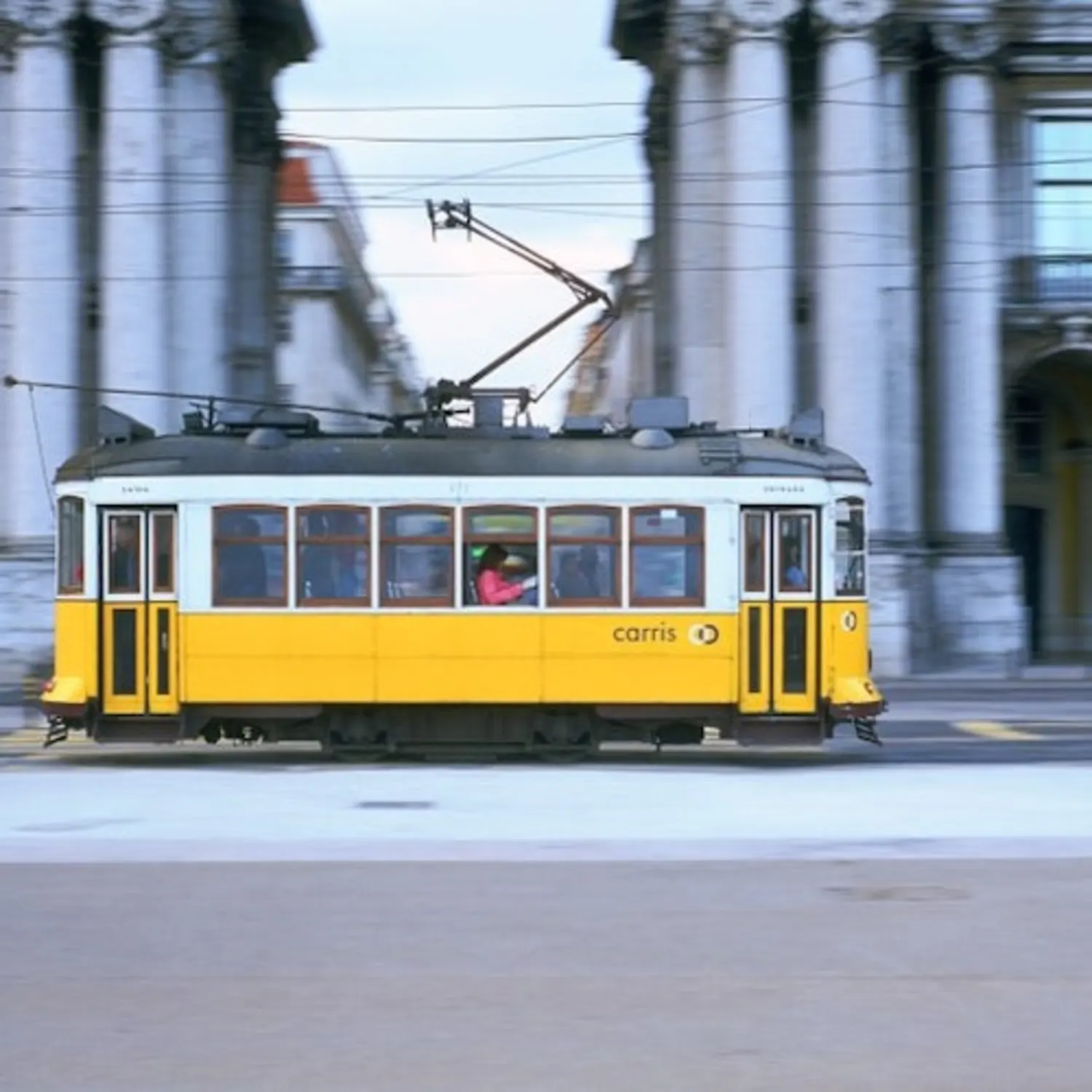
Take the renowned Tram 28 as part of your transport coverage.
Utilize train services from Lisbon to nearby destinations like Sintra and Cascais.
Access discounts at various venues and shopping spots throughout the city.
Jerónimos Monastery
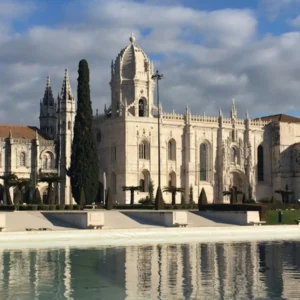
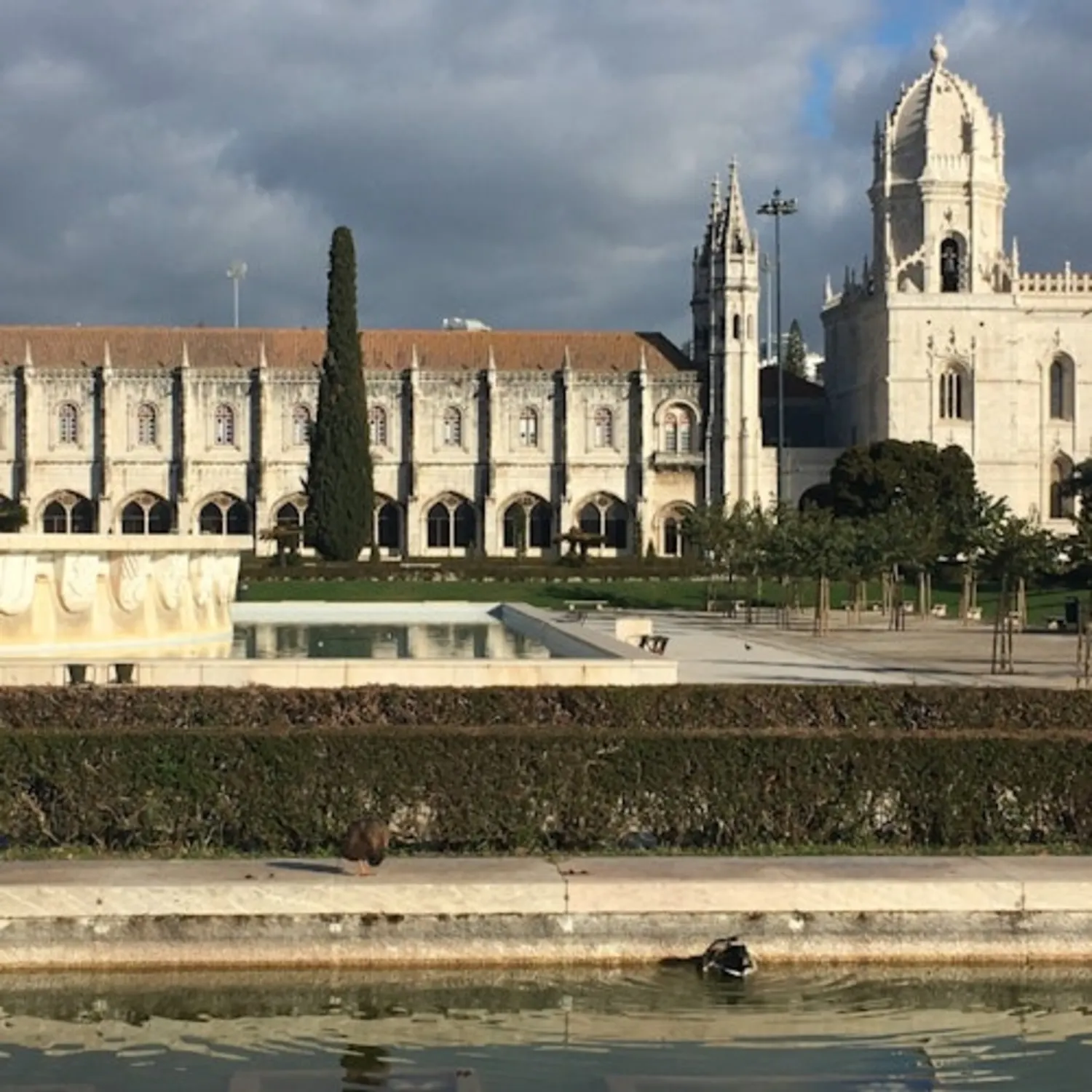
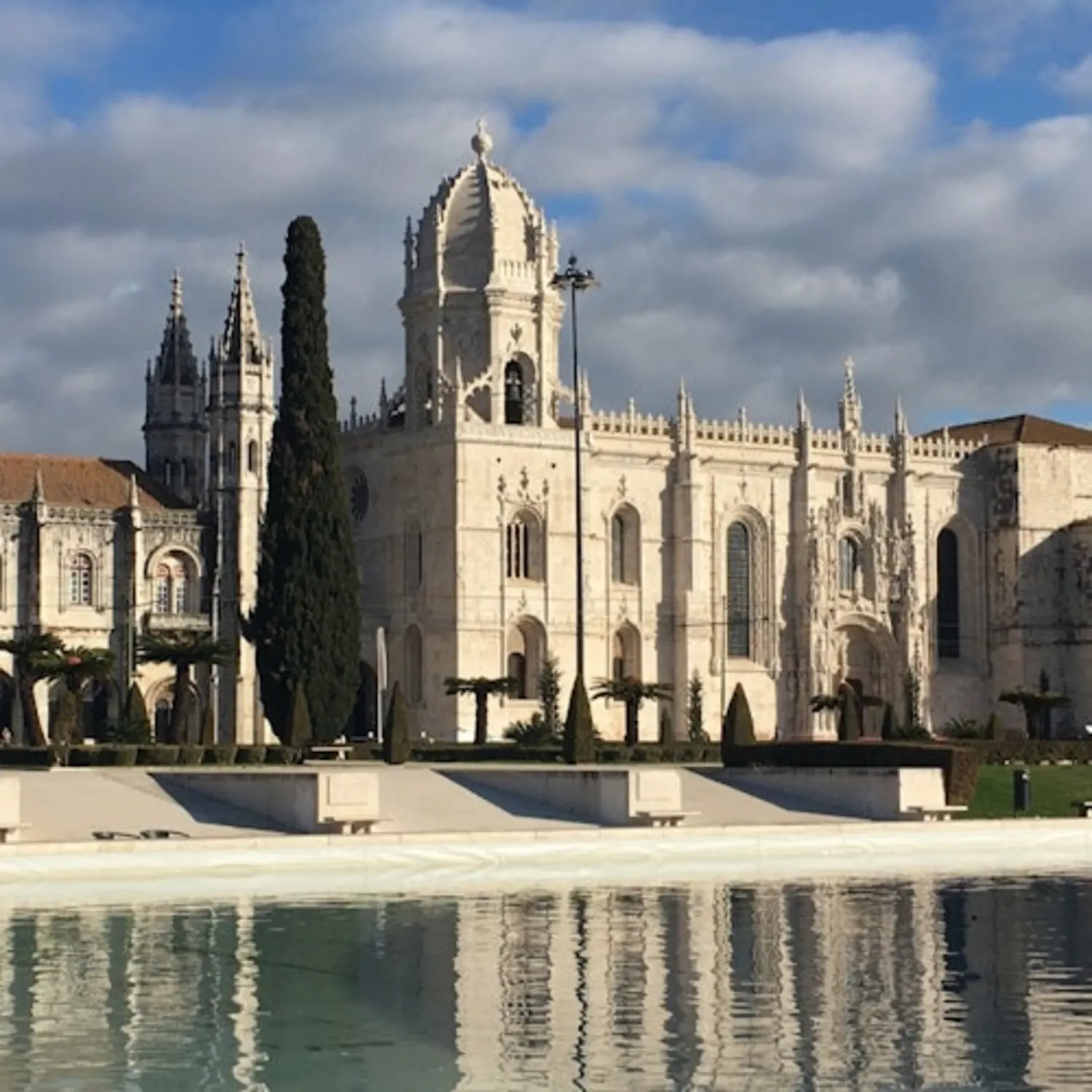
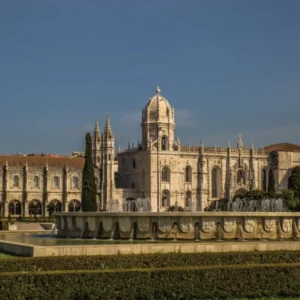
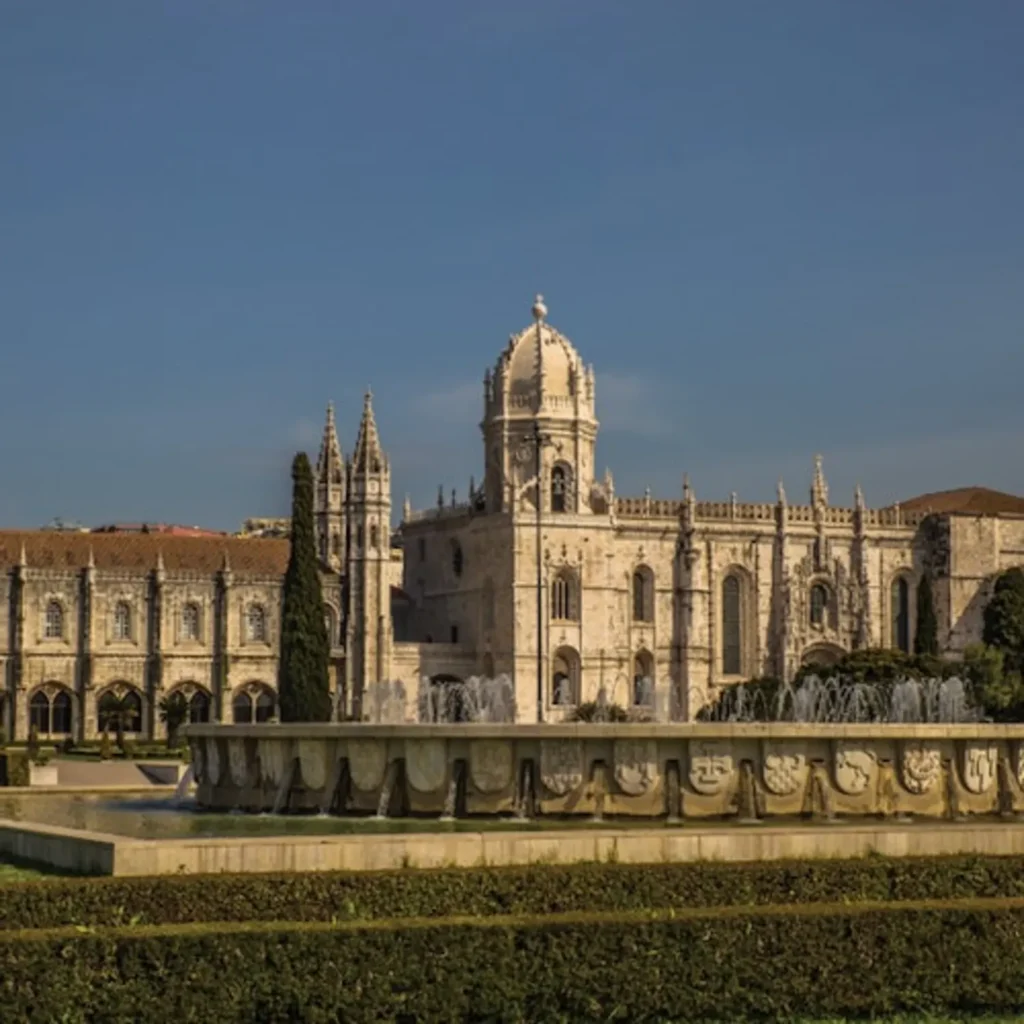
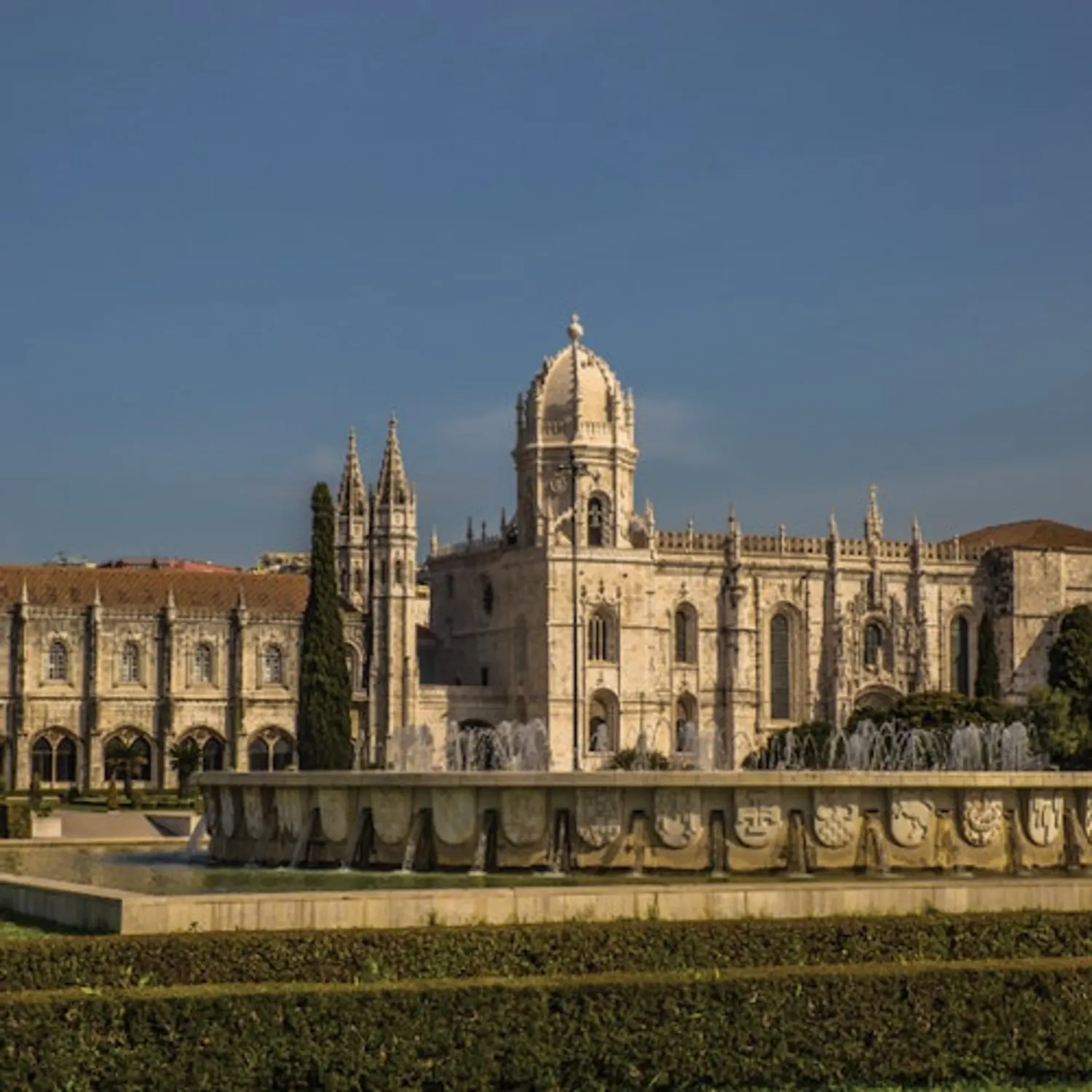
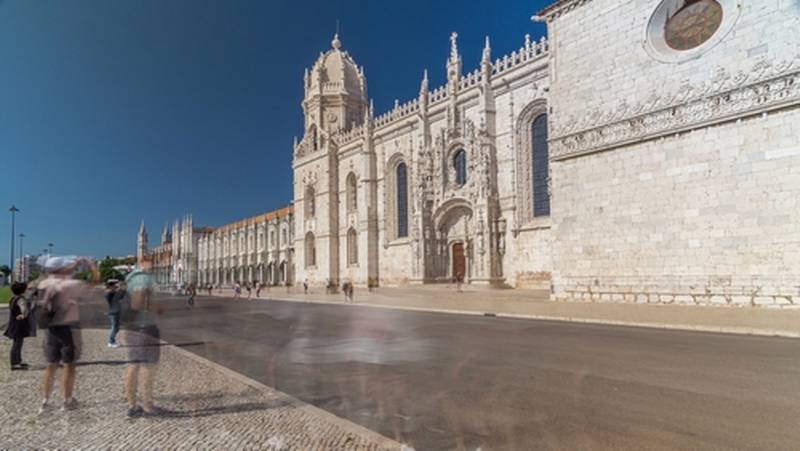
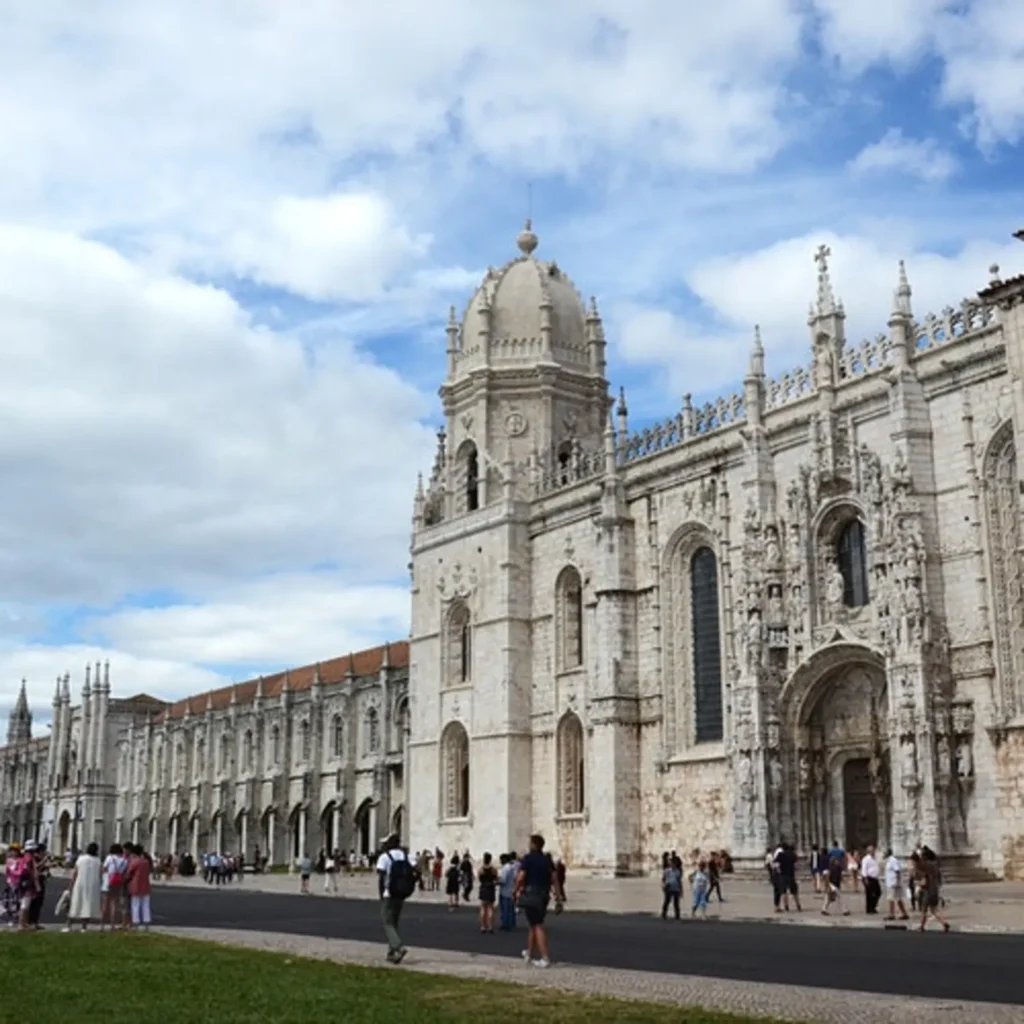
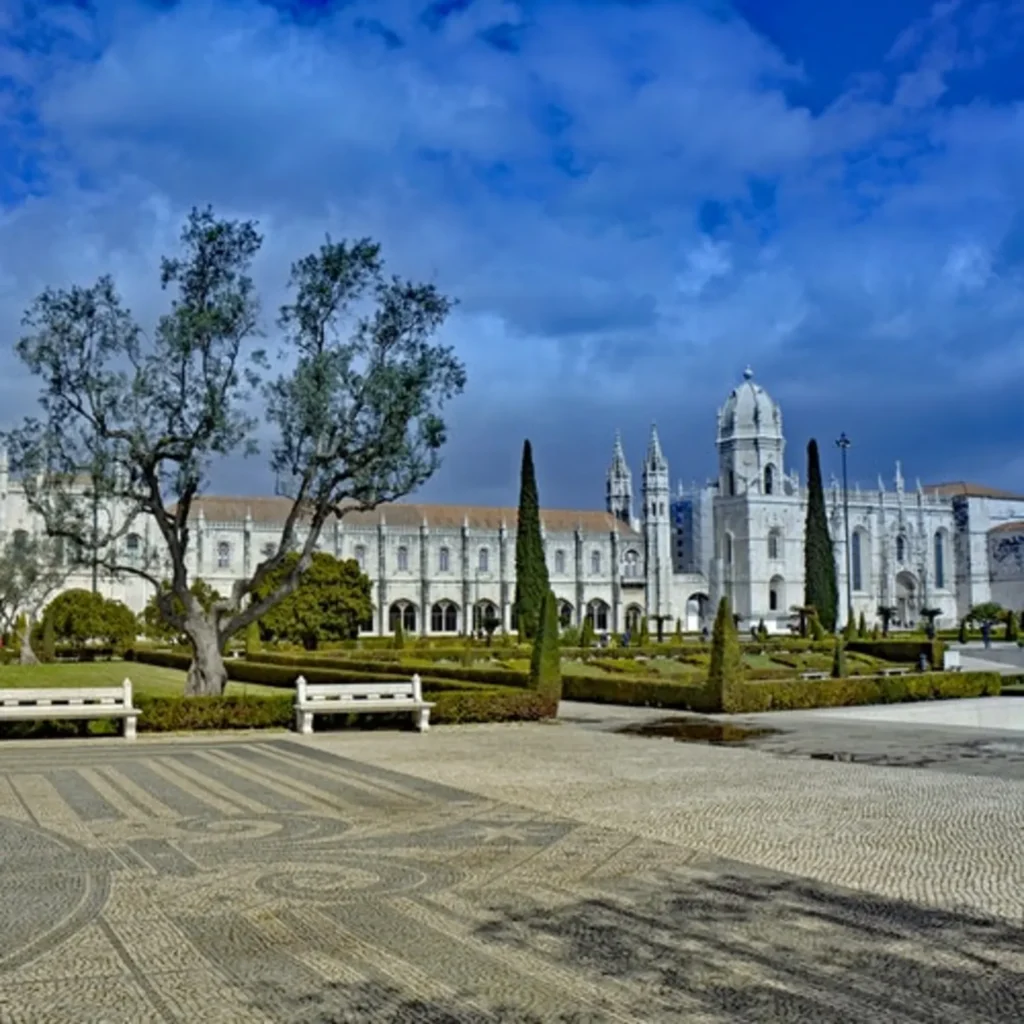
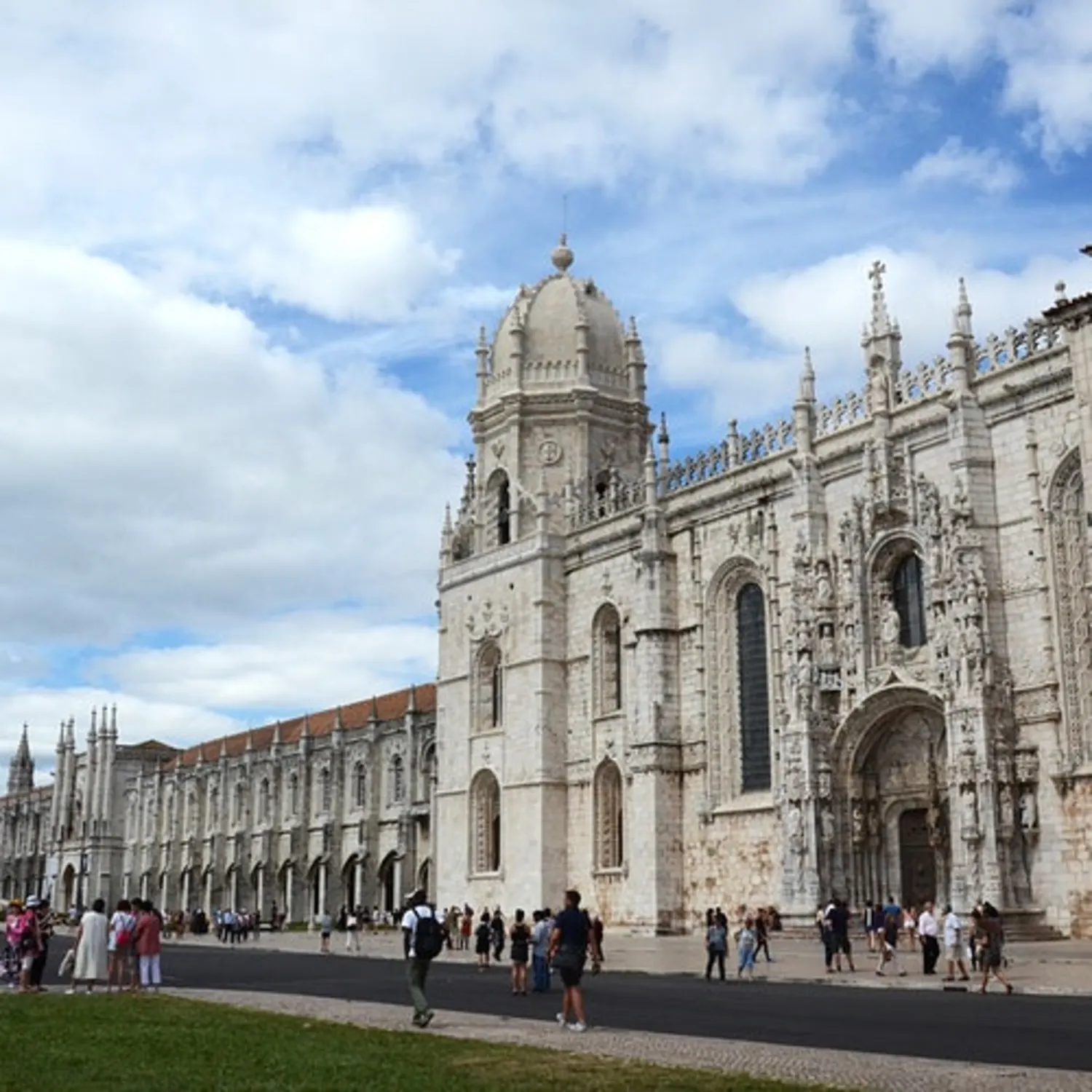
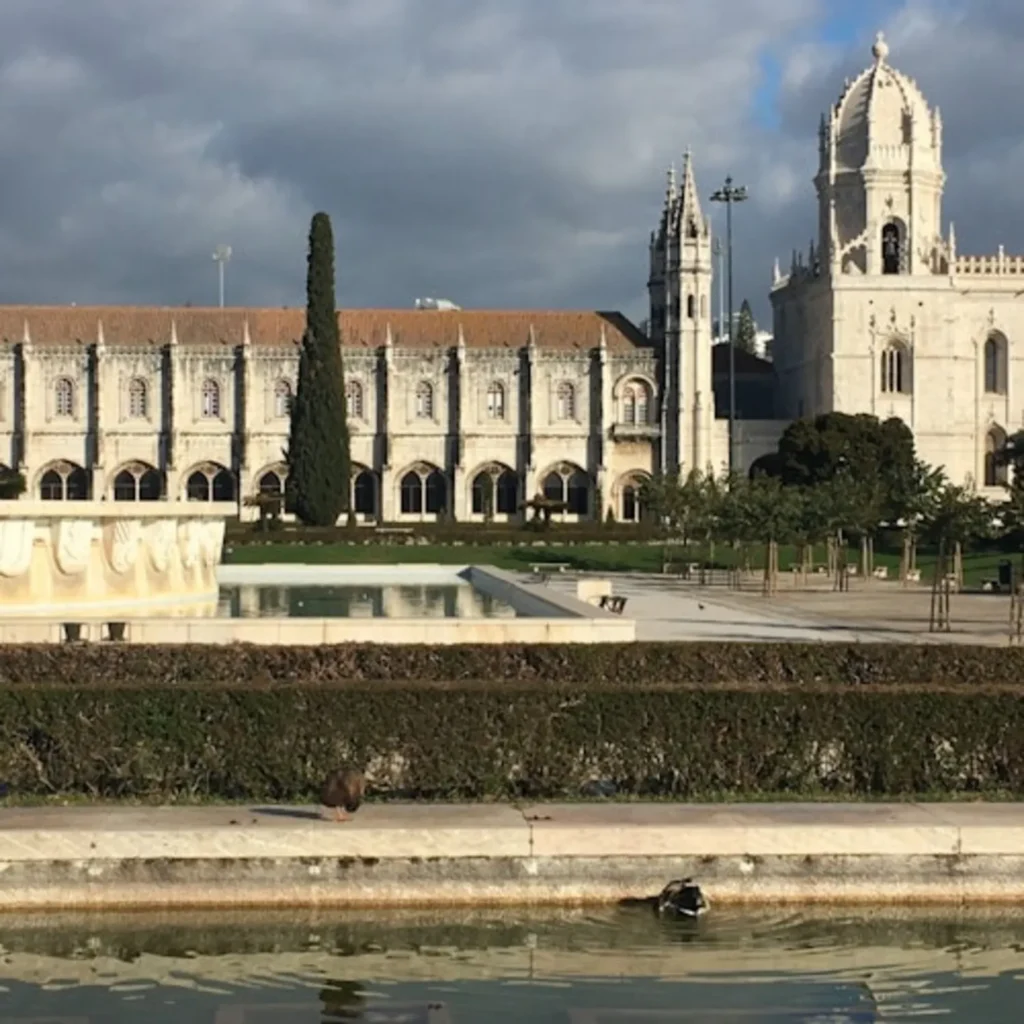
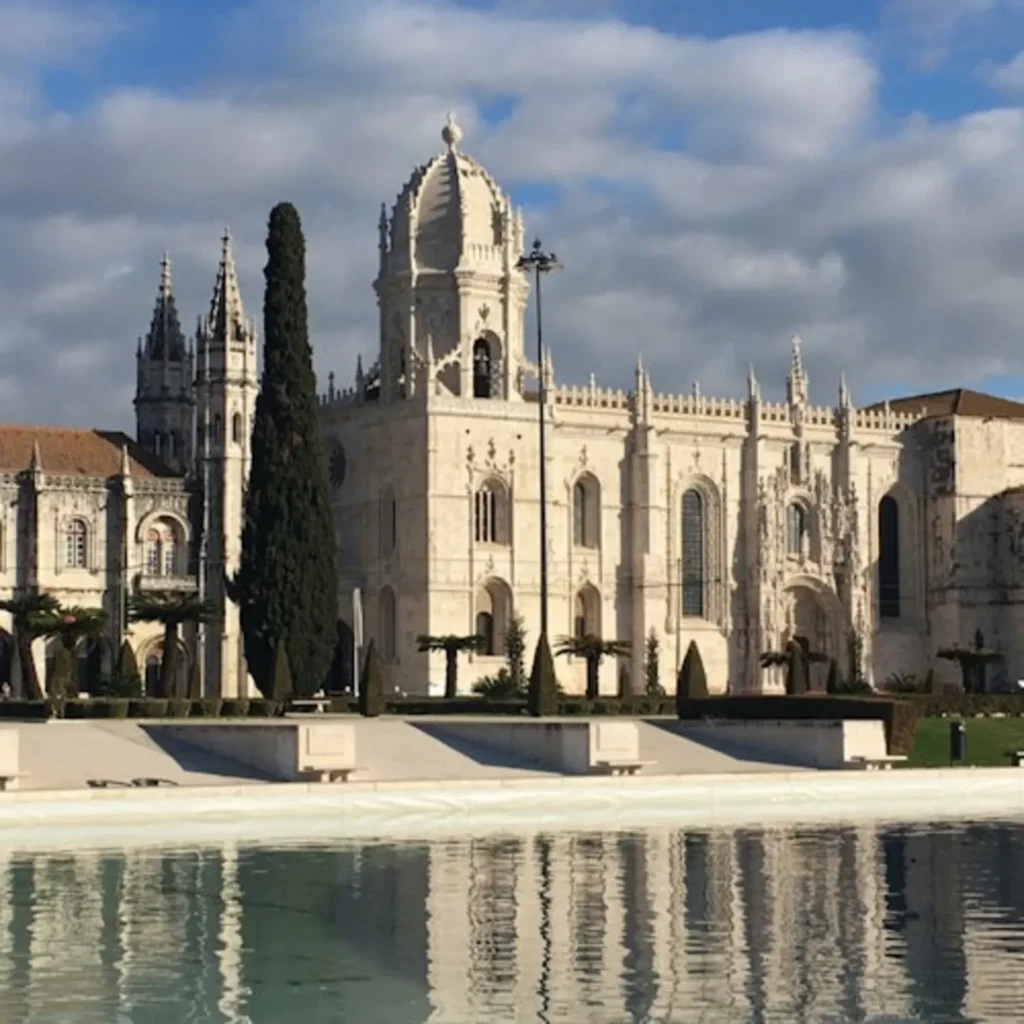
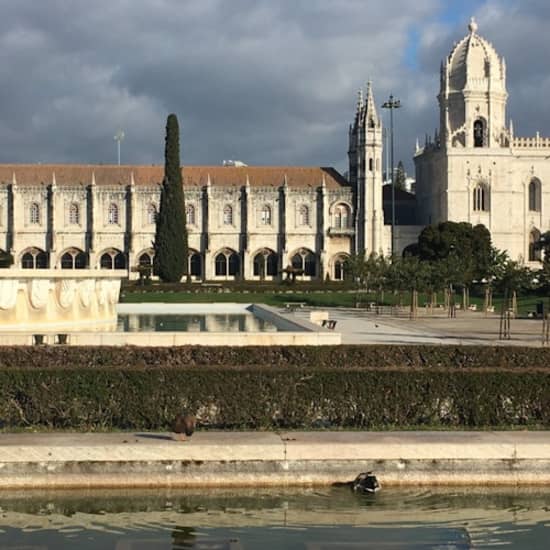
The Jerónimos Monastery, a stunning example of Portuguese Manueline architecture, stands as a symbol of Portugal’s Age of Discovery in Lisbon’s historic Belém district. This UNESCO World Heritage site offers visitors a chance to explore its richly decorated cloisters, impressive church, and royal tombs. Discover the heritage and artistry that define this iconic monument. Secure your tickets today to experience one of Lisbon’s most cherished cultural landmarks.
About Jerónimos Monastery
Why Visit Jerónimos Monastery?
Marvel at Manueline Architecture
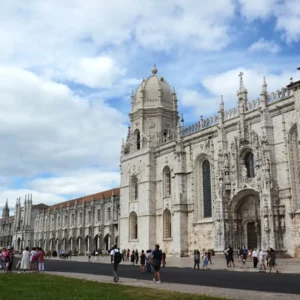
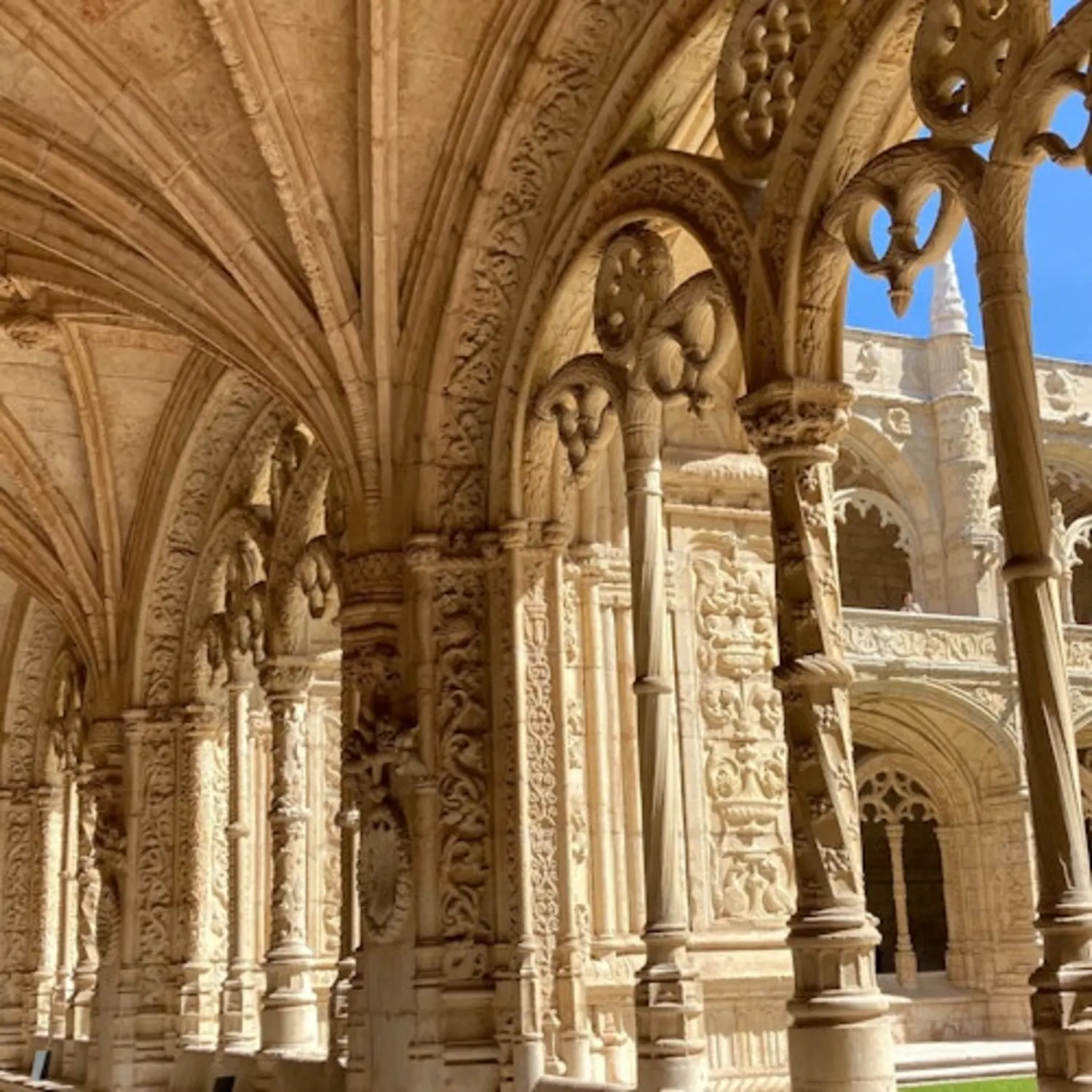
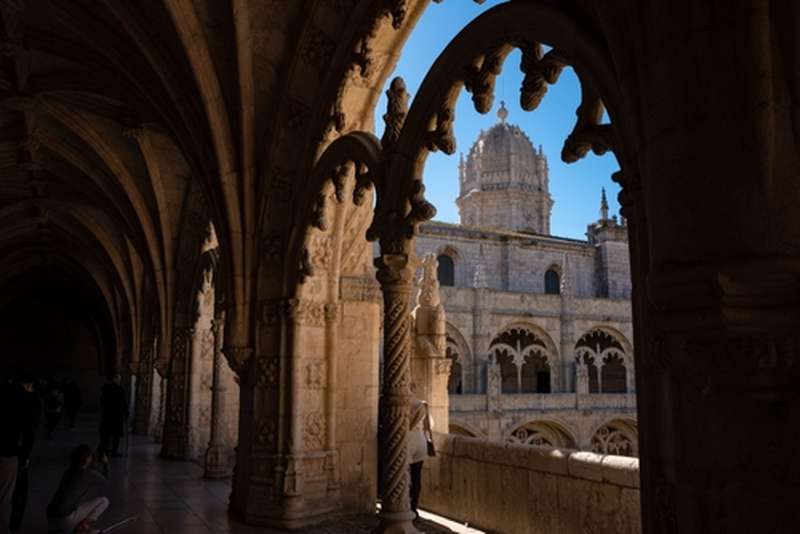
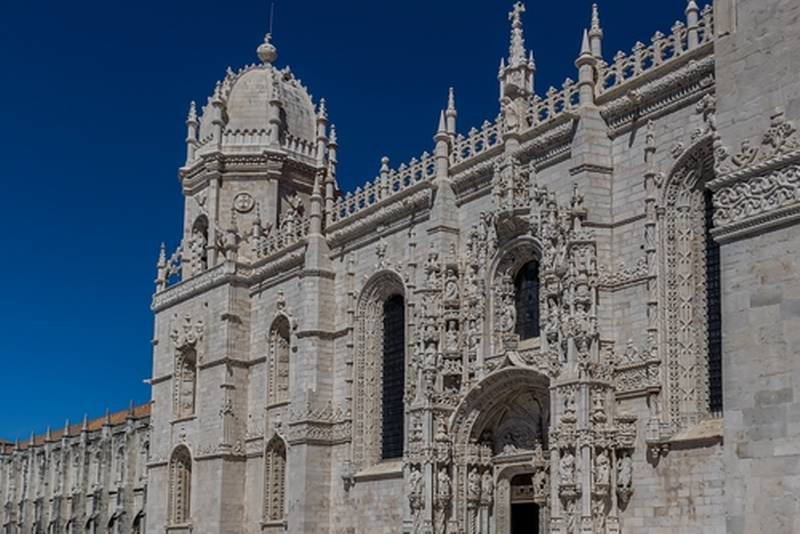
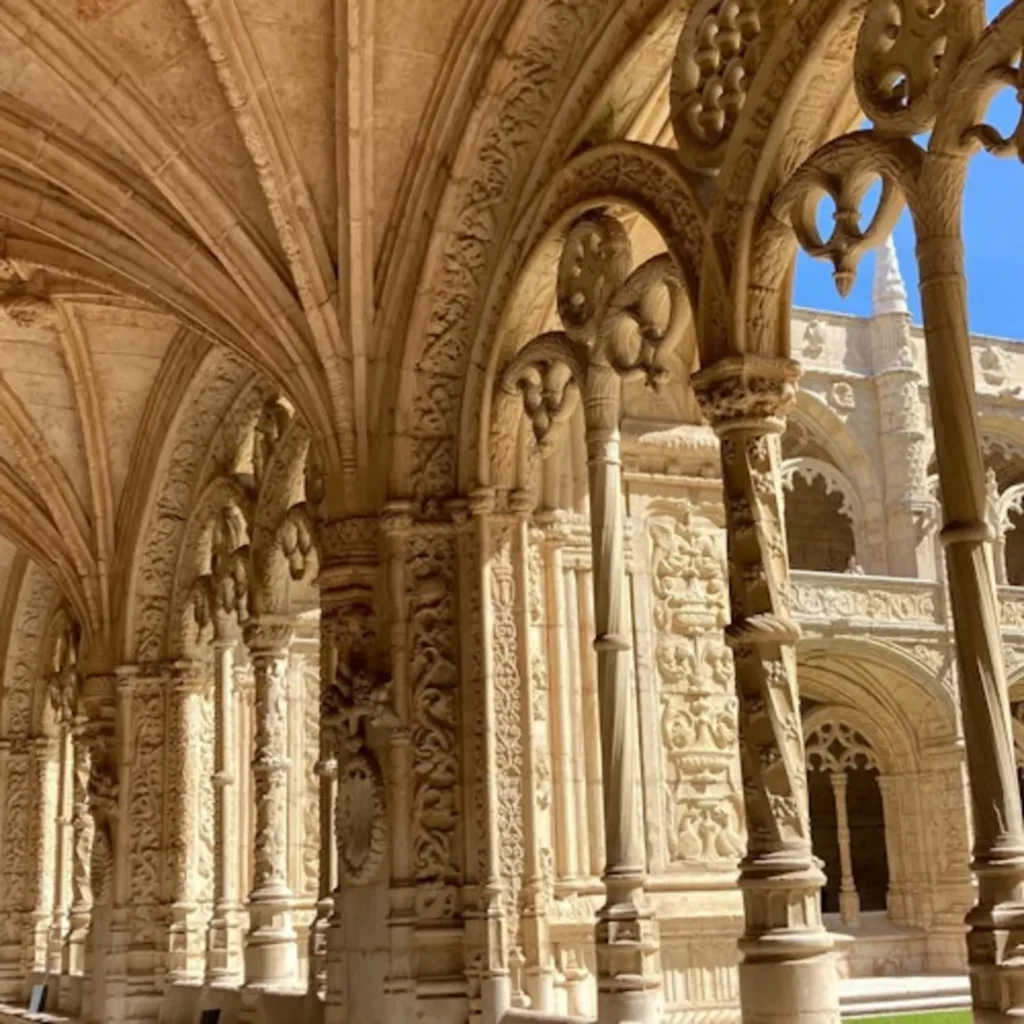
The monastery is the definitive masterpiece of the unique Portuguese Late Gothic style known as Manueline. This elaborate style incorporates maritime motifs—like twisted ropes, anchors, and coral—alongside intricate stone lacework and vaulted ceilings, reflecting the nation's newfound wealth and connection to the sea.
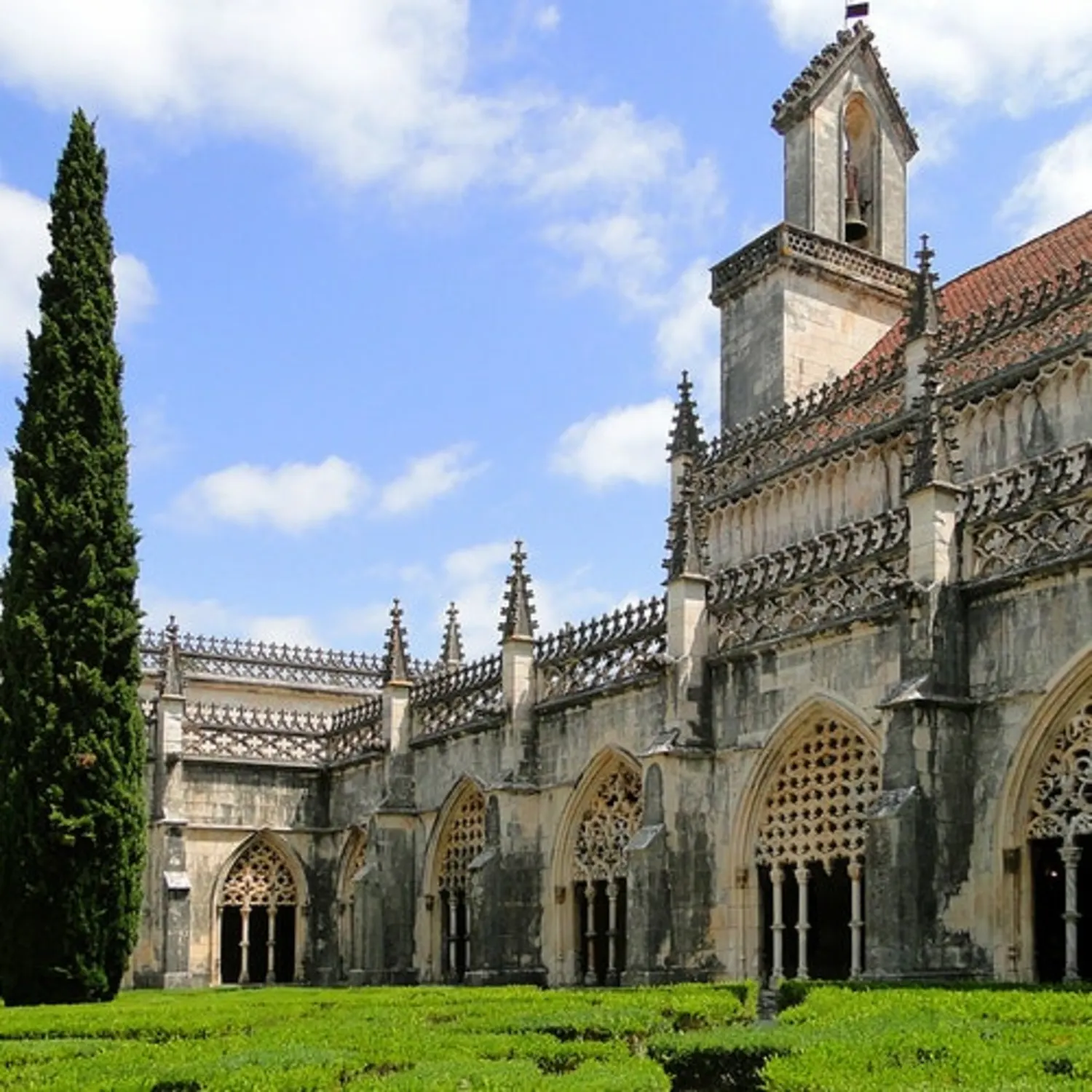
Walk the Grand Two-Story Cloister
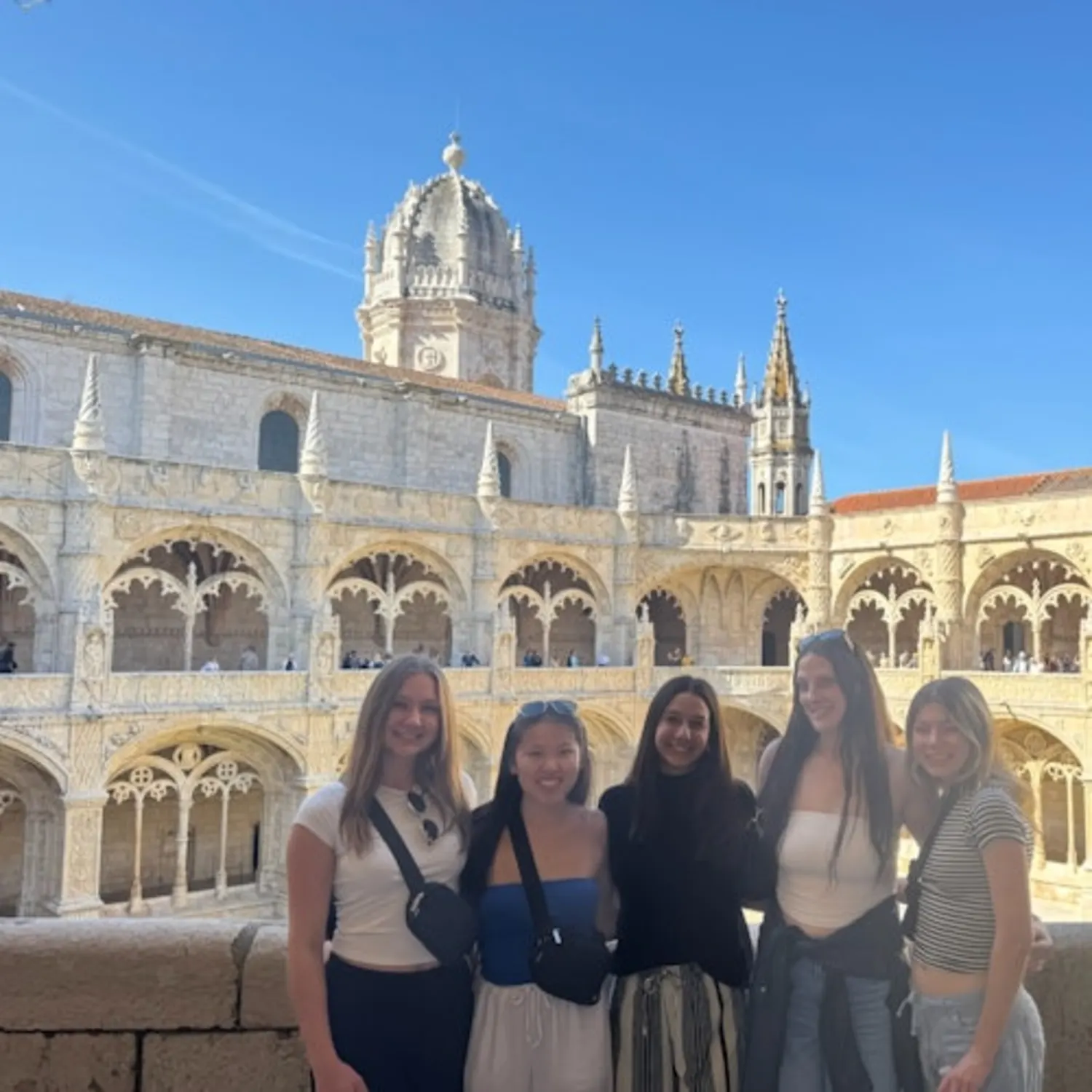
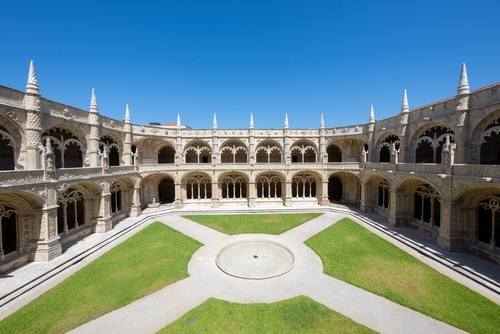
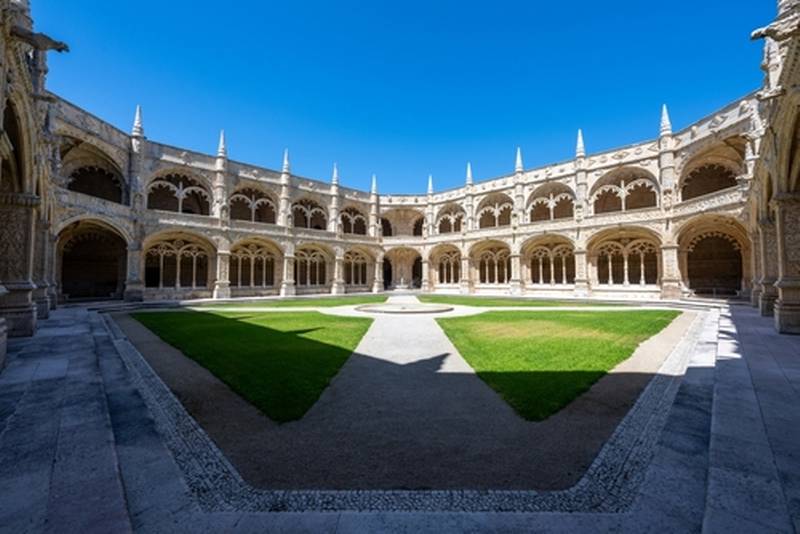
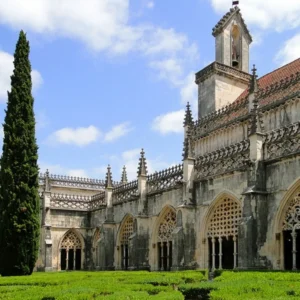
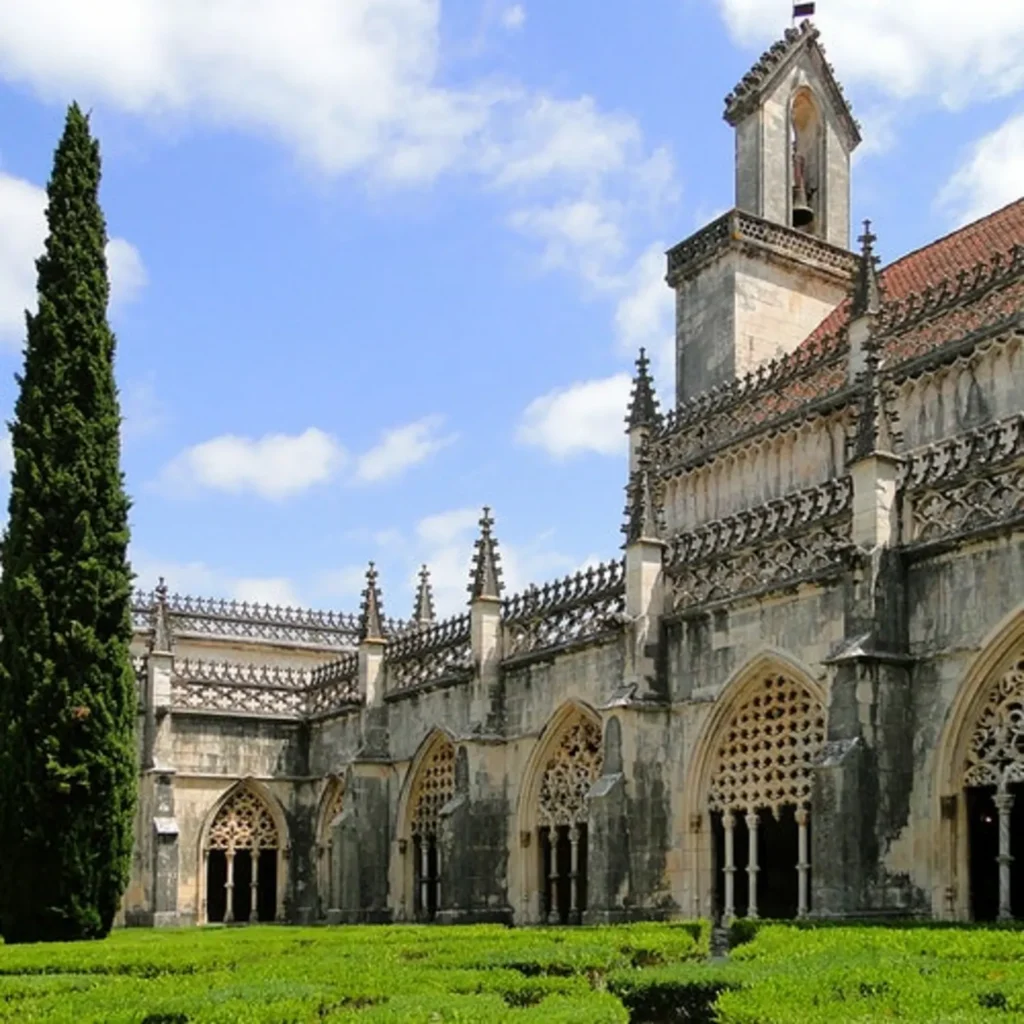
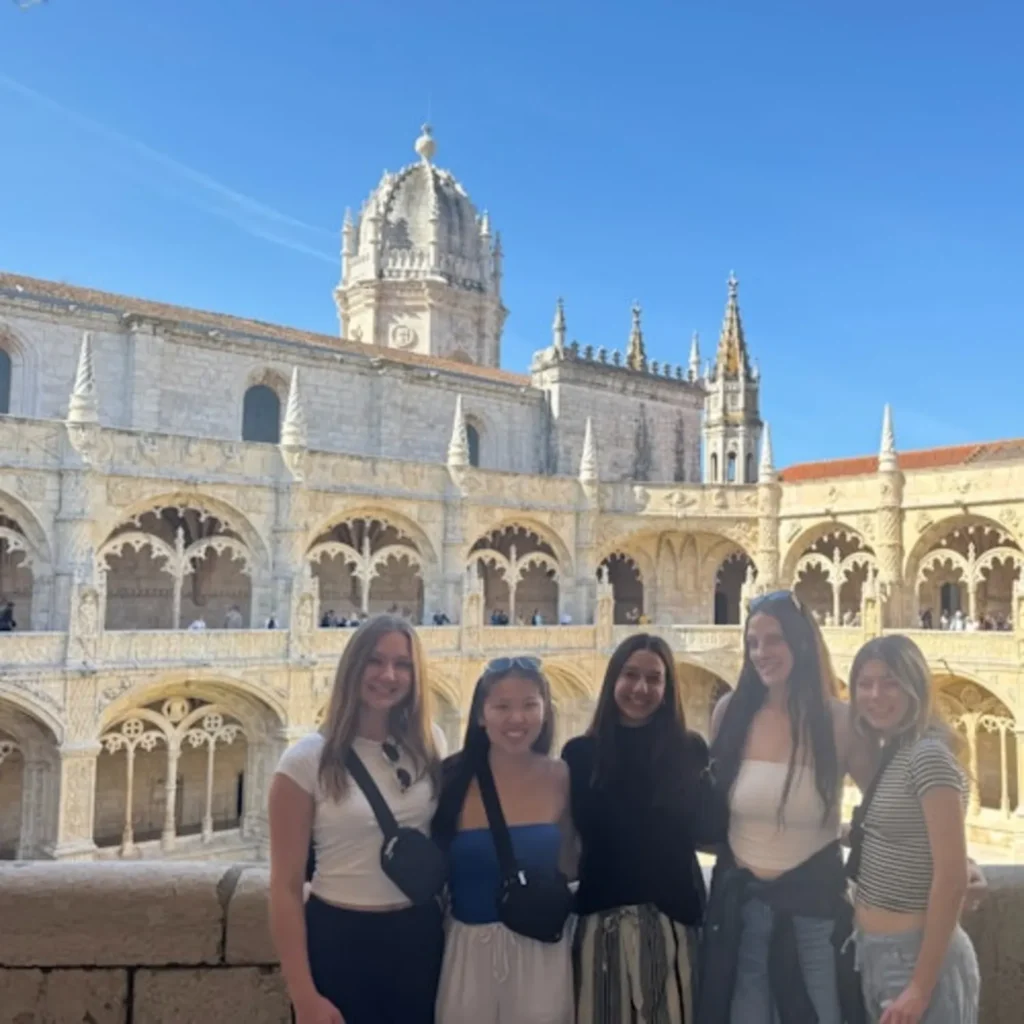
The central cloister is widely considered the architectural crown jewel of the complex. With two stories of stunning filigreed stonework, it offered the Hieronymite monks a serene space for prayer and reflection. The sheer detail and scale of the craftsmanship here are unparalleled in Europe.
See the Final Resting Place of Vasco da Gama
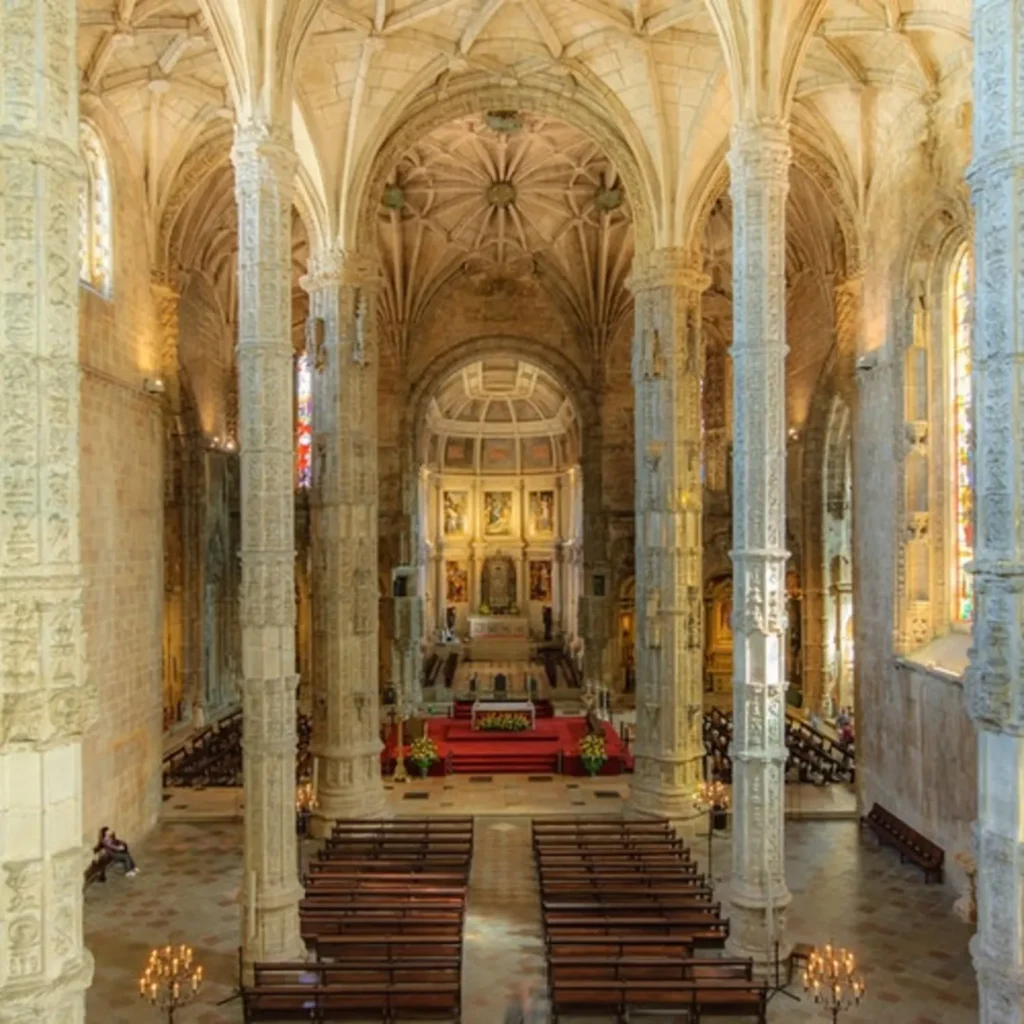
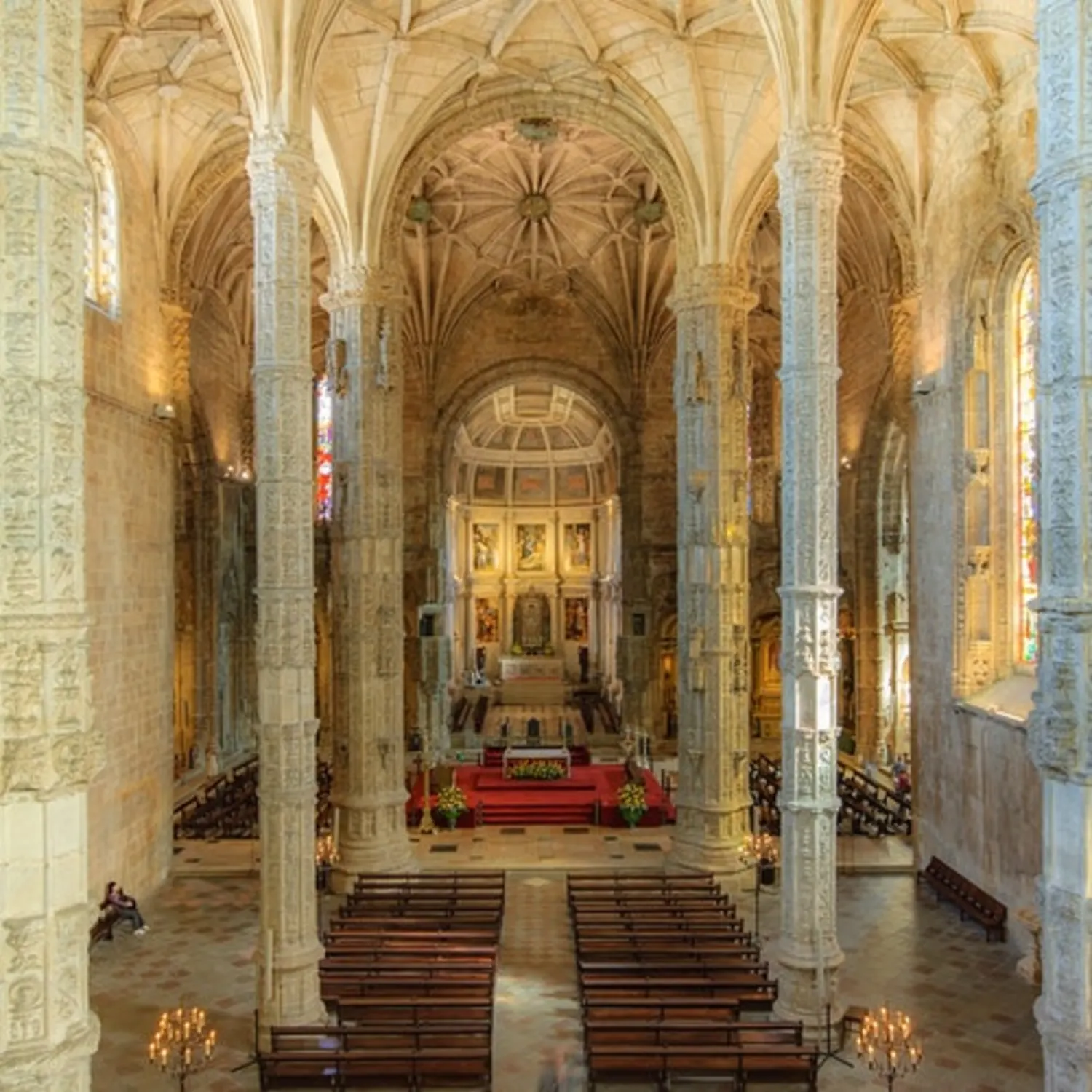
Inside the Monastery's Church of Santa Maria, you can visit the ornate tomb of Vasco da Gama, the celebrated explorer who pioneered the sea route to India. His sarcophagus, along with that of the revered poet Luís de Camões, transforms the church into a profound national pantheon of Portugal's heroes.
Experience the Scale of the Age of Discovery
Built and largely funded by a tax on the spice trade that Vasco da Gama's voyage inaugurated, the monastery physically embodies Portugal's immense global power during the 16th century. Exploring its vast halls and expansive church nave gives visitors a direct sense of the wealth and ambition that drove this era.
Explore the Historic Belém District
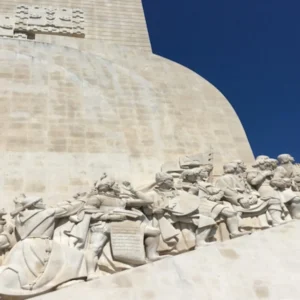
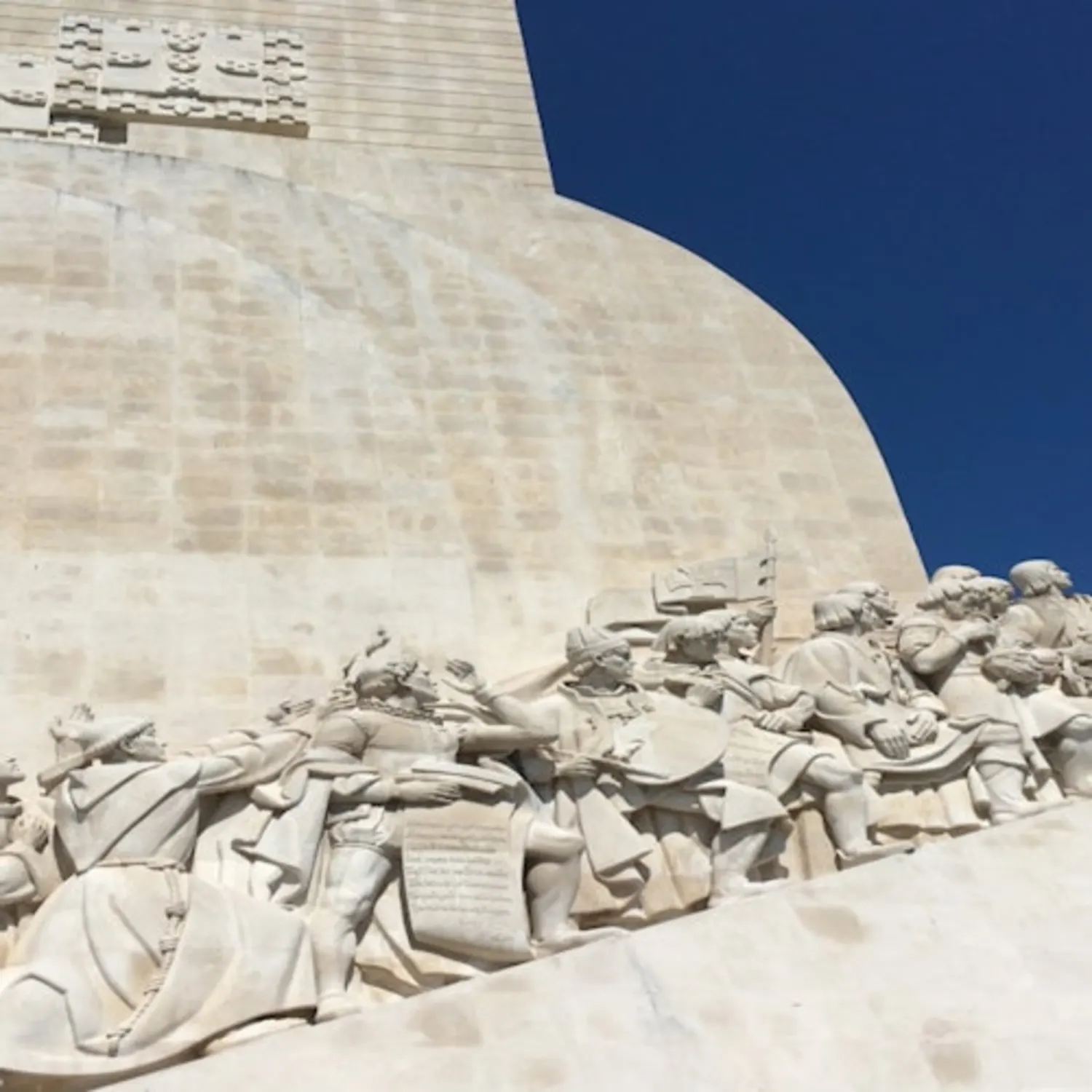
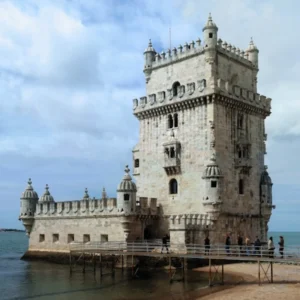
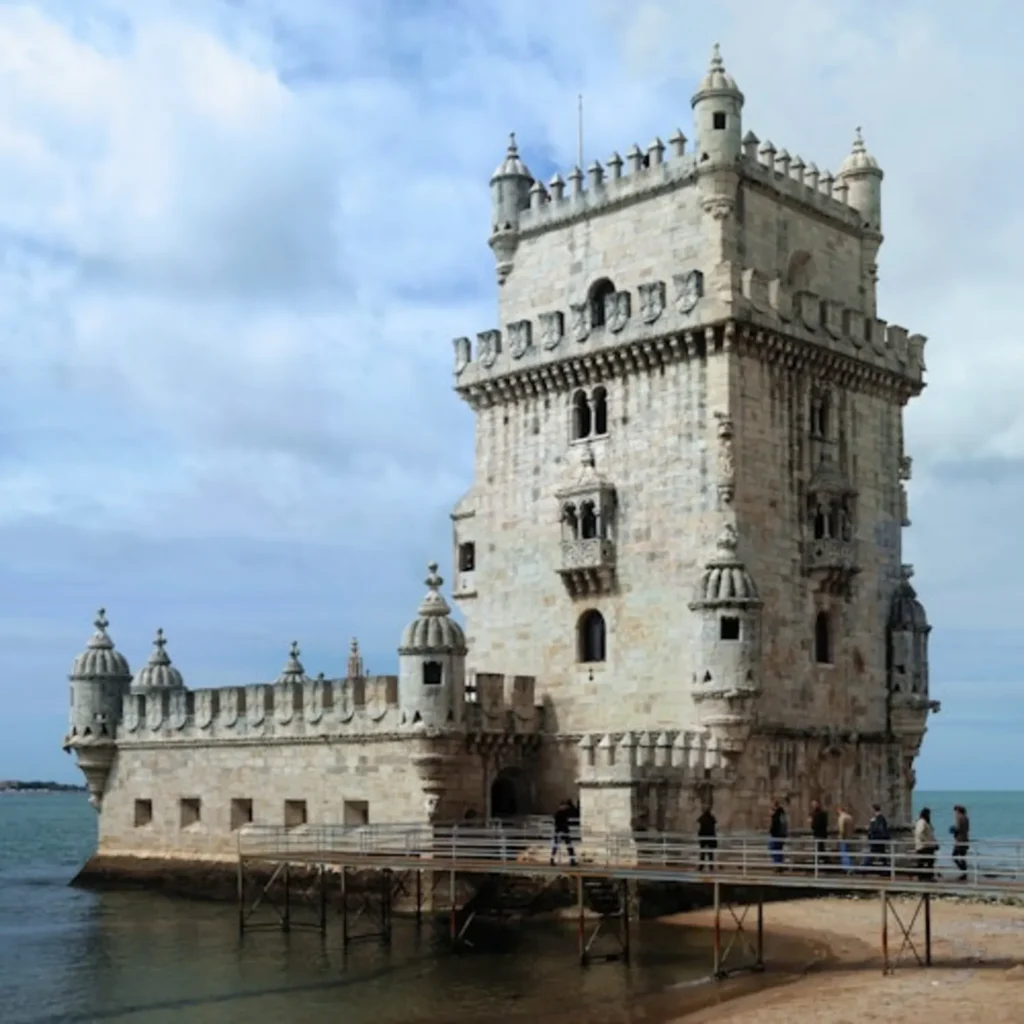
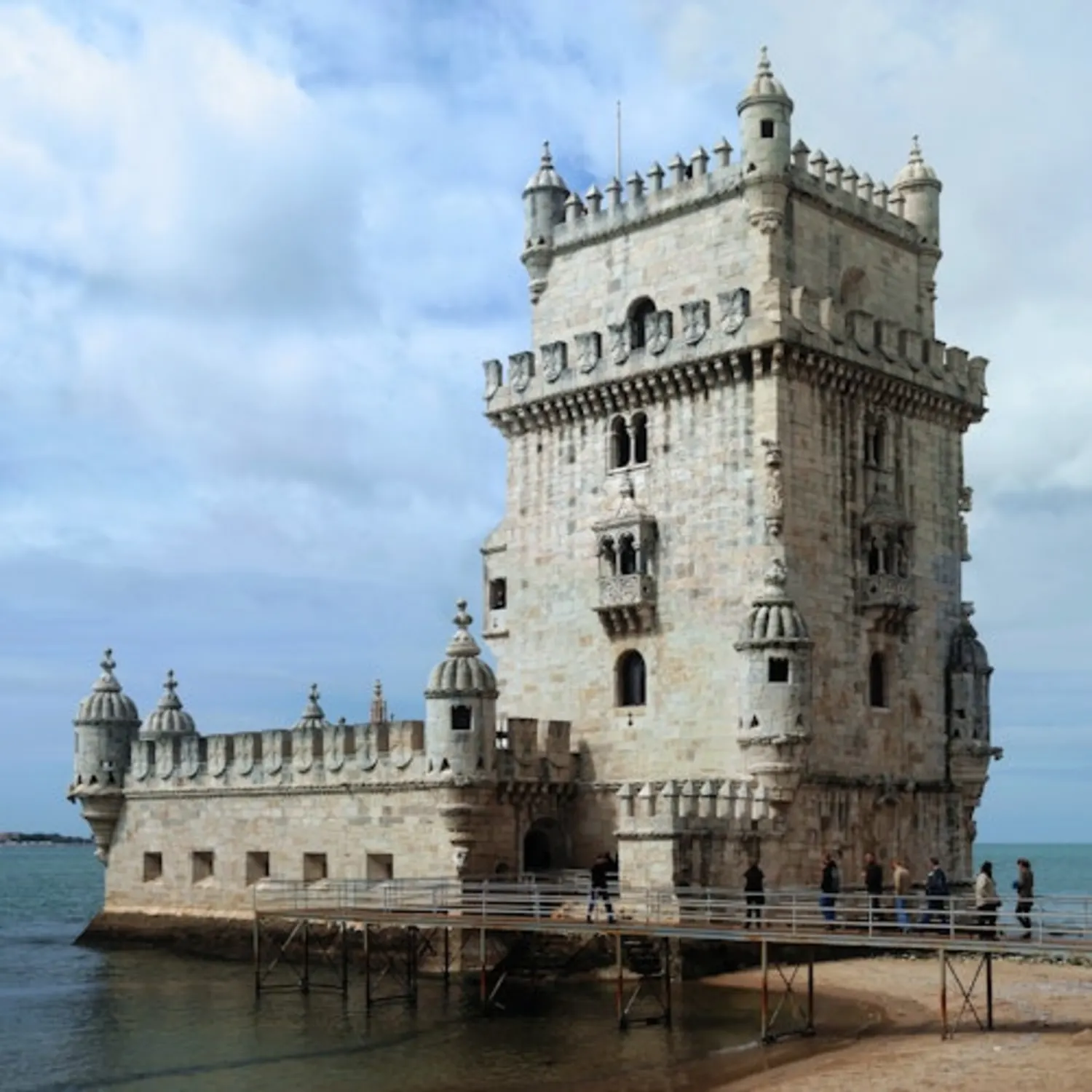
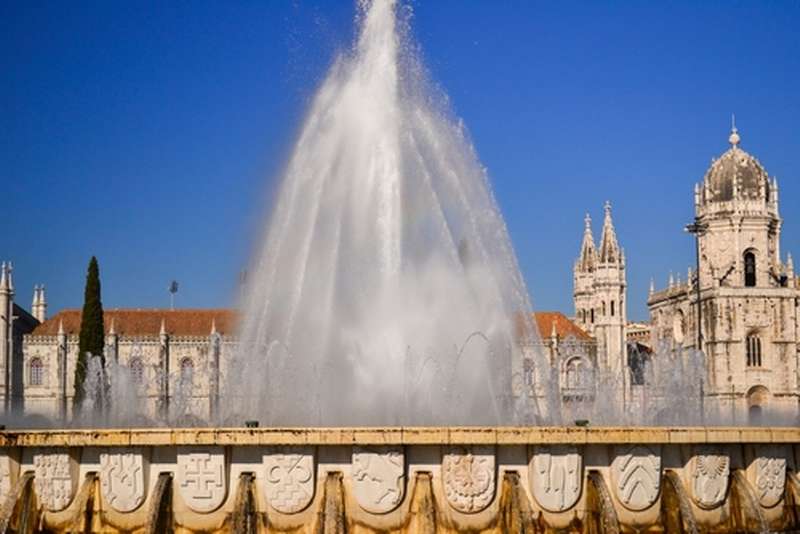
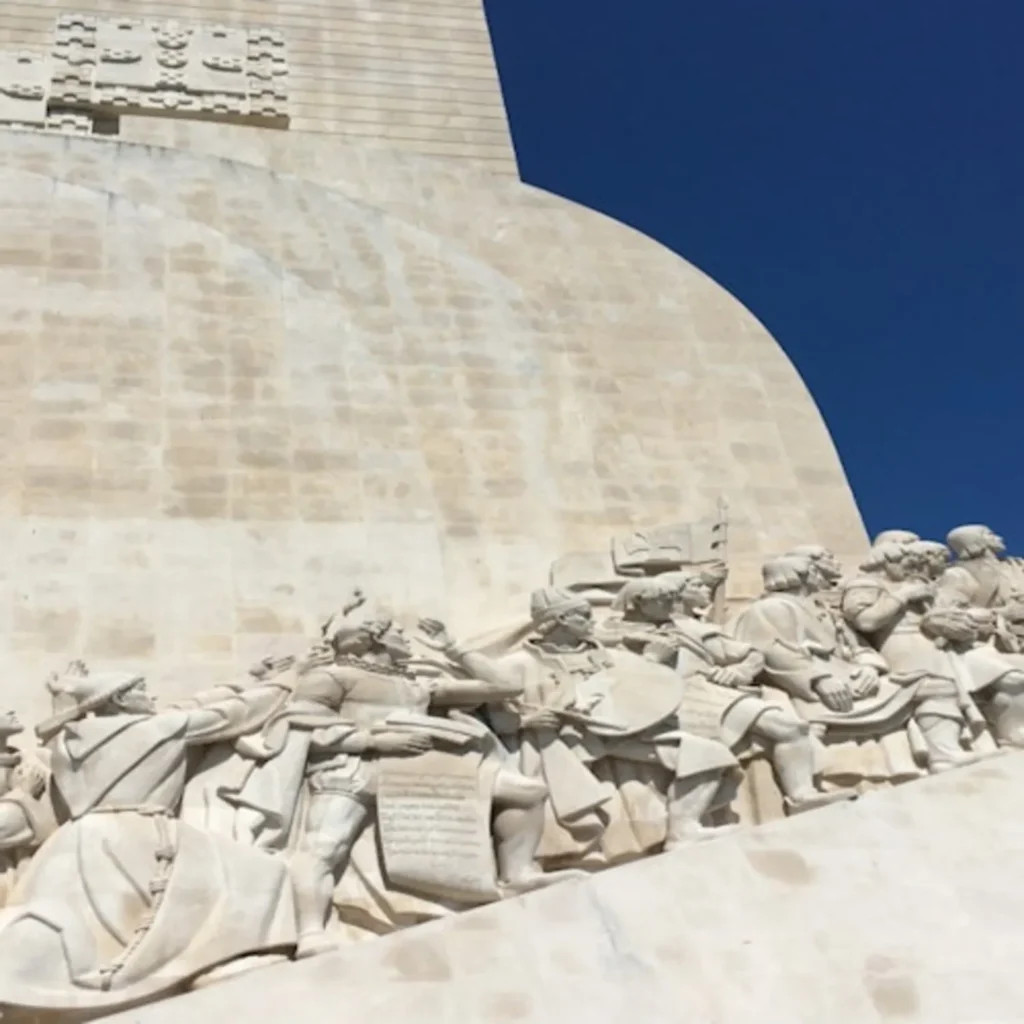
The monastery is perfectly situated in the historic Belém neighborhood, right near the Tagus River from where the great ships of exploration once sailed. A visit here places you steps away from other significant landmarks like the Belém Tower and the Padrão dos Descobrimentos (Monument to the Discoveries), completing your journey into Portugal's maritime past.
Timings
How to Get There?
The Jerónimos Monastery is located in the historic Belém district, situated alongside the Tagus River, approximately six kilometers west of central Lisbon. This location makes it easily accessible using Lisbon's efficient public transport network.
Official Address
Mosteiro dos Jerónimos
Praça do Império
1400-206 Lisboa, Portugal
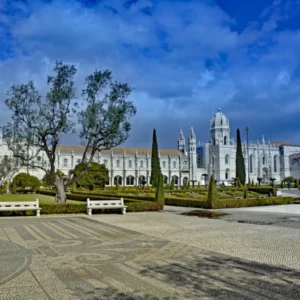
The monastery is centrally located on the large Praça do Império square, directly opposite the Jardim Vasco da Gama park and near the Belém Cultural Centre.
Directions
- By Tram
- Train (Cascais Line)
- By Bus
- By Taxi
- By Ferry
Things to Know Before Visiting Jerónimos Monastery
Book Tickets Online: Always purchase your admission ticket in advance to secure your entry time and bypass the long lines at the on-site ticket office.
The Monastery is Closed on Mondays: Plan your itinerary carefully, as the Cloister and interior rooms are strictly closed every Monday, as well as on major public holidays.
Arrive Early or Late: To experience the tranquility of the Cloister without excessive crowds, aim to arrive right at the 9:30 AM opening or in the late afternoon.
Church Entrance is Separate and Free: While a ticket is required for the Cloister and Museum, entrance to the magnificent Church of Santa Maria is free of charge.
Dress Respectfully: Although there is no strict dress code, visitors are encouraged to dress appropriately for a religious and sacred monument.
Expect Security Checks: Be prepared for standard security checks upon entry, and note that large bags, luggage, and tripods are generally not permitted inside.
Photography is Allowed: Non-flash photography is permitted inside the monastery and cloister, but please respect the historical nature of the site and other visitors.
Combine with Belém Attractions: The monastery is located near the Belém Tower and the Monument to the Discoveries, making it ideal for a full day of sightseeing in the district.
Allow Adequate Time: Allocate at least one to two hours to properly explore the entire complex, including the Church, the Cloister, and the upper floor rooms.
Facilities
Accessibility
Souvenir Store
Interesting Facts about Jerónimos Monastery
The monastery was commissioned by King Manuel I in 1501 to commemorate Vasco da Gama’s return from India and his gratitude for the successful voyage.
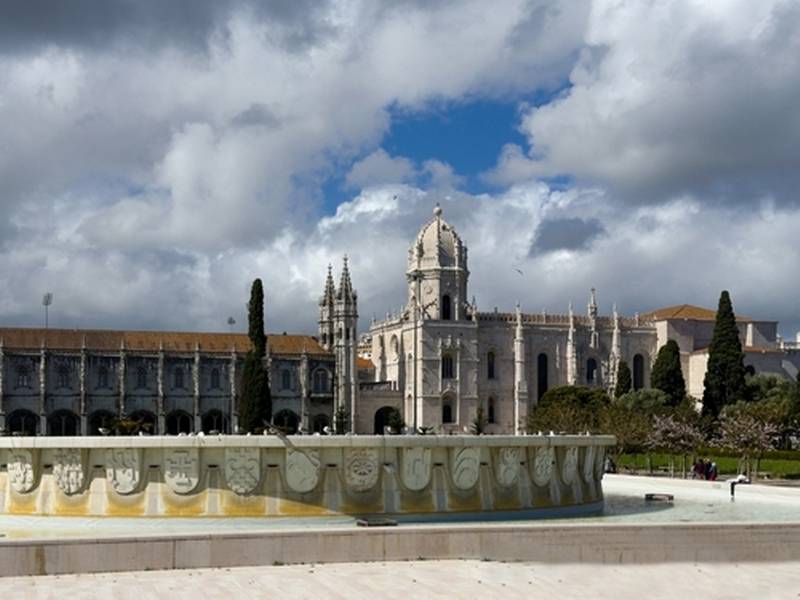
It stands as the most prominent example of the distinct Portuguese architectural style known as Manueline.
The elaborate Manueline style features nautical elements, including carved ropes, globes, and coral, symbolizing the nation's maritime power.
The entire complex was largely financed by a 5% tax levied on all spices and gold imported from the East.
Construction spanned nearly 100 years, requiring contributions from some of Europe’s most renowned architects and sculptors.
The Jerónimos Monastery was originally home to the Hieronymite monks, whose duty was to pray for the King and the seafarers.
It was classified as a National Monument in 1907 and received UNESCO World Heritage status in 1983.
The magnificent Cloister is noted for its two stories of highly detailed stone lacework and tranquil courtyard gardens.
Inside the Church of Santa Maria lie the tombs of explorer Vasco da Gama and Portugal’s epic poet, Luís de Camões.
The Monastery survived the devastating 1755 Lisbon earthquake with remarkably little damage, unlike many other structures in the city.
The refectory, where the monks ate, features impressive azulejo tile panels detailing the life of St. Jerome.
The monastery housed a school and an orphanage following the dissolution of religious orders in 1833.
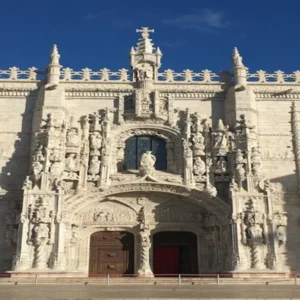
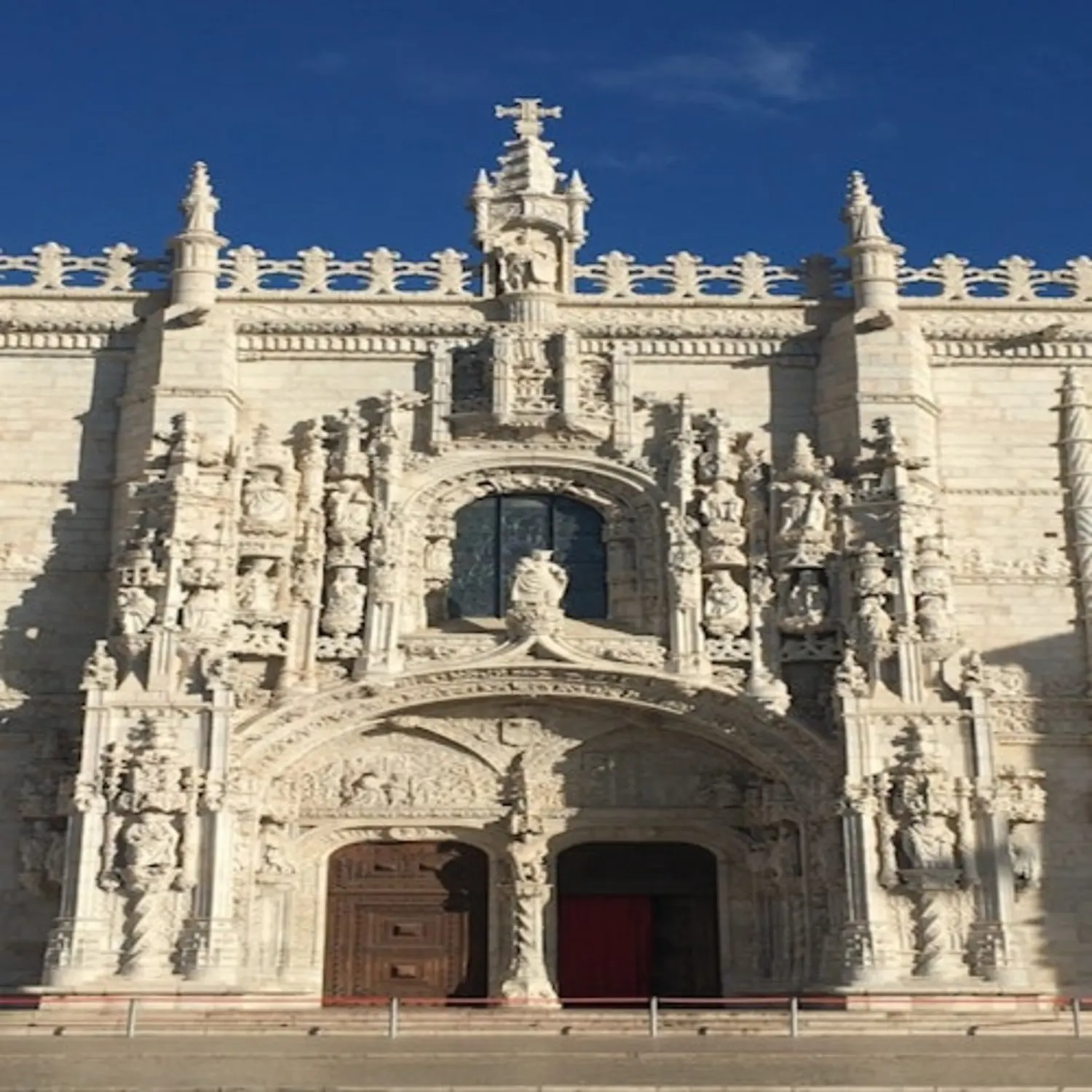
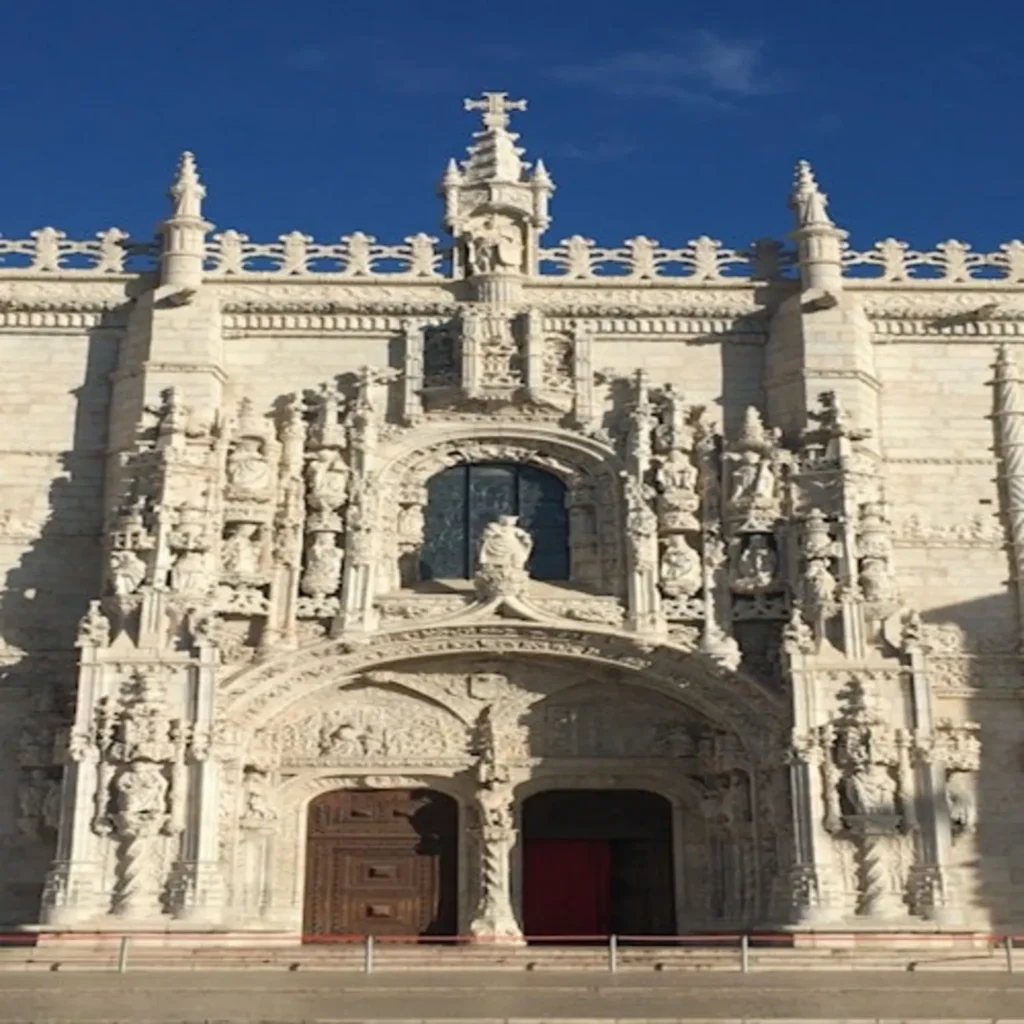
The entrance to the Church, known as the South Portal, is an overwhelmingly detailed work of art that was mainly used for ceremonial occasions.
On the site of the monastery originally stood the Hermitage of Santa Maria de Belém, where Vasco da Gama spent his last night before his journey.
The immense single-vaulted ceiling of the Church is a masterpiece of engineering that provides a clear, unsupported view down the entire nave.