We are processing your request.
Please, don't close or refresh the page.

Lisbon & Sintra Tickets: Book Top Attractions and Transport

Discover the historic landmarks and cultural treasures of Lisbon and Sintra, from hilltop castles to the city’s historic trams. Secure your access to the city’s most iconic monuments, museums, and transport networks without any fuss.

Find your tickets and head out!

Smartphone tickets

Smartphone tickets

Why wait?

Priority Access Available

Instant confirmation

Instant confirmation

Flexible cancellation

Flexible cancellation

Smartphone tickets

Smartphone tickets

Everything you need, right in your pocket!
Why wait?

Why wait?

Skip the line and get priority access
Instant confirmation

Instant confirmation

Receive your tickets seconds after your purchase
Flexible cancellation

Flexible cancellation

Free cancellation up to 24 hours before the event available on selected experiences

Top Things To Do in Lisbon – Book Now

Getting Around Lisbon

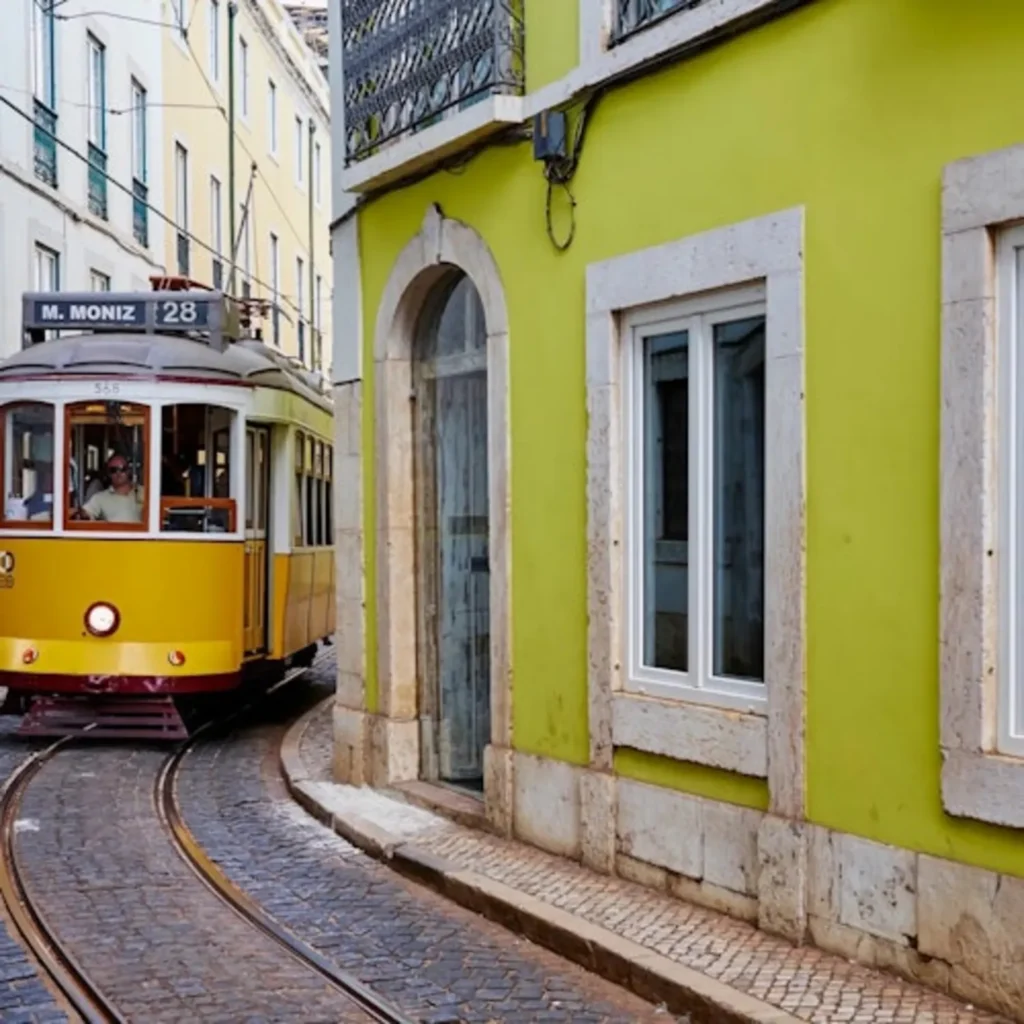
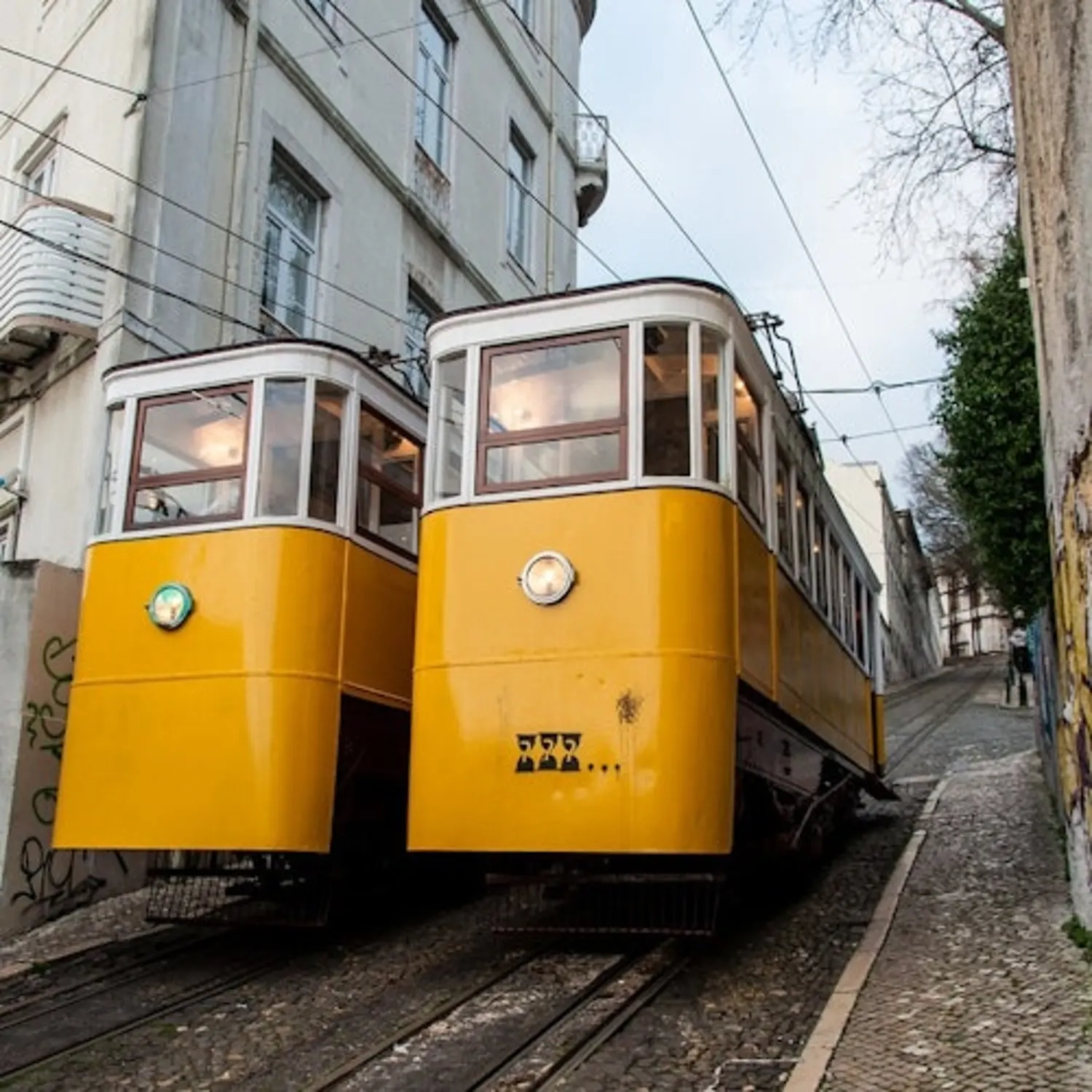
The region's geography is famously steep, but the public transport network is designed to handle it. Between the vintage yellow trams, the metro, and the trains heading out to the coast, there is always a way to reach the next landmark. Many options combine transport and entry fees, which helps keep things simple if you plan on visiting multiple areas in one day.

Practical Tips for Travelers
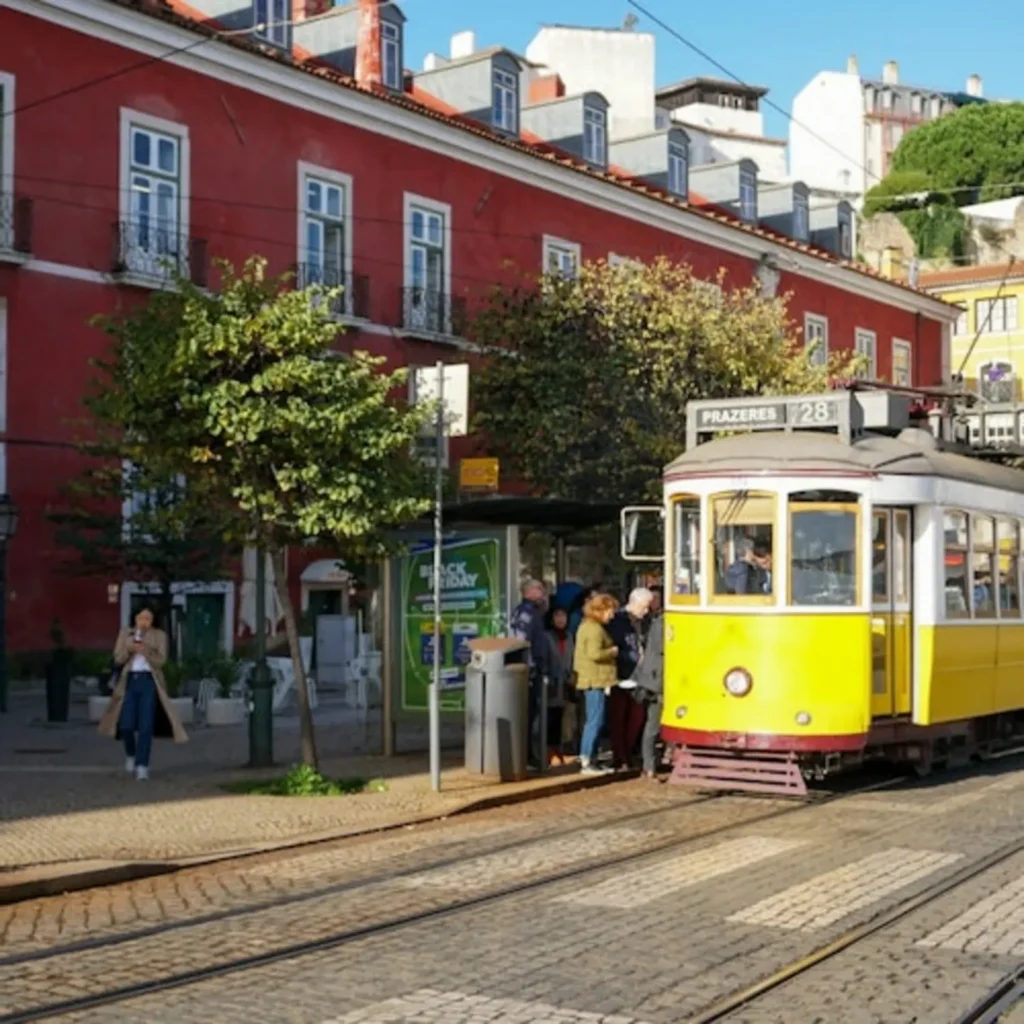
Footwear: Wear sturdy shoes with good grip, as the traditional limestone cobblestones can be very slippery, even when dry.

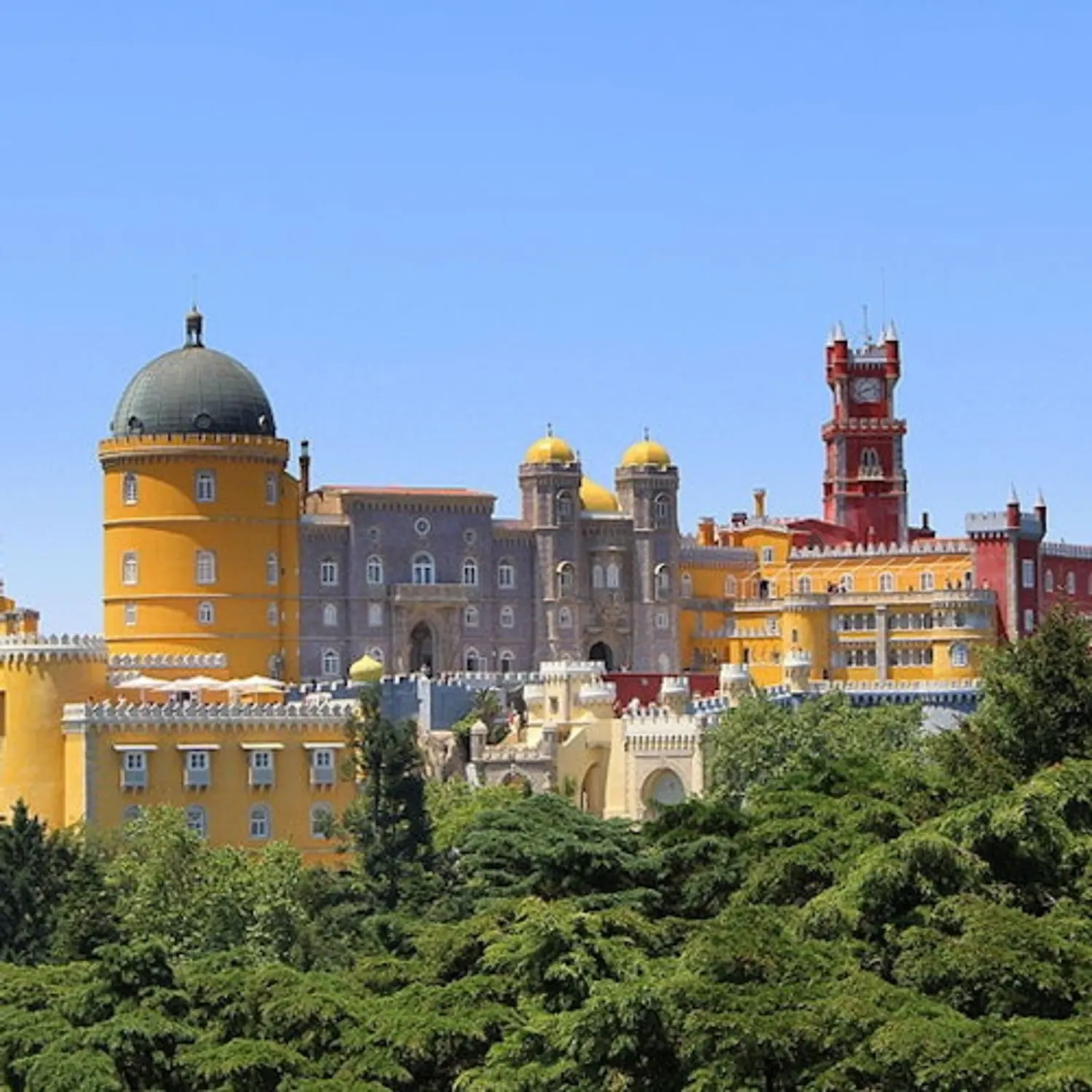
Timing: Popular sites in Sintra and Belém are usually busiest in the middle of the day; visiting early or late often makes for a quieter experience.

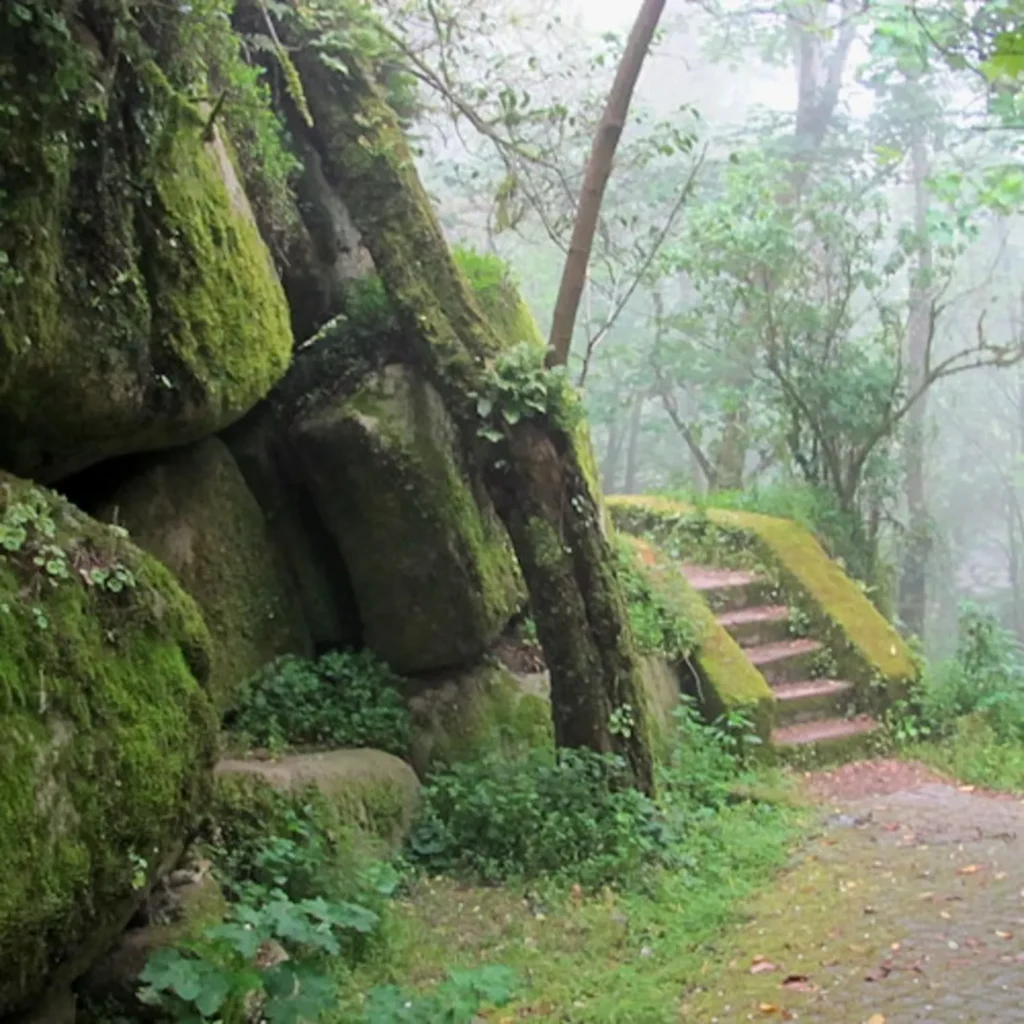
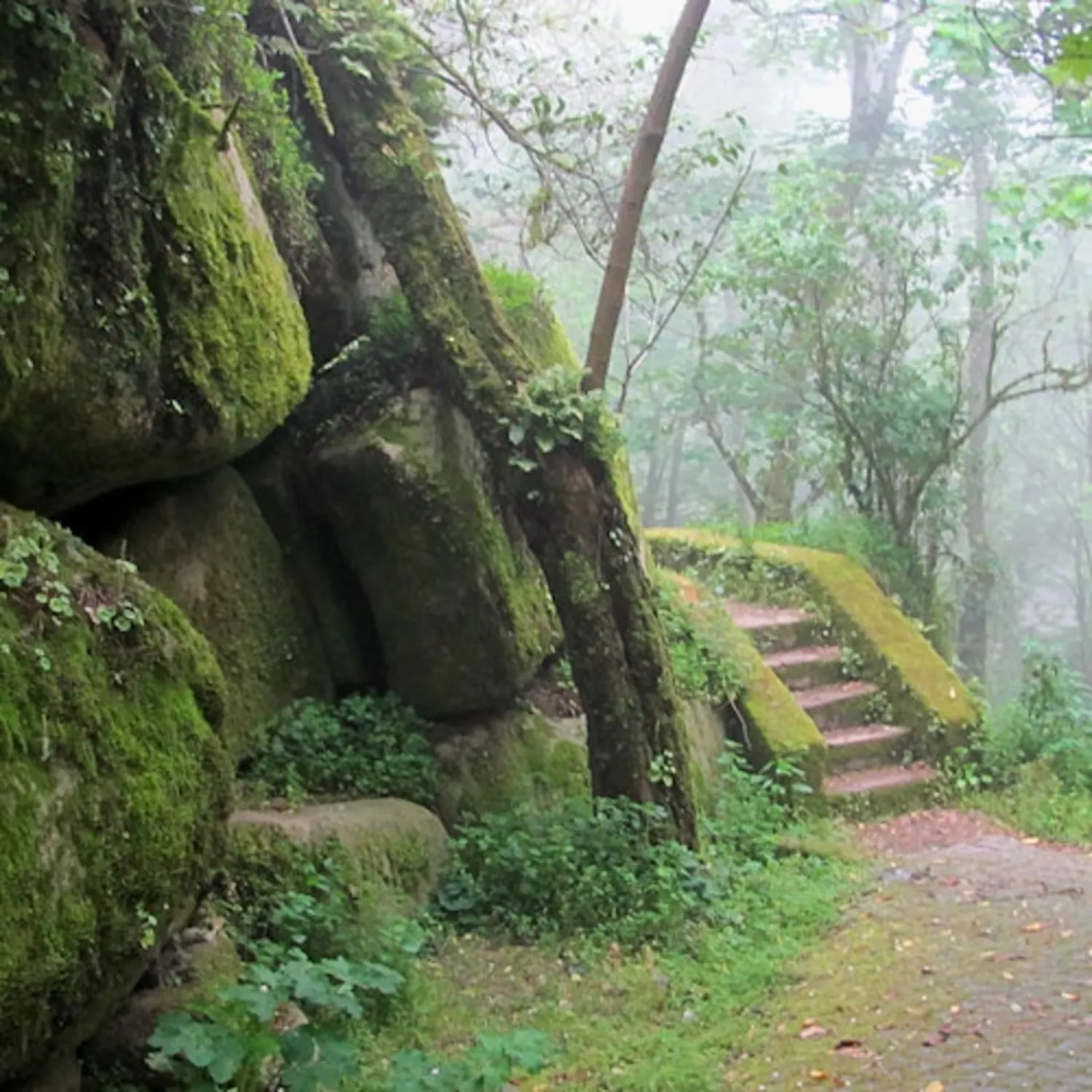
Weather: Even on sunny days, the coastal breeze can be cool, and Sintra often has its own microclimate that is cooler and mistier than downtown Lisbon.

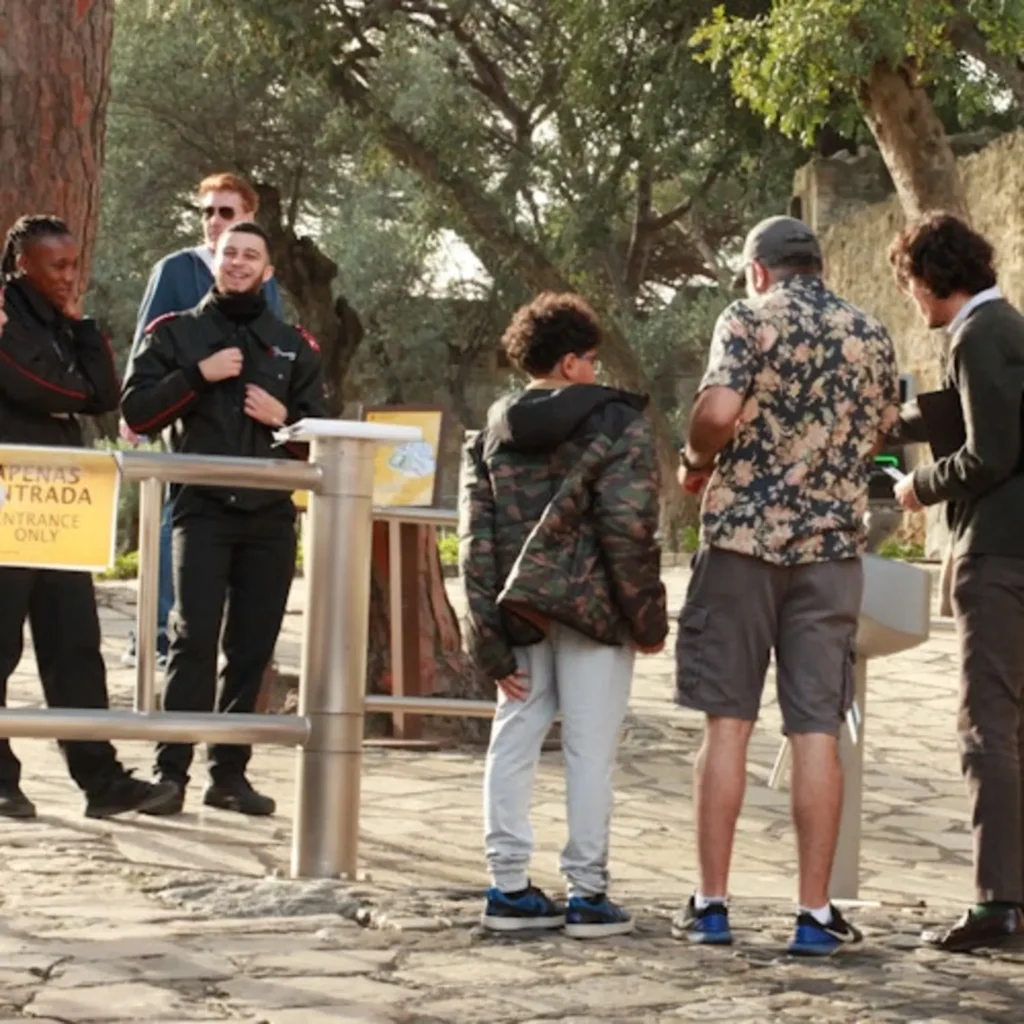
Validation: If your ticket includes transport, remember to validate it at the scanners every time you board a bus, tram, or train.

Historic Landmarks and Local Culture

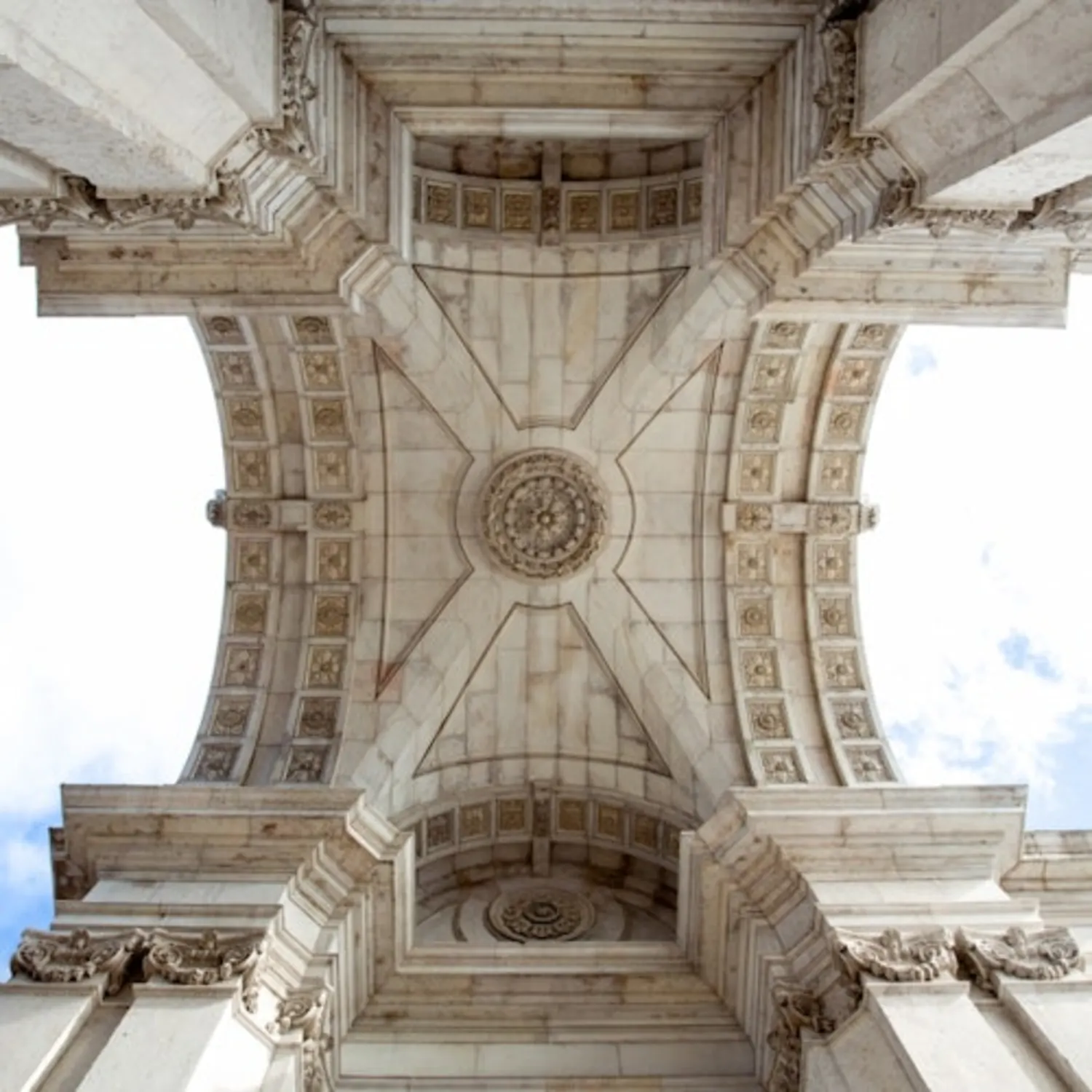
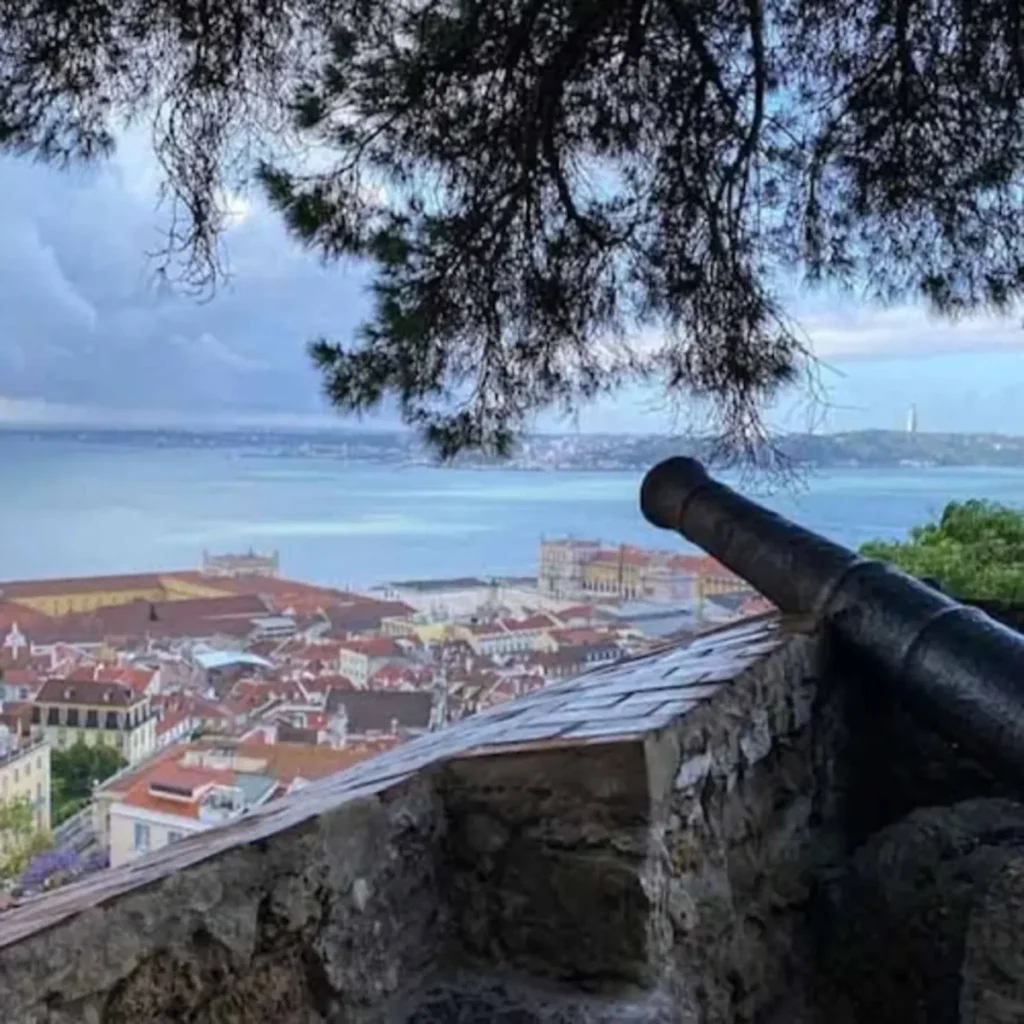
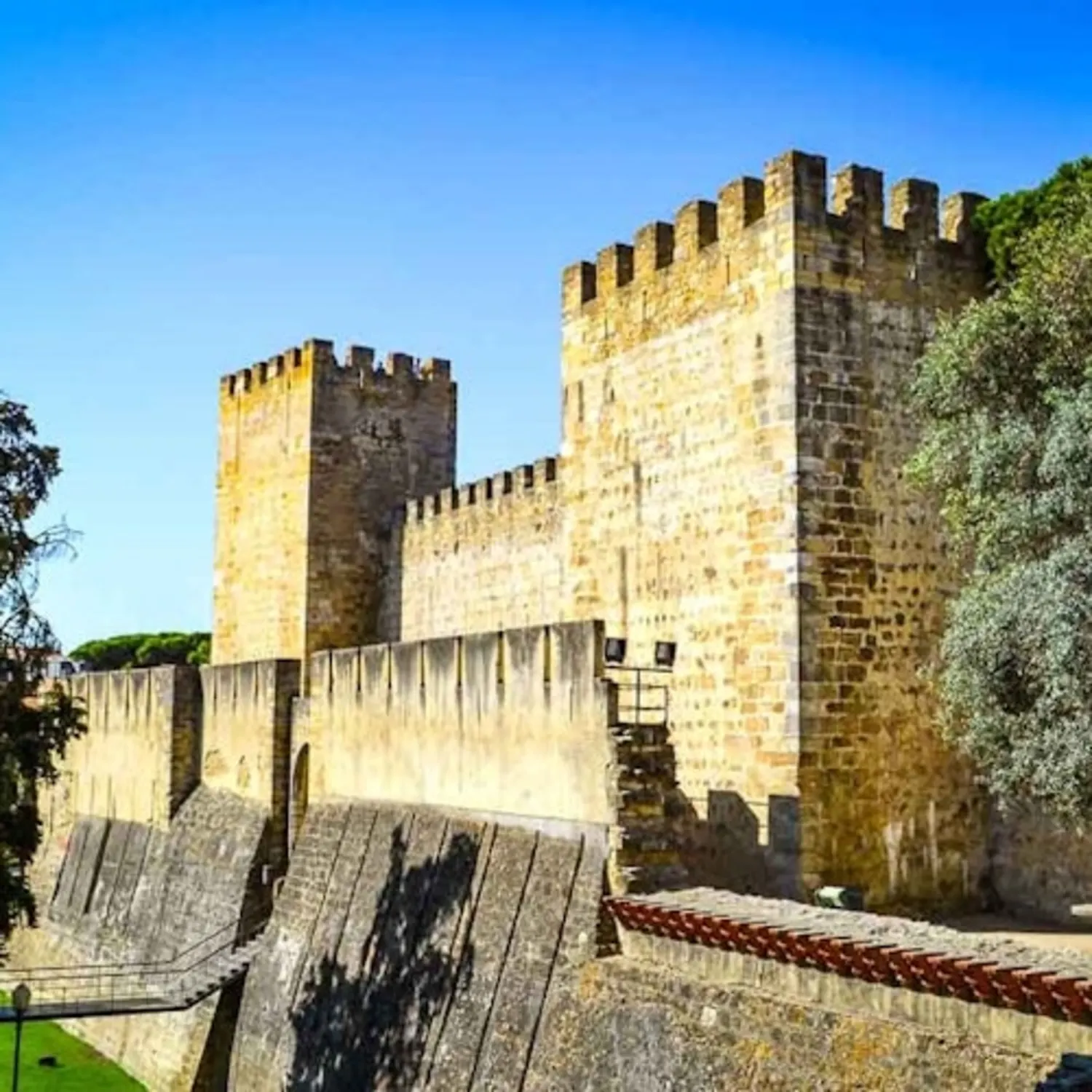
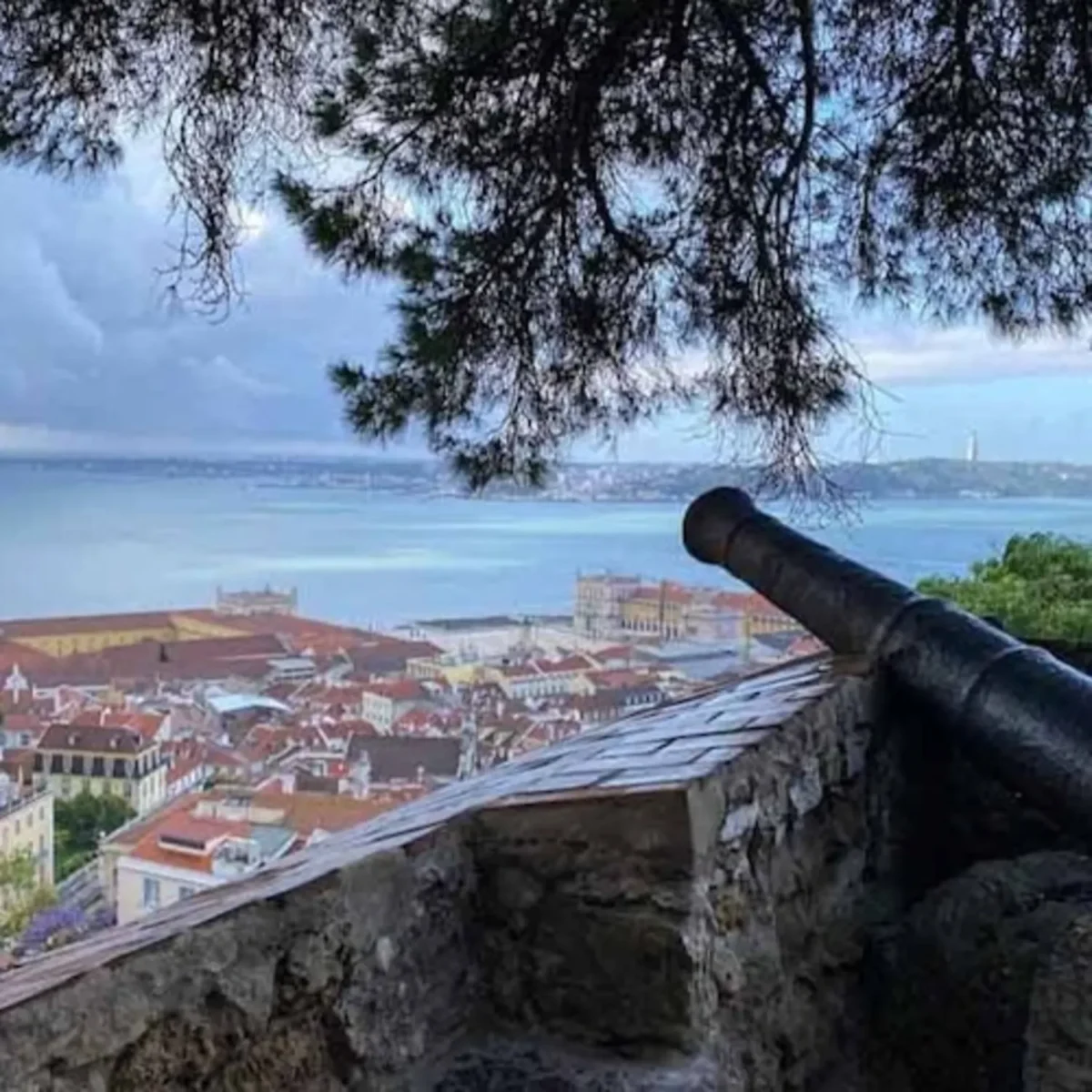
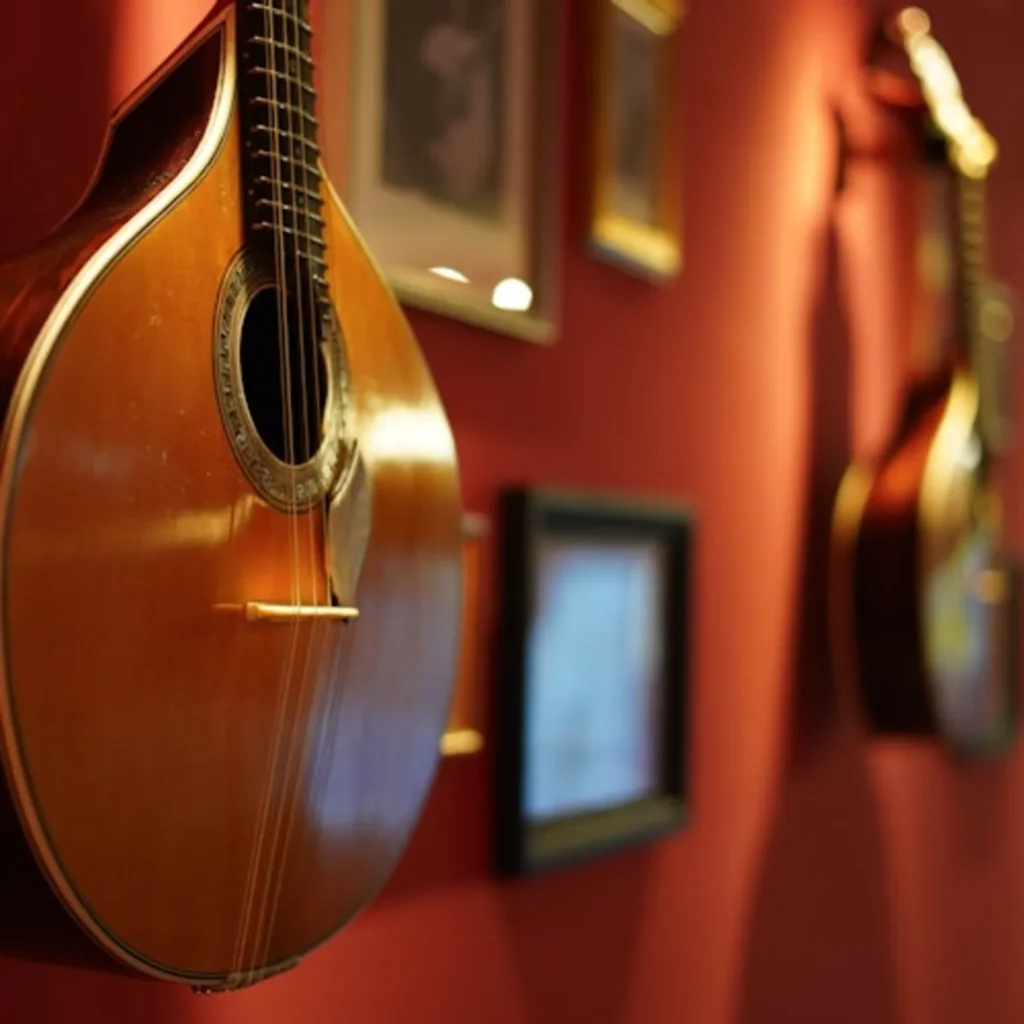
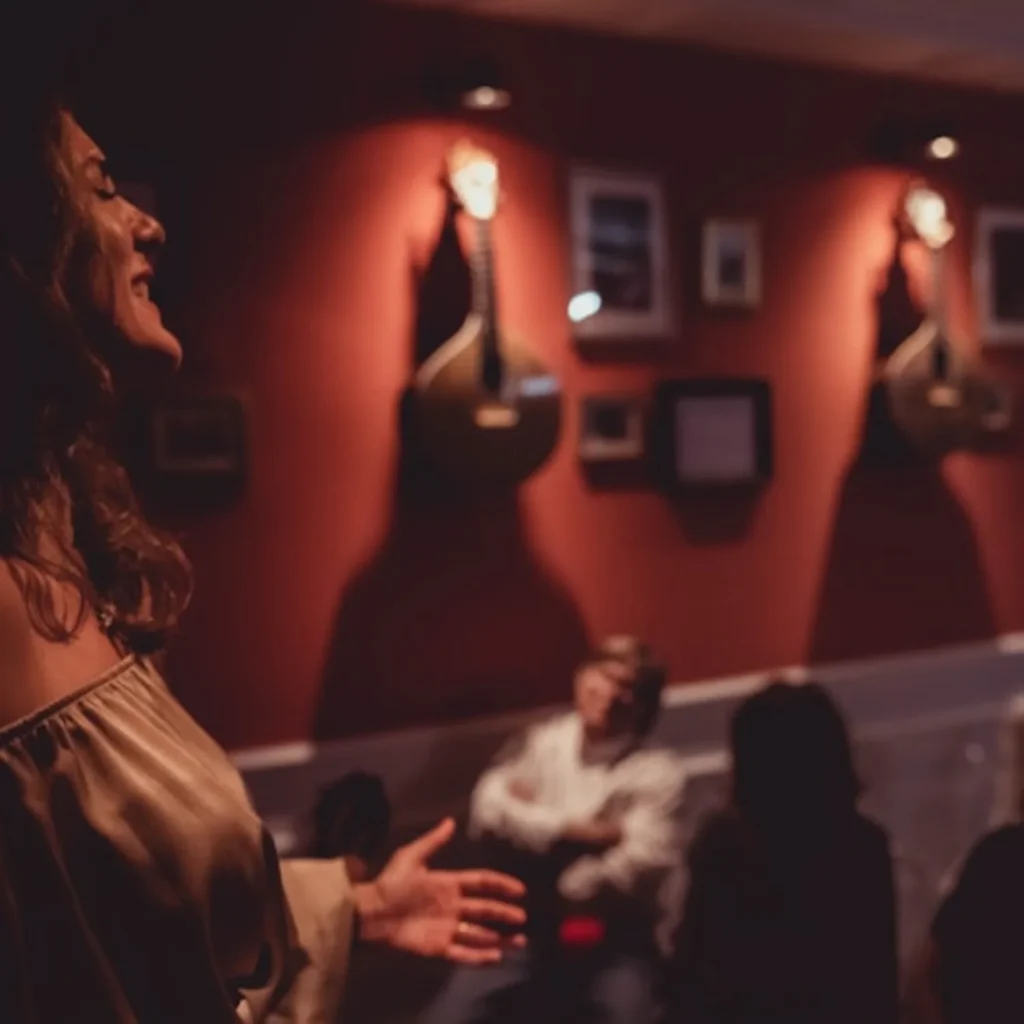
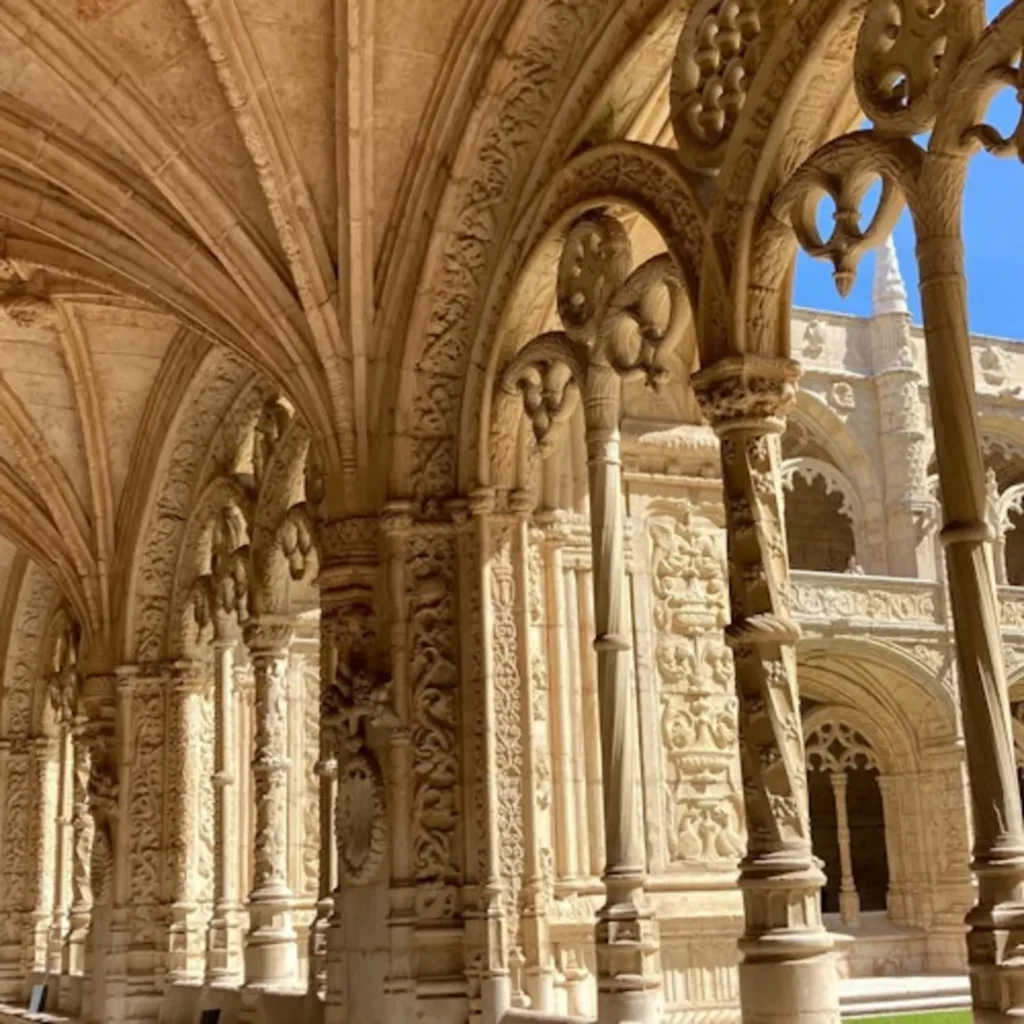
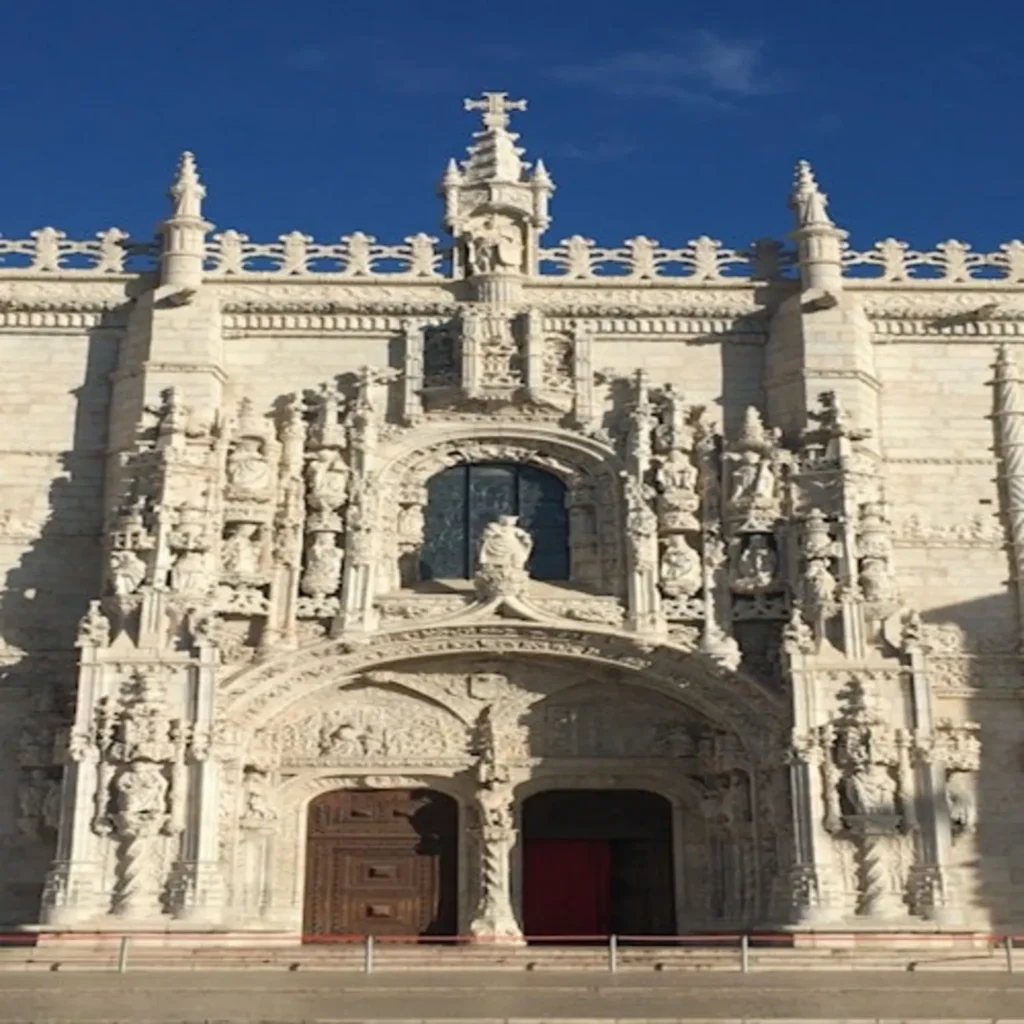
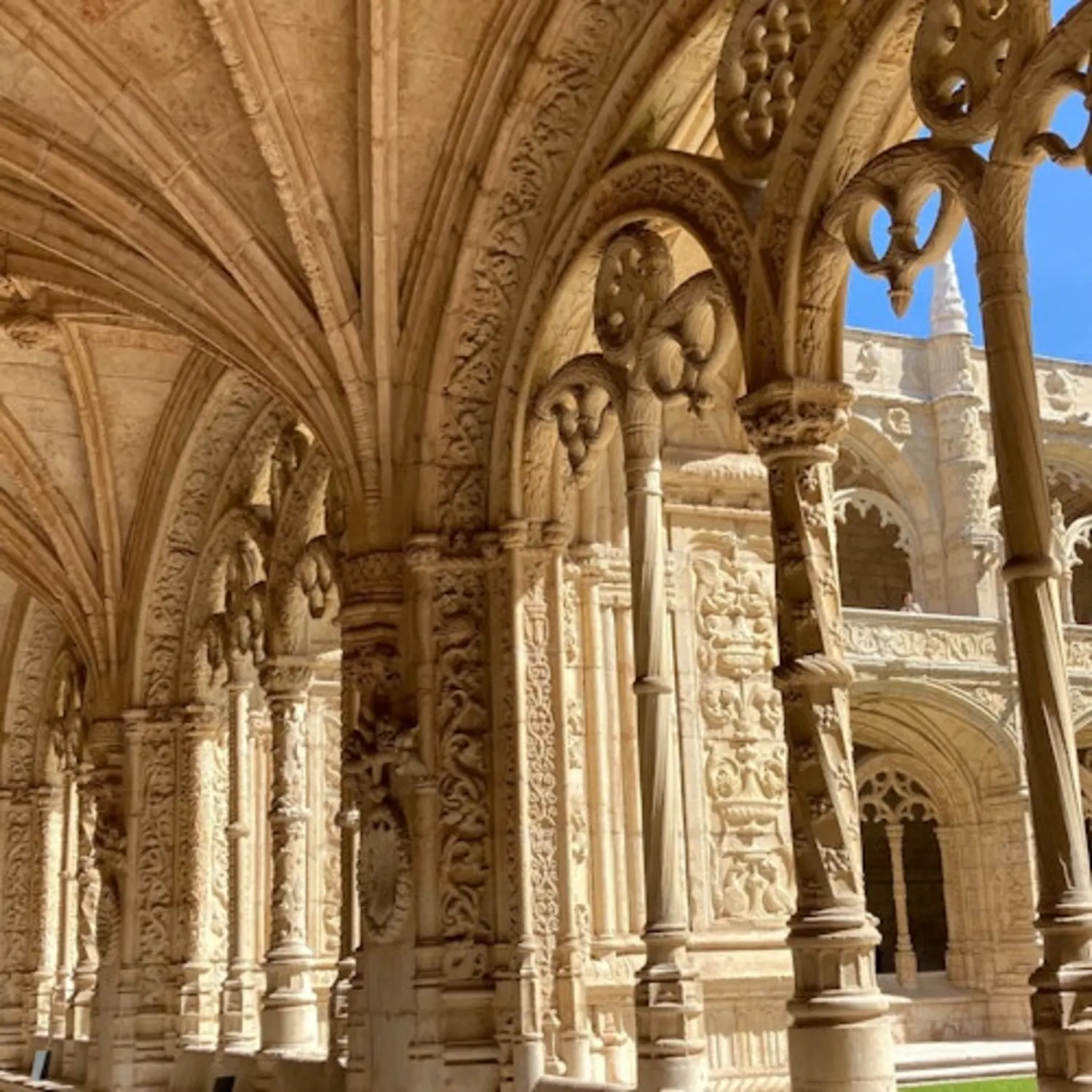
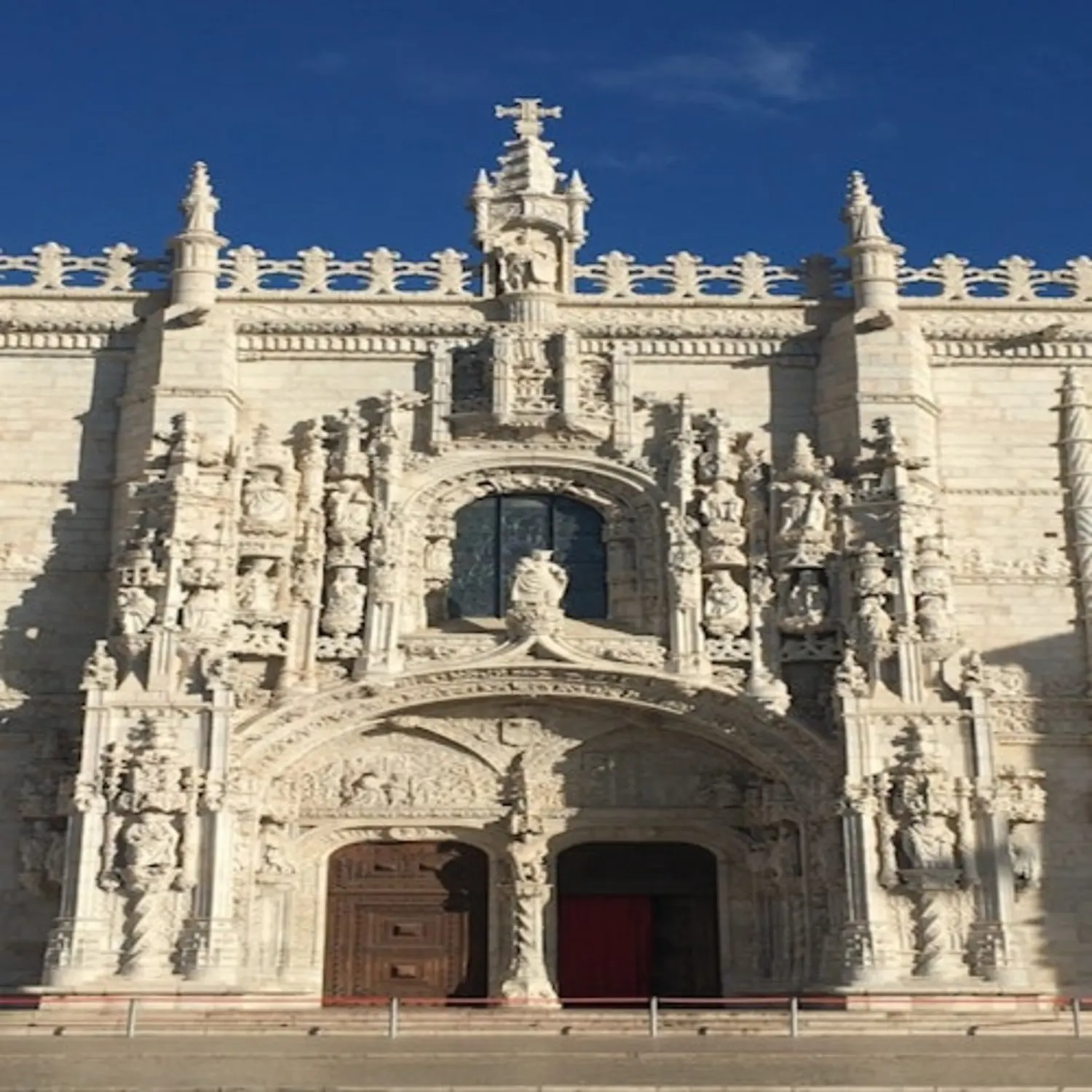
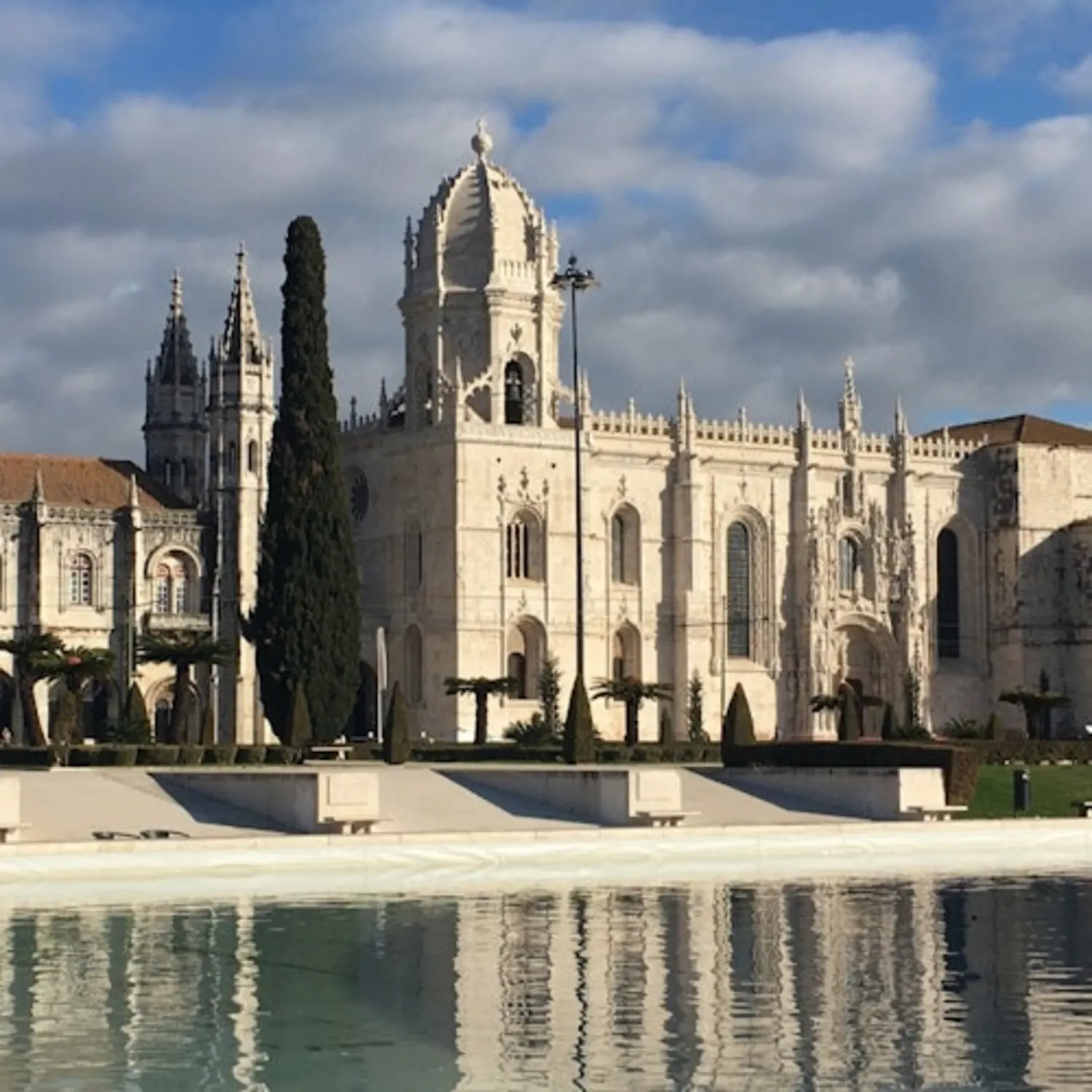
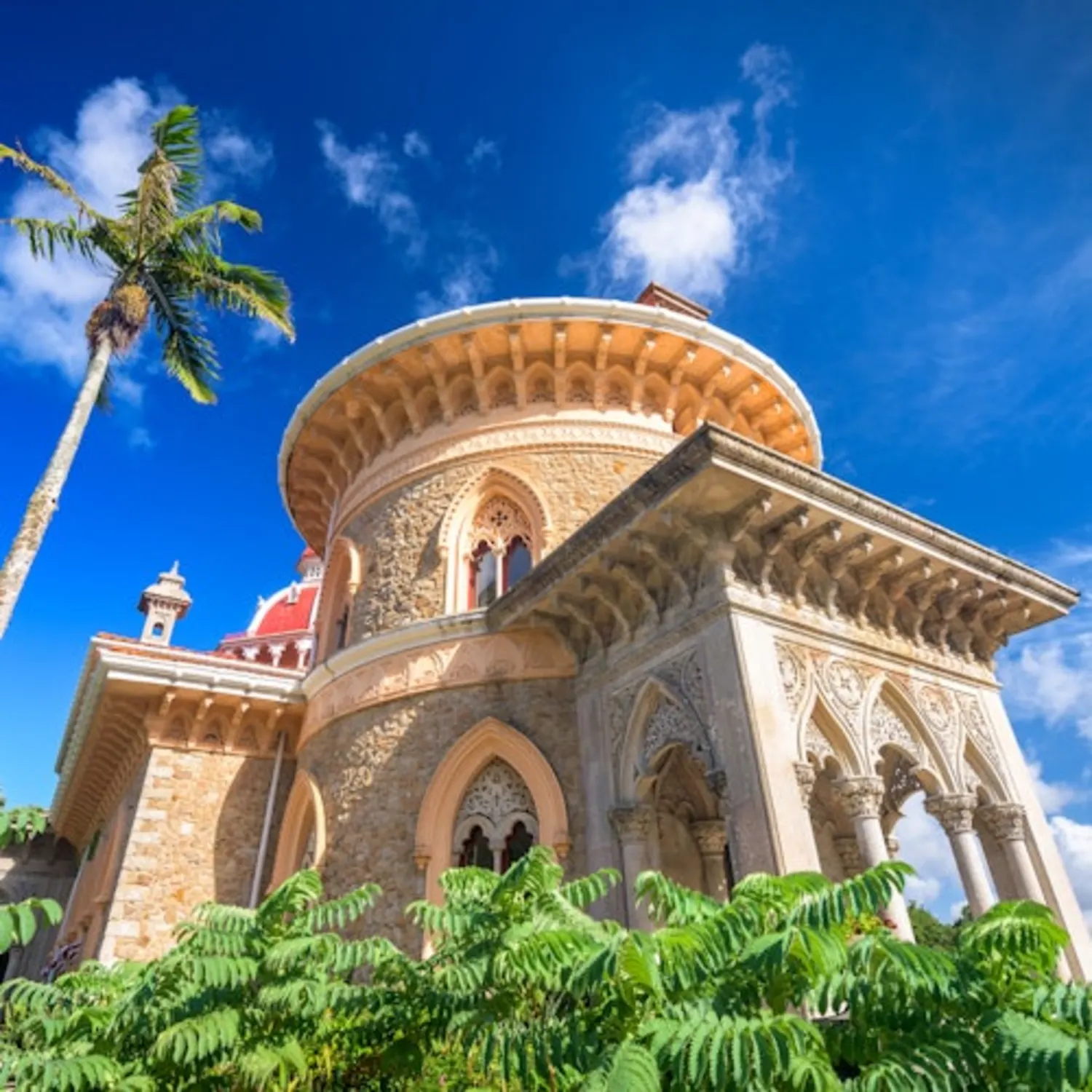
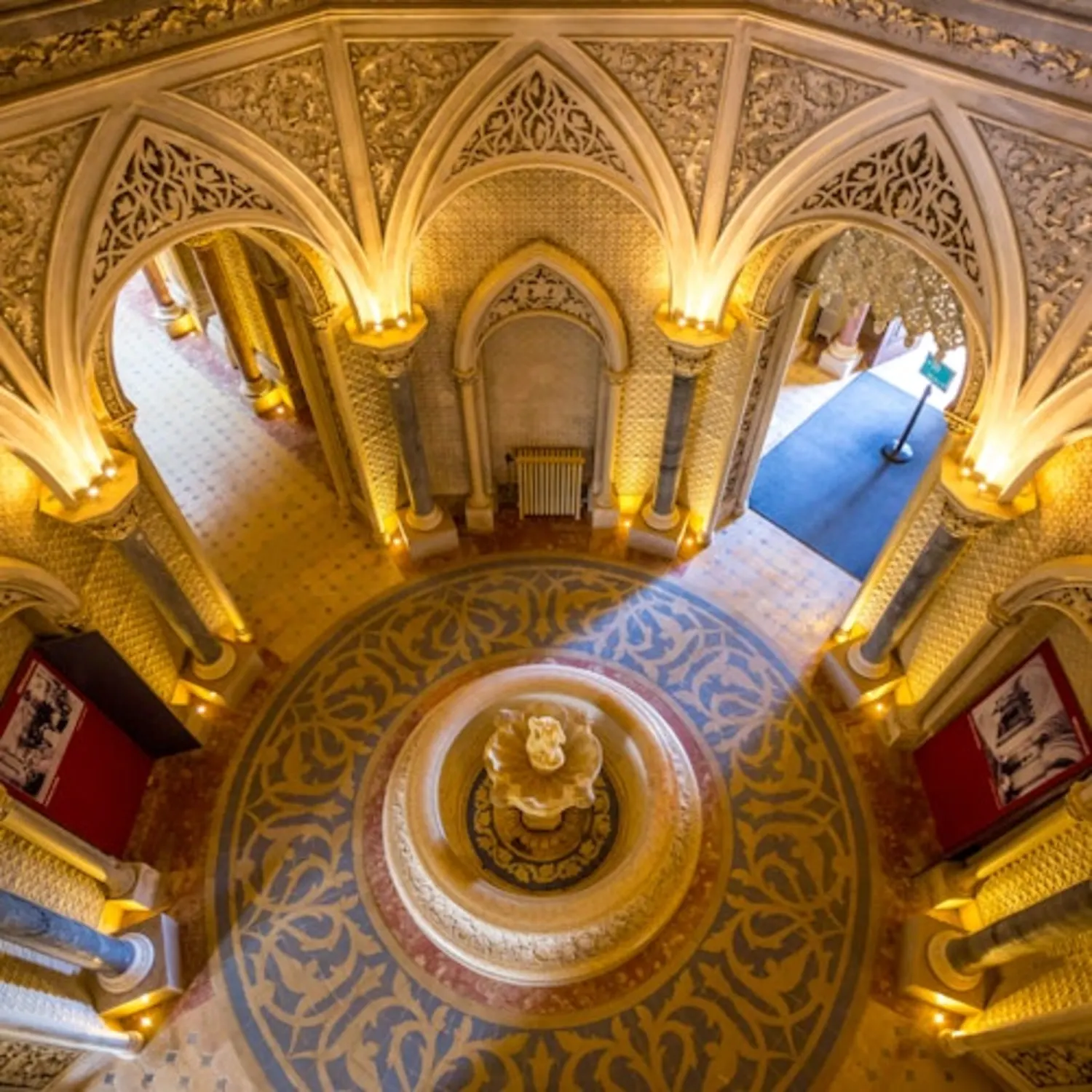
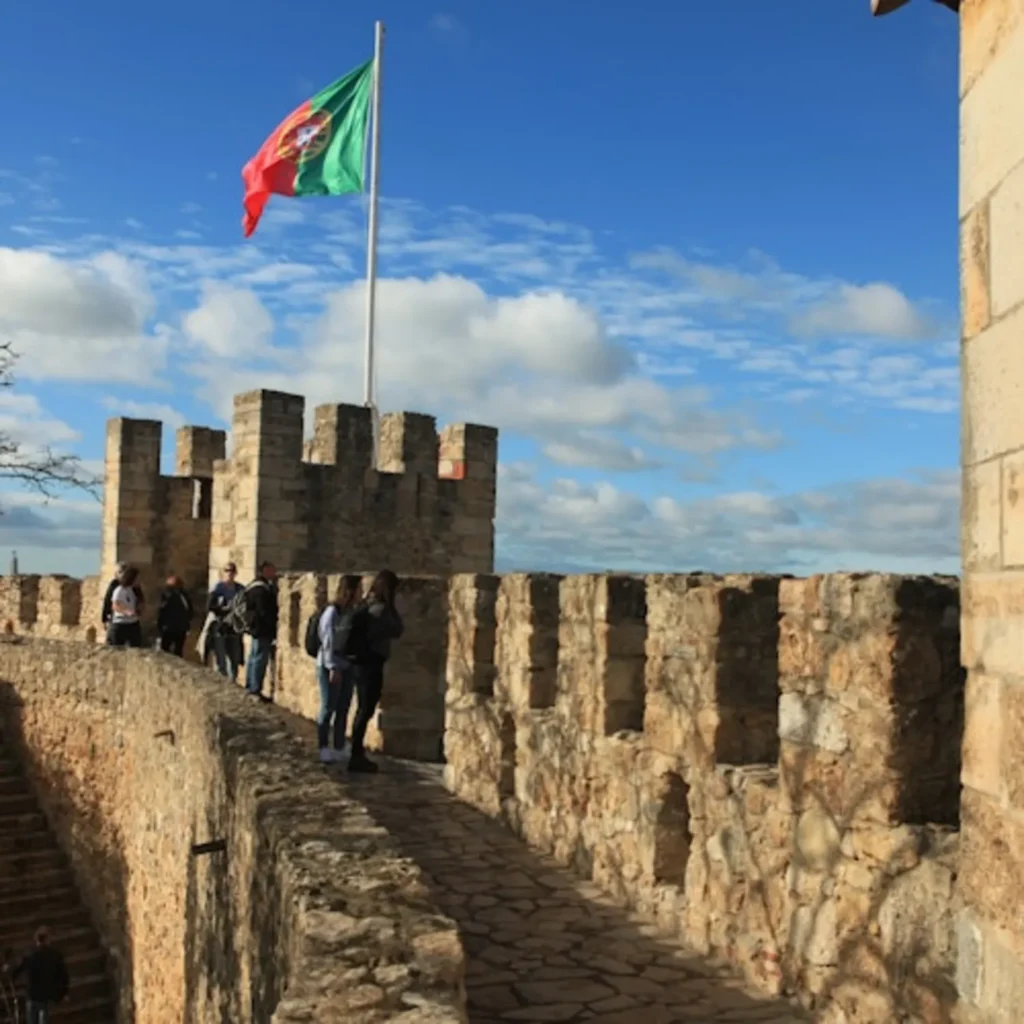
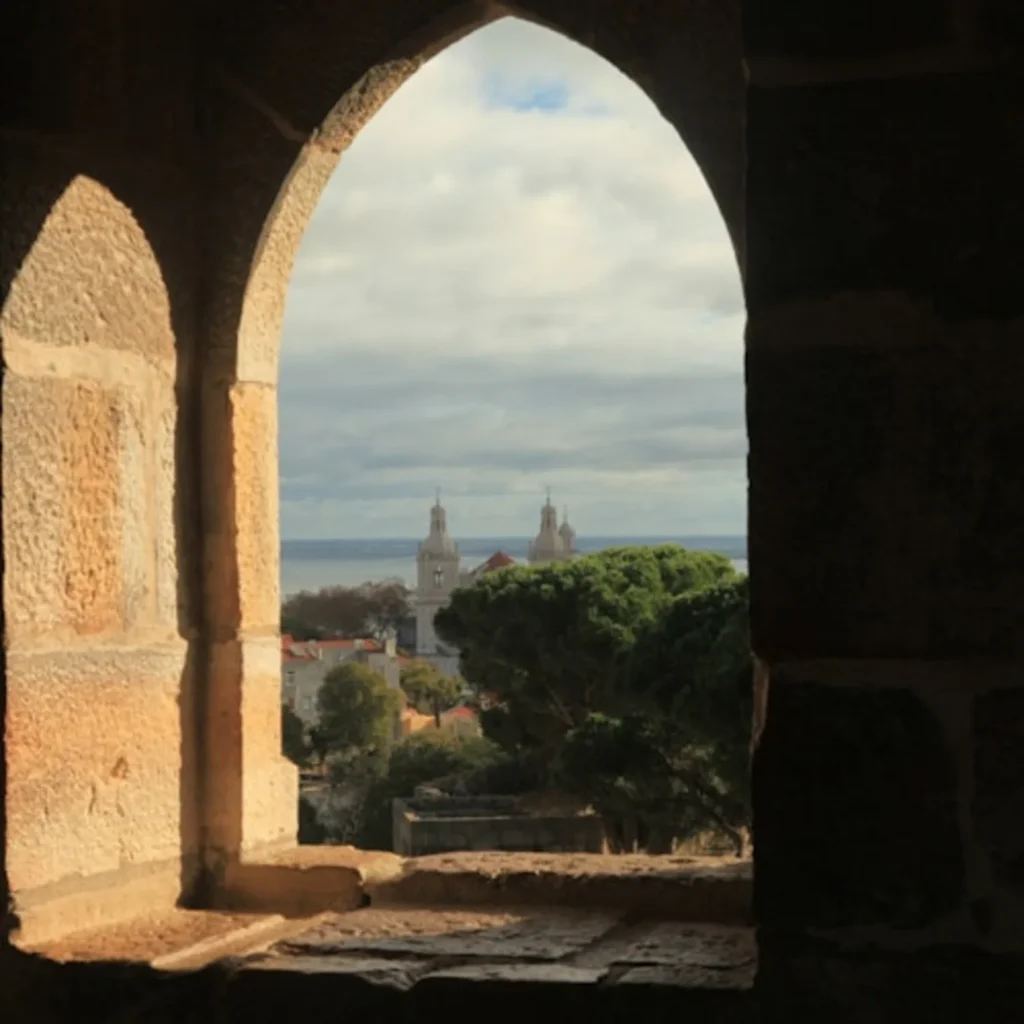
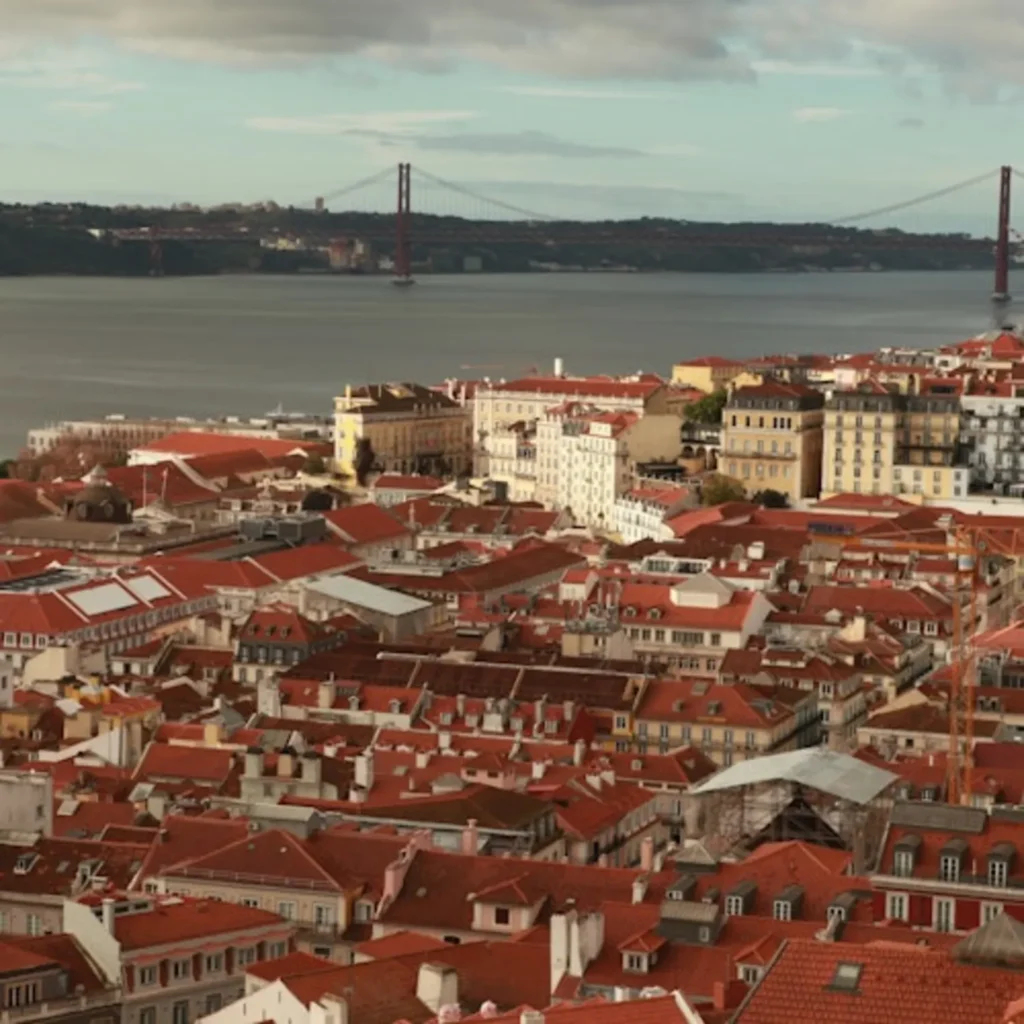
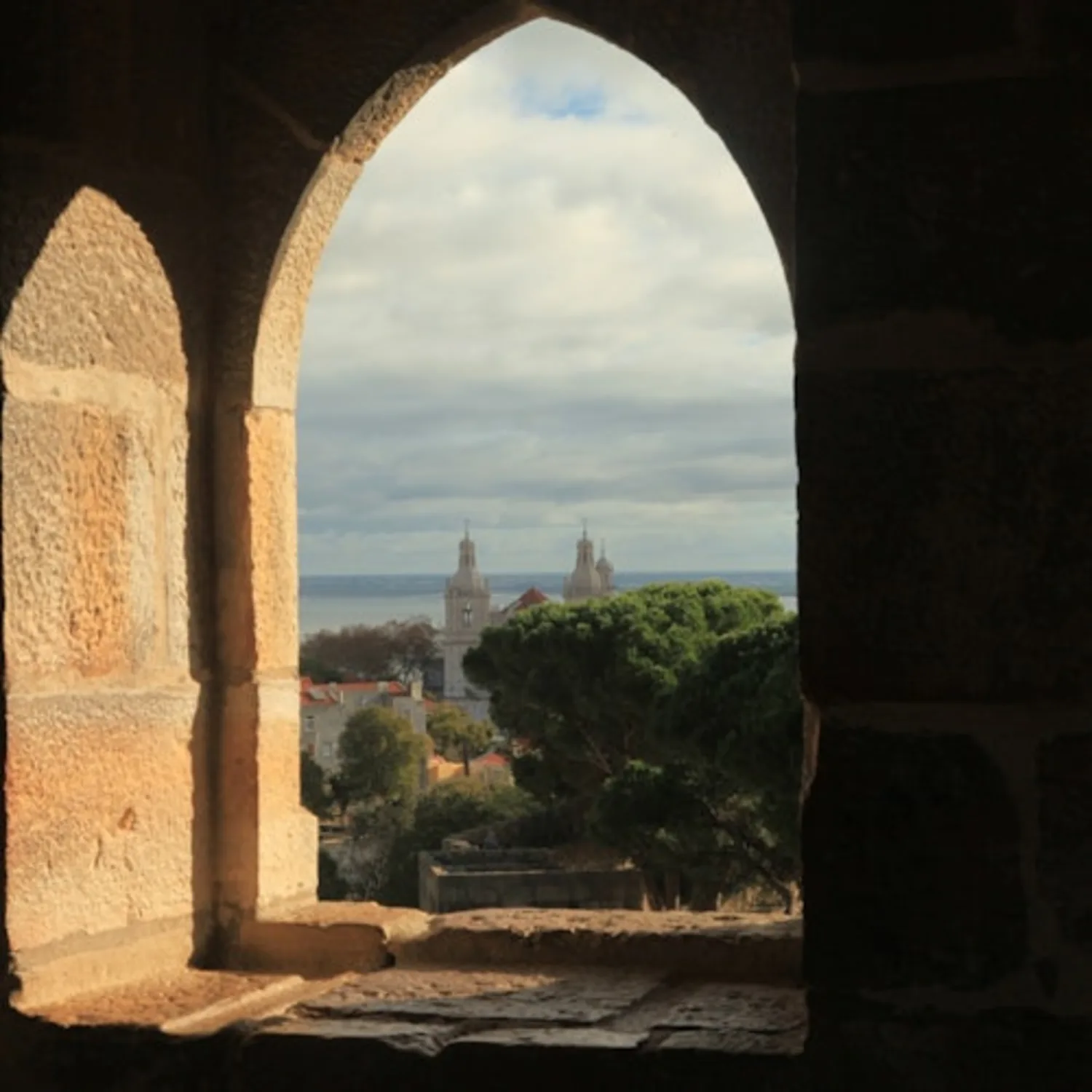
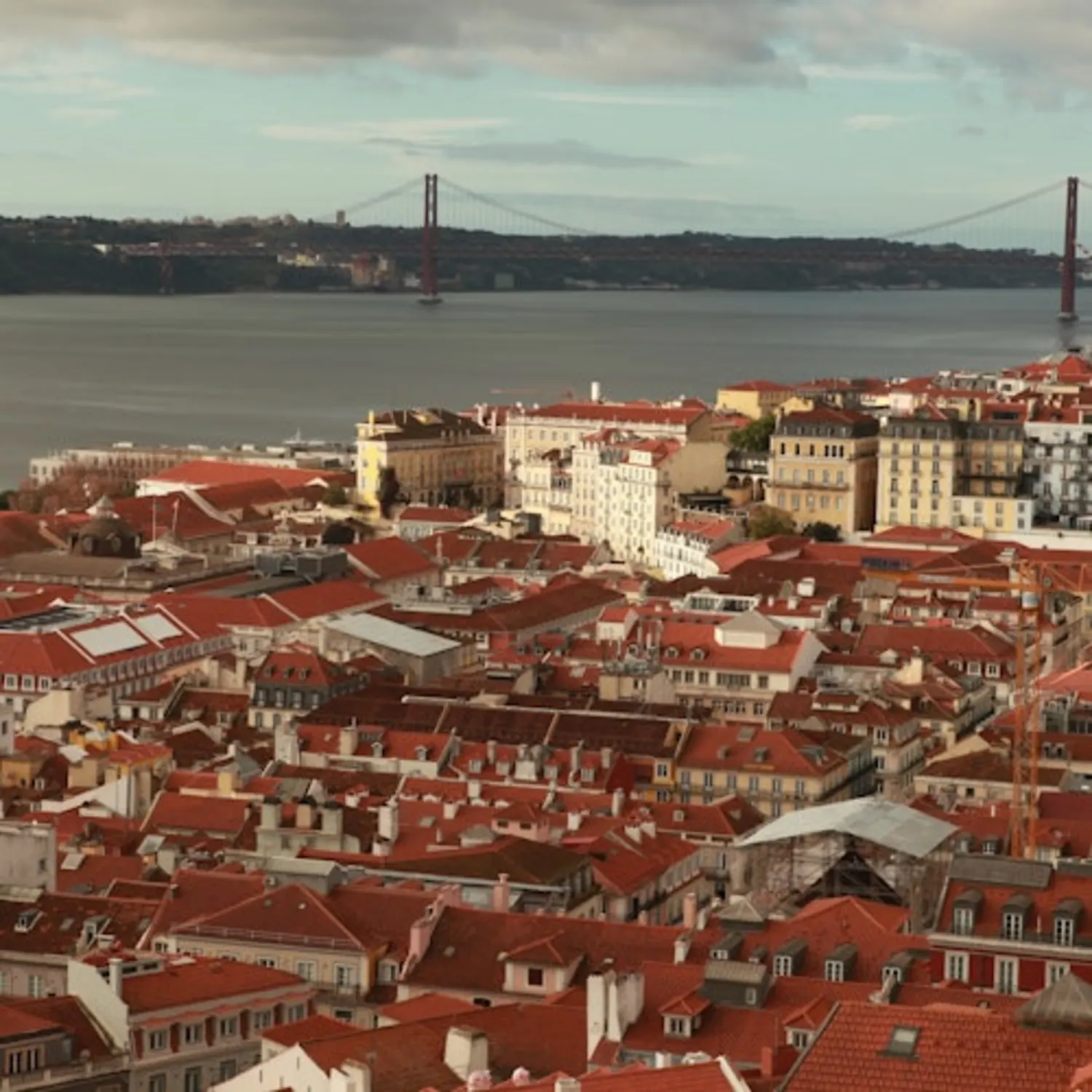
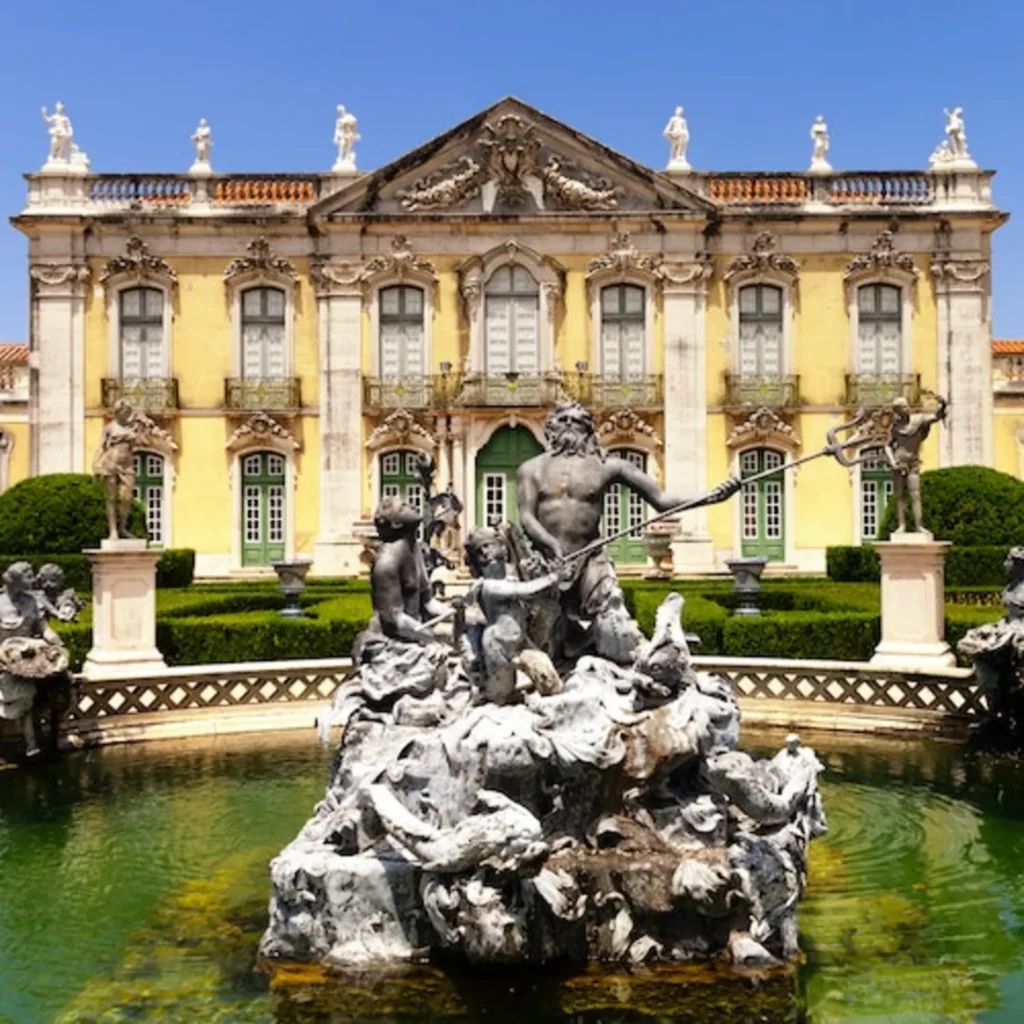
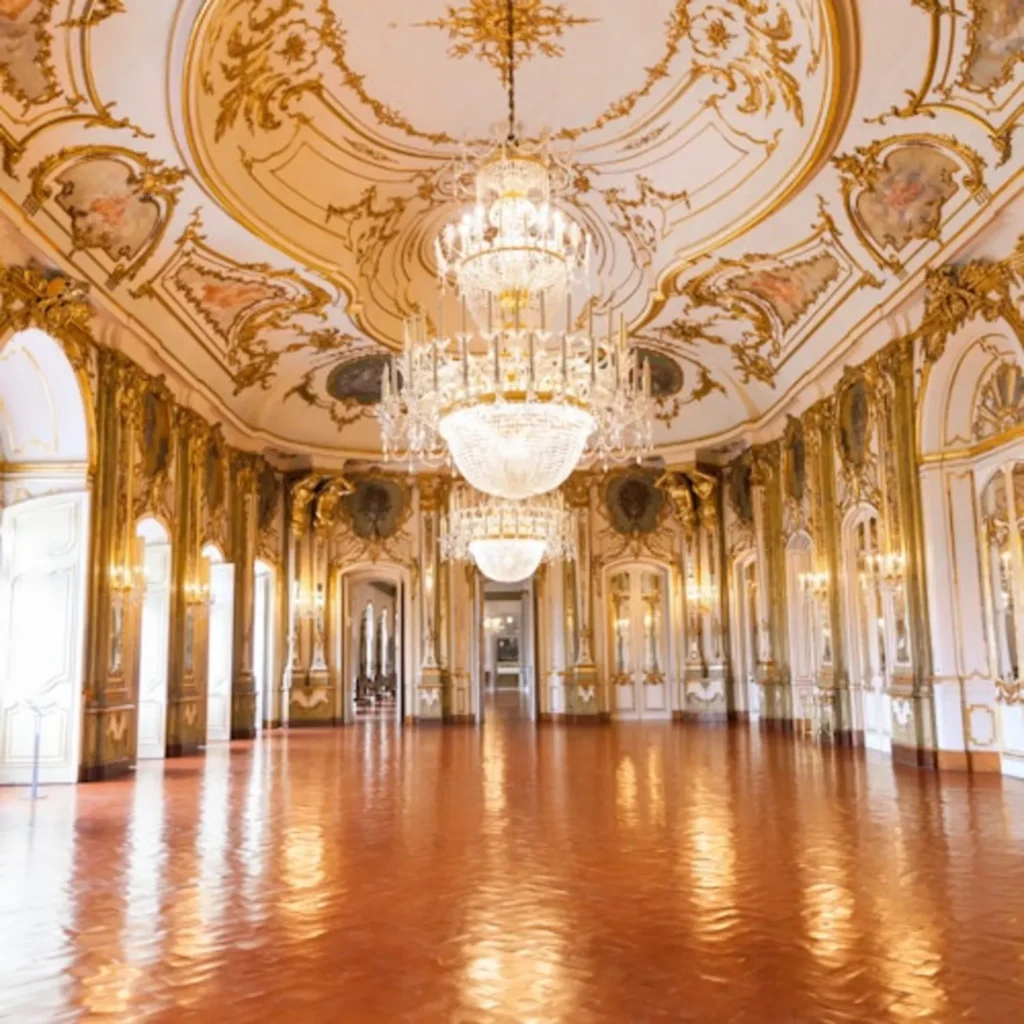
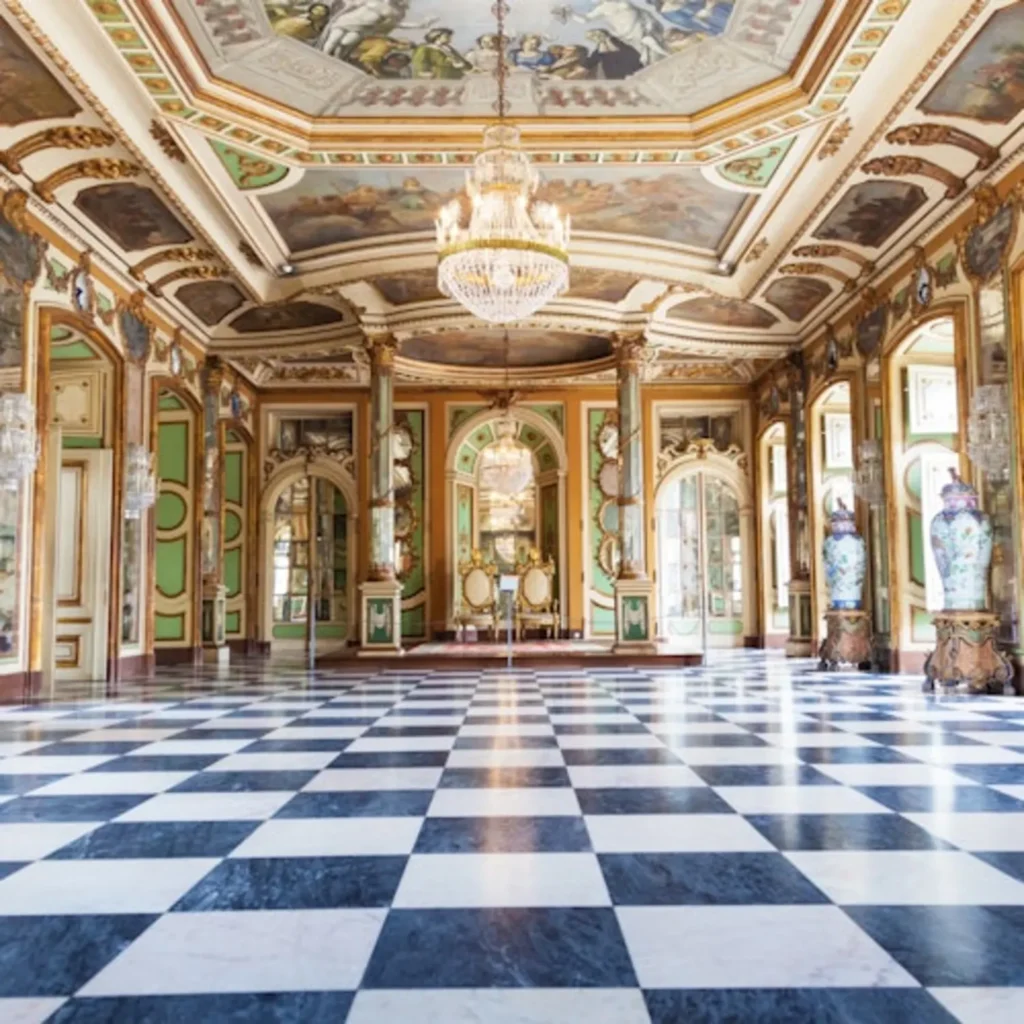
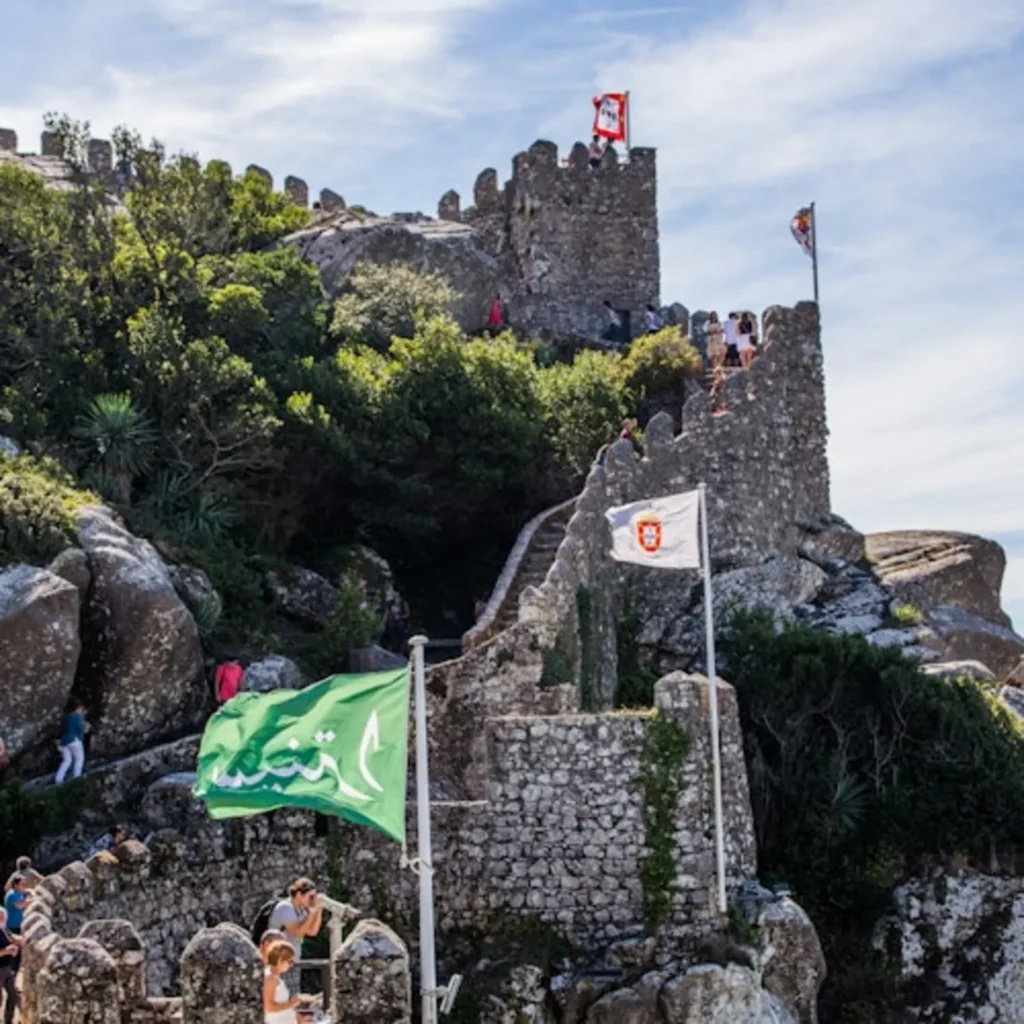
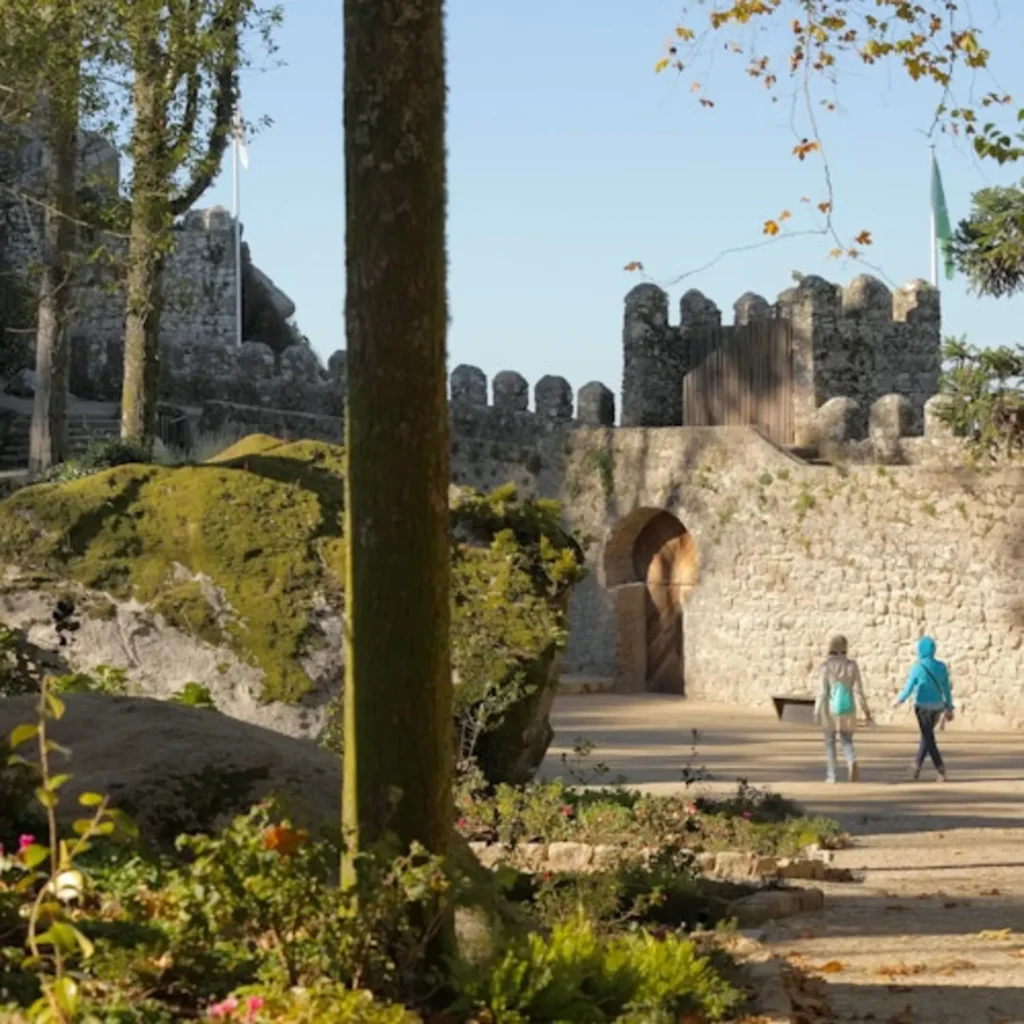
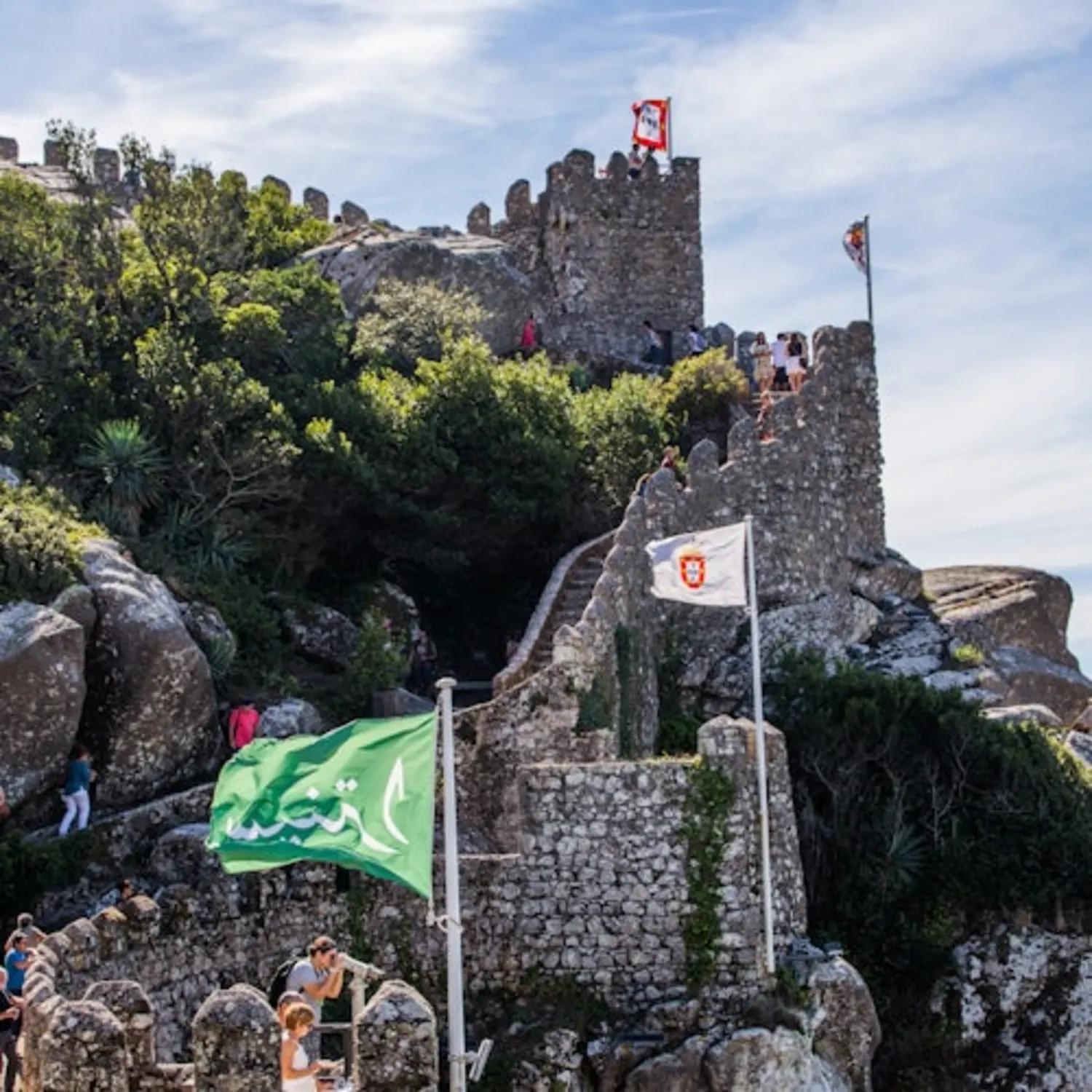
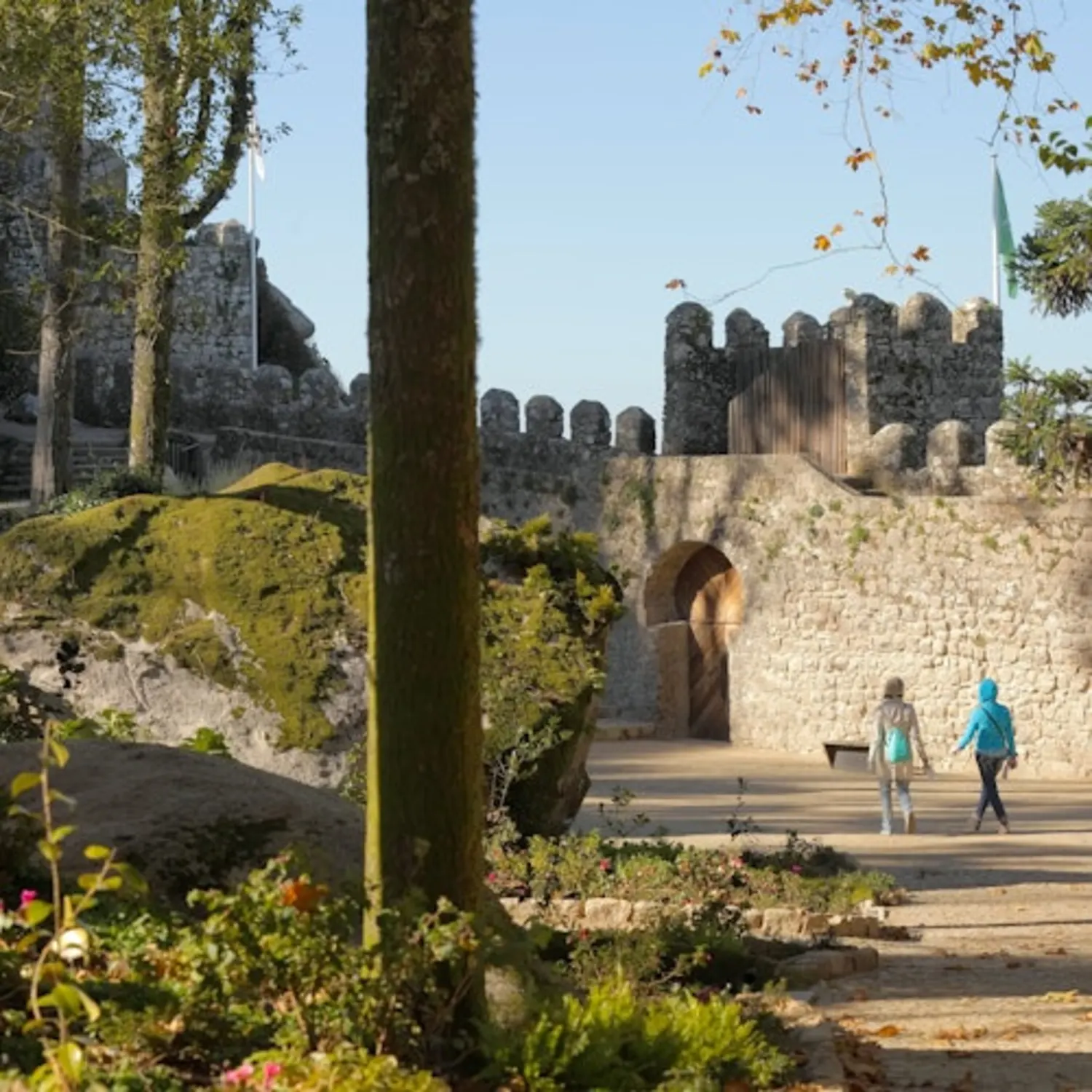
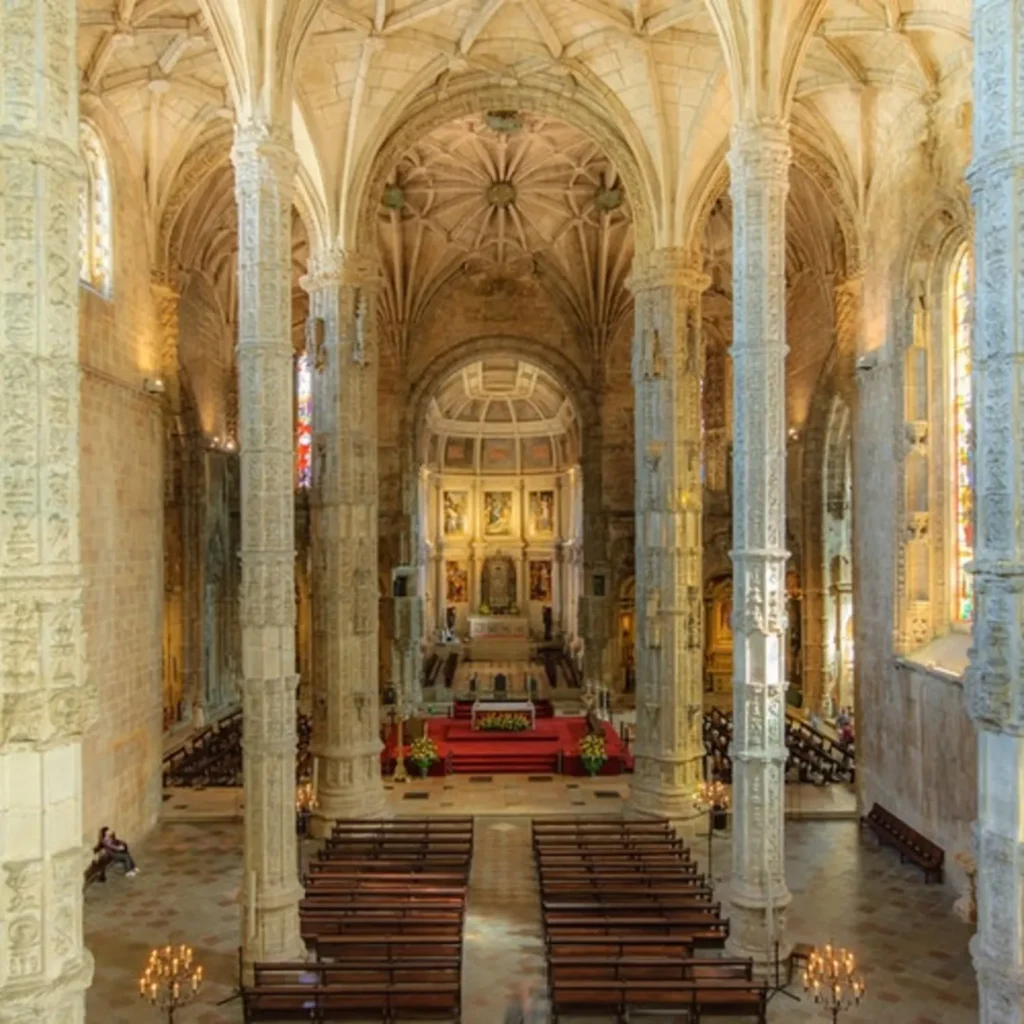
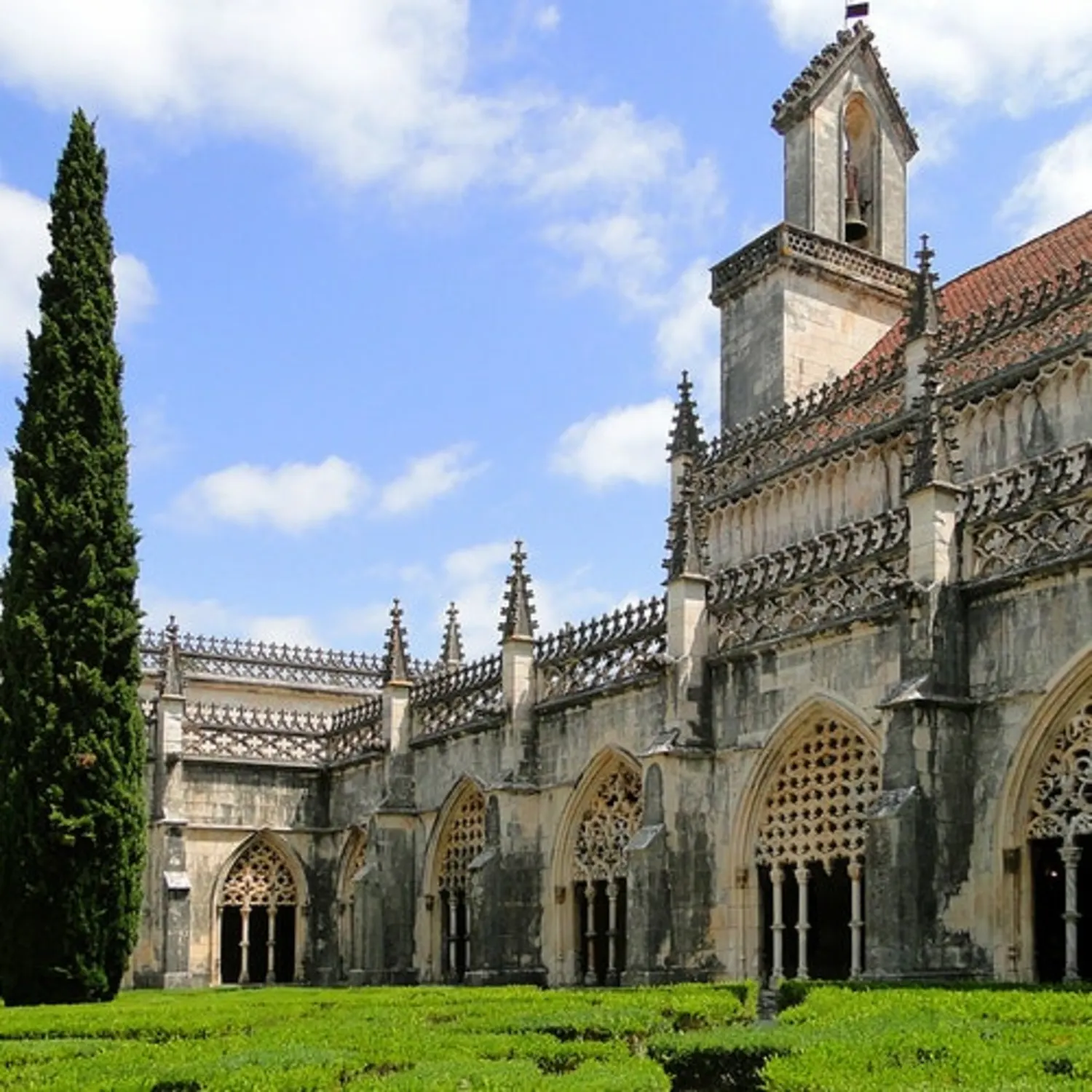
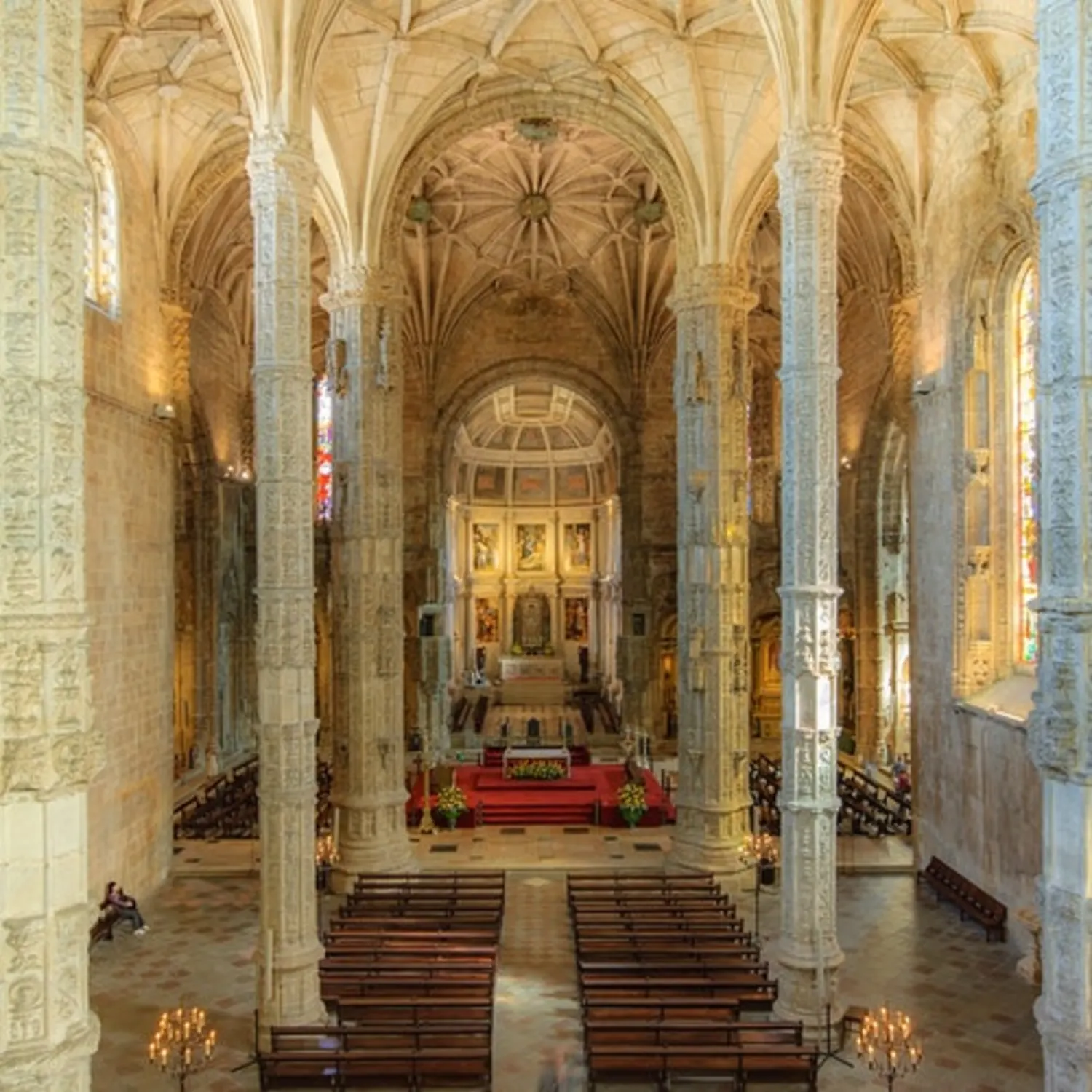
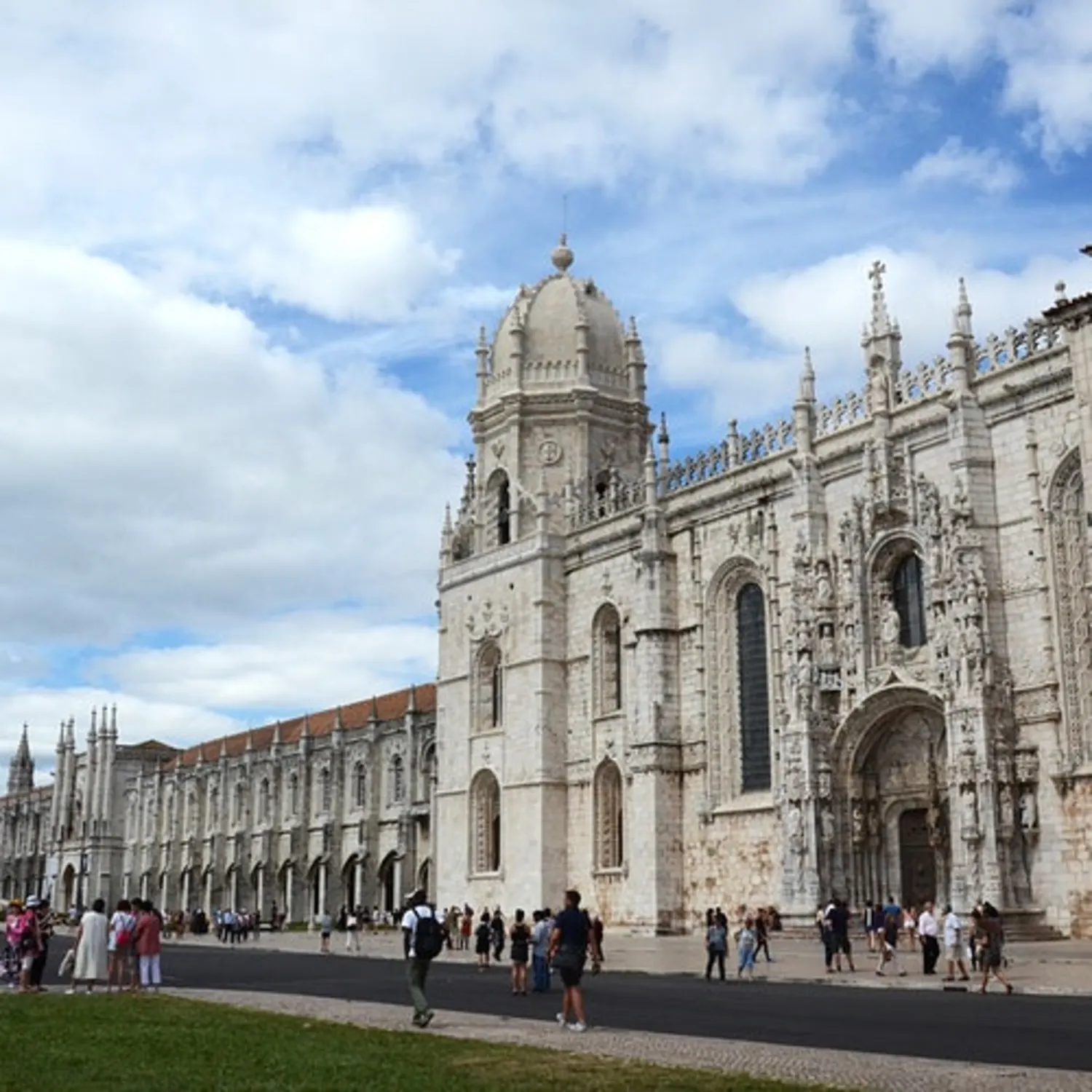
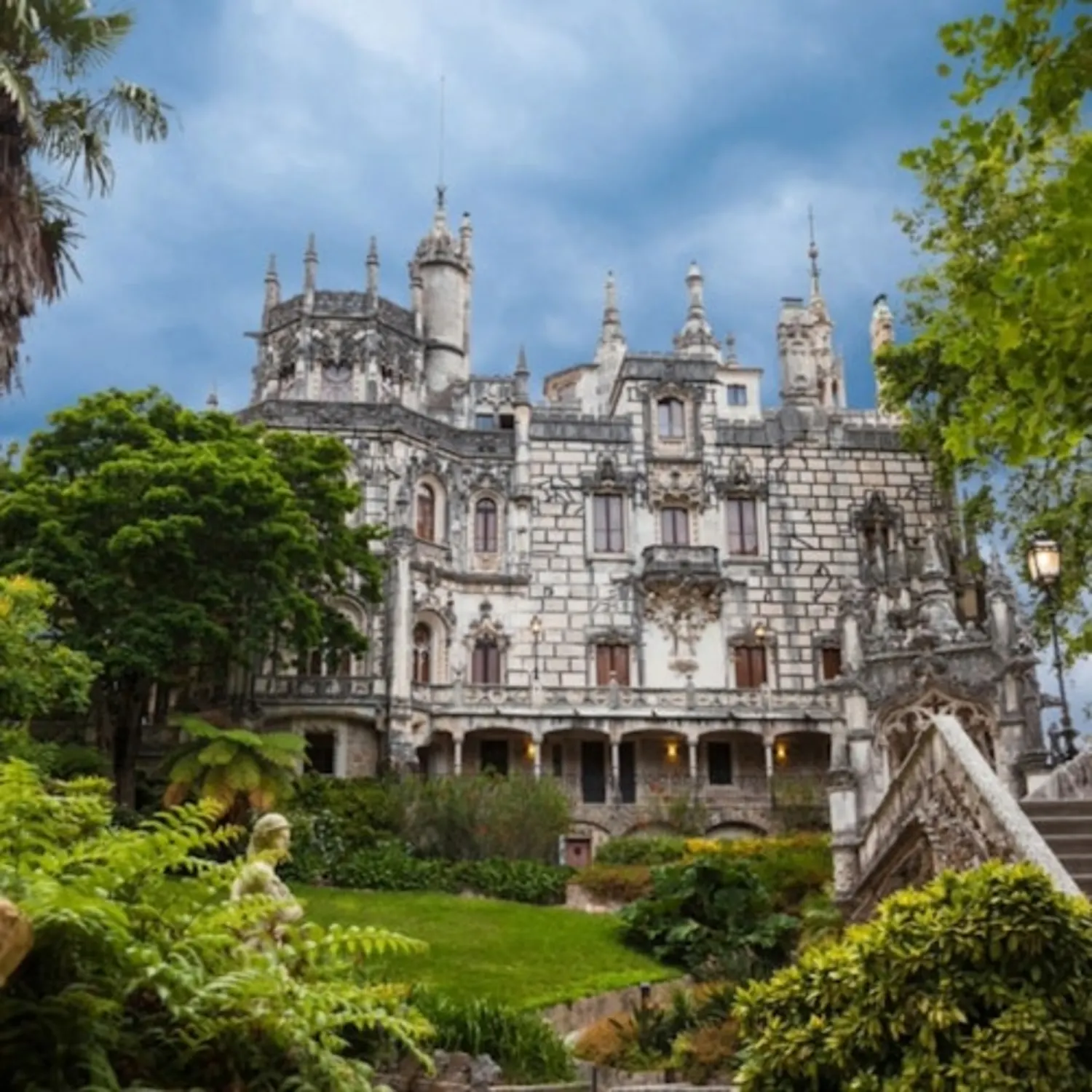
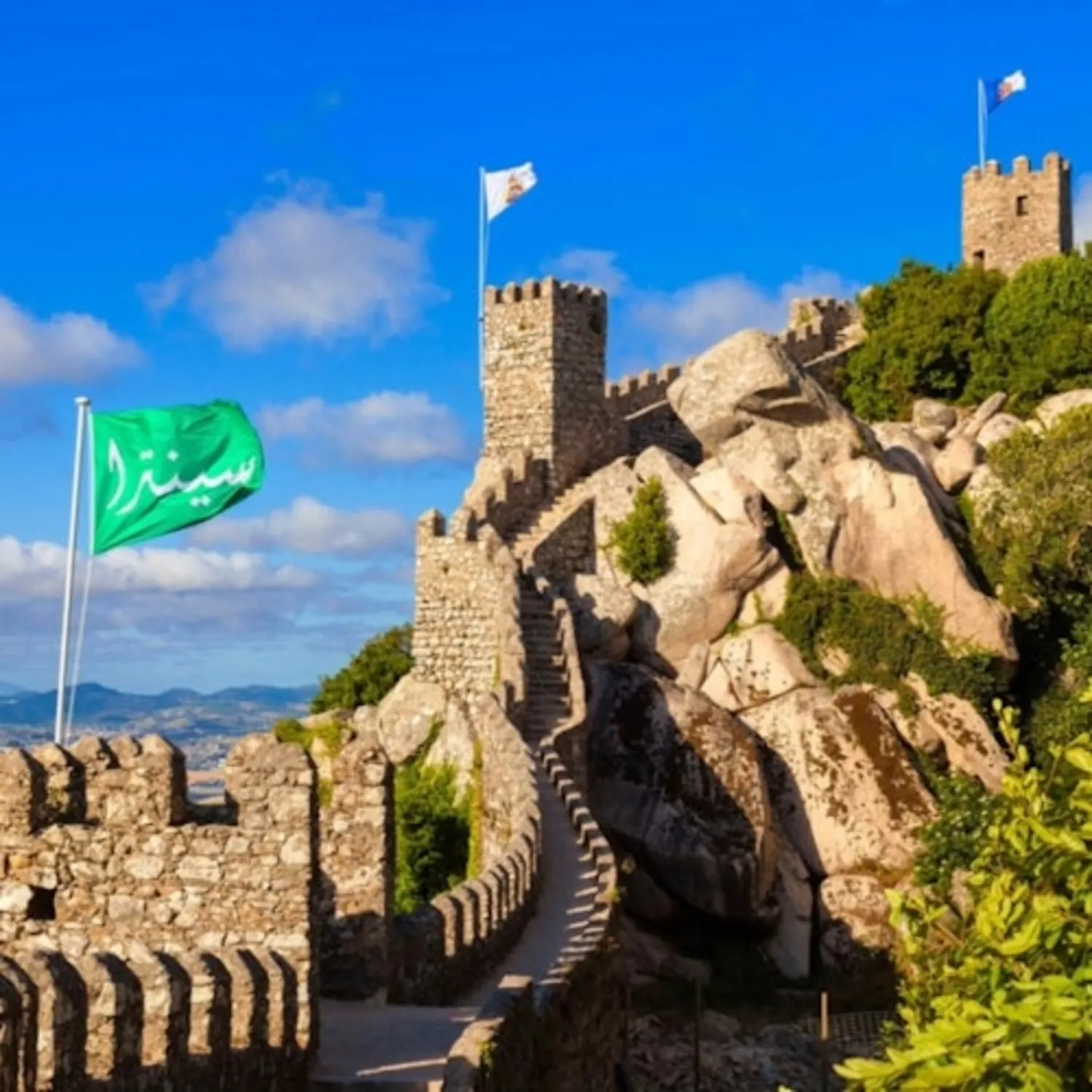
The local architecture tells the story of the city, from the intricate stone carvings of the Manueline style to the medieval walls overlooking the Tagus River. Beyond the monuments, the culture is found in the smaller details, like the sound of Fado in the evenings or the view from a neighborhood hilltop. Taking the time to see a mix of grand palaces and smaller local museums gives a more complete picture of life here.

Lisbon by Neighbourhood

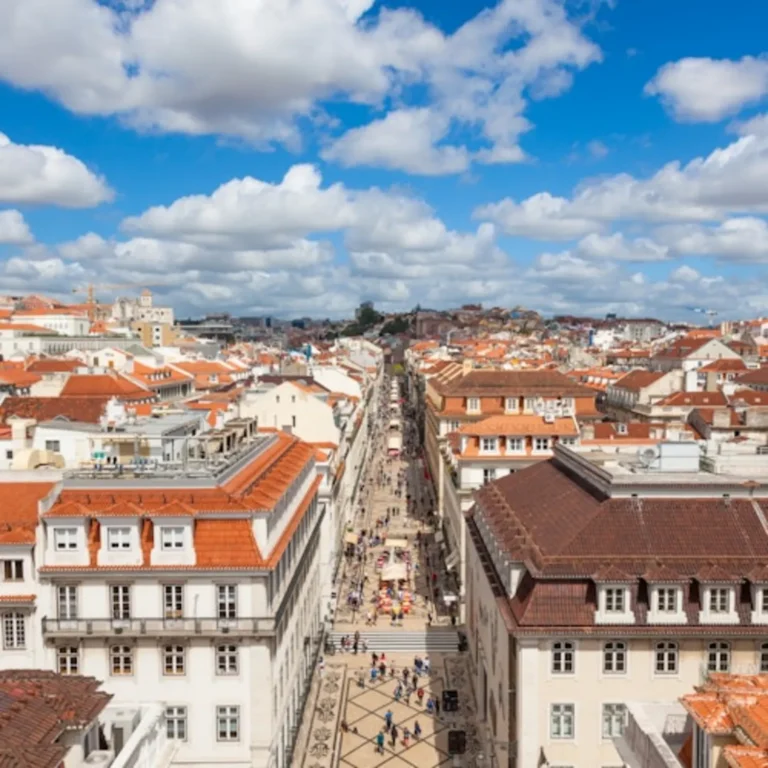
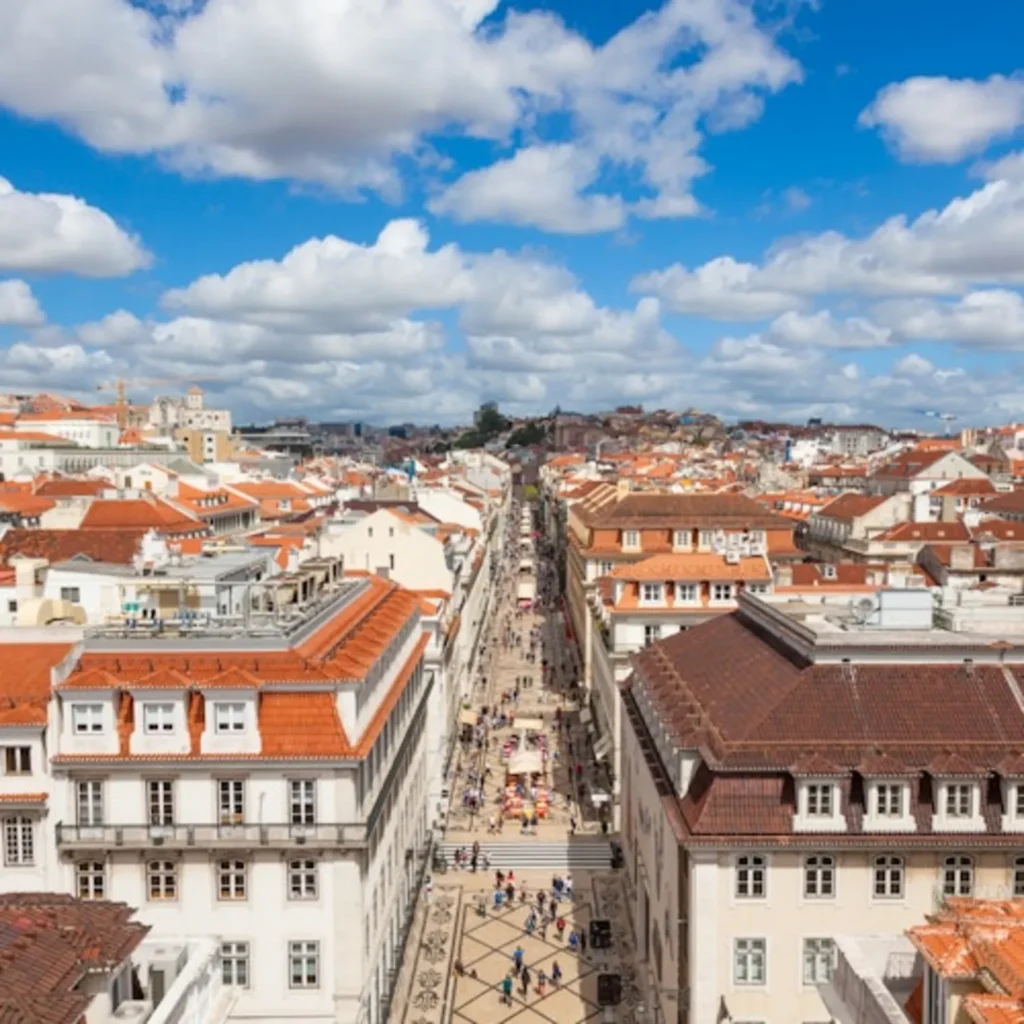
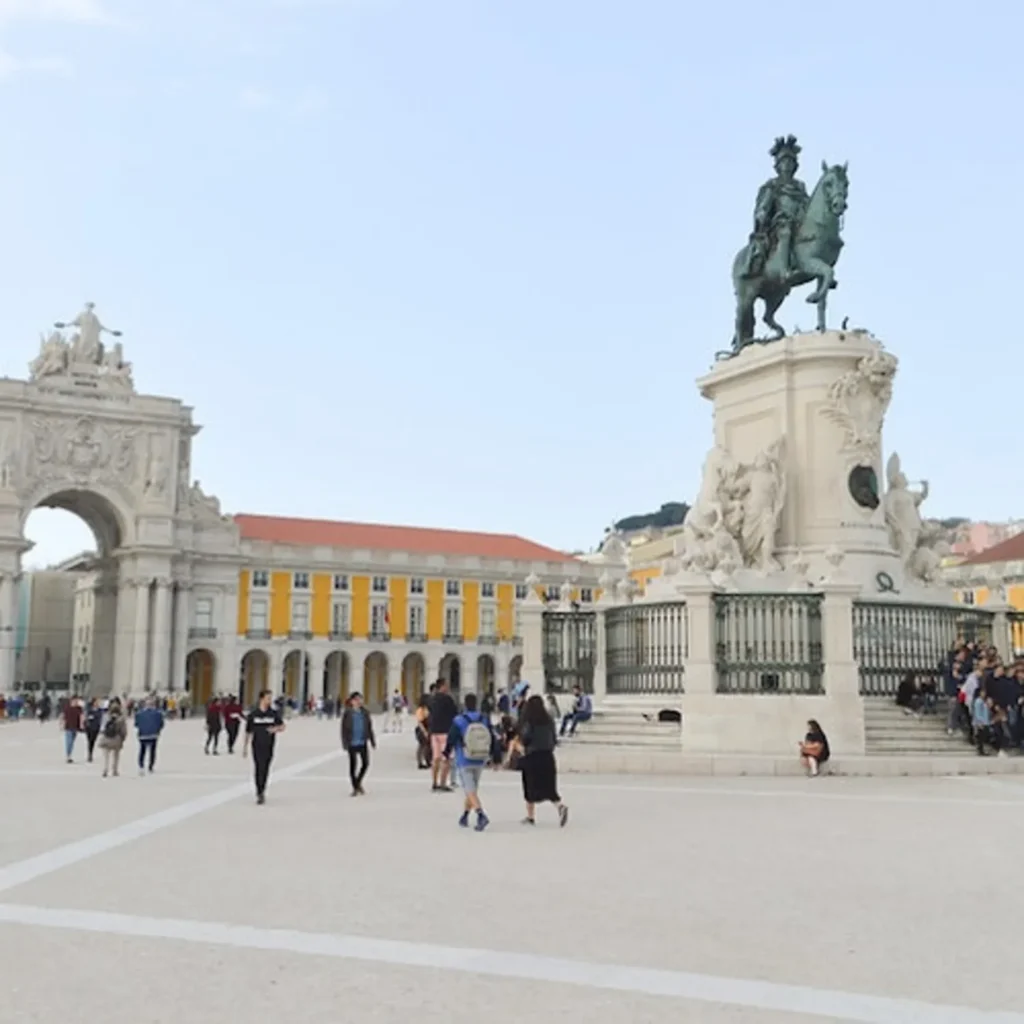
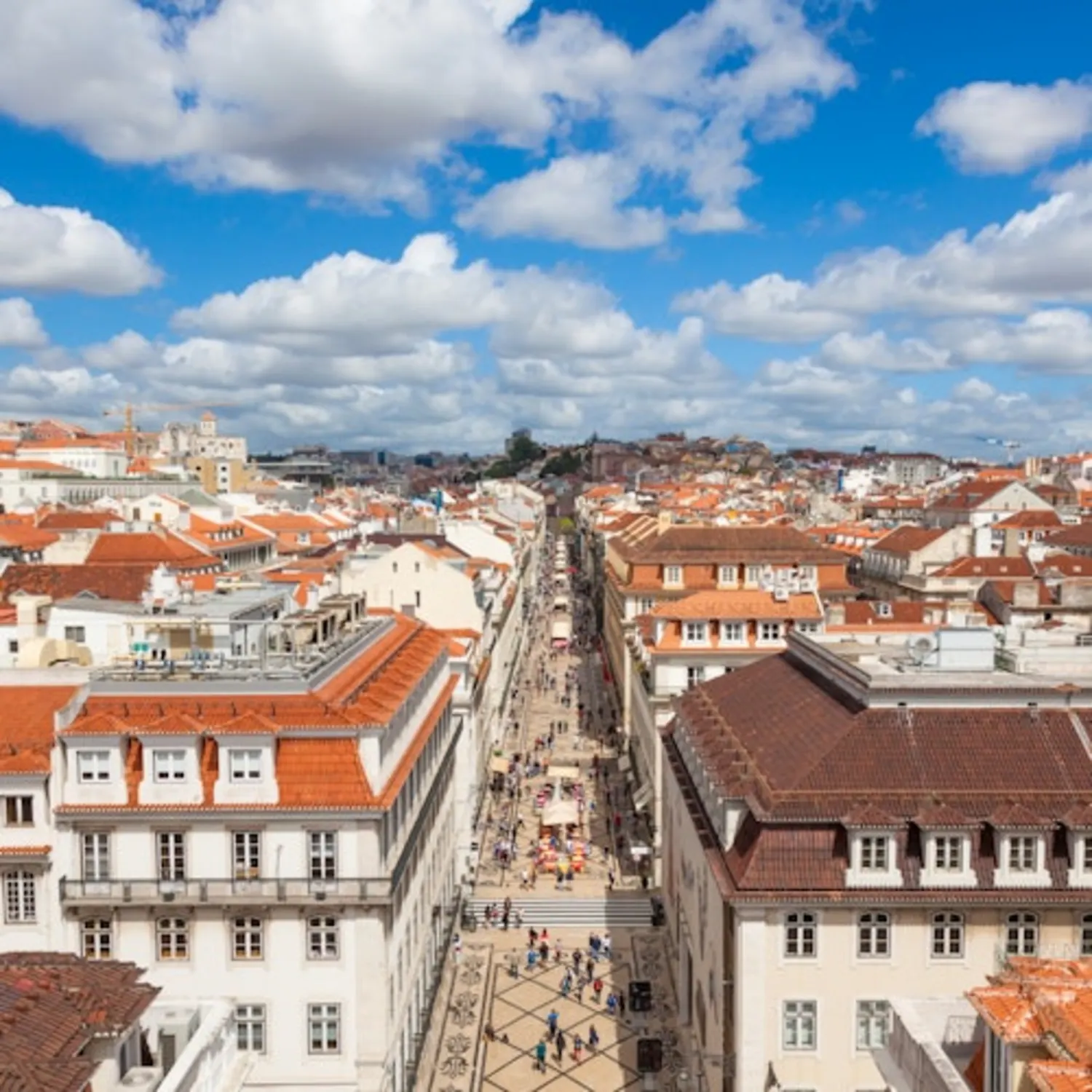
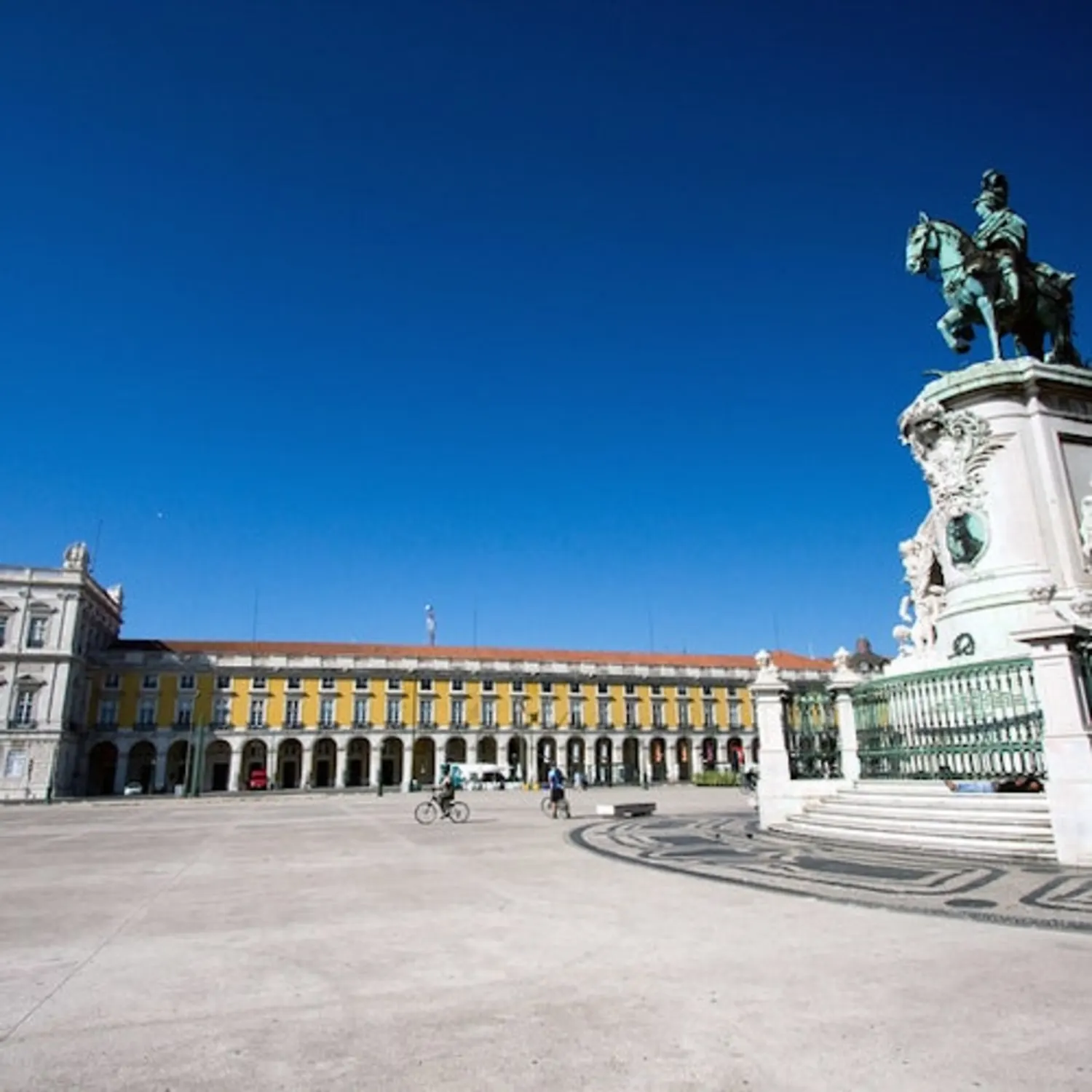
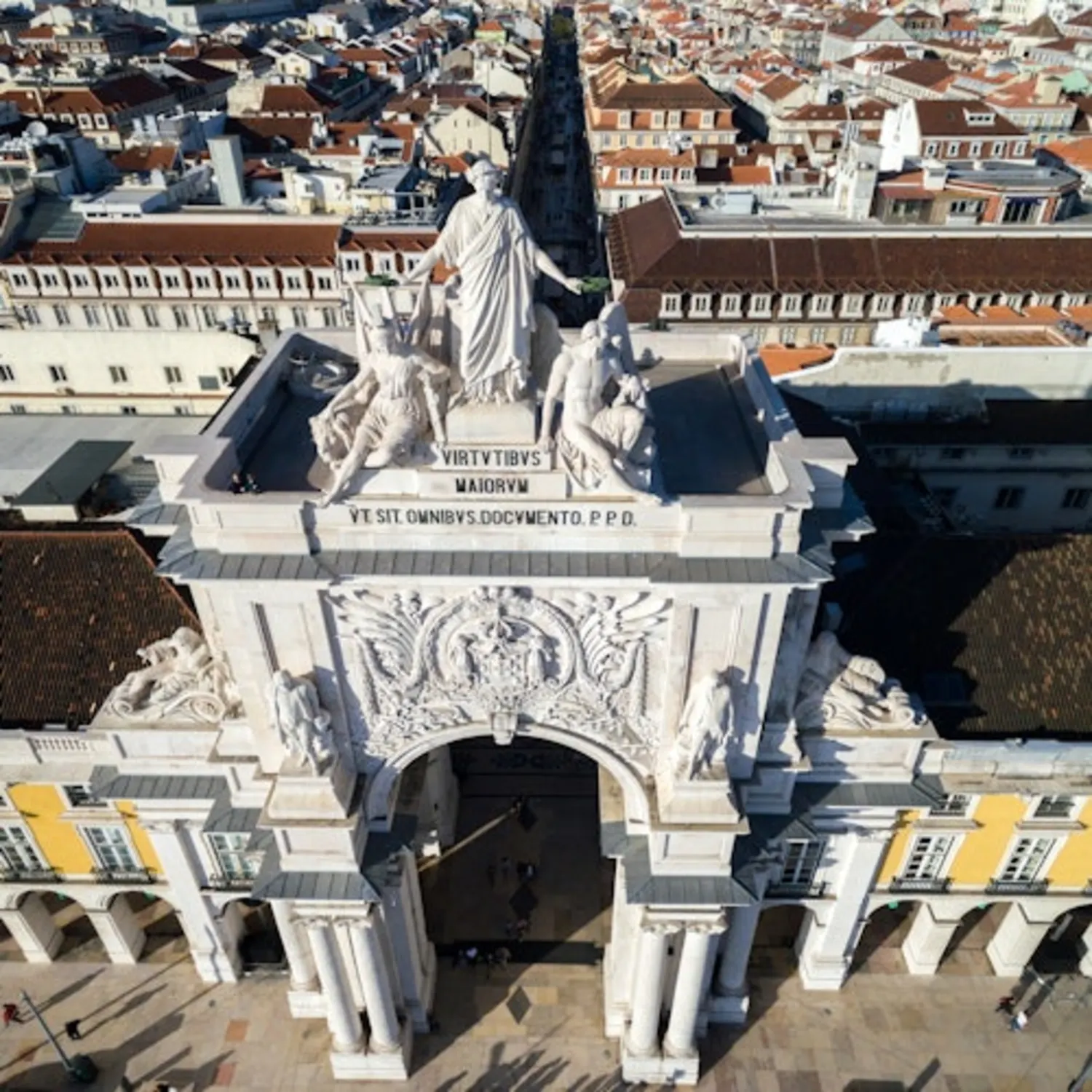
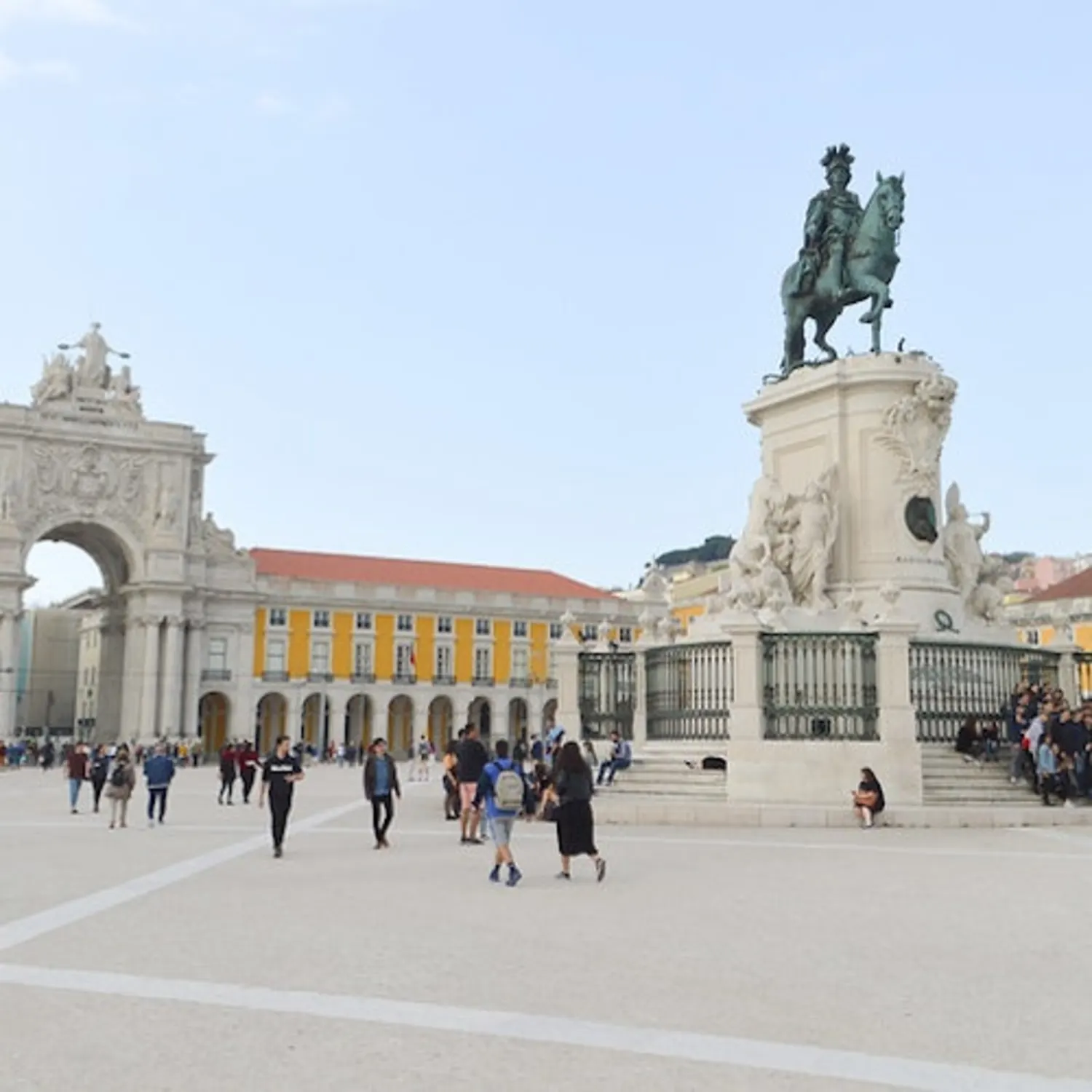
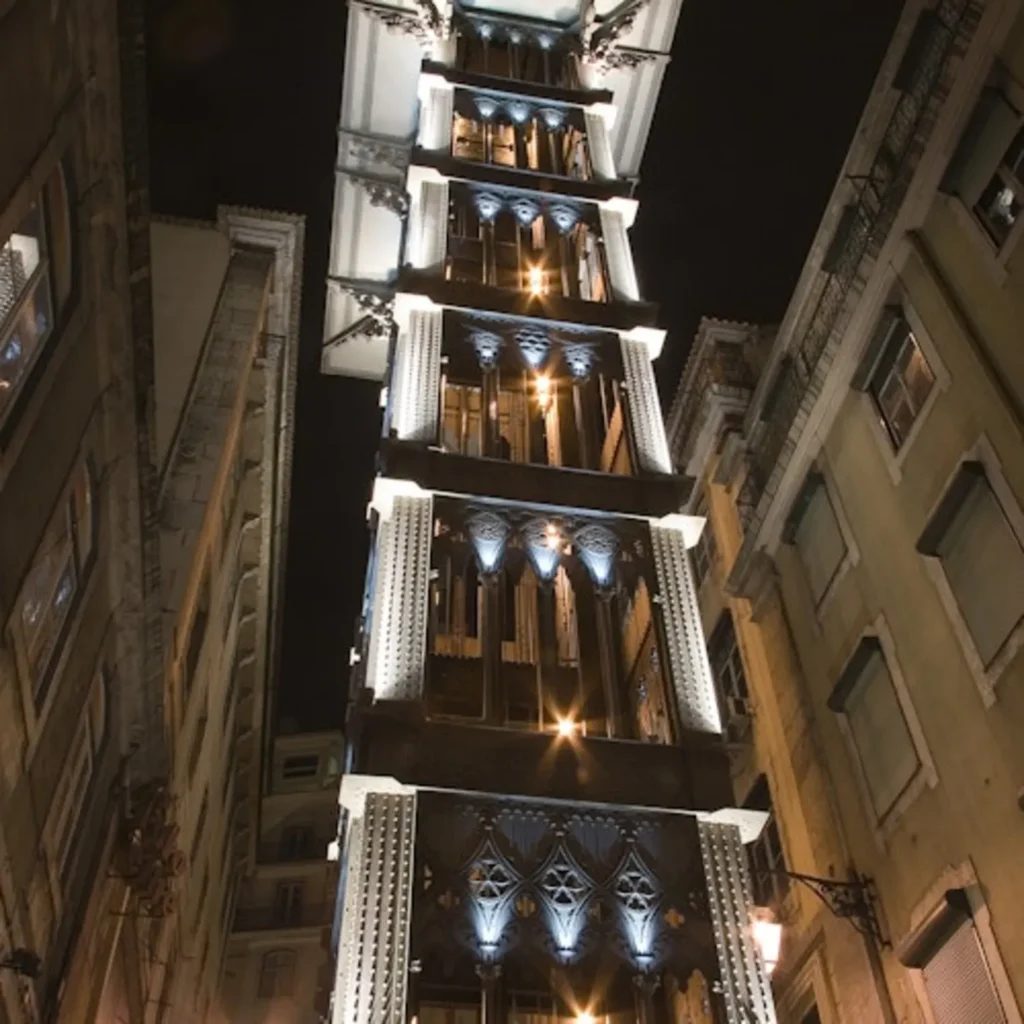
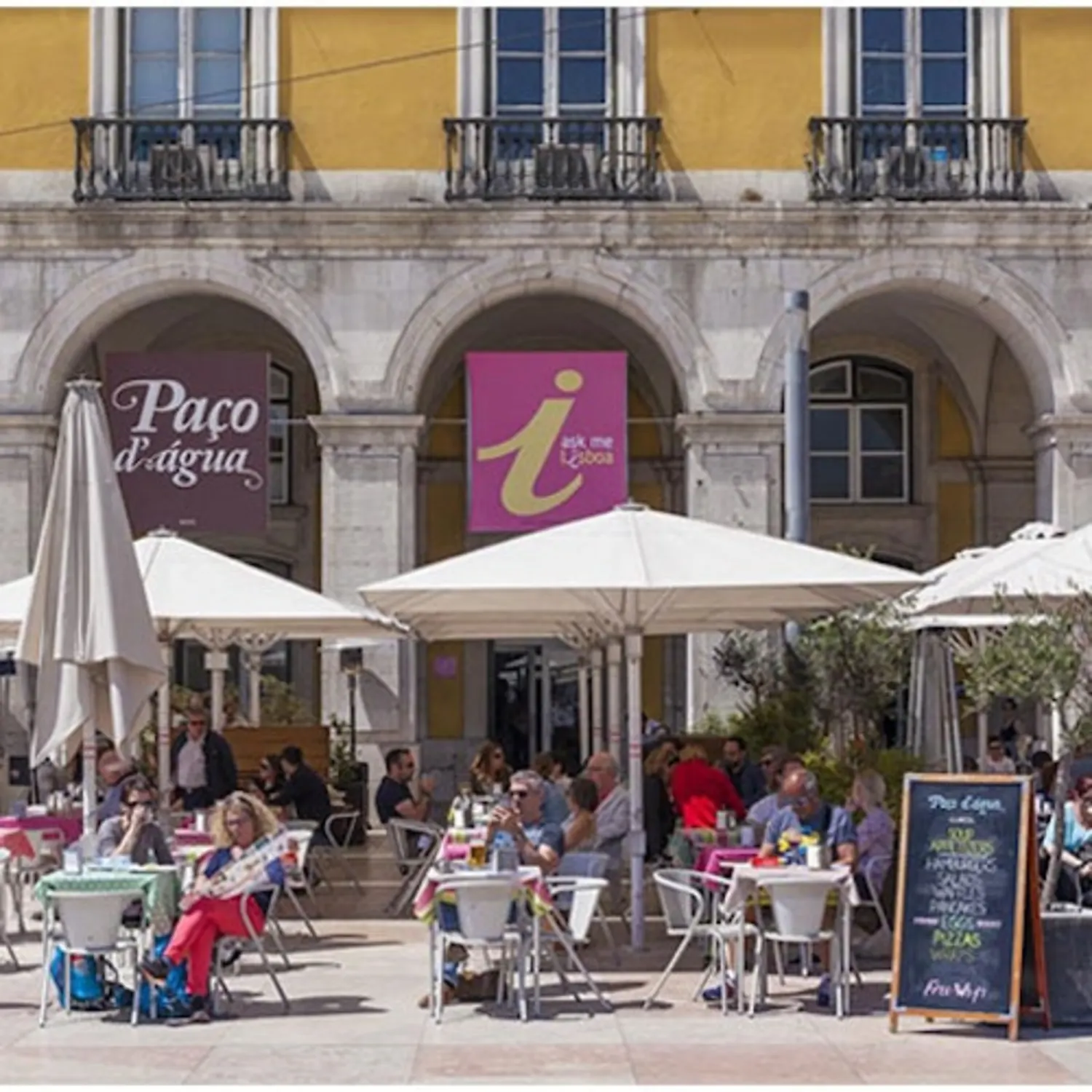
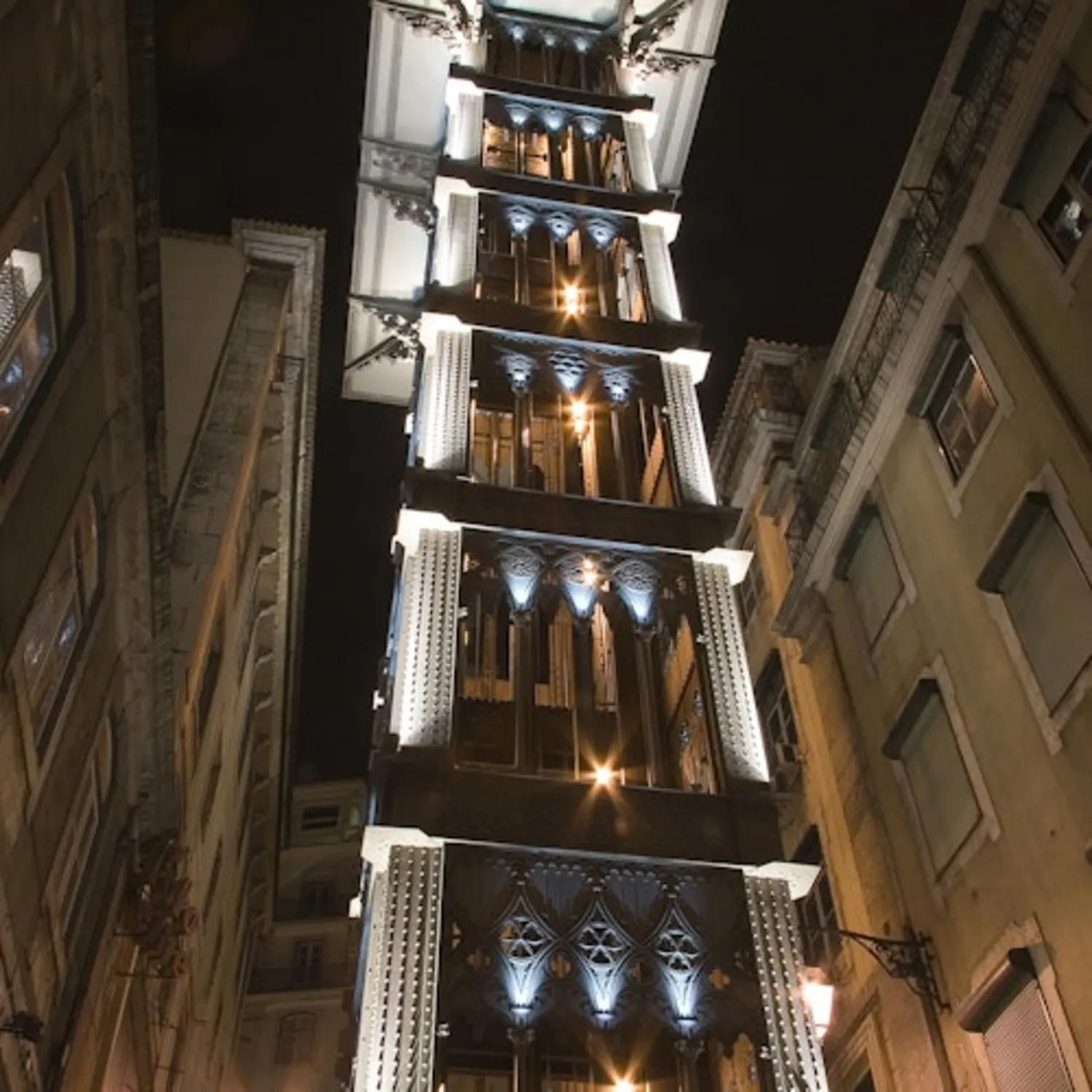
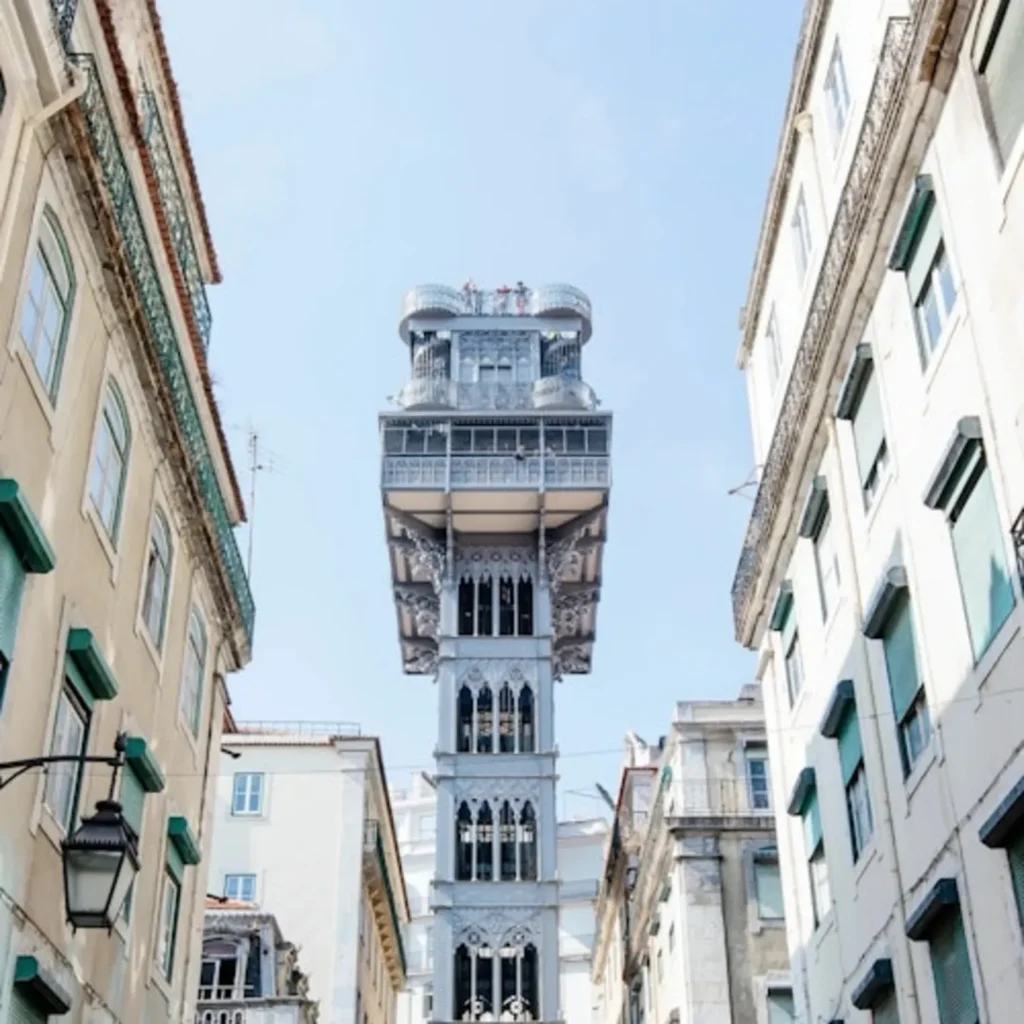
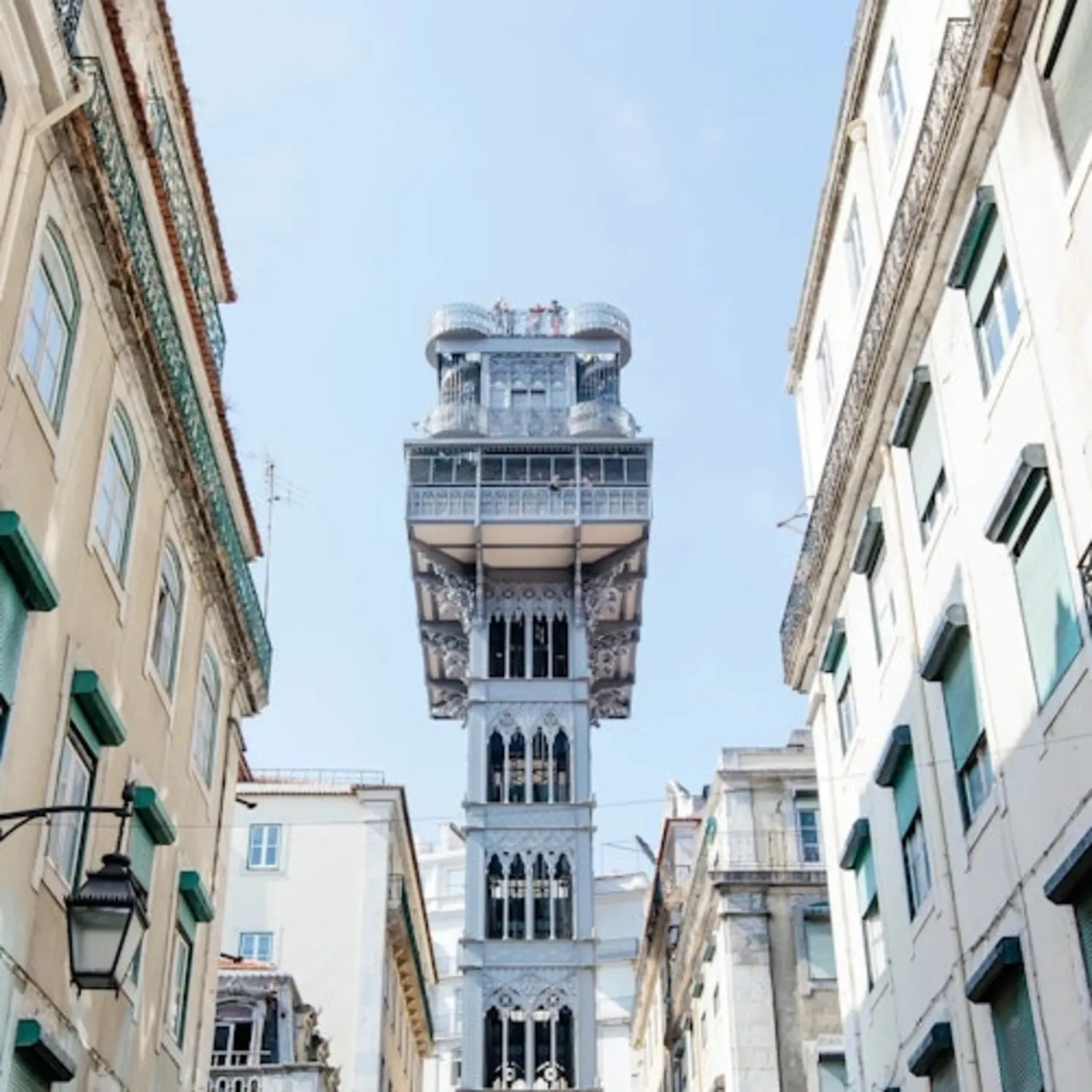
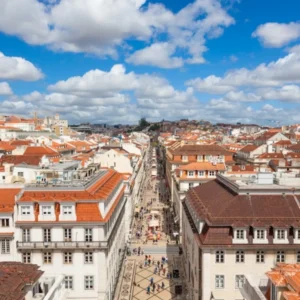
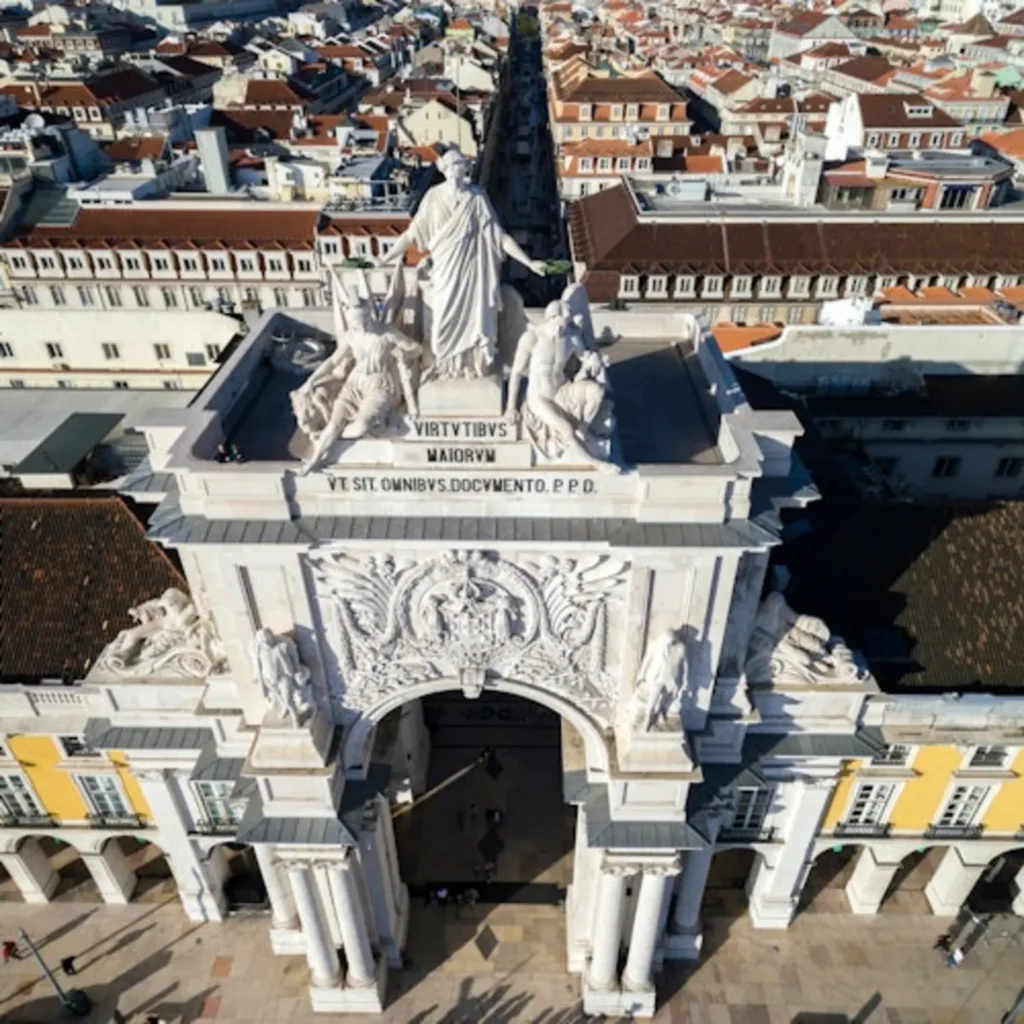
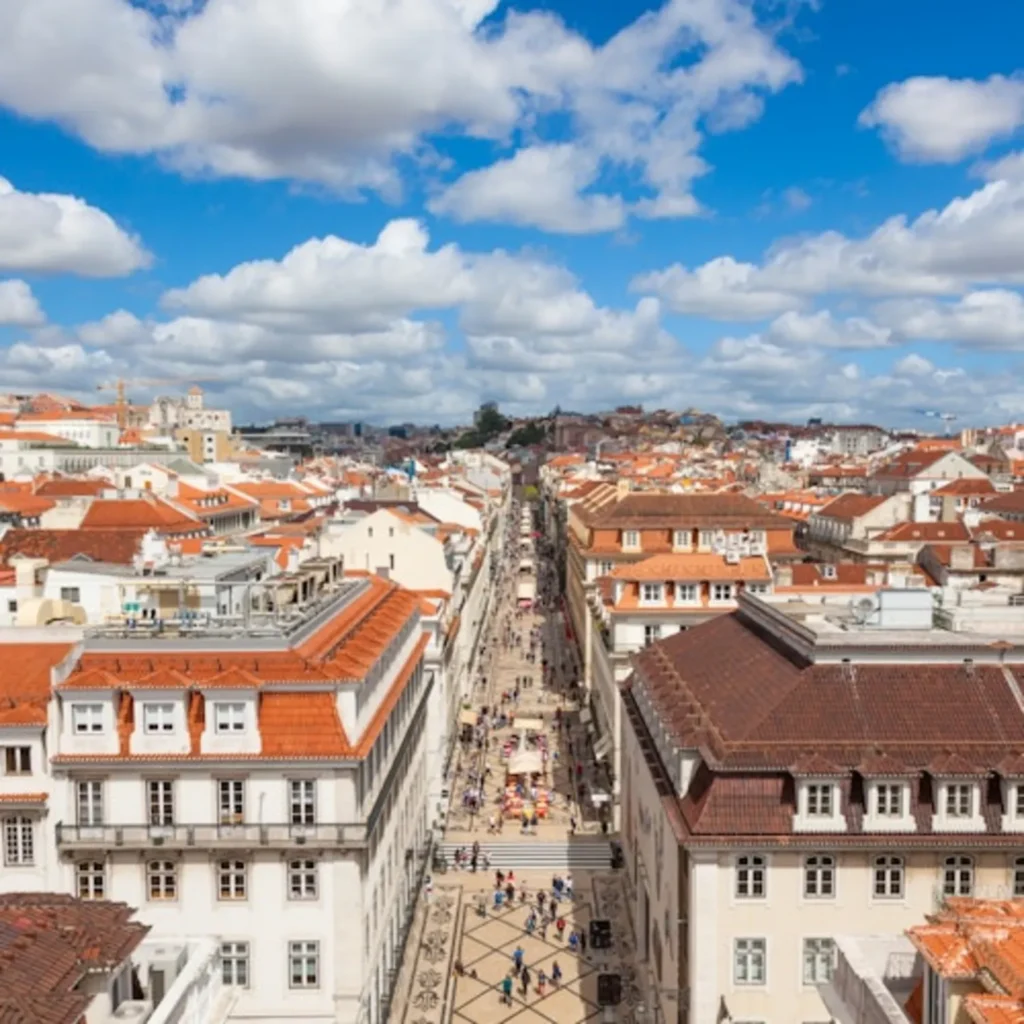
Baixa and Chiado: This is the city's central hub, rebuilt after the 1755 earthquake with wide avenues and grand squares. It is the main area for shopping, traditional cafes, and the historic Santa Justa Lift.

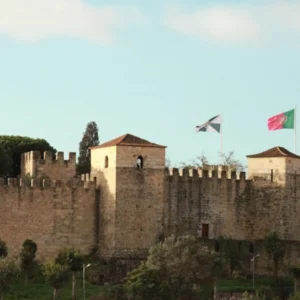
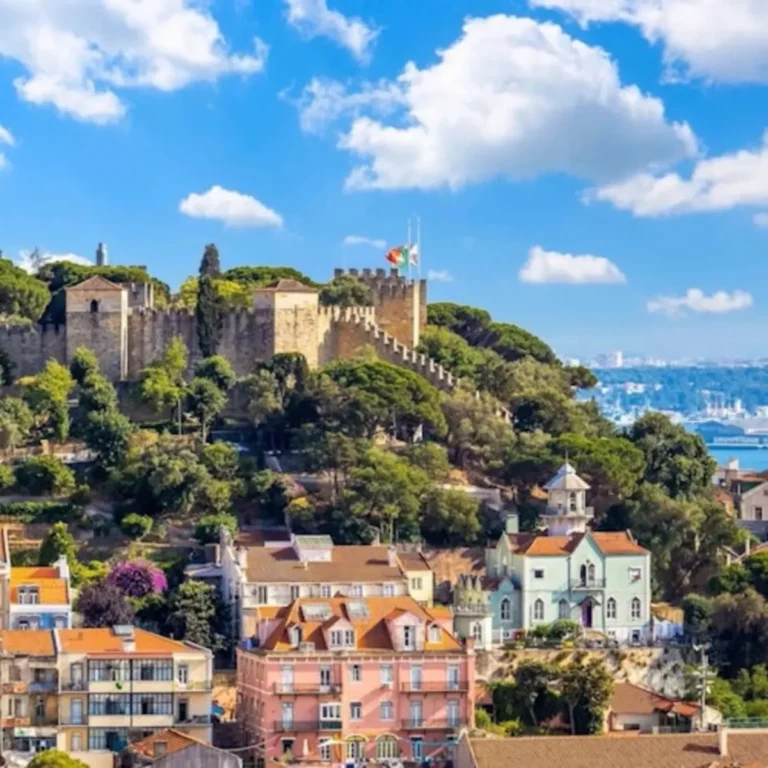
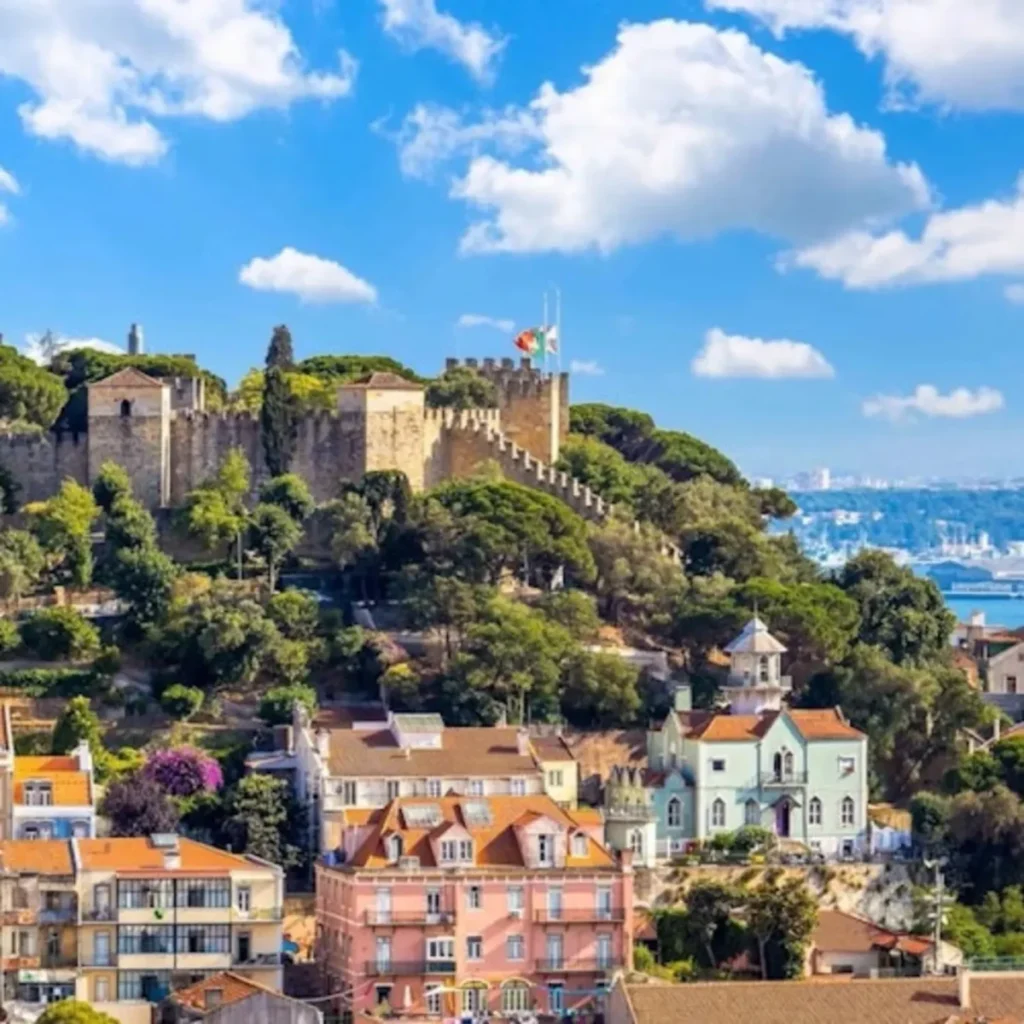
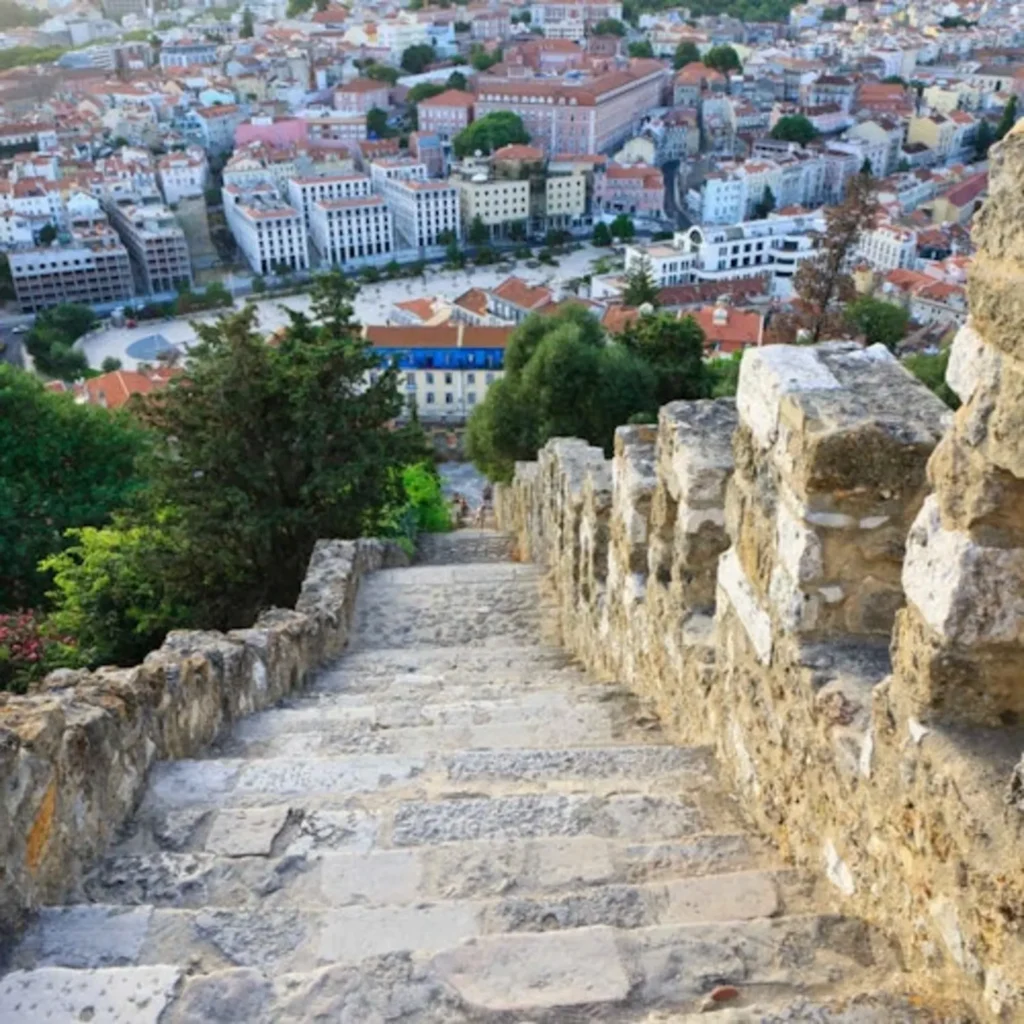
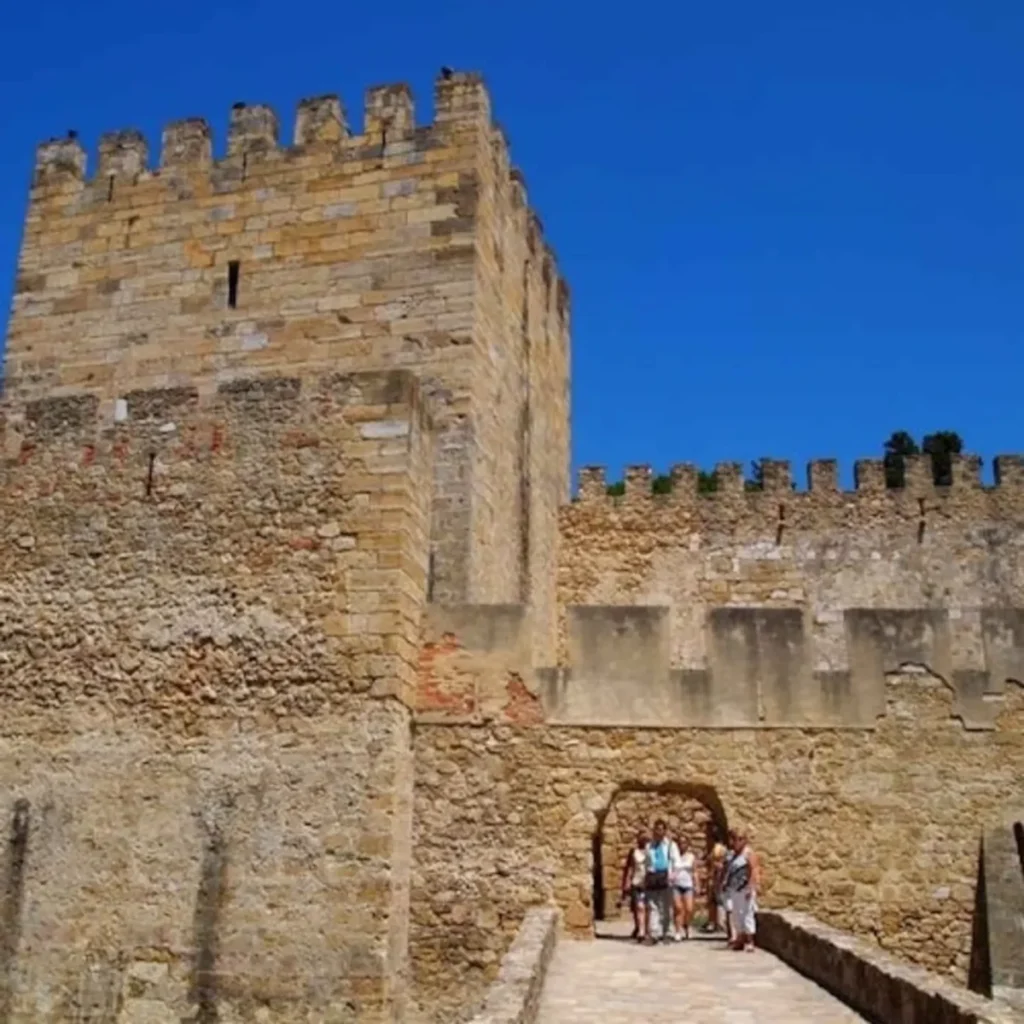
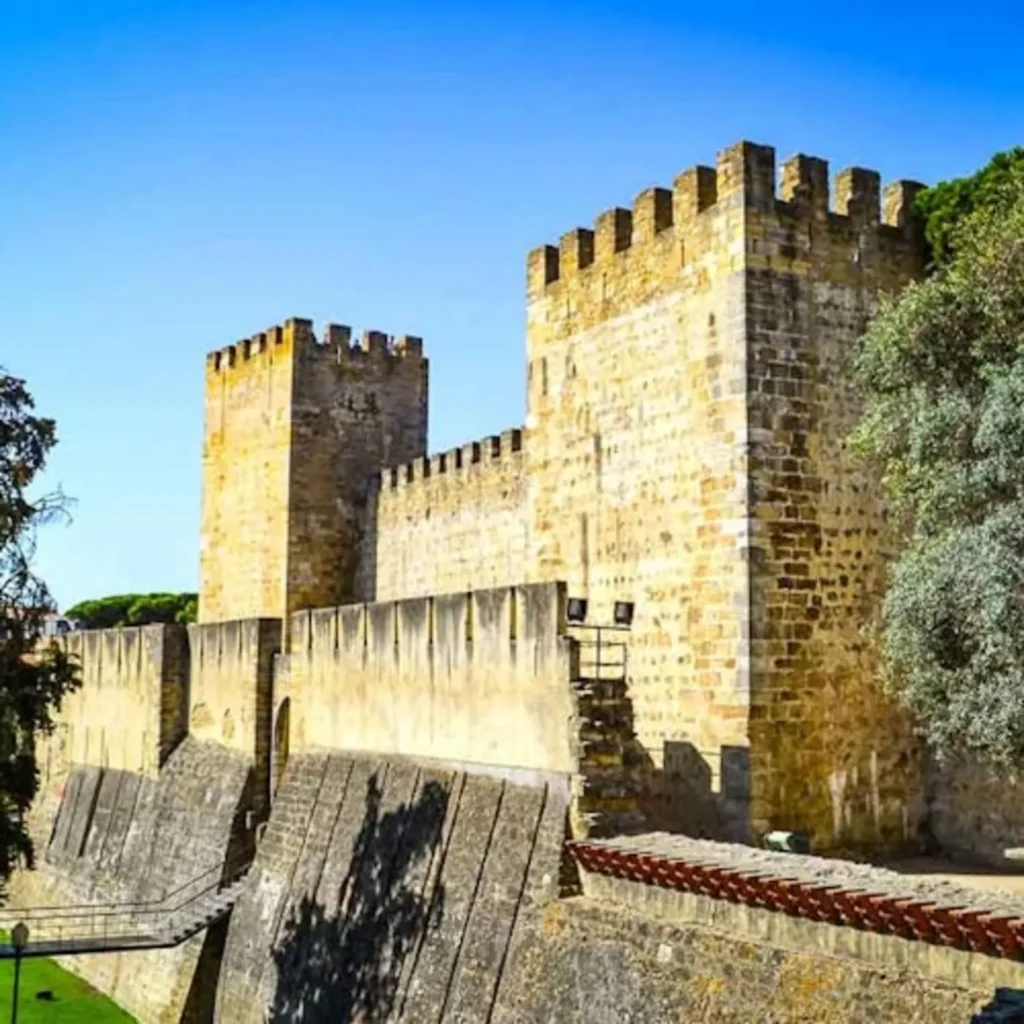
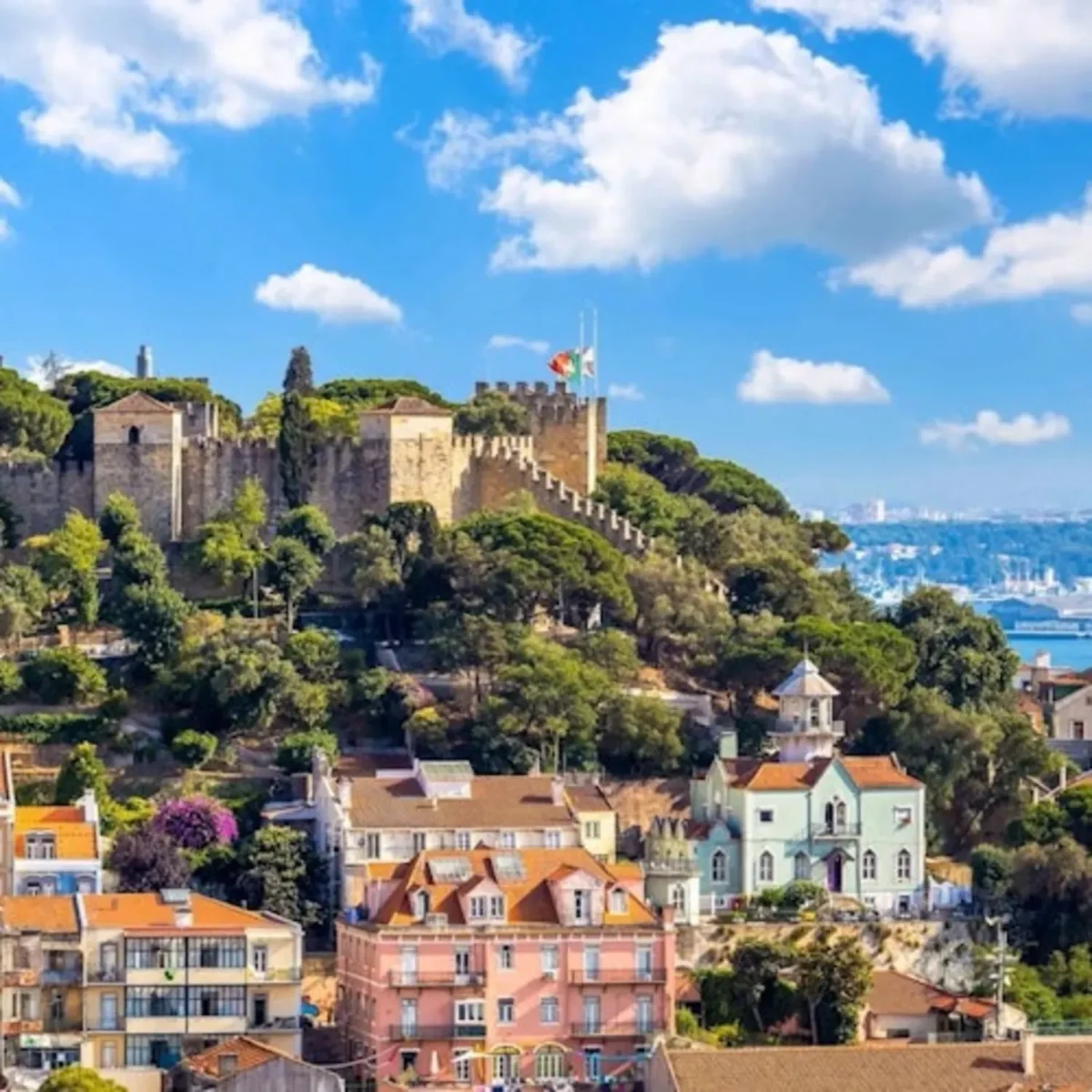
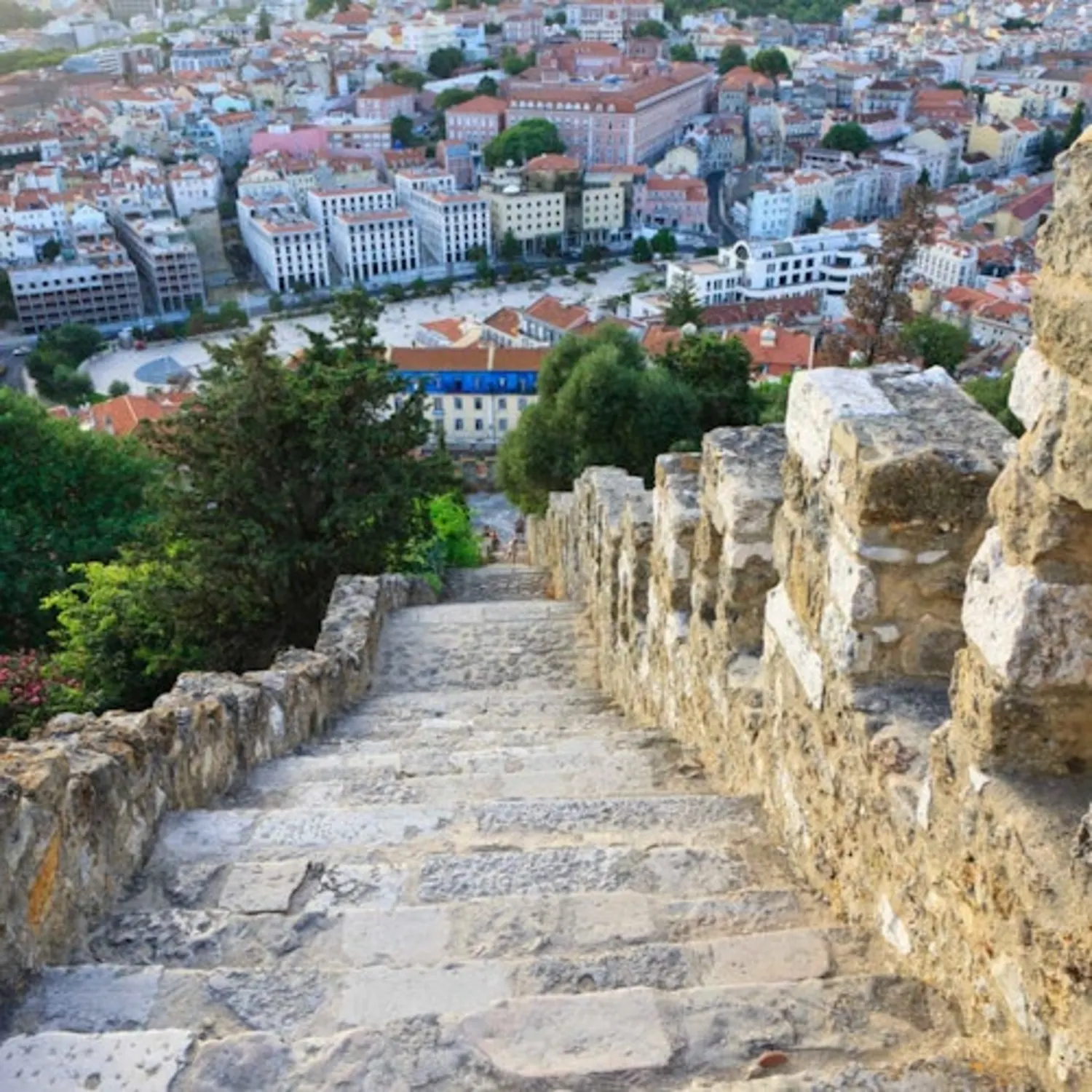
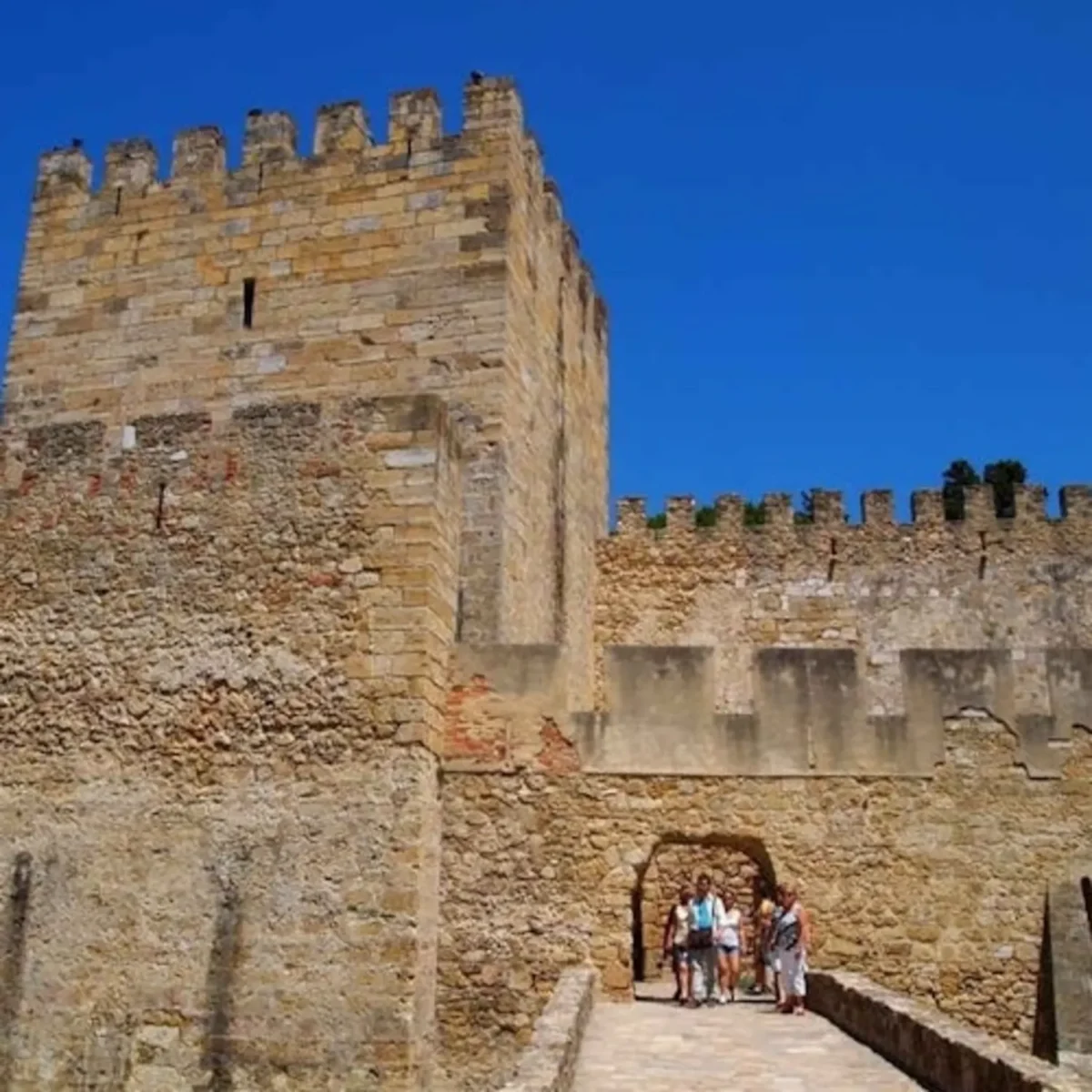
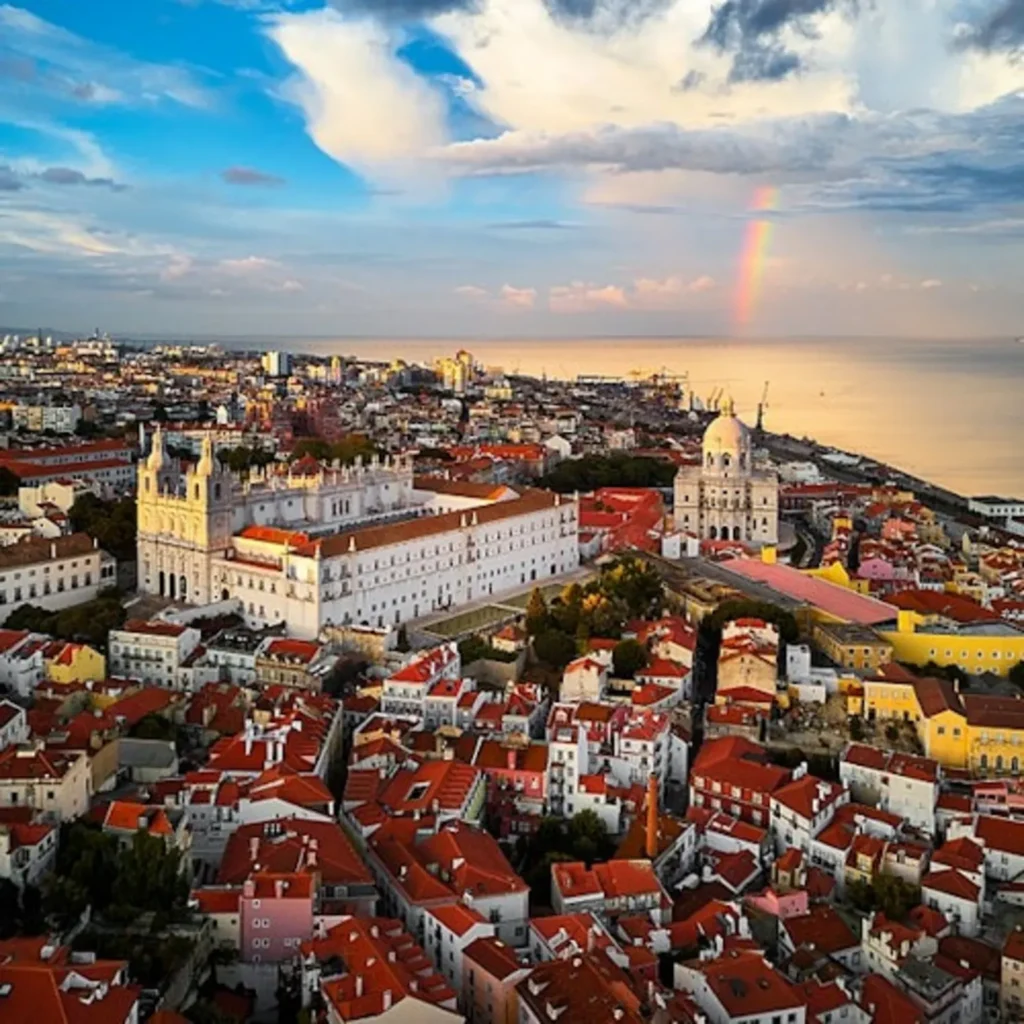
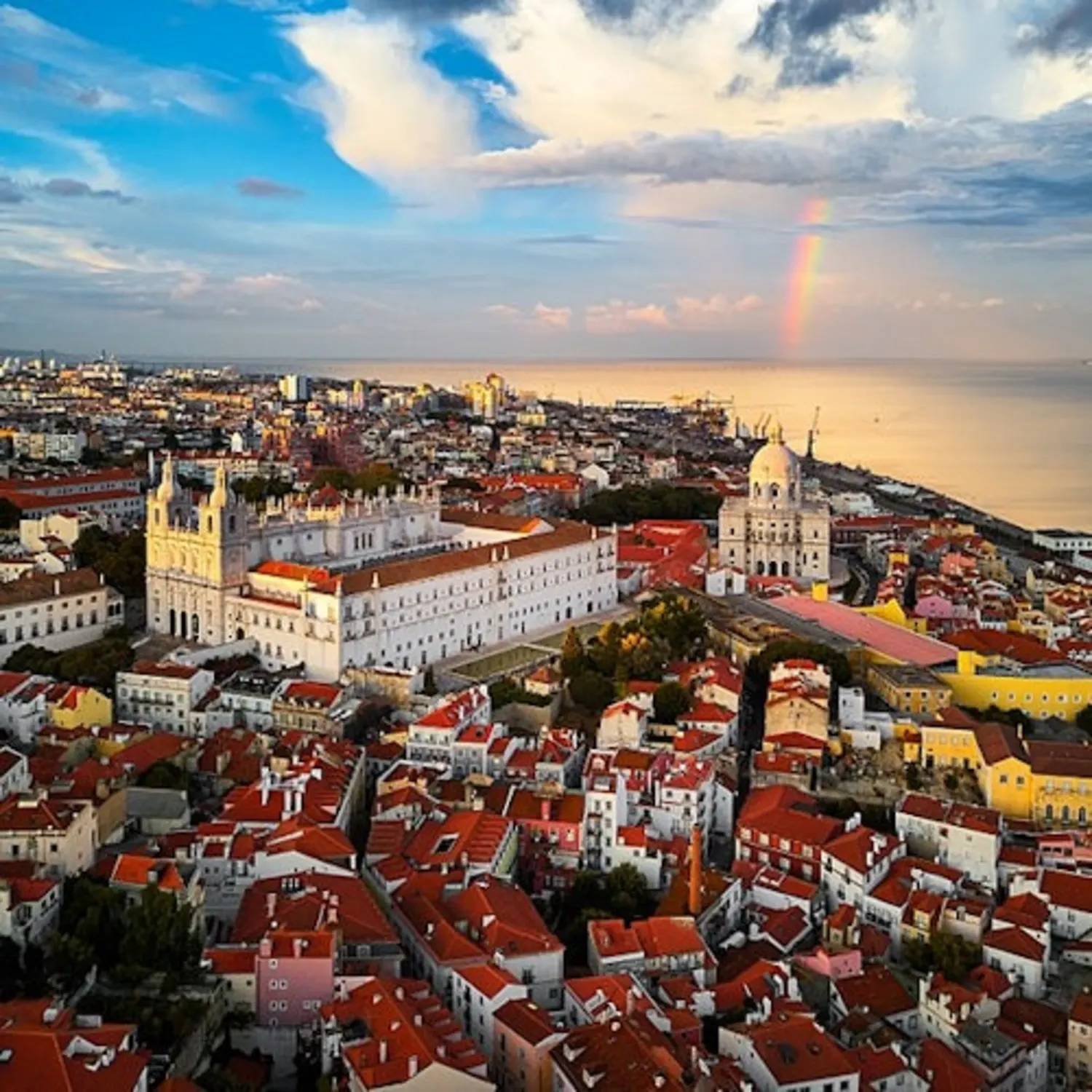
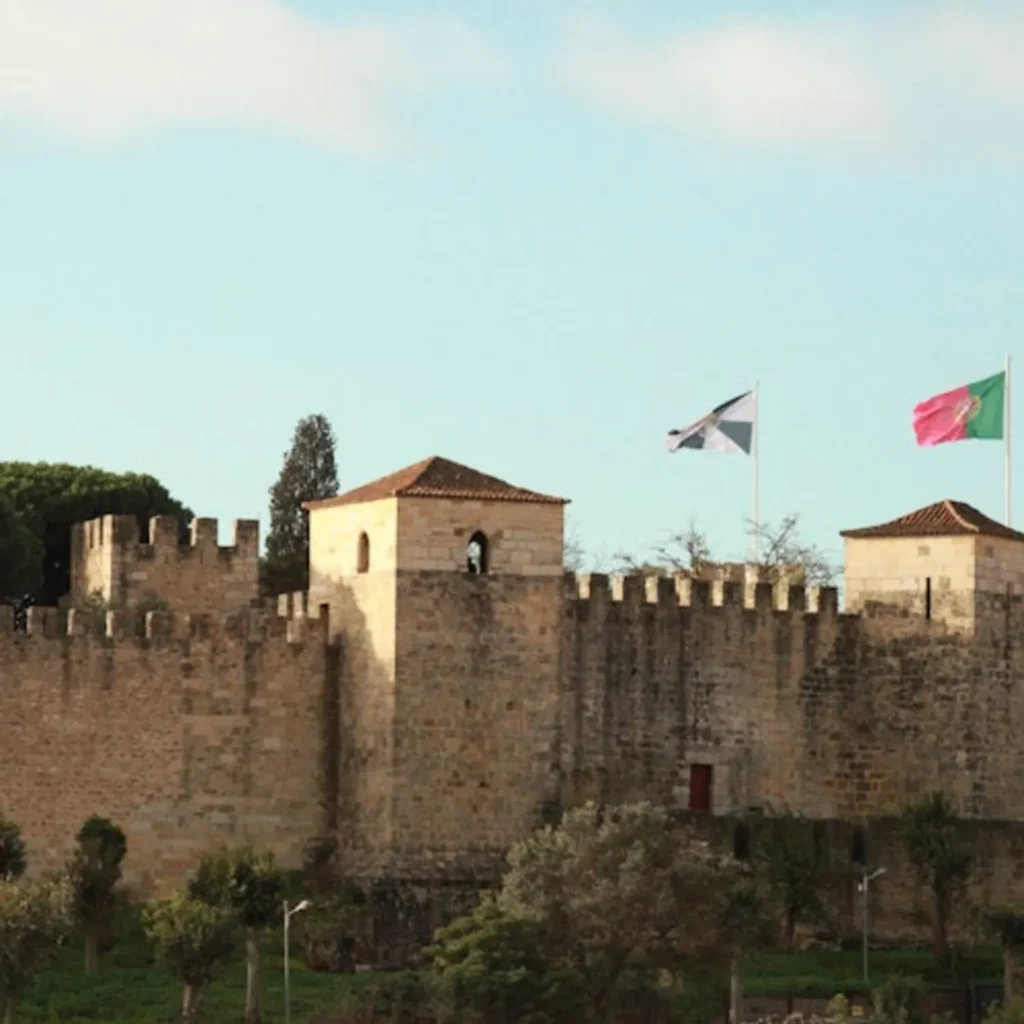
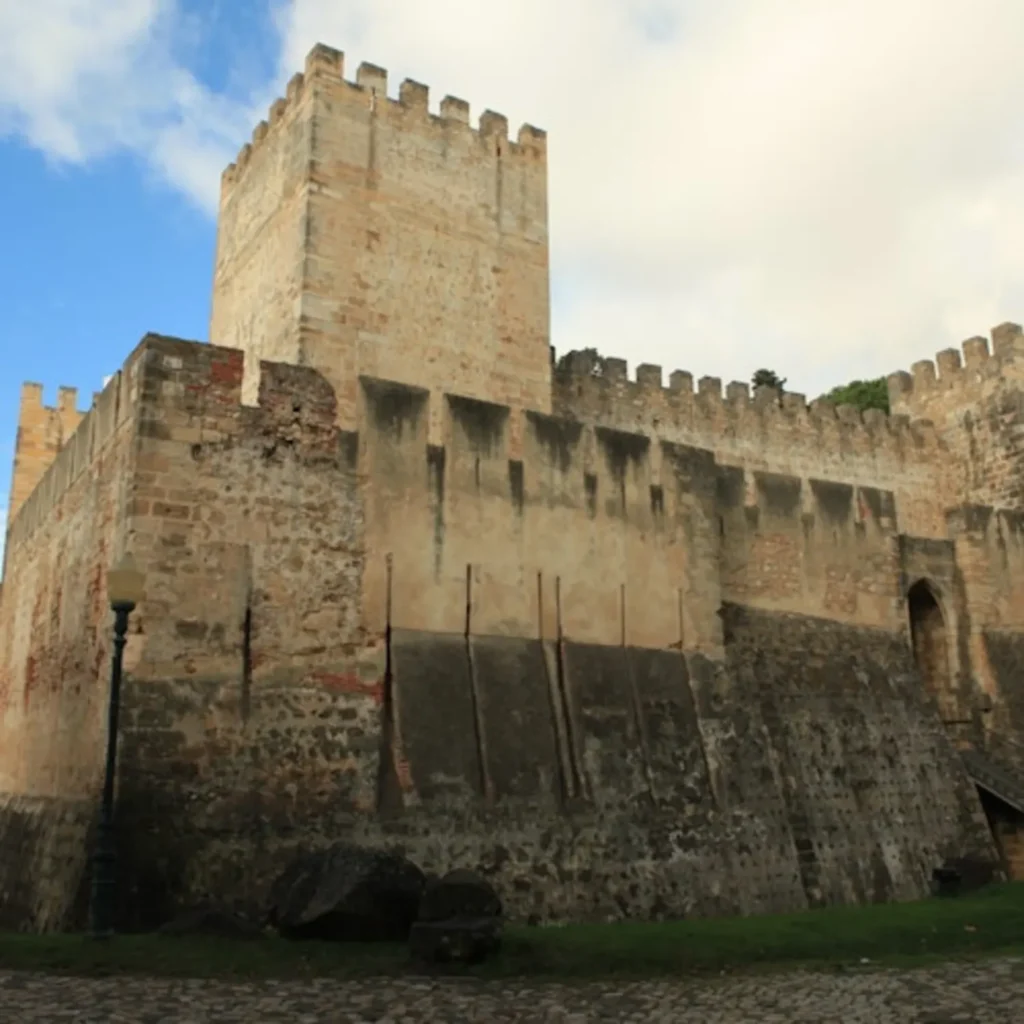
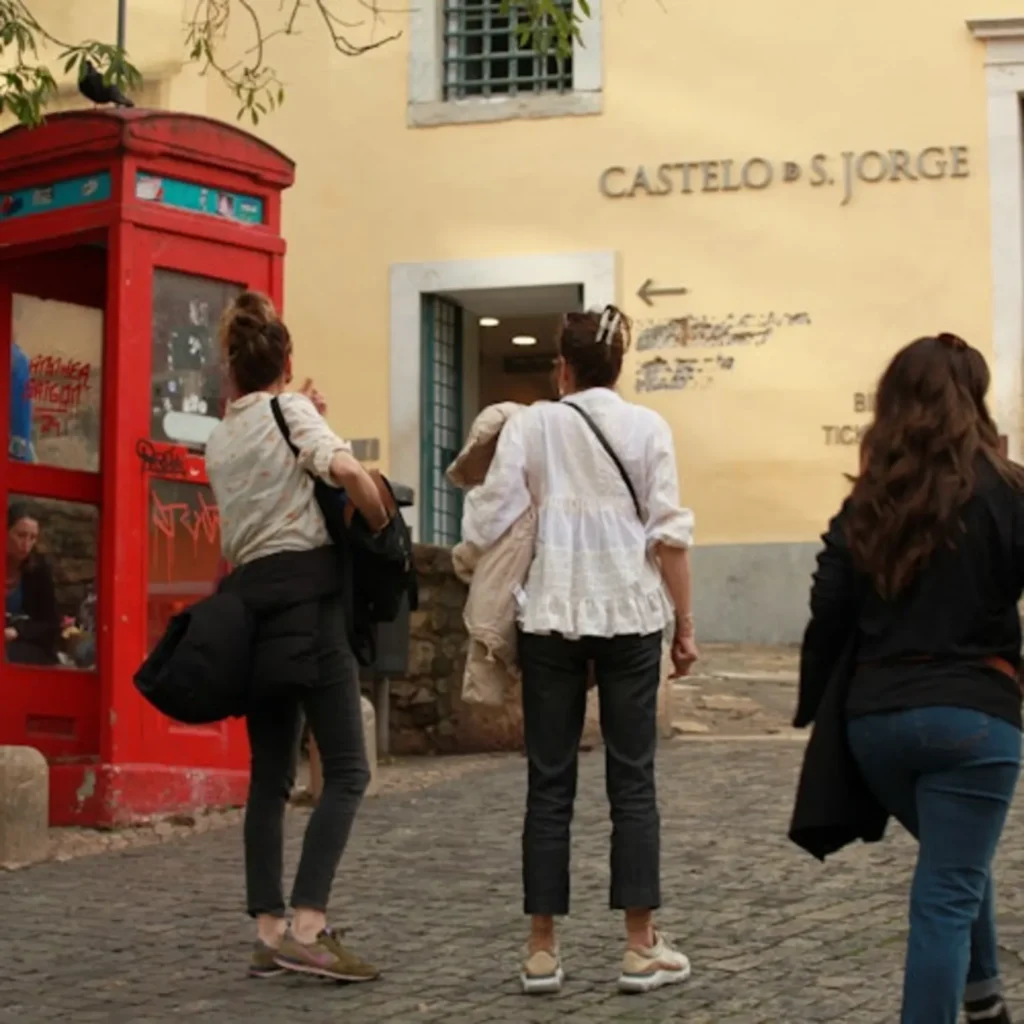
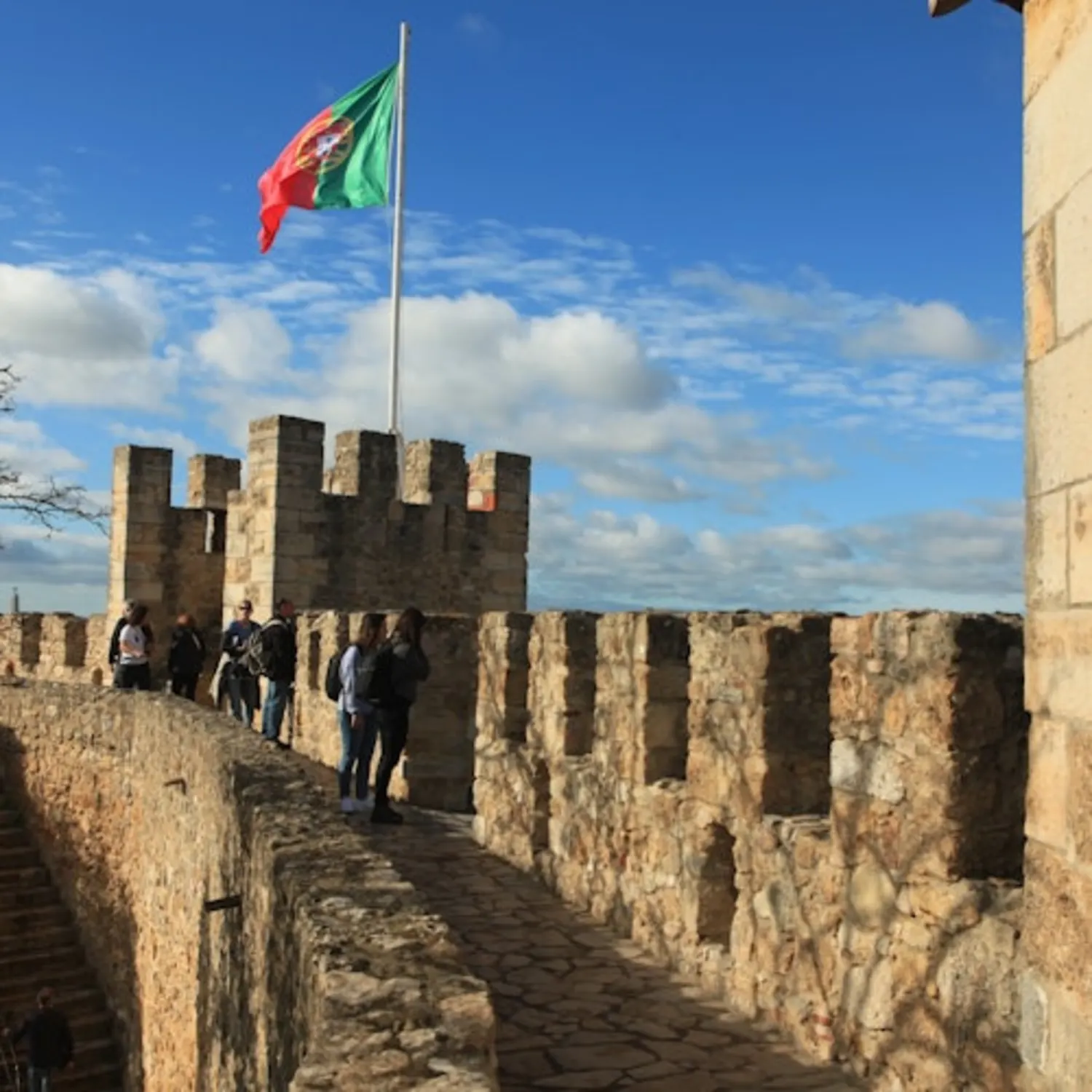
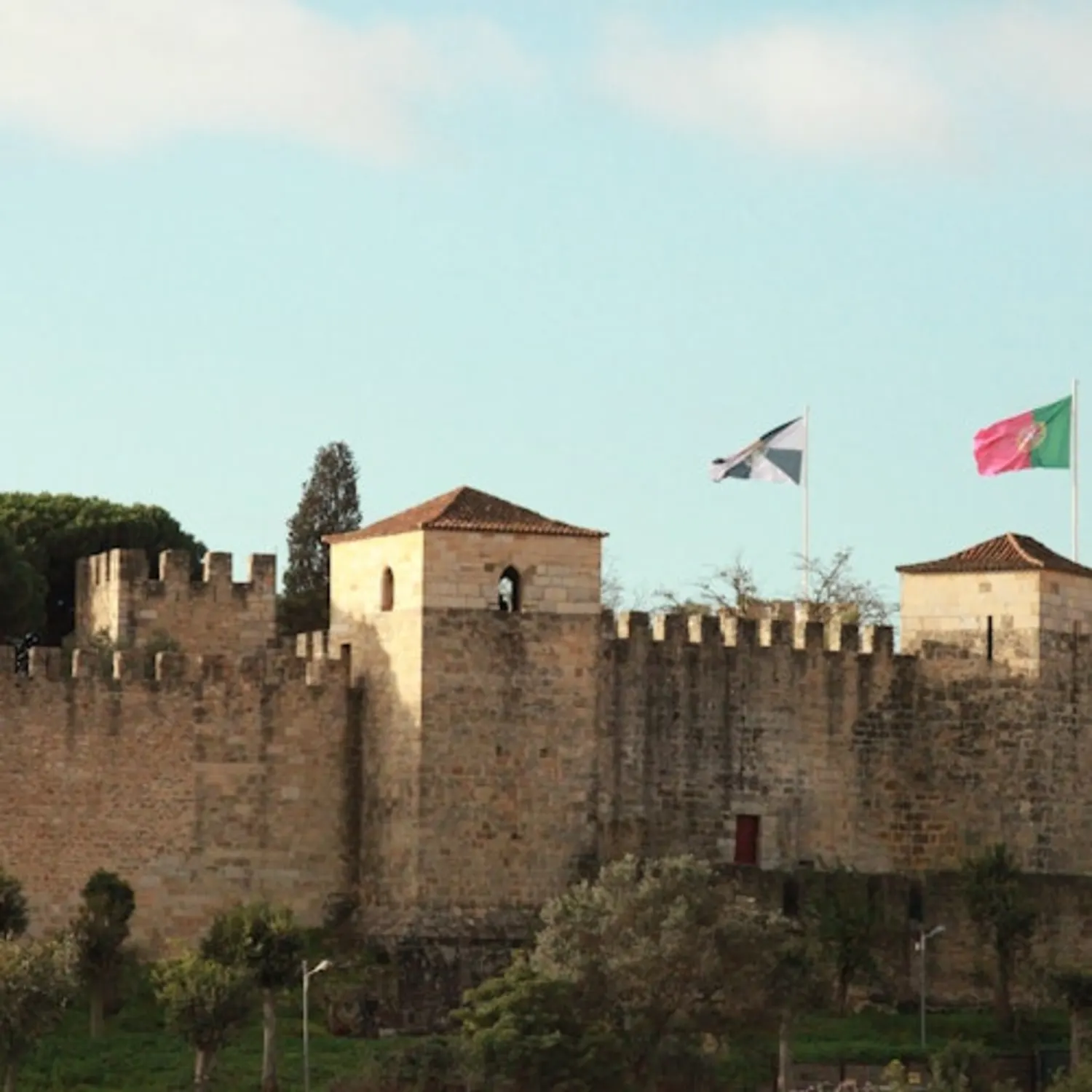
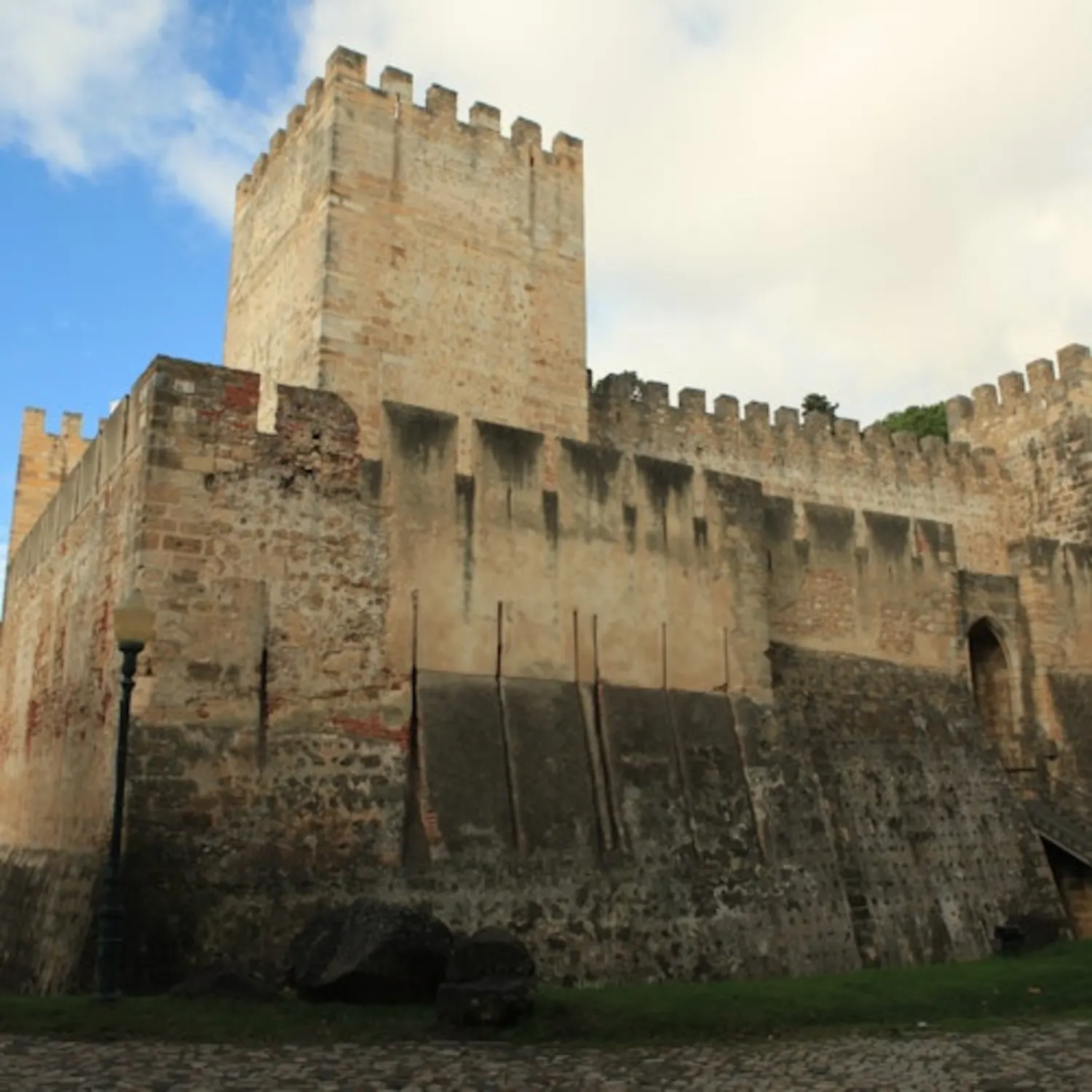
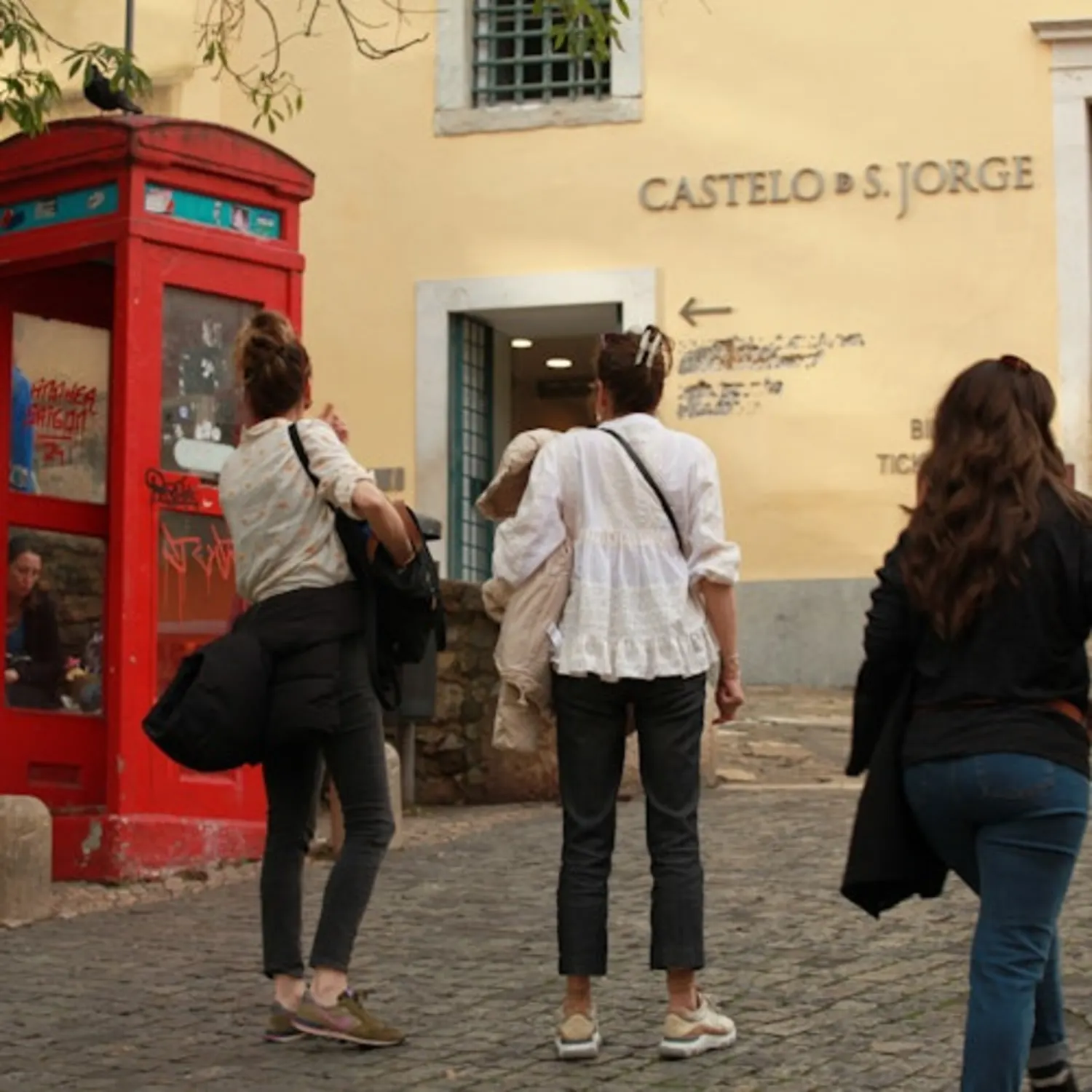
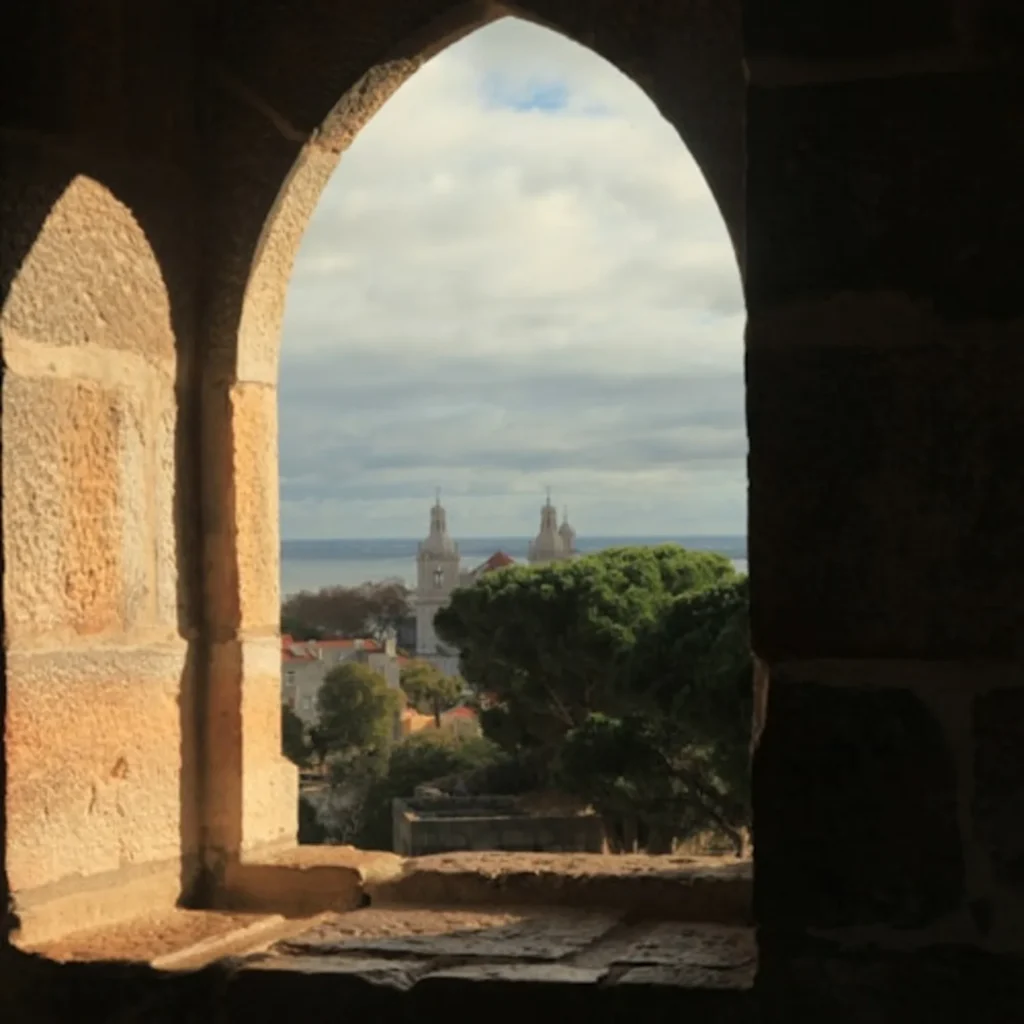
Alfama: As the oldest district, Alfama is a maze of narrow alleys and steep stairs. It survived the great earthquake and remains the heart of Fado music and the site of the São Jorge Castle.

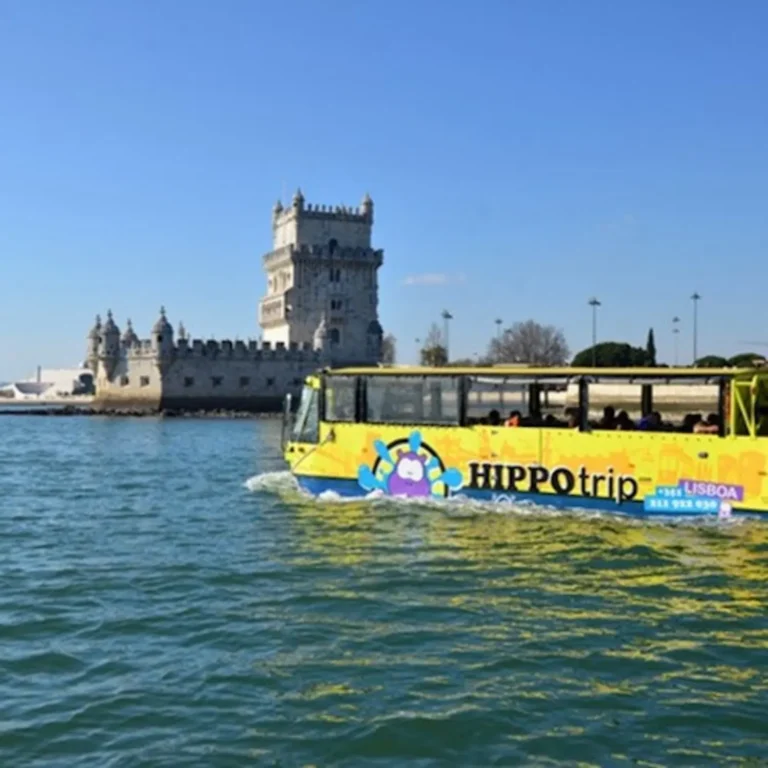
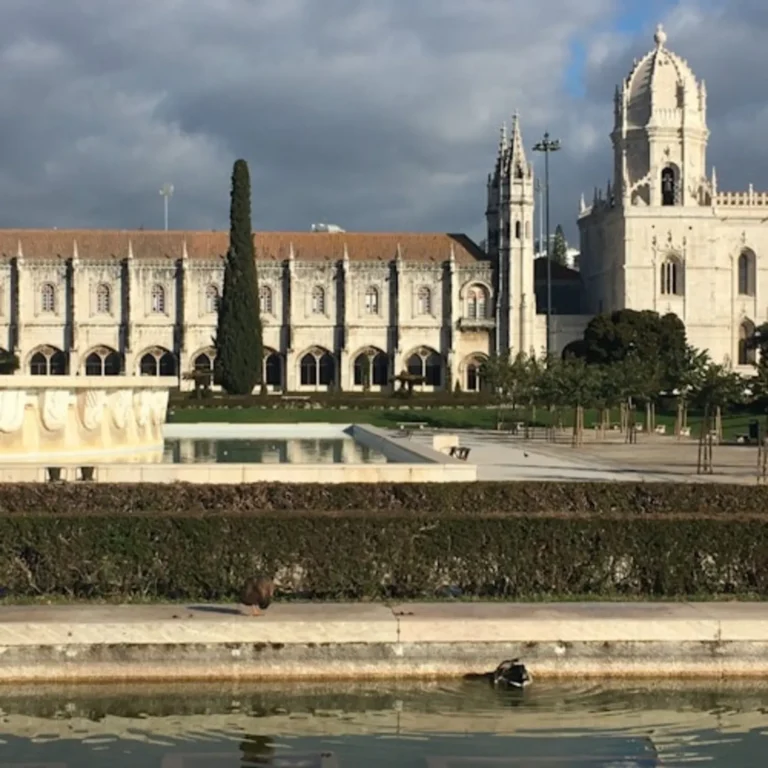
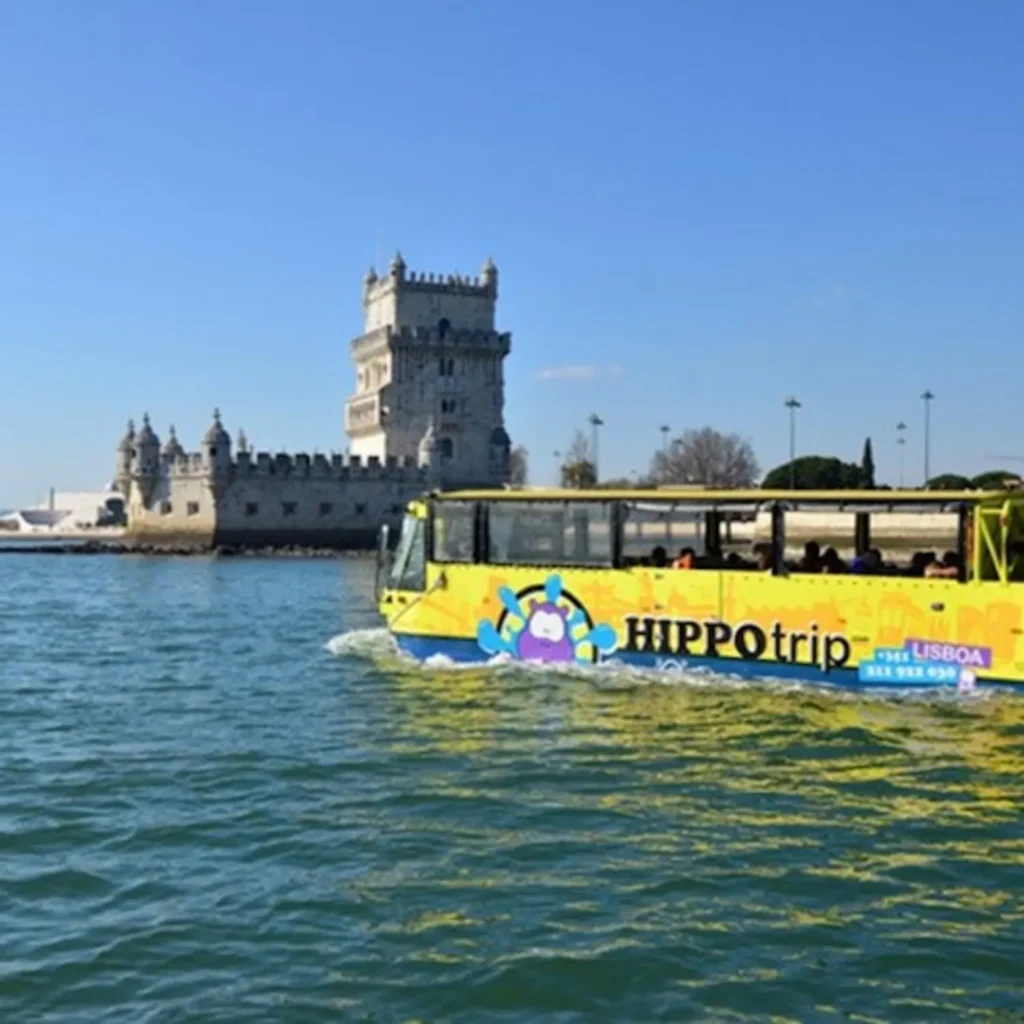
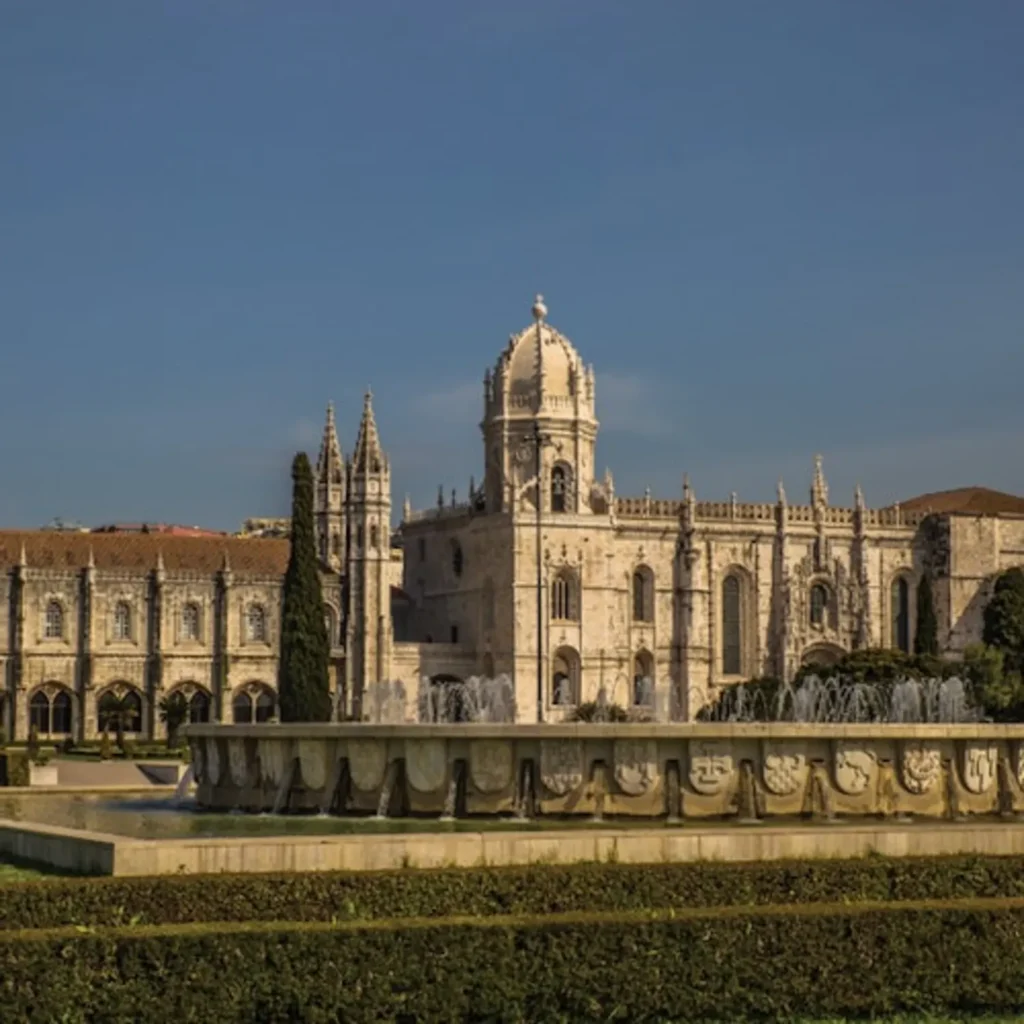
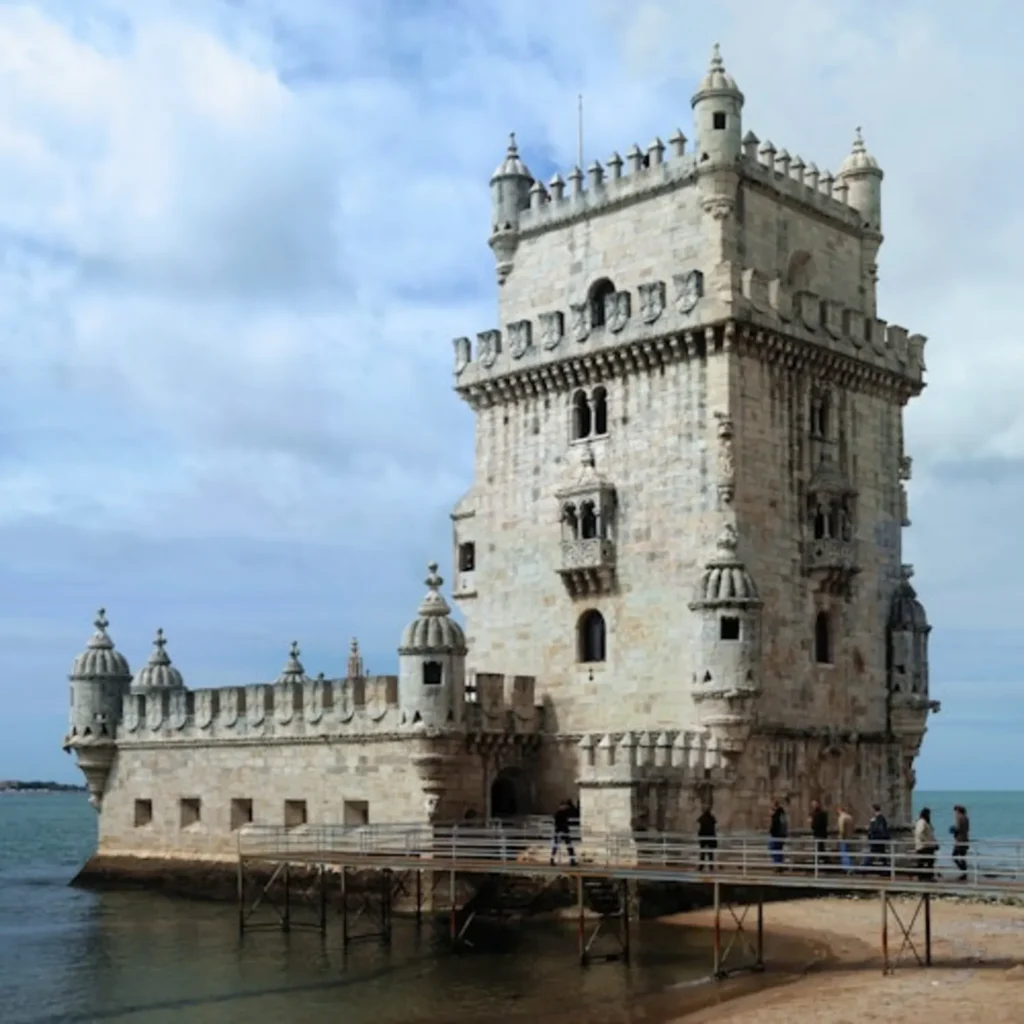
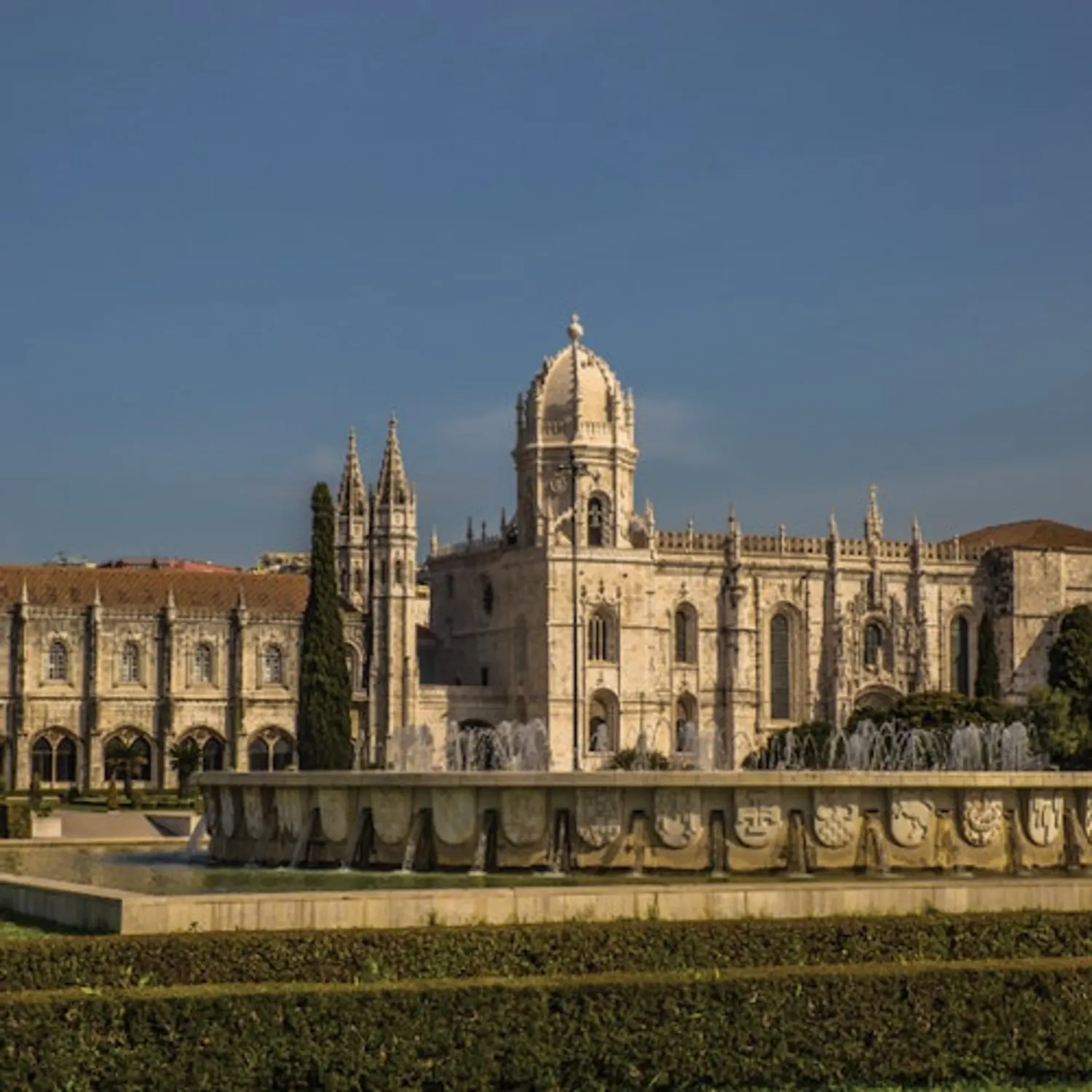
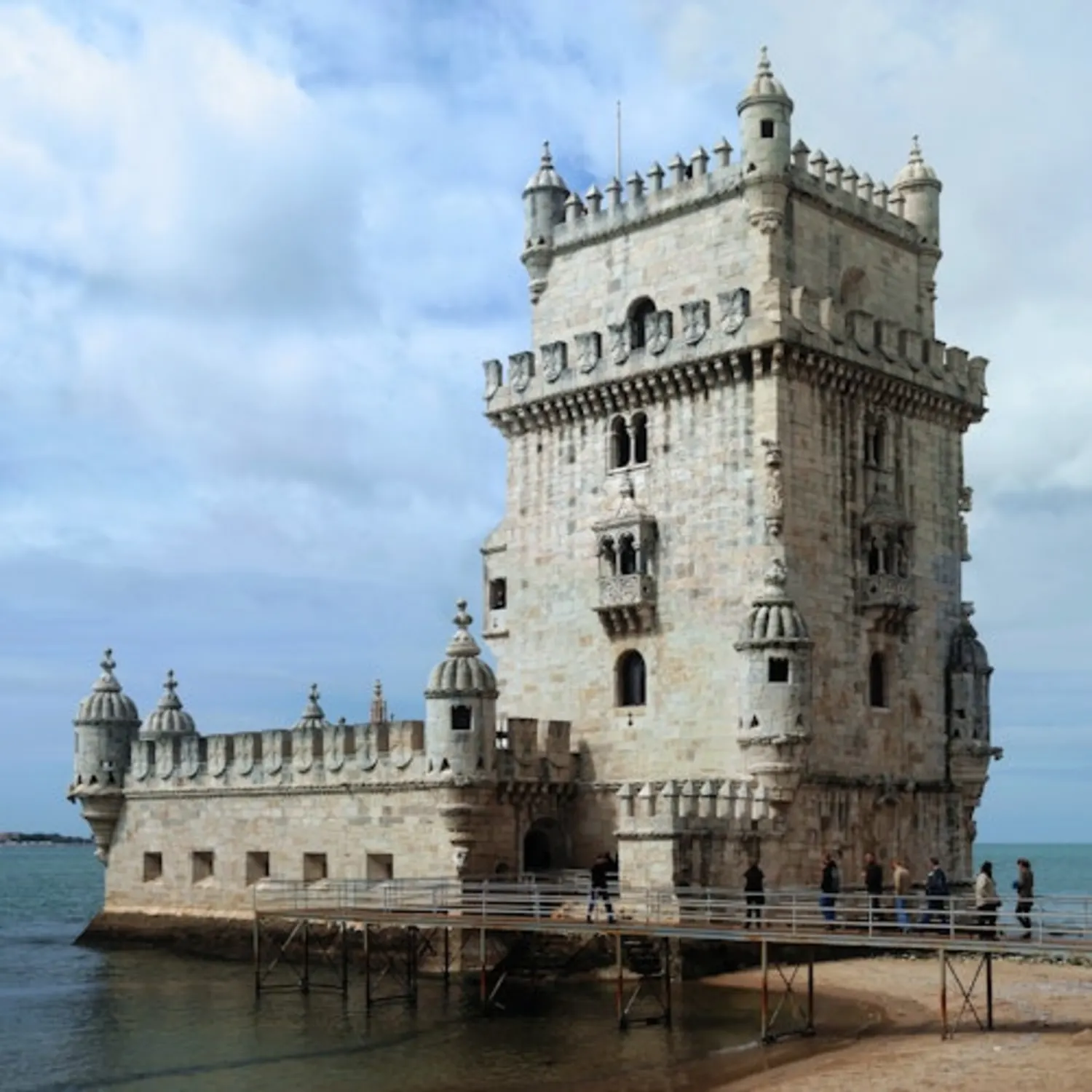
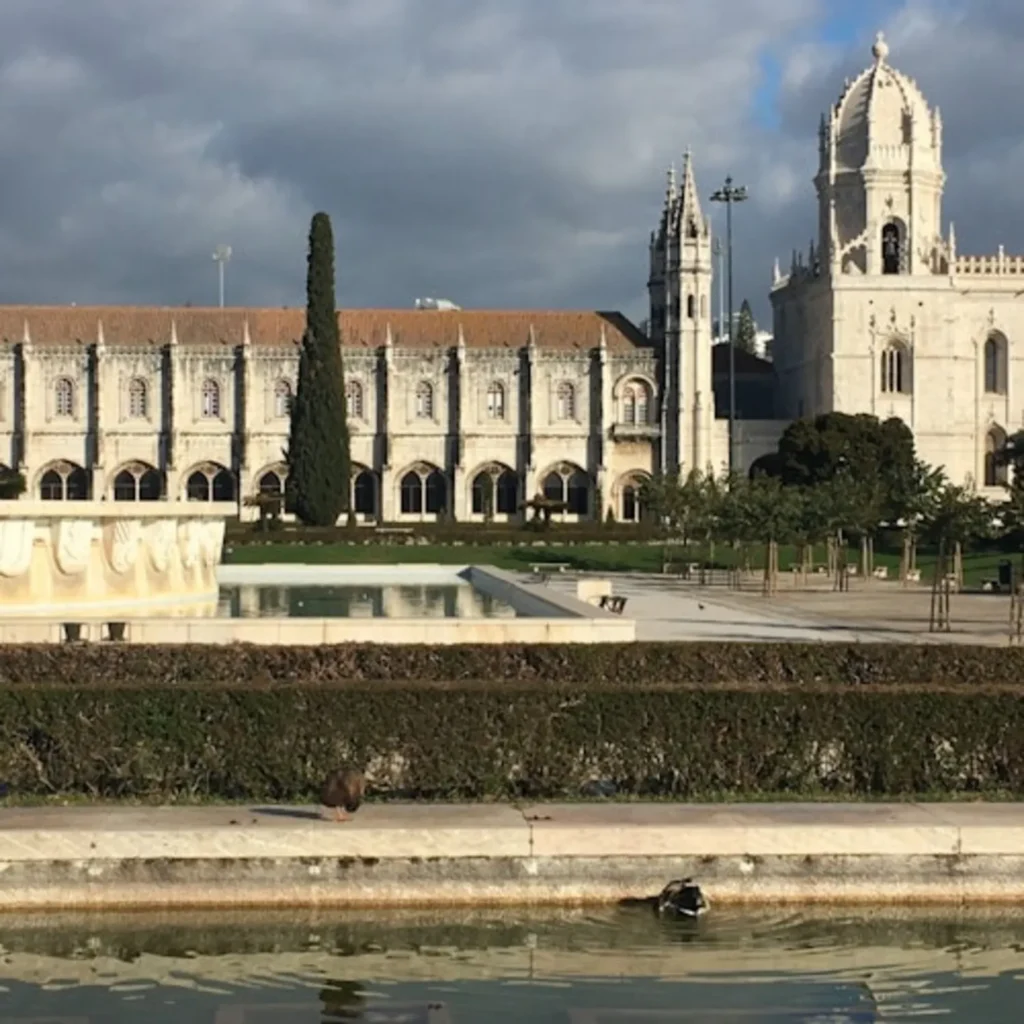
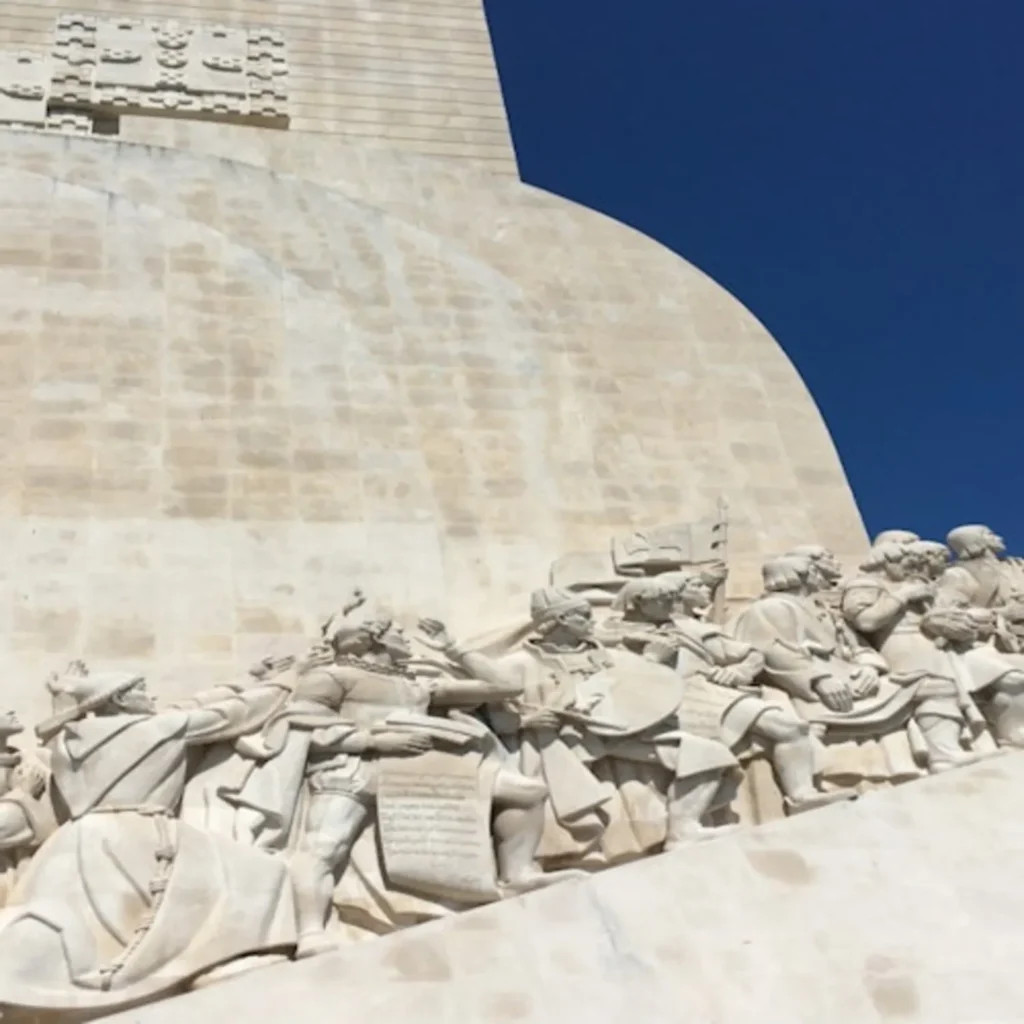
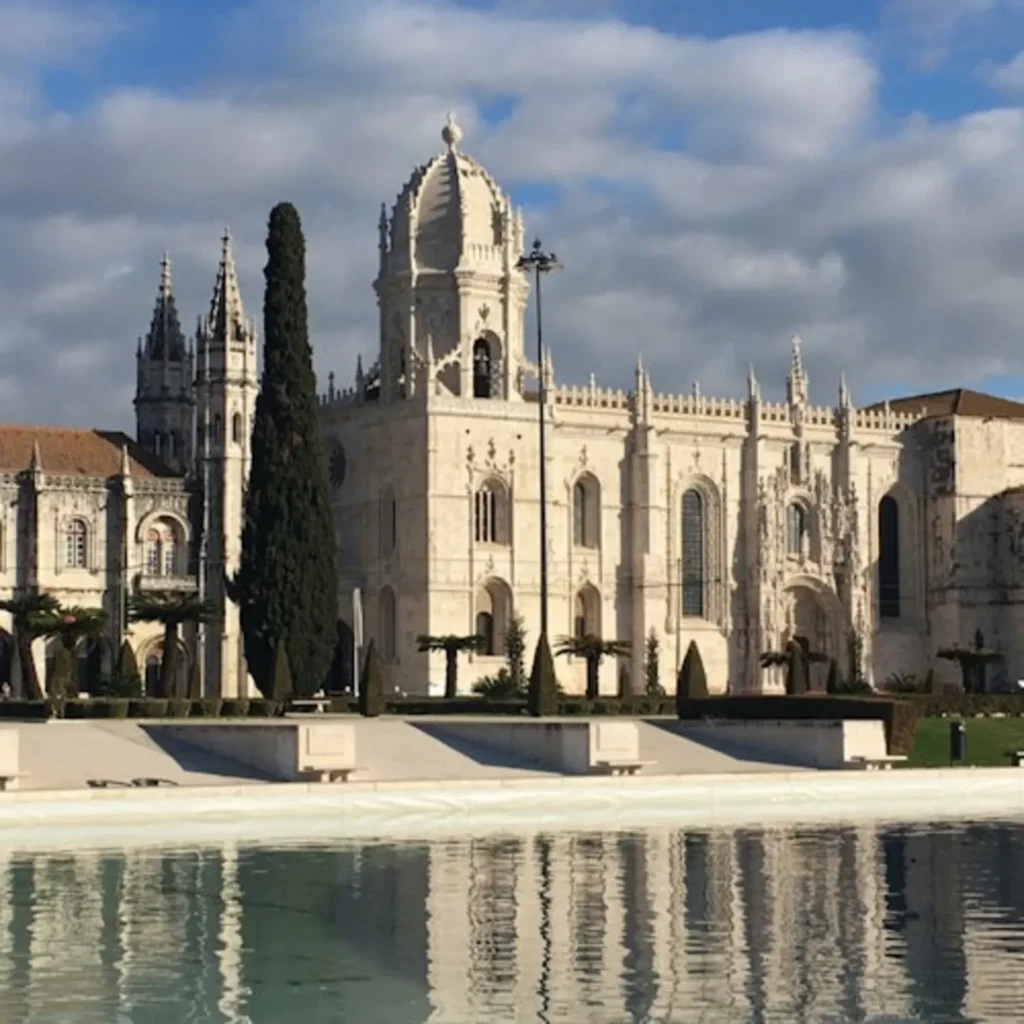
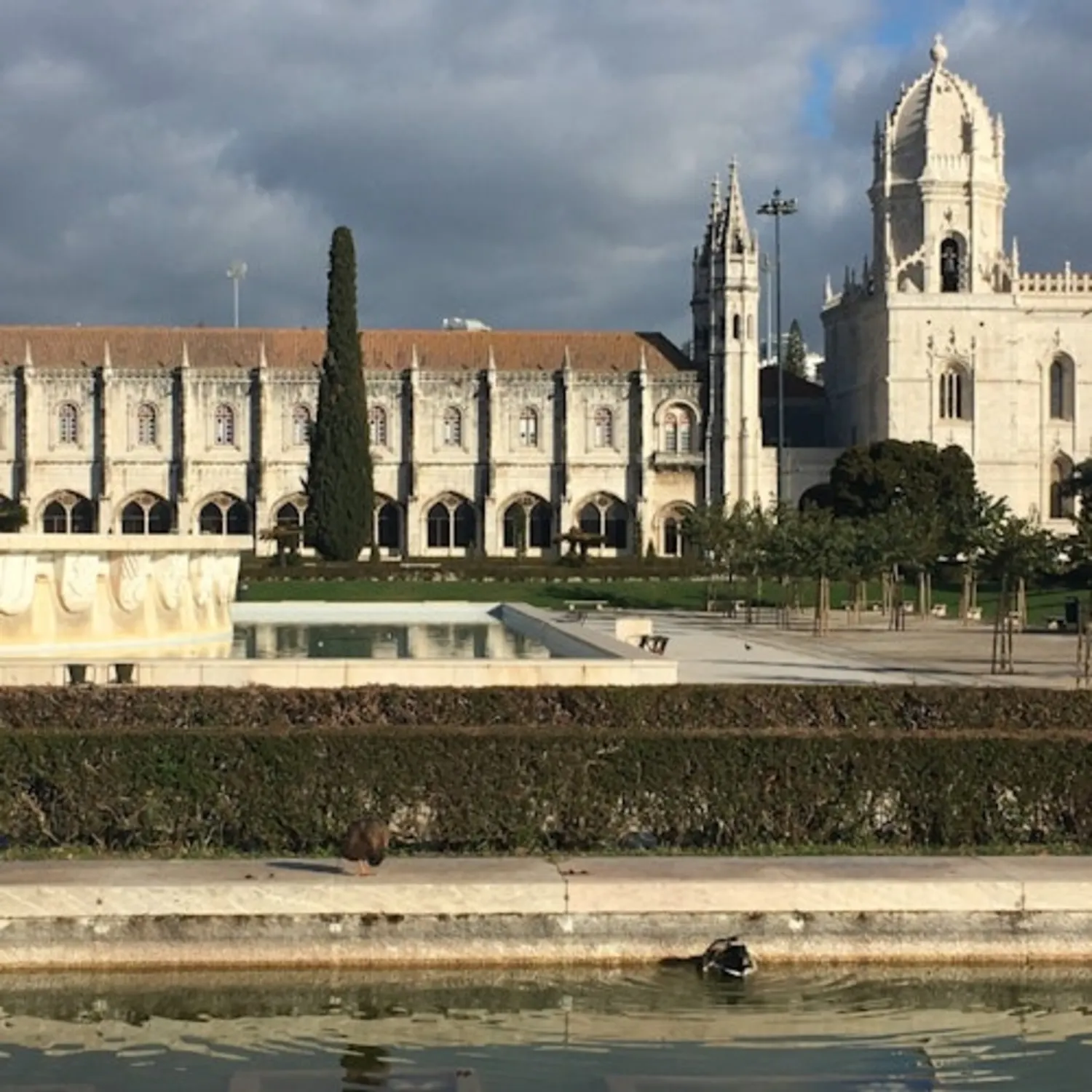
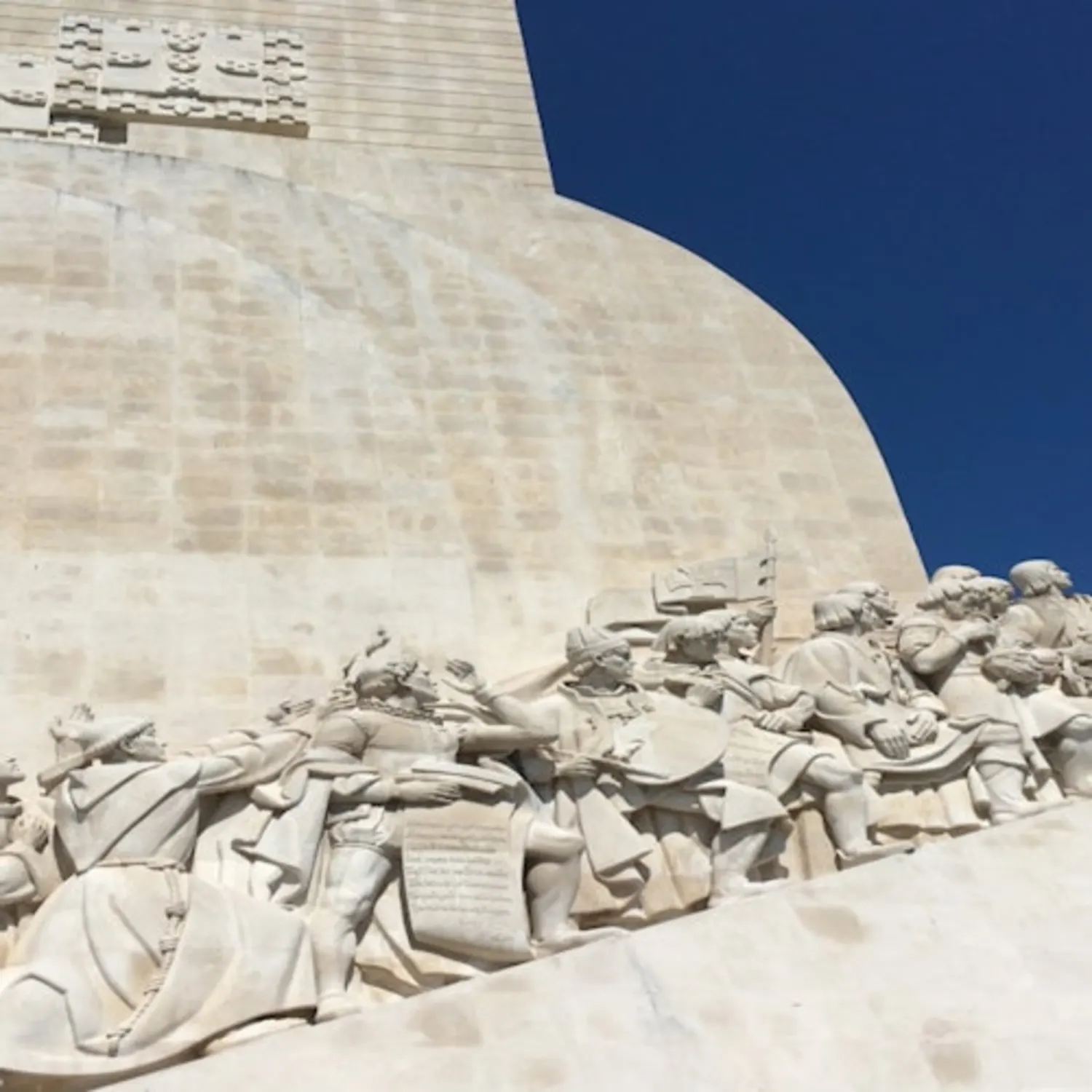
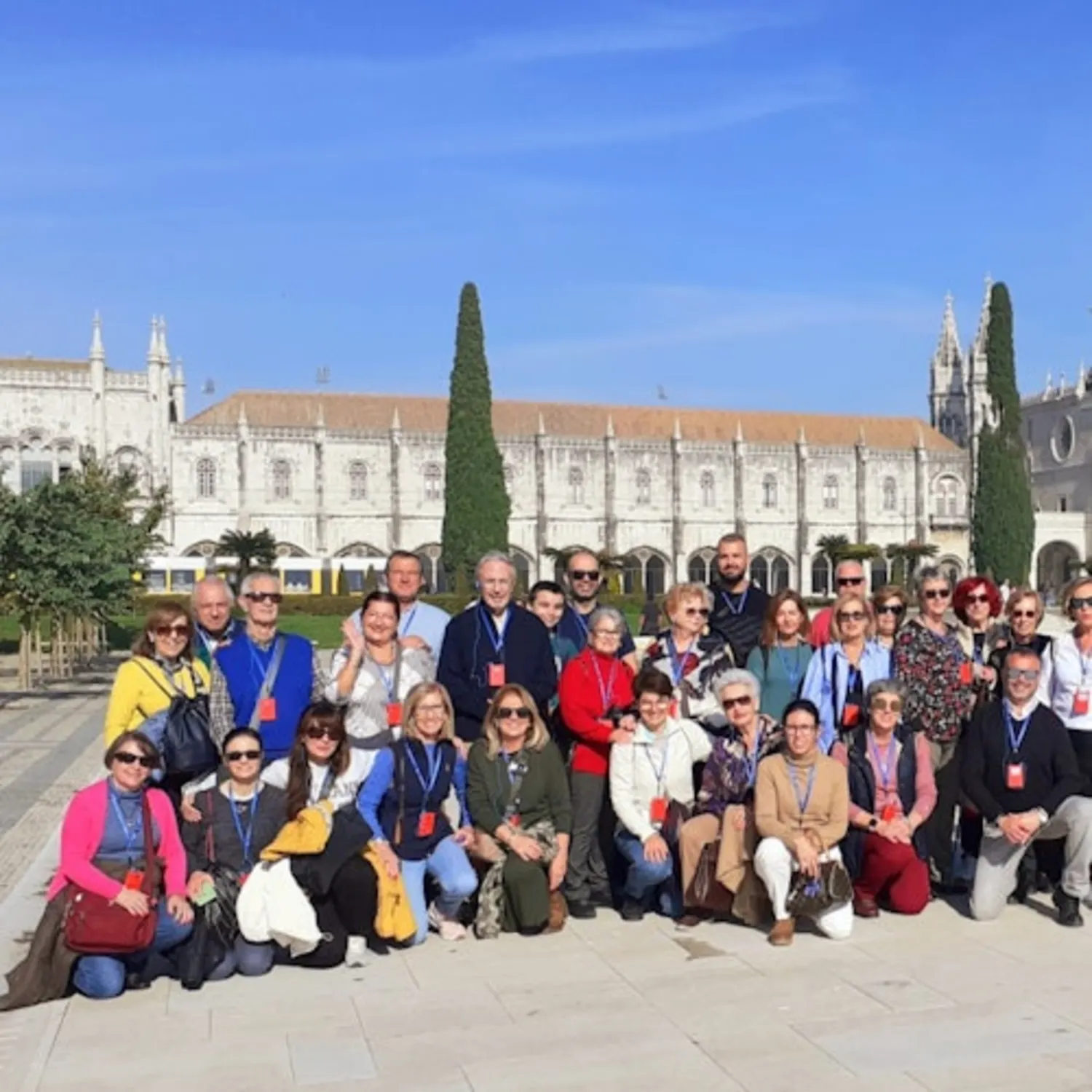
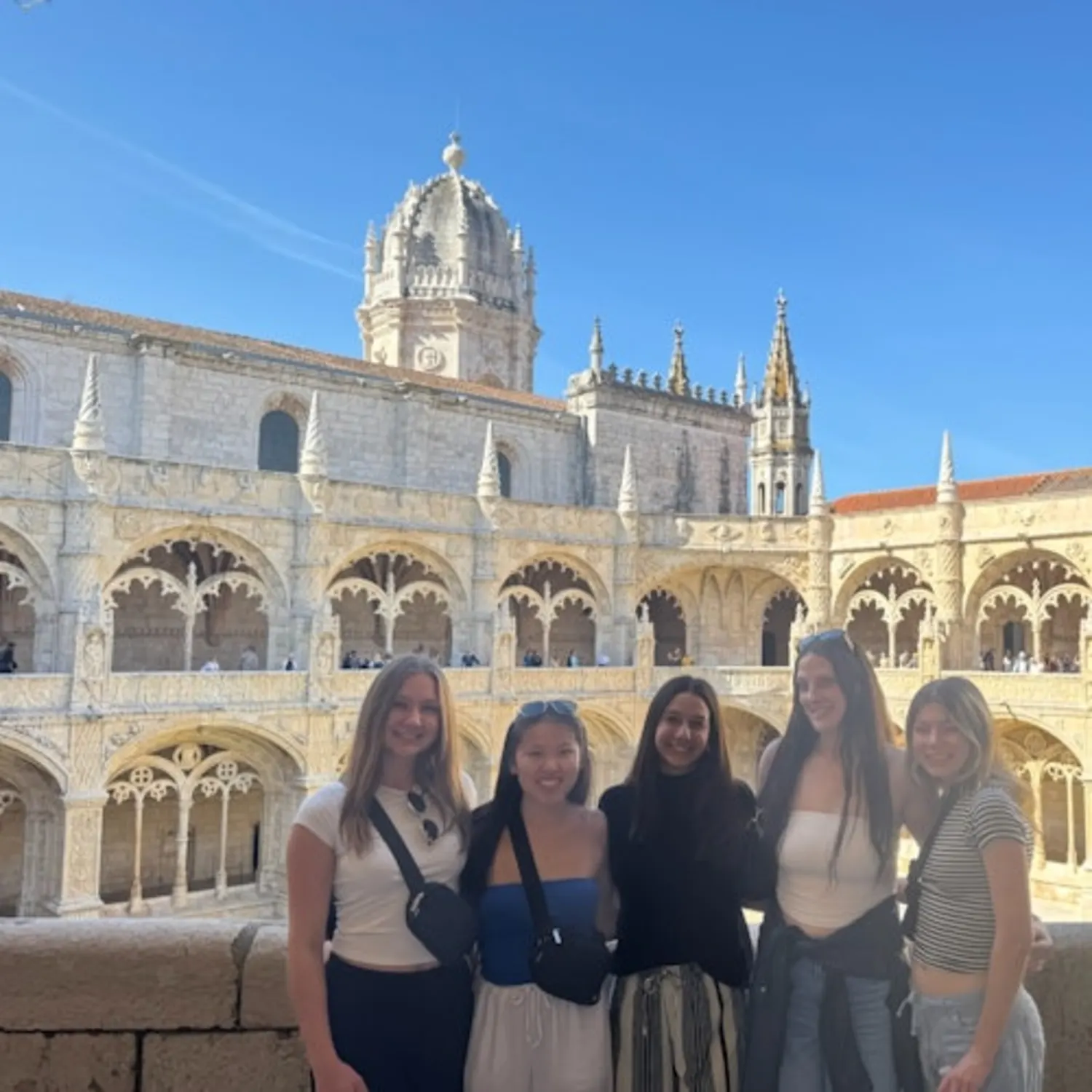
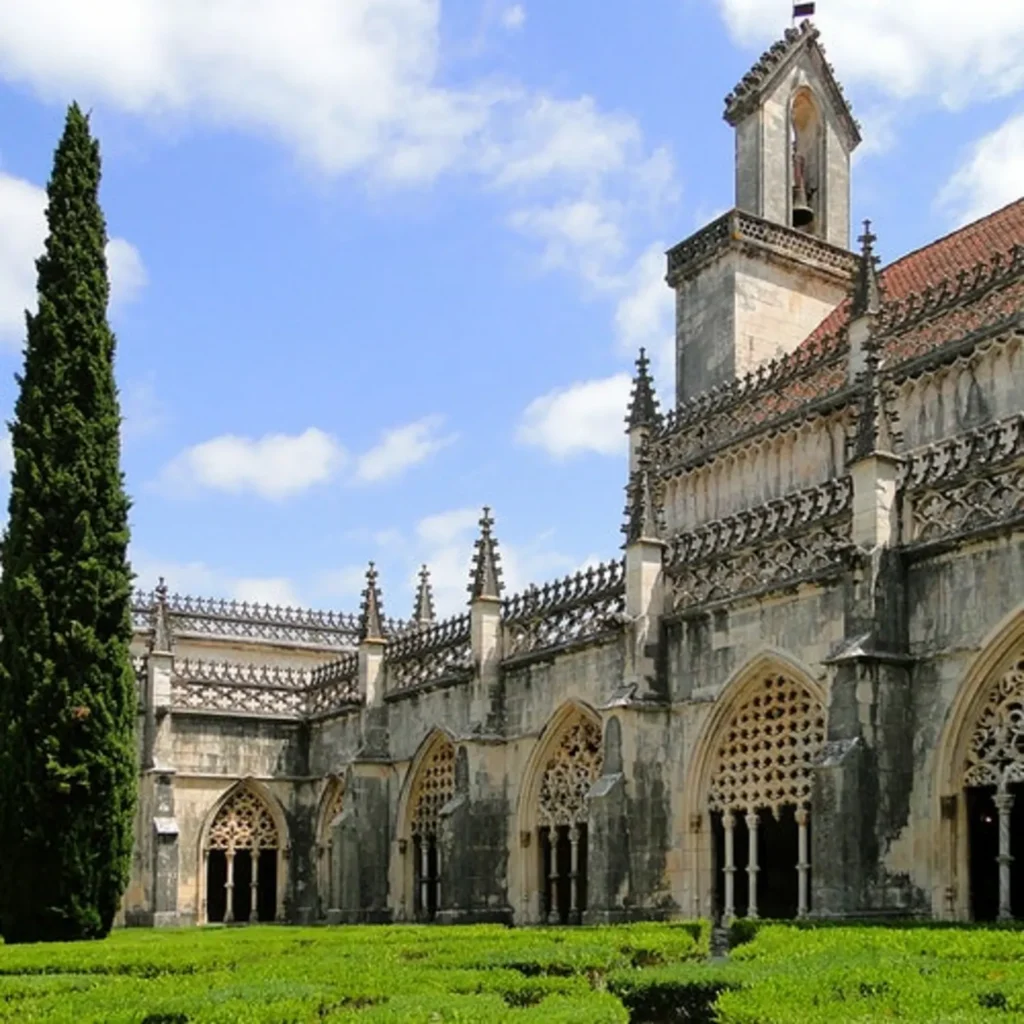
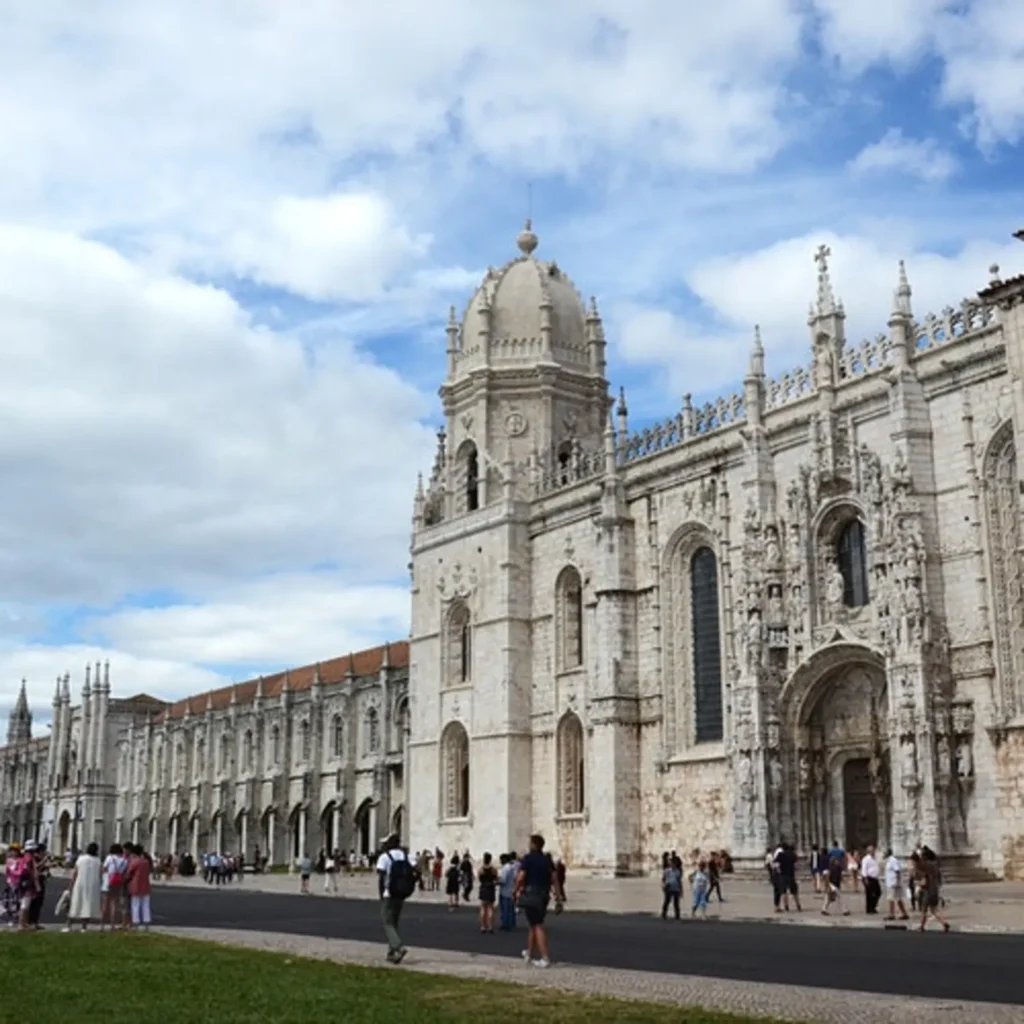
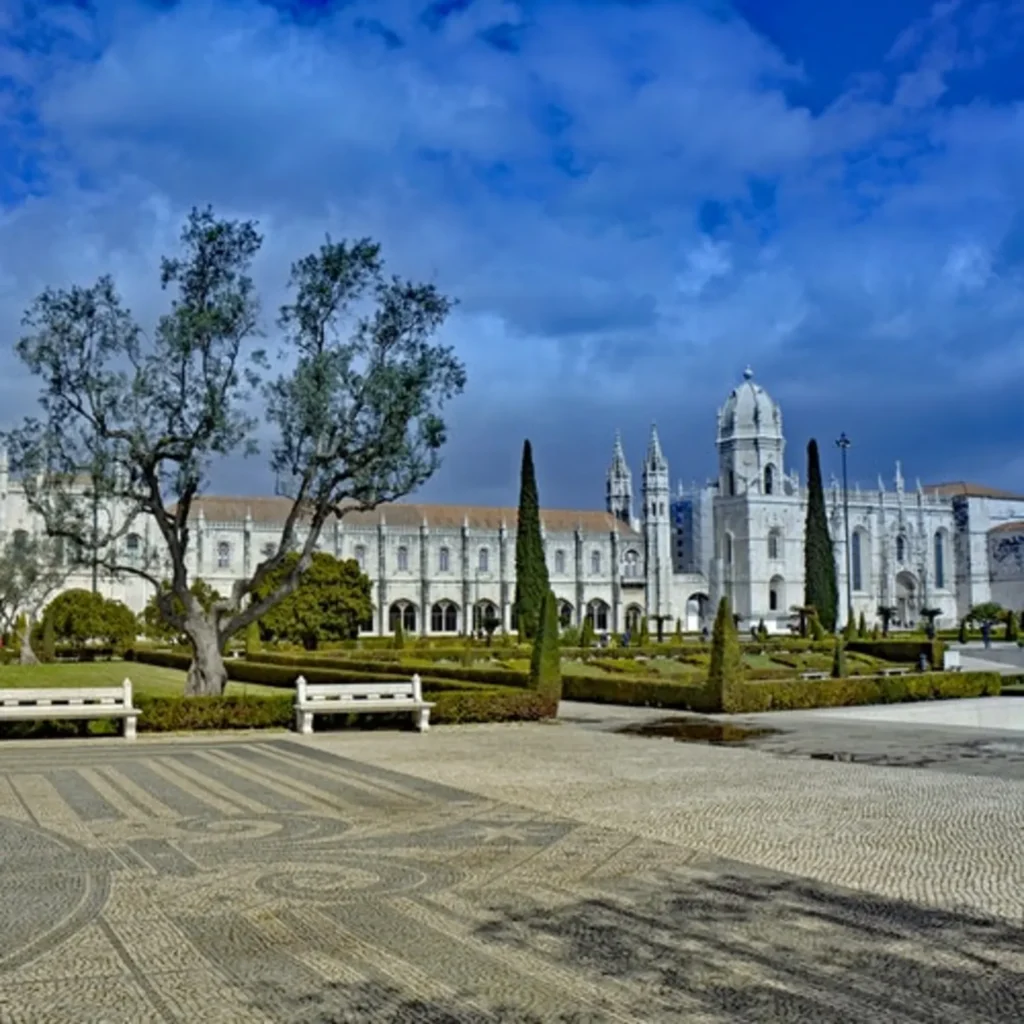
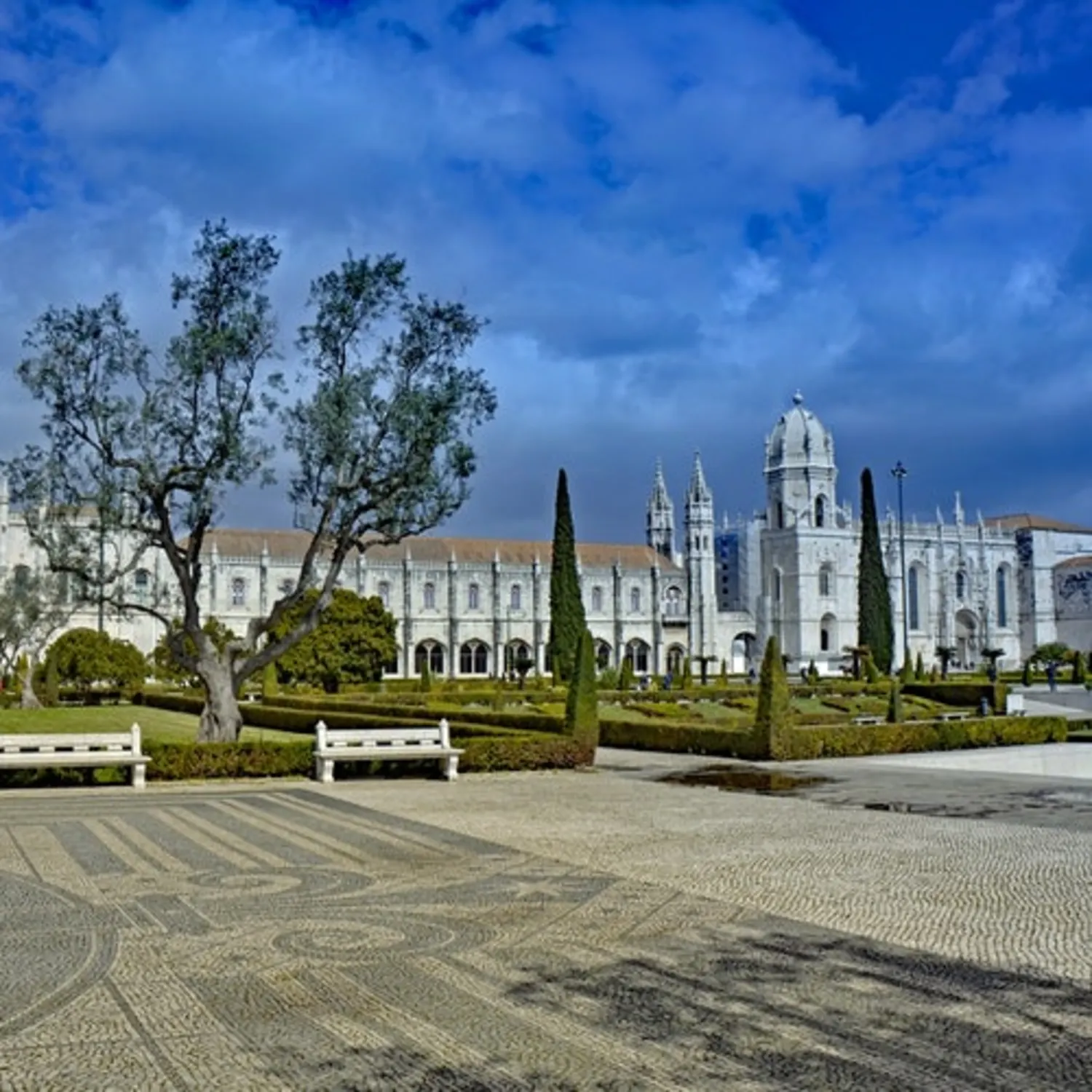
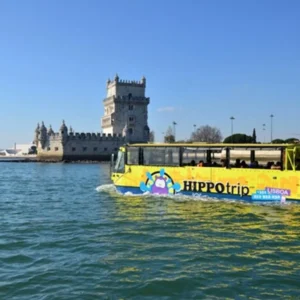
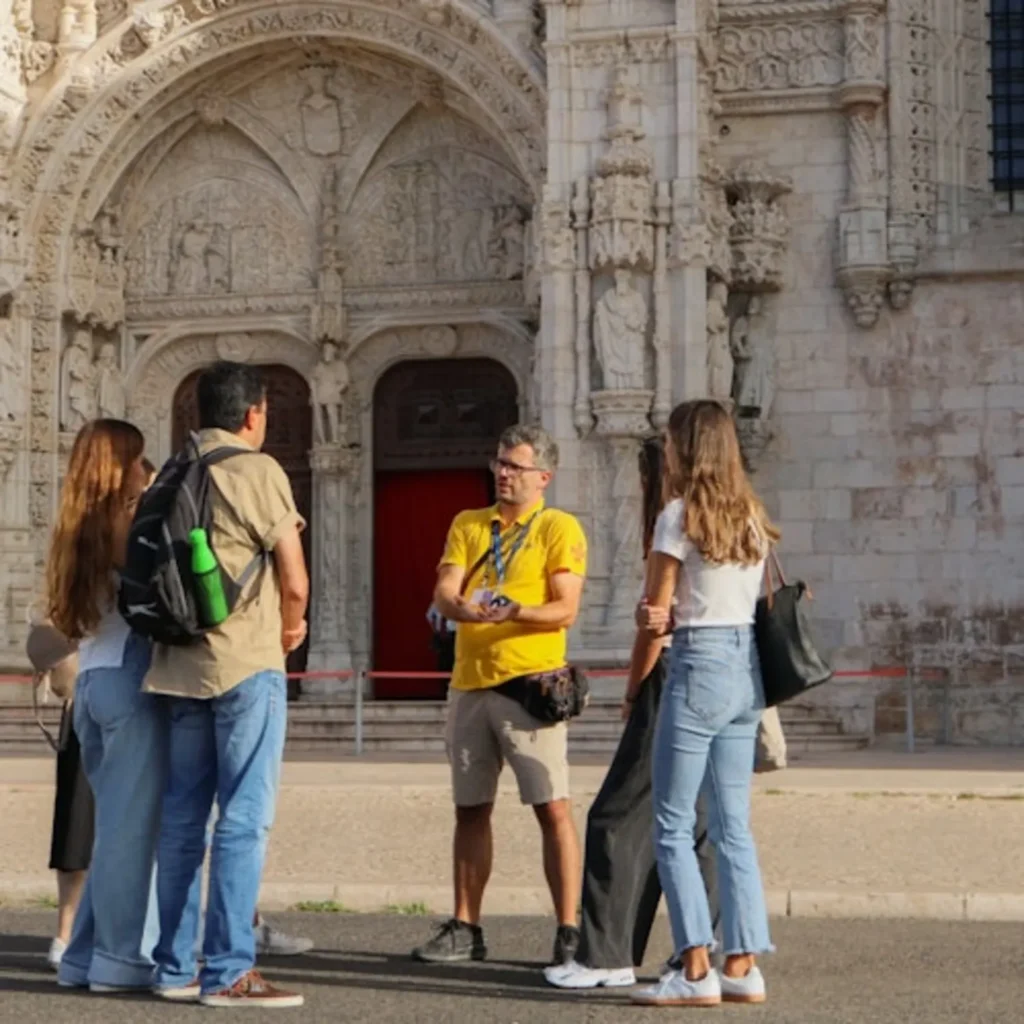
Belém: Located to the west of the city center, this waterfront district is home to Lisbon's most iconic maritime monuments, including the Jerónimos Monastery and the Belém Tower.

Bairro Alto and Príncipe Real: Bairro Alto is known for its nightlife and narrow streets that come alive after dark. Just above it, Príncipe Real offers a more relaxed pace with boutique shops, gardens, and 19th-century mansions.

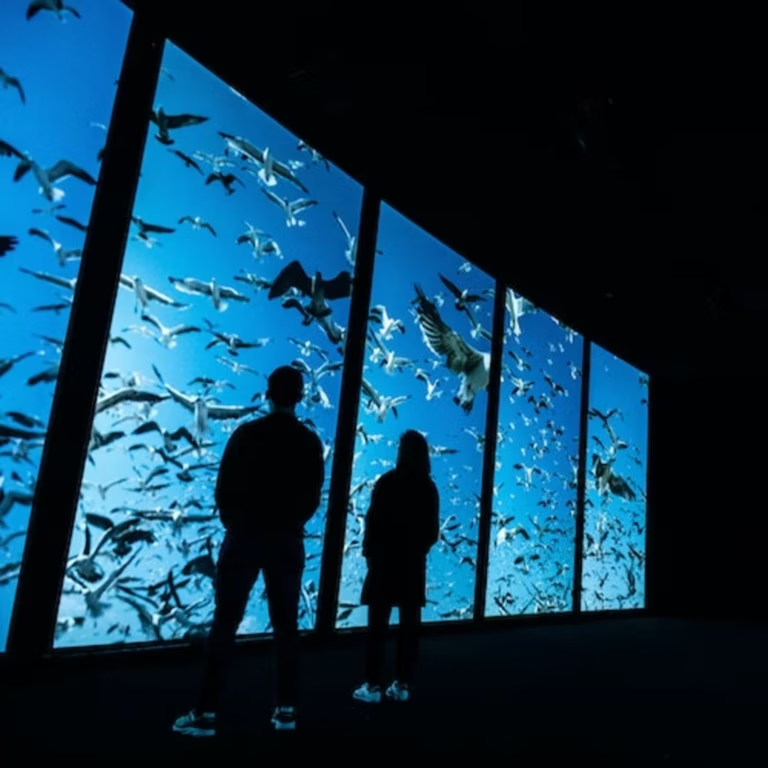
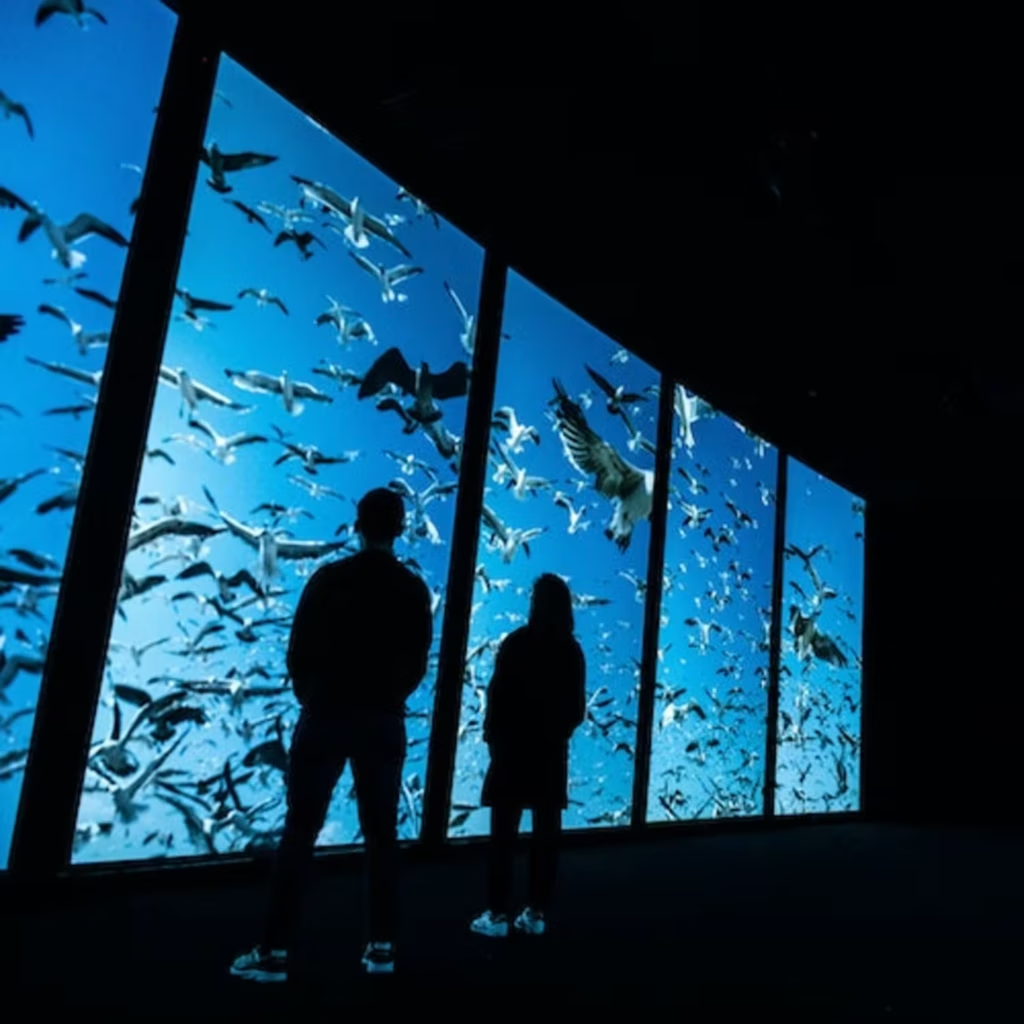
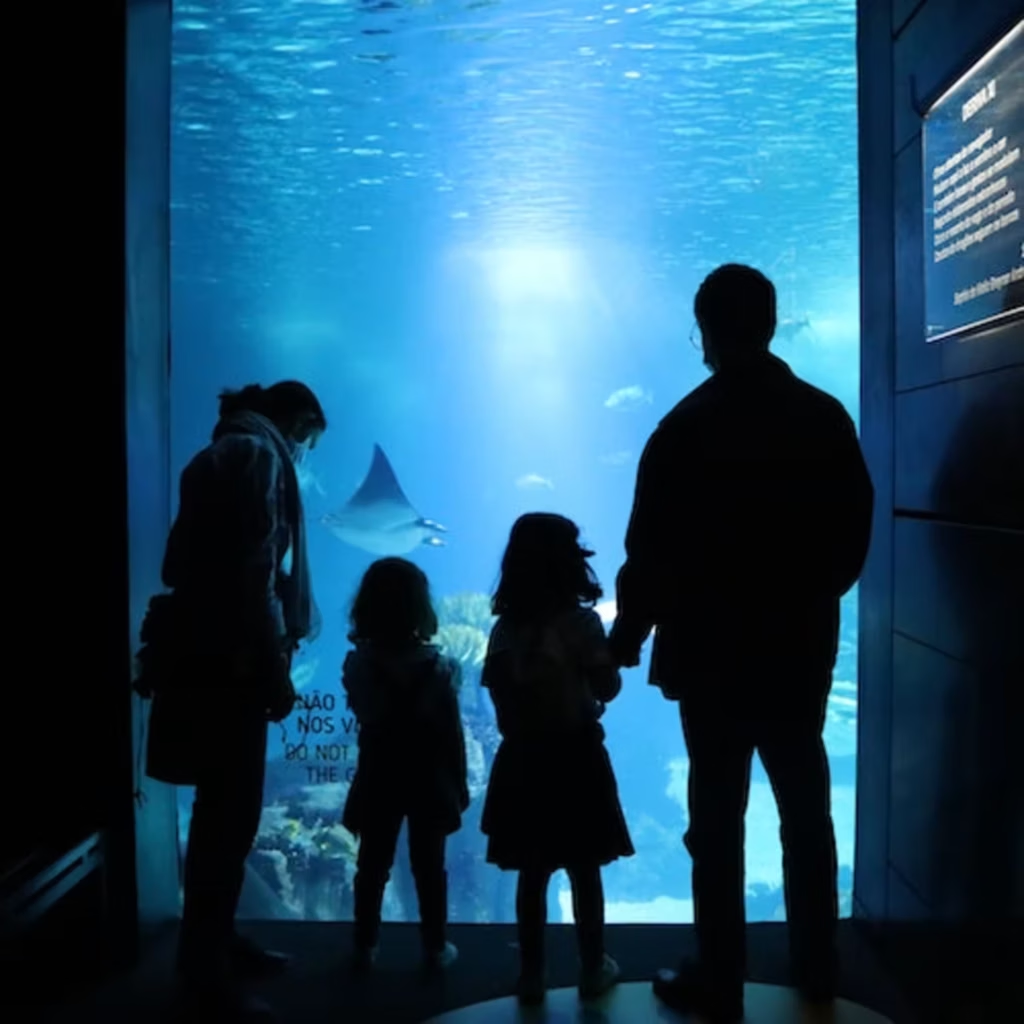
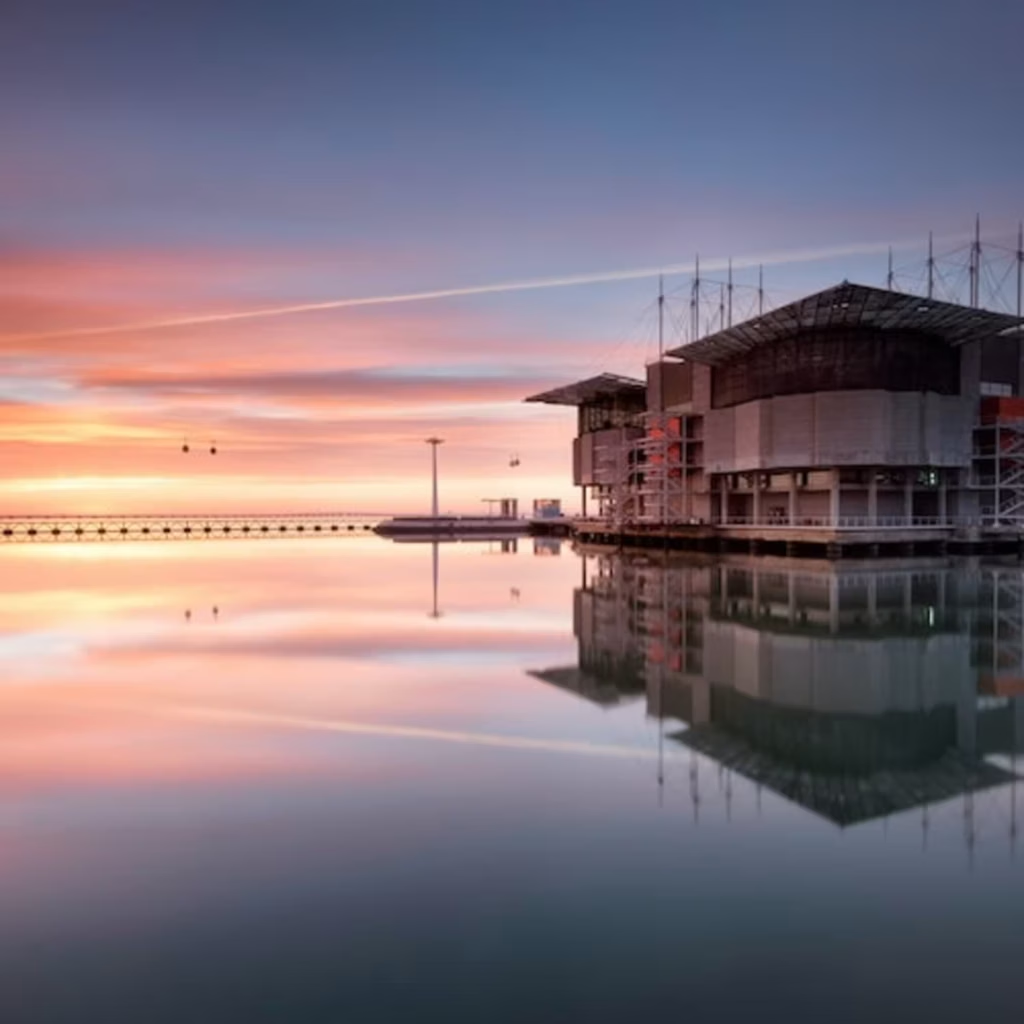
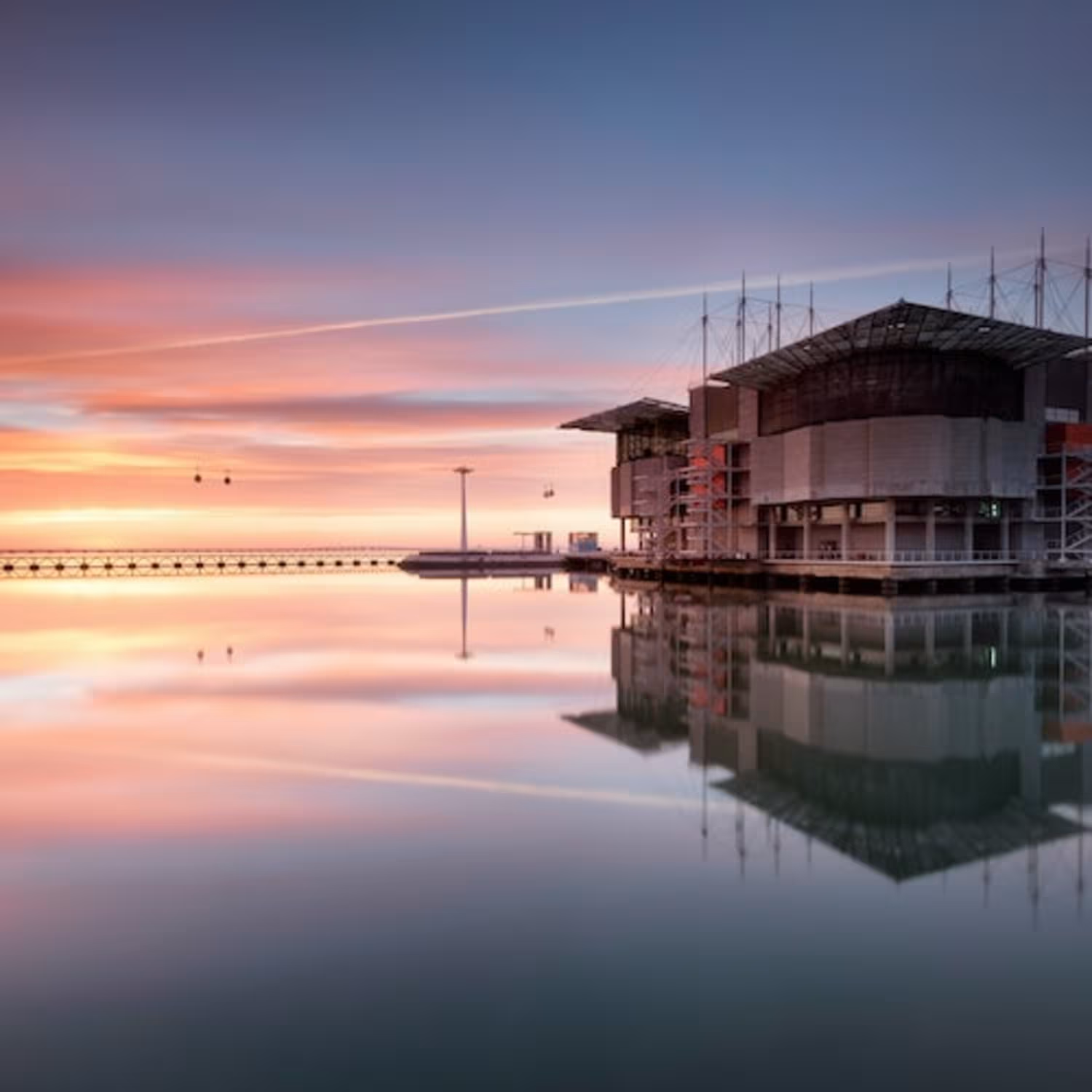
Parque das Nações: This modern district on the eastern side of the city was the site of Expo '98. It features contemporary architecture, the Oceanarium, and a long promenade along the Tagus River.

FAQs about Lisbon

How do the historic trams work?

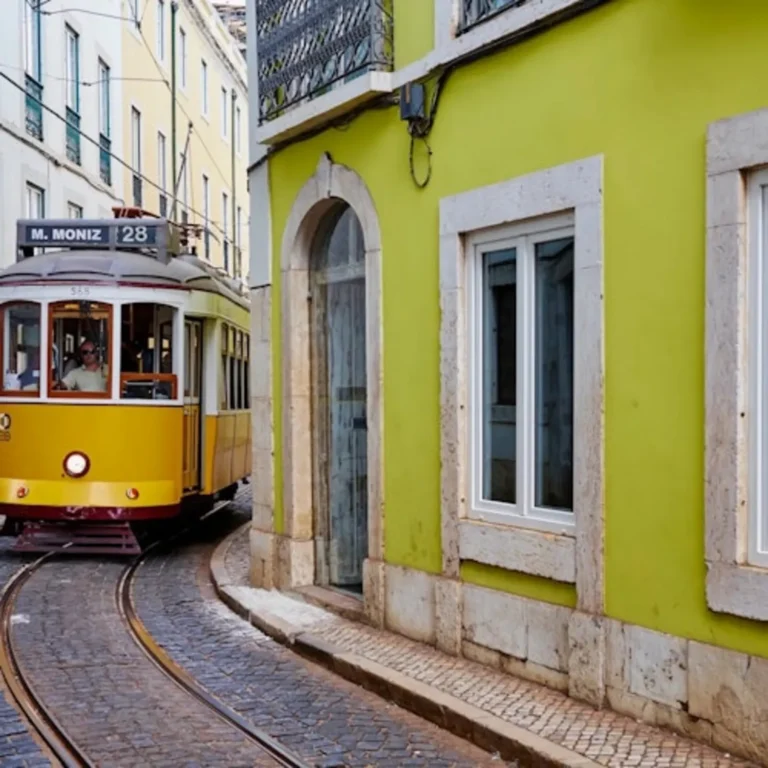
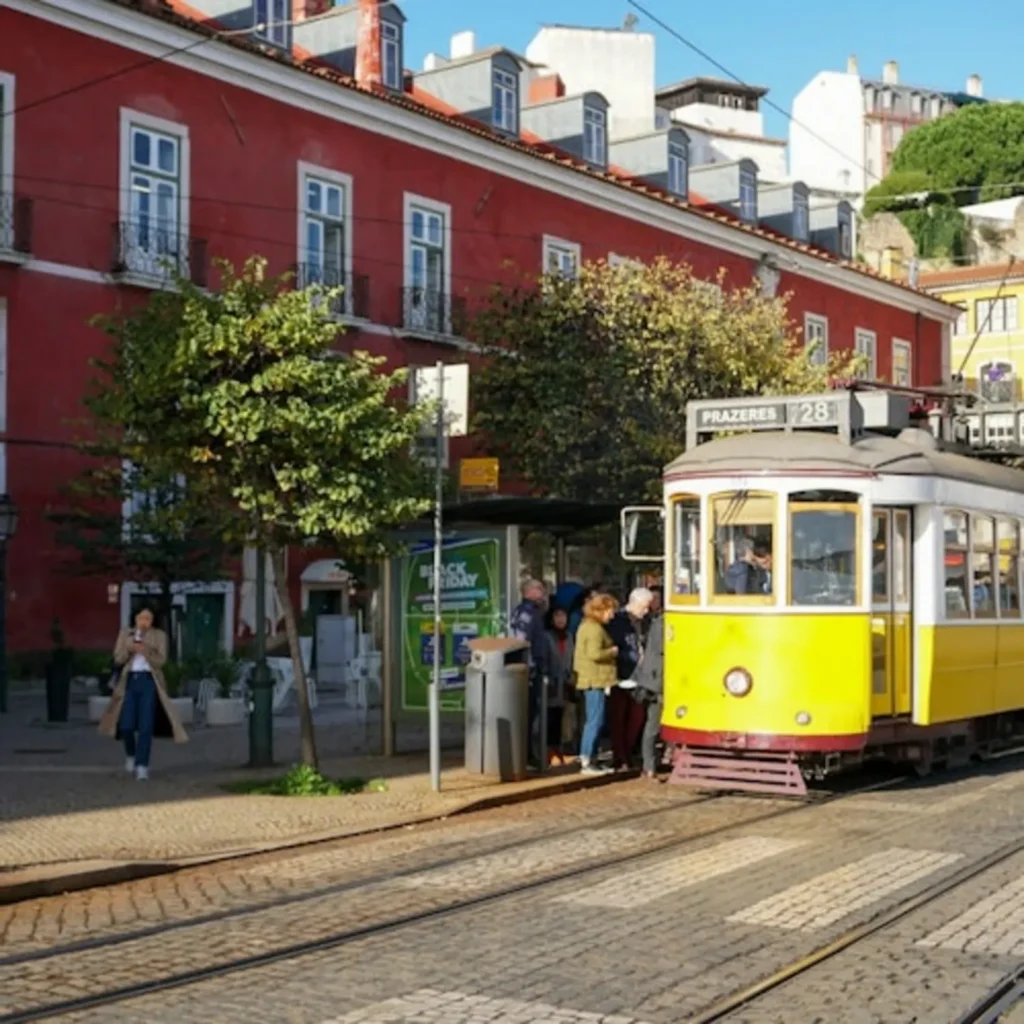
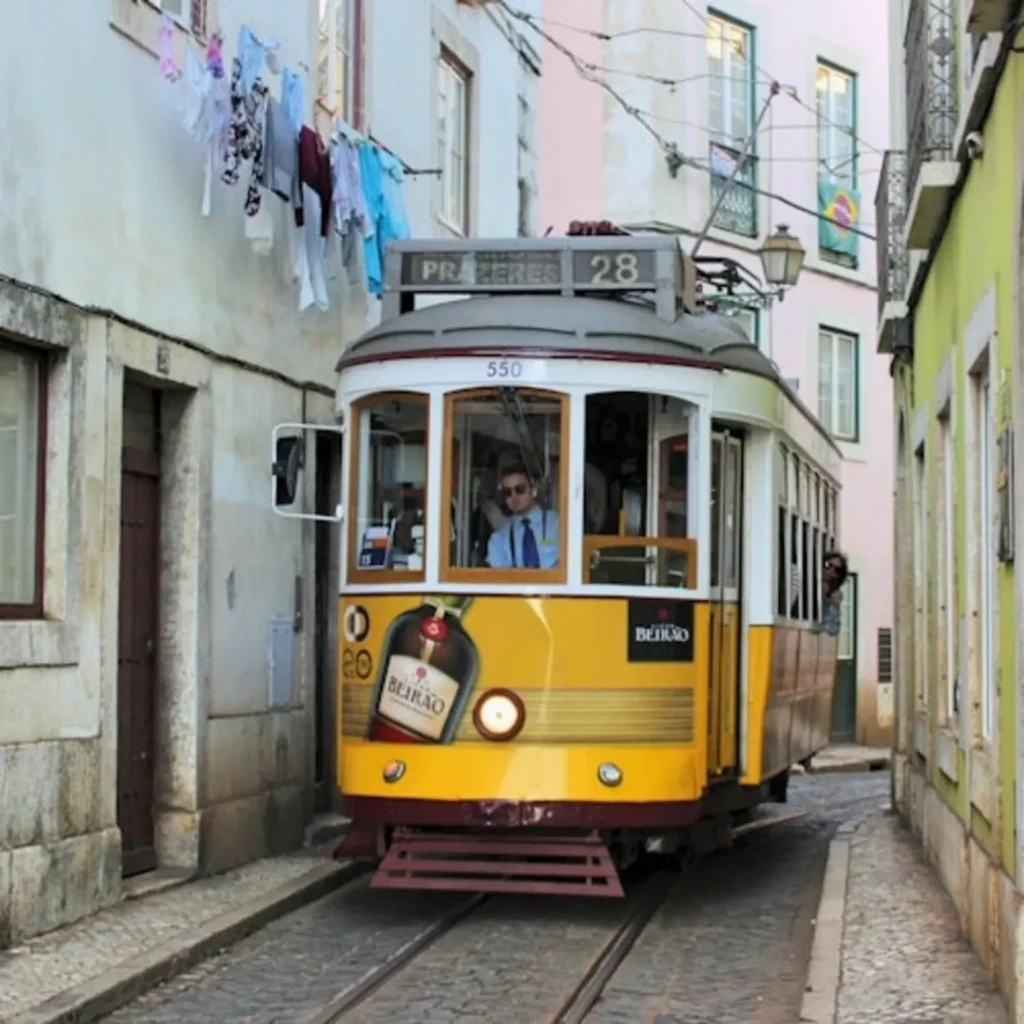
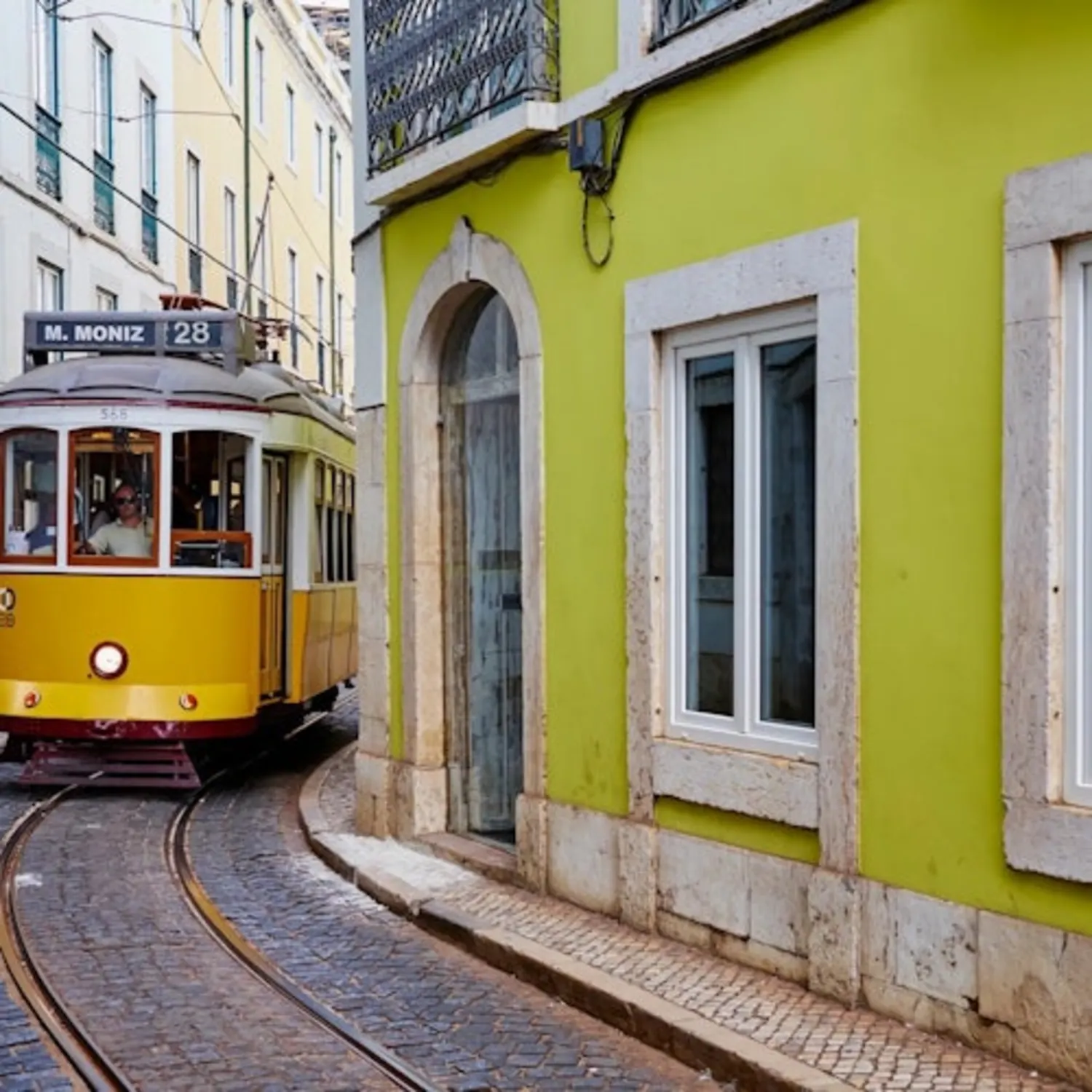
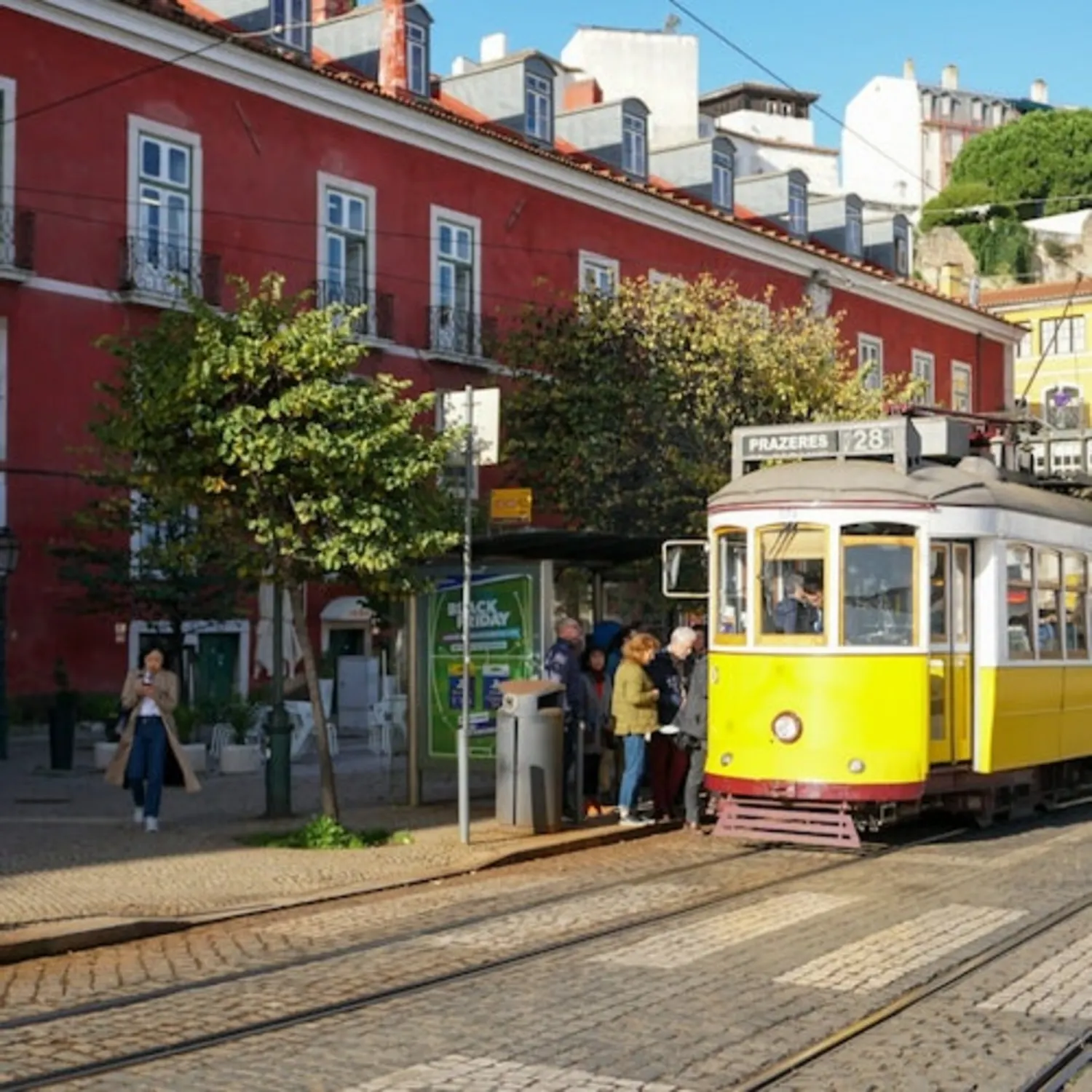
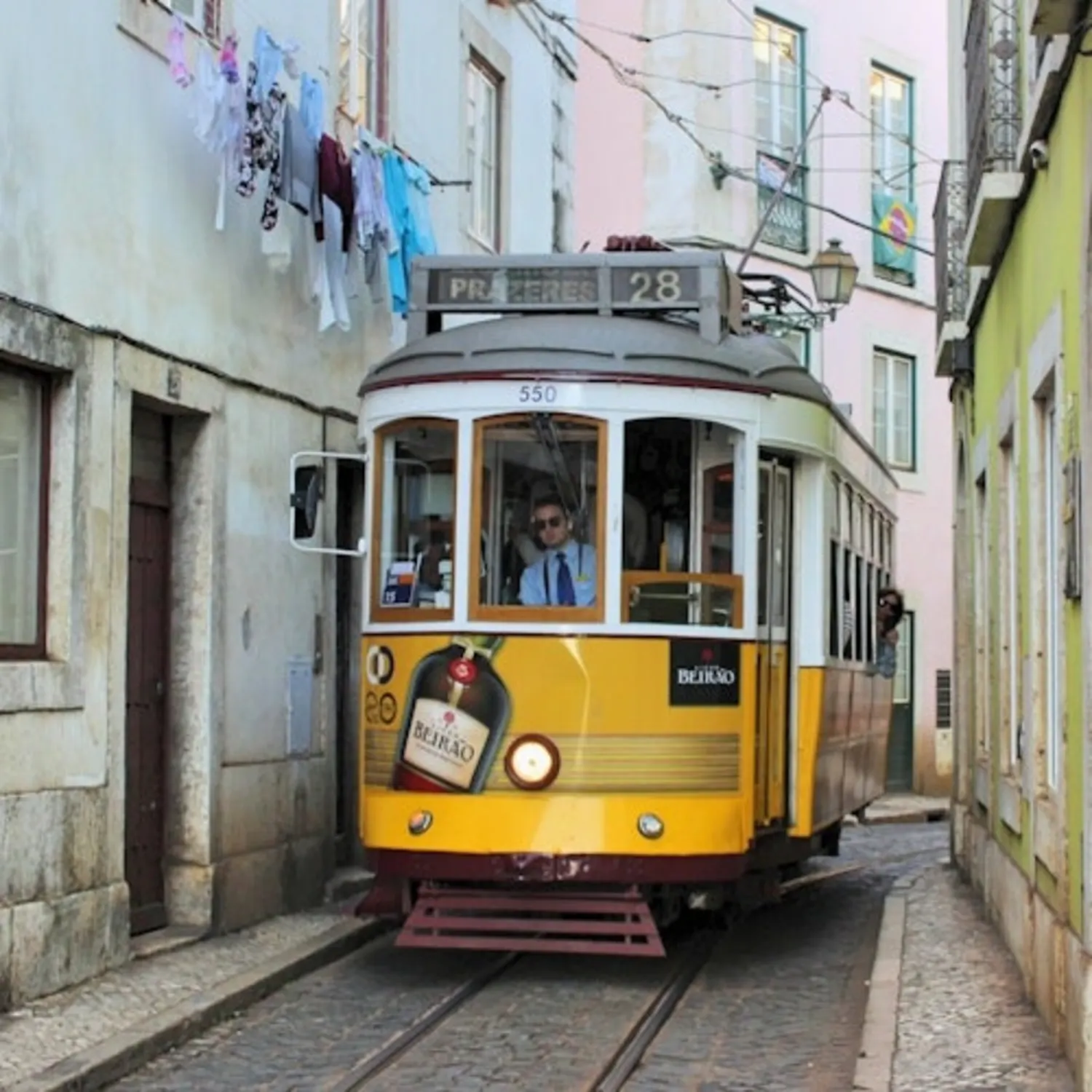
Trams like the 28 serve as both a tourist attraction and actual public transport for locals. They are often very crowded, so boarding at the starting terminal is recommended.

Is the tap water safe to drink in Lisbon?

Yes, the tap water is perfectly safe and meets high quality standards. You can refill your bottle at the various historic fountains found throughout the city.

What is the best way to get from the airport to the city center?

The Metro Red Line is the most efficient and budget-friendly option, reaching the center in about 20 minutes. Taxis and ride-sharing apps are also readily available outside the arrivals hall.

How do I pay for public transport?

You can use a contactless bank card or phone to tap and pay directly at the station gates. Alternatively, you can purchase a rechargeable Navegante card at any metro station.

Are Lisbon's hills as difficult as people say?

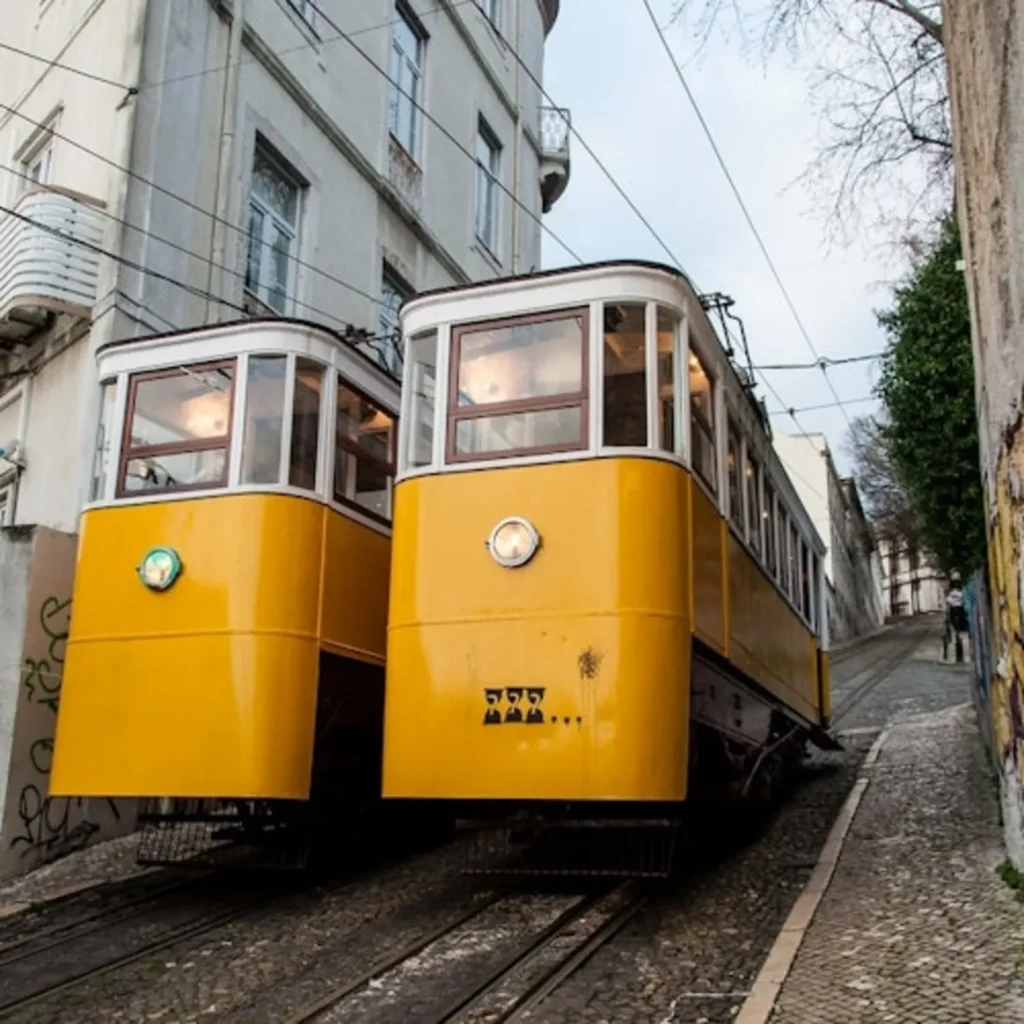
The city is famous for its steep terrain and slippery limestone cobblestones. It is best to wear comfortable shoes with good grip and use the funiculars for the steepest climbs.

Is tipping expected in restaurants?

Tipping is not mandatory in Portugal, as service staff earn a standard wage. Locals might round up the bill or leave a few coins if the service was particularly good.

What are the standard opening hours for shops?

Most shops open at 9 AM or 10 AM and stay open until 7 PM on weekdays. Larger shopping malls and supermarkets typically remain open until midnight every day.

Is Lisbon a safe city for travelers?

Lisbon is generally very safe, though petty crimes like pickpocketing can occur in crowded areas. Always keep an eye on your belongings when using the historic yellow trams.

When does the metro run?

The metro operates from 6:30 AM to 1 AM. Be aware that some smaller station entrances may close earlier than the main ones.

What is the weather like in winter?

Winters are mild but can be quite rainy, with temperatures rarely dropping below 10°C. It is much quieter than the summer months, making it a good time for museum visits.

Do most people speak English?

English is widely spoken in the hospitality and tourism sectors across the city. You will find that most younger residents and shop staff are fluent or proficient.

Is the city accessible for those with limited mobility?

The historic center's steep hills and narrow cobblestone streets can be challenging to navigate. Modern areas like Parque das Nações are flat and much more accessible.

This website sells official tickets for this venue. Please note, however, that it is not the official website of the venue.

The images and videos on this website may contain visual elements that have been created or enhanced using AI technology. They are provided for illustrative purposes only.